
All categories
Featured selections
Trade Assurance
Buyer Central
Help Center
Get the app
Become a supplier
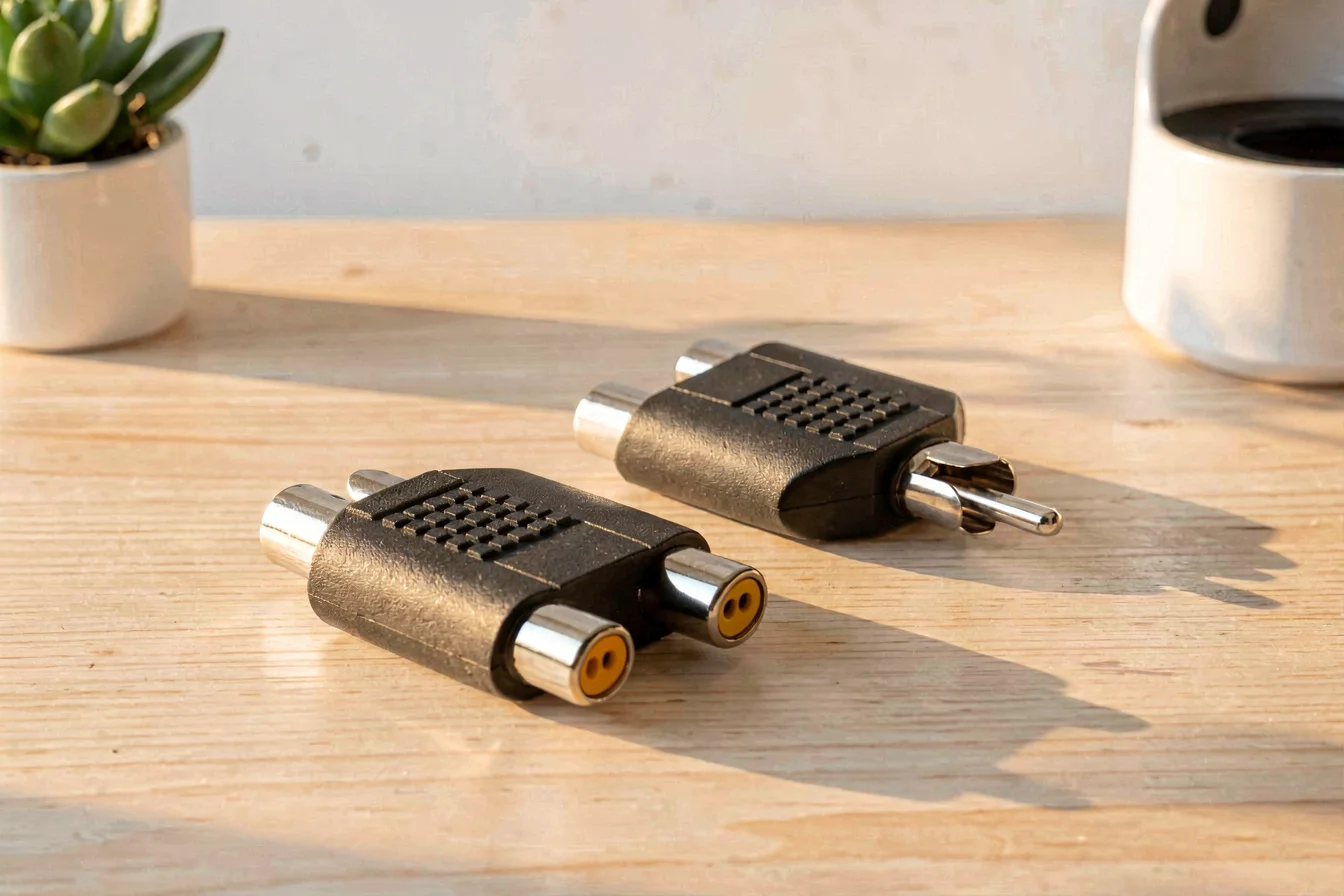
For most applications, a dual output RCA splitter is superior for signal integrity and flexibility, especially when connecting multiple devices. A single input RCA splitter is sufficient for simple setups but can introduce voltage drop and noise when splitting to more than two outputs. Search data and user feedback confirm growing demand for buffered, dual-output solutions, making them the preferred choice for both B2B and B2C buyers [1][3][4].
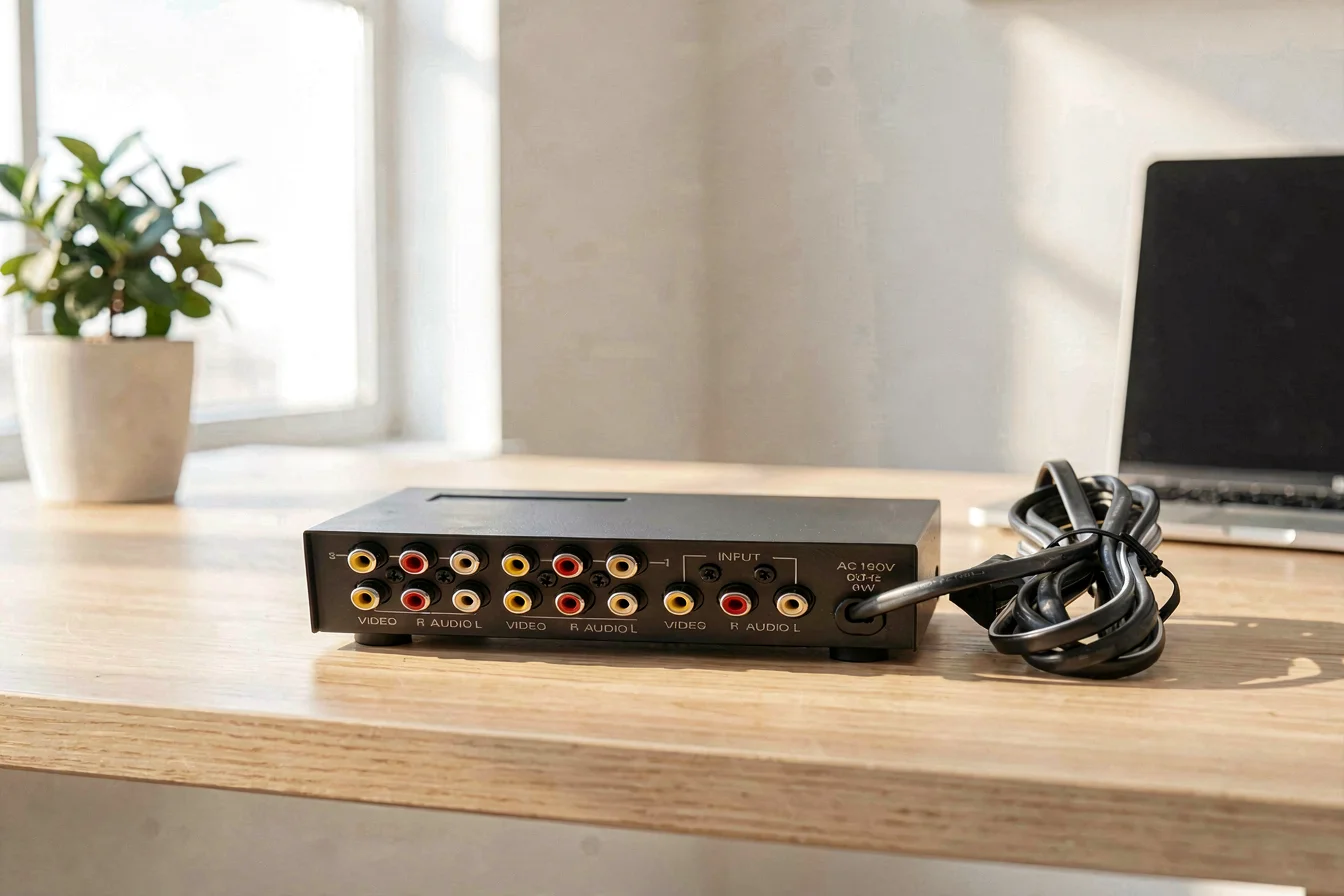
The core value of RCA splitters lies in their ability to distribute analog audio signals from a single source to multiple destinations, simplifying installation and enhancing device compatibility. A single input RCA splitter is a passive device designed for basic signal splitting, typically supporting one input and one or two outputs. Its target audience is DIYers, entry-level audio setups, and legacy installations, where simplicity and cost are prioritized. However, it’s limited by voltage drop and signal degradation when splitting to more than two devices, as noted in Reddit discussions [3][4].
In contrast, a dual output RCA splitter often includes active buffering or isolation, ensuring stable signal distribution to two or more devices without significant loss. This makes it ideal for audiophiles, professional installations, and environments requiring reliable parallel signal routing. Technological innovations such as galvanic isolation and active buffering address traditional pain points—noise, voltage drop, and input coupling—making dual-output splitters the preferred choice for multi-device setups.
Traditional challenges solved by dual-output splitters include maintaining signal fidelity across multiple outputs, minimizing noise, and supporting future expansion. Passive single input splitters solve basic splitting needs but lack the resilience and scalability required for complex installations. Below is a structured comparison table:
| Feature | Single Input RCA Splitter | Dual Output RCA Splitter |
|---|---|---|
| Signal Integrity | Passive; voltage drop with multiple splits | Active buffering; minimal signal loss |
| Output Count | Typically 1–2 outputs | 2–4 outputs, expandable |
| Noise/Interference | Moderate; depends on cable quality | Low; buffered or isolated |
| Cost | Lowest; $1–$6 | Mid; $6–$20 |
| Procurement Logic | Entry-level, legacy setups | Audiophile, pro, expandable installations |
Dual output splitters outperform single input variants in signal quality and scalability, making them the preferred procurement choice for most modern applications.
Durability is a critical factor in splitter selection. Passive single input RCA splitter models, typically made of basic plastics and metal connectors, are adequate for short-term or entry-level use but may degrade faster under frequent use or exposure to environmental factors. Active dual output RCA splitter units, often built with higher-grade materials and buffering circuits, offer longer lifespan and greater reliability, especially in professional or high-use environments.
Real-world application scenarios dictate the optimal choice. Single input splitters are best for simple setups—connecting one source to two devices, such as a media player to a stereo and a subwoofer. Dual output splitters excel in complex installations—distributing signals to multiple amplifiers, speakers, or recording devices simultaneously, and supporting future expansion without signal degradation.
Long-term cost evaluation must consider not only initial purchase price but also maintenance, replacement frequency, and hidden costs such as signal loss and noise. Passive single input splitters are cheapest upfront but may require more frequent replacement and introduce noise, increasing total cost of ownership. Dual output splitters, while more expensive, reduce replacement cycles and minimize signal issues, delivering better value over time.
| Cost Factor | Single Input RCA Splitter | Dual Output RCA Splitter |
|---|---|---|
| Initial Purchase Price | $1–$6 | $6–$20 |
| Maintenance | Minimal, but frequent replacement | Low; longer lifespan |
| Replacement Frequency | High (every 1–2 years) | Low (every 5+ years) |
| Hidden Costs (Noise, Signal Loss) | Moderate; affects audio quality | Low; minimal impact |
| 5-Year Total Cost | $12–$24 | $12–$30 |
Dual output splitters deliver lower long-term costs and greater durability, making them the superior investment for demanding applications.
The core value of RCA splitters is their ability to streamline signal distribution in both consumer and professional environments. In today’s market, the urgency to choose the right splitter is driven by the rise of multi-device setups, modular audio systems, and the demand for future-proofing installations. Dual output splitters are increasingly favored for their flexibility and signal integrity, while single input splitters remain relevant in basic, cost-sensitive scenarios.
Google Trends data reveals that “Dual RCA Audio Cable” and “RCA to HDMI Adapter” consistently outpace “Single Output RCA Splitter” in search heat, confirming a market shift toward multi-output solutions [1]. This trend aligns with consumer and professional demand for flexible, scalable signal distribution. Below is a line chart illustrating search interest over time:
Search Interest over Time
Dual output splitters and related adapters consistently outpace single input variants in search interest, signaling a procurement shift toward modular, multi-output solutions.
Reddit and TikTok discussions reveal contrasting perspectives on single input RCA splitter and dual output RCA splitter performance. DIYers and budget audiophiles often recommend passive single input splitters for simple setups, noting that they are cheap and easy to use, but warn of voltage drop and noise when splitting to more than two devices [3][4]. In contrast, audiophiles and pro users praise dual output splitters for their signal integrity, flexibility, and ability to support multiple amplifiers or recording devices without degradation.
Case Study 1: Entry-Level Setup
A Reddit user wanted to connect a Raspberry Pi DAC to four amps using a passive splitter. They noted: “You should never passively split a signal, it couples the inputs of the amps together… but if you have to do it, here is how you do it… especially if the inputs are identical: two amps of the same model will most likely have the same input impedance.” They ultimately built a passive splitter but warned against splitting to more than two outputs, citing signal loss and noise [3].
“You can make a passive splitter easily… with an audio transformer you can even make a real proper split… but one line level output split to two line level inputs using a simple y-splitter cable: totally fine.”
Case Study 2: Audiophile Expansion
Another Reddit user wanted to connect a streaming device to multiple vintage systems. They found: “You can split them with a simple hardware cable… I’ve used RCA junction boxes, and I’ve used RCA inline splitters, and as far as I can tell, I’ve never been able to determine a reason why the box is better.” However, they concluded: “I would just Y it off… can get a cheap switch but with cheap switches you might end up introducing noise you don’t want. Just using a Y is pretty simple and cheap though.” [4]
“A passive RCA switcher is $15 on Amazon, and probably the same cost as a pile of splitters. If you connect it 'backwards' with the 4 inputs used as outputs, it should give you a pretty clean setup.”
Sentiment overview table:
| Dimension | Single Input RCA Splitter | Dual Output RCA Splitter |
|---|---|---|
| Overall Satisfaction | Mixed; adequate for basic use | High; praised for signal quality |
| Most Praised Feature | Low cost, simplicity | Signal integrity, flexibility |
| Most Common Complaint | Voltage drop, noise | Higher price, complexity |
| Community Recommendation Rate | Moderate | High |
Viral content themes include debates over passive vs. active splitters, DIY construction tips, and warnings about signal loss and noise. Cultural reception is positive for dual output splitters among audiophiles, but price and complexity remain recurring concerns for entry-level buyers.
Dual output splitters are favored by audiophiles and pro users for their signal quality and flexibility, while single input splitters remain popular among budget buyers for basic setups.
Before purchasing, buyers should ask themselves:
Tiered recommendations:
| Tier | Recommended Product | Key Reason |
|---|---|---|
| Budget-Friendly | Single Input RCA Splitter | Lowest cost, simple setups |
| Mid-Range | Dual Output RCA Splitter | Signal integrity, moderate cost |
| Premium/Pro | Dual Output RCA Splitter (Active/Buffered) | Maximum flexibility, noise reduction |
Optimization tips:
Buyers should select dual output splitters for most applications, prioritizing signal integrity and future expansion, while single input splitters suffice for basic, low-budget setups.
The market is shifting decisively toward buffered, dual output RCA splitters, driven by demand for modular installations, signal integrity, and future-proofing. Google Trends and social media sentiment confirm that dual output splitters are favored for their flexibility, reliability, and noise reduction, making them the preferred procurement choice for both B2B and B2C buyers [1][3][4].
Over the next 6–12 months, expect continued innovation in active buffering, galvanic isolation, and multi-output variants. Buyers should act confidently by sourcing dual output splitters for most applications, sharing installation experiences to inform the community, and engaging with wholesale platforms like Alibaba.com for bulk procurement and customization. For commercial buyers, bulk sourcing and OEM/ODM support will be critical for optimizing supply chain resilience and reducing long-term costs.
Dual output RCA splitters are the strategic choice for signal distribution and audio quality; buyers should act now to secure future-proof installations and maximize value.