
All categories
Featured selections
Trade Assurance
Buyer Central
Help Center
Get the app
Become a supplier
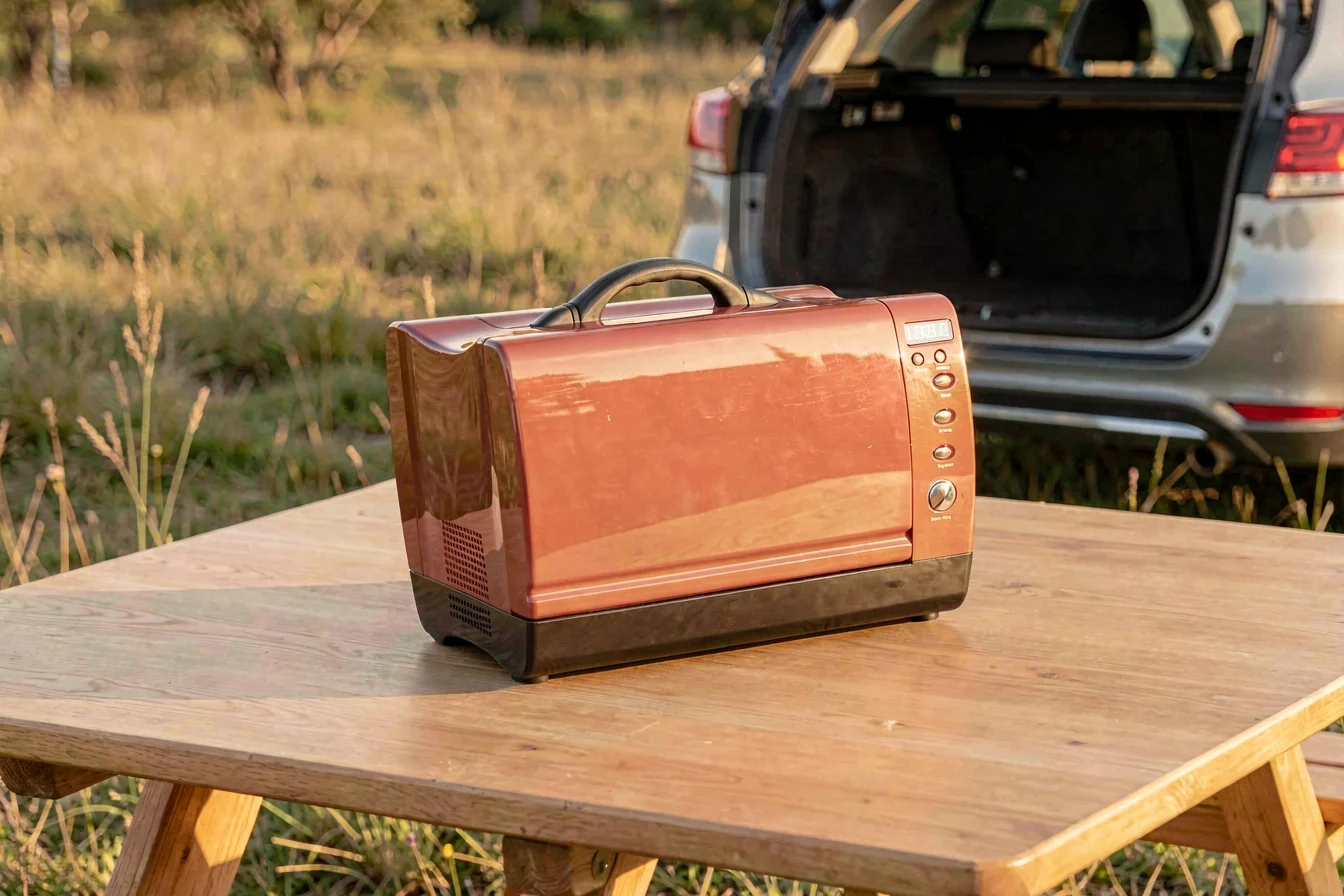
A 12v car microwave offers unparalleled mobility for vehicle-based cooking but faces limitations in power and durability, while a standard portable microwave oven delivers superior cooking quality and reliability for stationary and off-grid use. Procurement logic favors the car microwave for mobile scenarios and the portable microwave for versatility and performance. Buyers must weigh their primary use case, power constraints, and expected cooking frequency to make the optimal sourcing decision.
The core value of this product category is enabling convenient, mobile cooking in vehicles or off-grid environments. A 12v car microwave targets buyers who require food heating and basic cooking in trucks, RVs, or cars, solving the pain point of limited power availability and mobility. However, it faces challenges like low wattage (typically 300–600W), vibration susceptibility, and limited cooking versatility. In contrast, a standard portable microwave oven is designed for both stationary and portable use, offering higher wattage (600–1200W), broader cooking functions, and greater durability, making it ideal for home, office, or frequent off-grid applications.
Technological innovations in the portable microwave segment include inverter technology for more even heating, smart sensors, and compact designs for small spaces. Car microwaves, on the other hand, are often adapted from standard models with DC power conversion, but lack full certification and suffer from reliability issues due to vibration and power fluctuations [3][4][6]. The procurement dilemma is urgent as mobile lifestyles and vehicle-based living increase, but buyers must balance mobility with cooking performance and durability.
| Feature | 12V Car Microwave | Standard Portable Microwave Oven |
|---|---|---|
| Power Source | 12V DC (vehicle battery) | 120V AC (wall outlet) |
| Wattage | 300–600W | 600–1200W |
| Cooking Versatility | Limited (basic heating) | High (reheating, cooking, defrosting) |
| Durability | Low (vibration, power fluctuations) | High (stationary, full certification) |
| Certification | Limited (often lacks UL/CE) | Full (UL, CE, FCC) |
| Price Range | $60–$150 | $30–$350 |
The 12V car microwave is best for niche mobile scenarios, while the standard portable microwave oven dominates for versatility and performance.
Decoding durability reveals that a 12v car microwave is prone to vibration damage, power fluctuations, and limited cooking capacity, with most lasting 1–3 years in mobile environments [6]. In contrast, a standard portable microwave oven typically lasts 5–10 years in stationary settings, with premium brands offering even longer lifespans [10][11]. The application scenarios diverge: car microwaves excel for quick heating and light cooking in vehicles, while portable microwaves are suited for home, office, and frequent off-grid use.
Real-world cost evaluation shows that car microwaves have higher initial costs due to specialized wiring and inverters, plus frequent replacement due to reliability issues. Portable microwaves, while lower in upfront price, may incur higher replacement costs if used in harsh environments. Maintenance and cleaning are easier for portable models, while car microwaves require careful handling to prevent damage from vibration and moisture [3][6]. The 5-year cost outlook is summarized below:
| Cost Factor | 12V Car Microwave | Standard Portable Microwave Oven |
|---|---|---|
| Initial Purchase | $60–$150 (plus inverter/wiring) | $30–$350 |
| Maintenance | Frequent (vibration, cleaning) | Low (easy cleaning) |
| Replacement Frequency | 1–3 years | 5–10 years |
| Hidden Costs | Inverter, wiring, battery drain | Energy use, space |
| Total 5-Year Cost | $150–$300 | $60–$350 |
Portable microwaves offer lower long-term costs and superior reliability, while car microwaves incur higher replacement and hidden costs due to mobility challenges.
The core value of this category is enabling mobile and off-grid cooking in an era of rising urbanization, multi-generational living, and vehicle-based lifestyles. The urgency in procurement is driven by increasing demand for convenience and flexibility, especially among RV owners, truckers, and frequent travelers. The application scenarios are split: car microwaves excel in mobile, vehicle-based scenarios, while portable microwaves dominate stationary and frequent off-grid use.
Market trend data from Google Trends shows surging search interest for 12V car appliances (coolers, fridges), but portable microwave interest remains stable and low [1]. This reflects a niche market for car microwaves versus a mainstream market for portable microwaves.
Search Interest over Time
Search interest for 12V car appliances is rising, but purchasing behavior for car microwaves remains niche, while portable microwaves maintain steady demand across mainstream channels.
Case Study 1: Truckers and RV owners report that a 12v car microwave is convenient but plagued by reliability issues. One user notes: "I keep my turntable wrapped in a fluffy hand towel to stop it from banging into the sides. It'll still survive the jostling, but the painted interior starts to chip away and can start to rust with the evaporated moisture from the food." Another user shares: "Old Hamilton Beach I’ve got survived 7 years of OTR flatbed and RGN, for almost 2 years now it’s rode in a bin on a service body 550 and works like day one" [6]. However, many buyers express skepticism, with some preferring rice cookers or air fryers for better results.
Case Study 2: Urban dwellers and small apartment owners favor a standard portable microwave oven for its versatility and reliability. One Reddit user states: "I would honestly invest in an air fryer. Me and my boyfriend got the mainstays $50 microwave for our apartment, had it for 1.5 years, and then an 8qt air fryer with roasting, baking, air frying, and dehydrating functions went on sale for $50 and we bought that. We barely use the microwave anymore." Another user explains: "Things cooked in microwaves are generally sub-par, I use mine mainly to pop popcorn, reheat coffee or leftovers...not real cooking. Other posters are correct, get an air fryer (many different sizes and prices, do your research)" [7]. Portable microwaves are praised for their durability, but criticized for poor food quality and short lifespan.
"A 12v rice cooker is superior to a microwave. It prevents pizza from turning into rubber. It prevents bread from turning into rock. It prevent guessing for how long until done." — Reddit, r/urbancarliving [2]
"I quit eating radiated food when I used a geiger counter on some chicken after cooking. Microwaves are safe for cooking just like roundup is safe, agent orange, ddt, teflon, etc. The FDA has been lying to us for years." — Reddit, r/RVLiving [3]
| Dimension | 12V Car Microwave | Standard Portable Microwave Oven |
|---|---|---|
| Overall Satisfaction | Low (convenience, reliability issues) | Moderate (versatility, reliability) |
| Most Praised Feature | Mobility | Versatility |
| Most Common Complaint | Vibration, power fluctuations | Food quality, short lifespan |
| Community Recommendation Rate | Low | Moderate |
Viral content themes include debates over food quality, reliability, and alternatives (rice cooker, air fryer). Cultural reception on Reddit and TikTok shows a strong preference for air fryers and rice cookers over microwaves, with portable microwaves seen as a necessary evil for small spaces [2][7]. Community sentiment is mixed, with car microwaves viewed as niche and portable microwaves as mainstream but flawed.
Portable microwaves receive moderate praise for versatility, but car microwaves are seen as niche with reliability issues, and alternatives dominate discussions.
Buyers should begin by identifying their core needs through a checklist:
| Tier | Recommended Product | Key Reason |
|---|---|---|
| Budget-Friendly | Standard Portable Microwave Oven | Low cost, versatility, easy cleaning |
| Mid-Range | Standard Portable Microwave Oven (premium brand) | Durability, performance, certifications |
| Premium | 12V Car Microwave | Mobility, niche vehicle-based needs |
Optimization tips:
Synthesizing key insights, the procurement landscape for 12v car microwave and standard portable microwave oven is shaped by rising urbanization, mobile lifestyles, and evolving consumer preferences. Portable microwaves dominate for versatility and reliability, while car microwaves remain niche, best suited for vehicle-based scenarios with full awareness of reliability and replacement costs. Forward-looking trends suggest continued growth in portable microwave demand, with buyers increasingly favoring air fryers and rice cookers for superior food quality [2][7]. Car microwaves may see incremental improvements in vibration resistance and DC power conversion, but mainstream adoption is unlikely.
Emotional call-to-action: Buyers should confidently choose portable microwaves for versatility and reliability, and car microwaves only for vehicle-based needs, sharing their experiences to help others make informed decisions. Commercial buyers are encouraged to source on Alibaba.com for the widest selection, best pricing, and full OEM/ODM support.
Portable microwaves are the optimal choice for most buyers, while car microwaves serve niche mobility needs. Share your experiences and source confidently on Alibaba.com for the best procurement outcomes.