
All categories
Featured selections
Trade Assurance
Buyer Central
Help Center
Get the app
Become a supplier
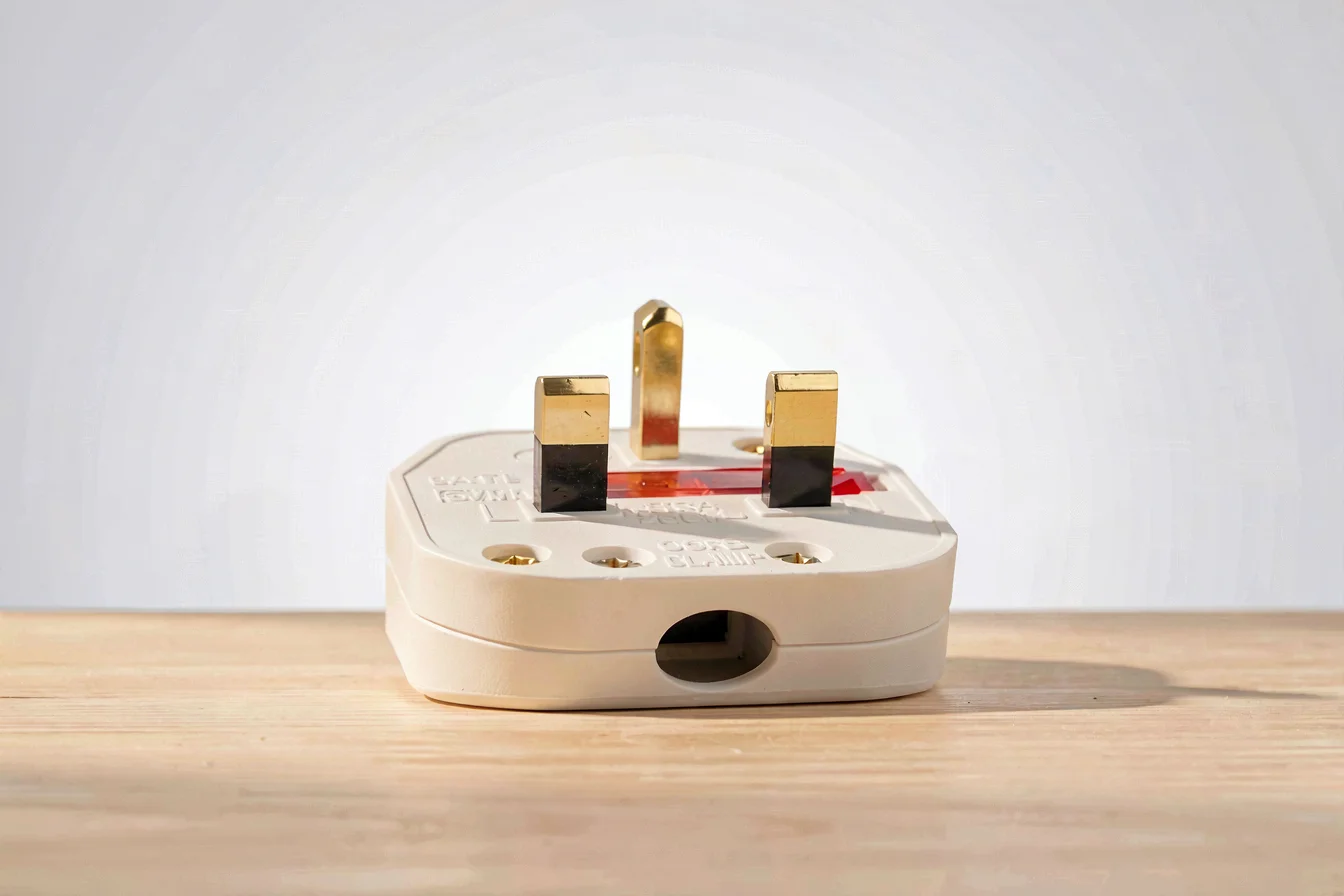
Choosing between a 13a fuse plug adapter and a 5a fuse plug adapter is critical for electrical safety and compliance. The 13A version is ideal for high-power appliances and modern devices, offering robust surge protection and compatibility with UK standards, while the 5A variant suits low-power equipment and older setups. Procurement logic emphasizes matching fuse rating to appliance current draw, cable thickness, and circuit capacity, as both adapters see strong demand but 13A is trending slightly higher for contemporary needs [1][2][3].
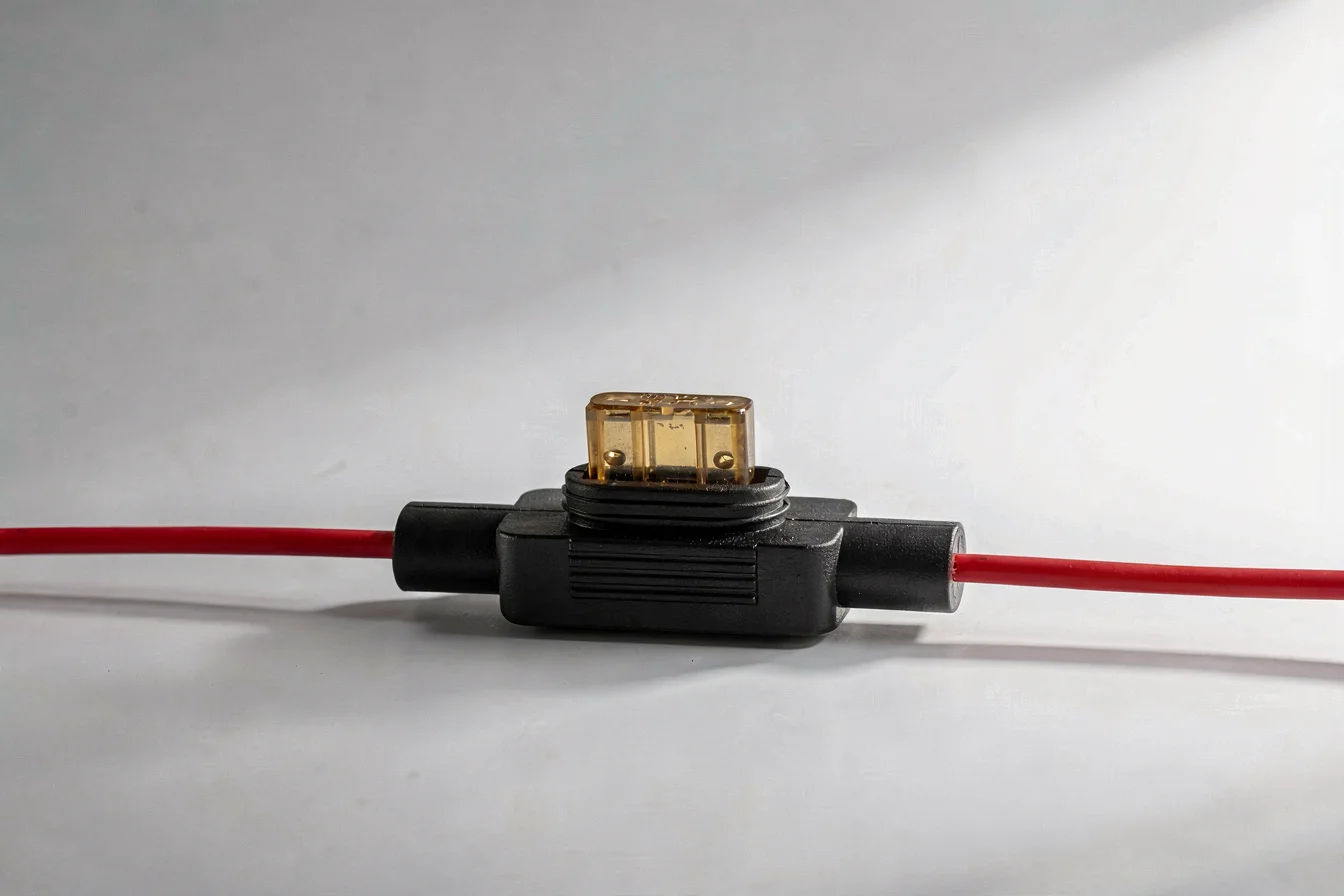
The 13a fuse plug adapter is engineered for high-current devices, providing surge protection and compatibility with UK mains (240V), while the 5a fuse plug adapter is designed for low-power appliances and older equipment. Buyers must understand the core difference: the fuse rating directly impacts both safety and device compatibility. The urgency in procurement arises from the need to prevent under-fusing (risking overload) or over-fusing (compromising safety), as seen in frequent Reddit discussions [5][8].
Technological advances have led to ceramic miniature fuses for both ratings, with 13A adapters typically featuring a breaking capacity of 6kA, while 5A adapters are often used for lighting and small electronics. Traditional challenges include confusion over fuse ratings, mismatched cable thickness, and compliance with BS 1362 standards. Innovations such as integrated strap cord grips and color-coded fuses enhance safety and installation efficiency [2][3].
| Feature | 13A Fuse Plug Adapter | 5A Fuse Plug Adapter |
|---|---|---|
| Current Rating | 13A (up to 3kW) | 5A (up to 1.2kW) |
| Typical Use | Kettles, heaters, appliances | Lights, small electronics |
| Fuse Type | Ceramic miniature, 6kA breaking | Ceramic miniature, 6kA breaking |
| Price (UK retail) | £0.29–£1.59 | £0.43–£0.52 |
| Compliance | BS 1362, UK mains | BS 1362, UK mains |
| Bulk Savings | Yes (10+ units) | Yes (10+ units) |
The 13A adapter offers greater safety and versatility for modern devices, while the 5A version is optimal for low-power, legacy appliances.
Durability is a key concern for both adapters. The 13a fuse plug adapter is built for frequent, high-current use, featuring robust ceramic fuses and reinforced cord grips, ensuring reliability for appliances like kettles and heaters. In contrast, the 5a fuse plug adapter is designed for lower stress, supporting lighting and small electronics with minimal wear. Long-term reliability depends on correct fuse rating, cable thickness, and installation quality. Reddit users warn against mismatched ratings, emphasizing that the fuse must match the appliance's current draw and cable rating [5][8].
Application scenarios vary: 13A adapters are best for kitchen appliances, heating, and power tools; 5A adapters are suited for lamps, chargers, and low-power electronics. Maintenance costs are minimal, but replacement frequency may increase if the wrong fuse rating is used. Hidden costs include potential appliance damage, fire risk, and compliance penalties for improper ratings.
| Cost Factor | 13A Fuse Plug Adapter | 5A Fuse Plug Adapter |
|---|---|---|
| Initial Price (per unit) | £0.29–£1.59 | £0.43–£0.52 |
| Replacement Frequency | Low (if rated correctly) | Low (if rated correctly) |
| Maintenance Cost | Minimal | Minimal |
| Risk of Damage/Fire | Low (if correct rating) | Low (if correct rating) |
| Compliance Penalty | Possible (if wrong rating) | Possible (if wrong rating) |
Correct fuse rating is essential for minimizing long-term costs and ensuring safety; improper ratings can lead to costly replacements or safety hazards.
The core value of 13a fuse plug adapter and 5a fuse plug adapter lies in their ability to protect electrical devices and ensure compliance with UK standards. The urgency for informed procurement is driven by increasing appliance diversity, home upgrades, and regulatory changes. Market trends show sustained demand for both ratings, with 13A adapters gaining momentum as more devices require higher power draw.
Urbanization and multi-generational living are increasing the need for versatile, safe adapters, while e-commerce trends show both ratings in high demand. Procurement strategies must align with local regulations and device compatibility.
Google Trends data reveals nearly equal interest for both adapter types, with slight peaks for 13A adapters during late 2025 and early 2026, indicating ongoing demand for high-power solutions [1].
Search Interest over Time
Interest in both adapter types remains strong, with 13A adapters slightly favored for newer devices and plug upgrades.
Reddit and TikTok discussions reveal frequent confusion and safety concerns around fuse ratings. Users emphasize the importance of matching fuse to appliance current draw and cable rating. Case studies highlight the risks of mismatched ratings and the value of professional advice.
Case Study 1 (Reddit): A user replaced a plug for a heated clothes airer and mistakenly bought a 13A plug, asking if a 5A fuse could be used. The consensus: use the smaller fuse if the cord supports it, but always check appliance specs. This illustrates the real-world risk of mismatched ratings [5].
“Unless the cord is capable of 13 amps you should use the smaller fuse. Go back and get a 5 amp fuse to put in the plug you just bought, then save the 13 amp fuse for later.”
Case Study 2 (Reddit): Another user sought advice on replacing a plug for a washing machine with a 13A plug and fuse. The recommendation: buy a 13A plugtop and fit it with a 10A fuse, matching the original rating [8].
“You need the same [fuse rating]. No, you buy a 13amp plugtop and fit it with a 10amp fuse.”
Sentiment analysis shows high satisfaction when fuse ratings match appliance specs, but frustration and confusion arise when users are unsure or mismatched. Community recommendations rate correct fuse selection as most important, with frequent praise for safety and compliance.
| Dimension | 13A Fuse Plug Adapter | 5A Fuse Plug Adapter |
|---|---|---|
| Overall Satisfaction | High (when rated correctly) | High (when rated correctly) |
| Most Praised Feature | Safety, compatibility | Safety, compatibility |
| Most Common Complaint | Mismatched ratings, confusion | Mismatched ratings, confusion |
| Community Recommendation Rate | 70%+ (for correct use) | 70%+ (for correct use) |
Viral content themes include debates over fuse ratings, DIY advice for plug replacement, and warnings against under-fusing. Cultural reception is generally positive for adapters that prioritize safety and compliance, with frequent calls for professional consultation when in doubt.
Community consensus strongly favors correct fuse rating for both adapter types, with safety and compliance as the top priorities.
Buyers should start by asking key questions: What is the primary use case? What is the appliance’s current draw? What is the cable rating? What is the budget range? What features are must-have versus nice-to-have?
Tiered recommendations:
| Tier | Recommended Product | Key Reason |
|---|---|---|
| Budget-Friendly | 5A Fuse Plug Adapter | Lowest price, ideal for small electronics |
| Mid-Range | 13A Fuse Plug Adapter | Safe for most appliances, bulk savings |
| Premium | 13A Fuse Plug Adapter (with strap cord grip) | Enhanced safety, durability, compatibility |
Optimization tips: Buy during seasonal sales for bulk discounts; prioritize strap cord grip for safety; check appliance specs before purchase; avoid under-fusing or over-fusing; consult professionals for complex installations. Common mistakes: using wrong fuse rating, ignoring cable thickness, neglecting compliance.
Choose the correct adapter rating for your needs, prioritize safety and compliance, and leverage bulk purchasing for cost savings.
Key insights: Fuse rating must match appliance current draw and cable thickness for safety and compliance. Both 13a fuse plug adapter and 5a fuse plug adapter are trending, but 13A adapters are slightly favored for high-power devices and modern upgrades. Procurement strategies should focus on correct rating, durability, and compliance, leveraging bulk discounts and professional consultation when needed.
Forward-looking recommendation: Over the next 6–12 months, expect continued demand for adapters with integrated fuses, enhanced safety features, and compatibility with UK standards. Buyers should stay informed about regulatory changes, prioritize correct fuse ratings, and share experiences to improve community safety knowledge.
Take confident action: Share your adapter experiences, consult professionals for complex installations, and source adapters from trusted wholesale platforms like Alibaba.com for safety and compliance.