
All categories
Featured selections
Trade Assurance
Buyer Central
Help Center
Get the app
Become a supplier
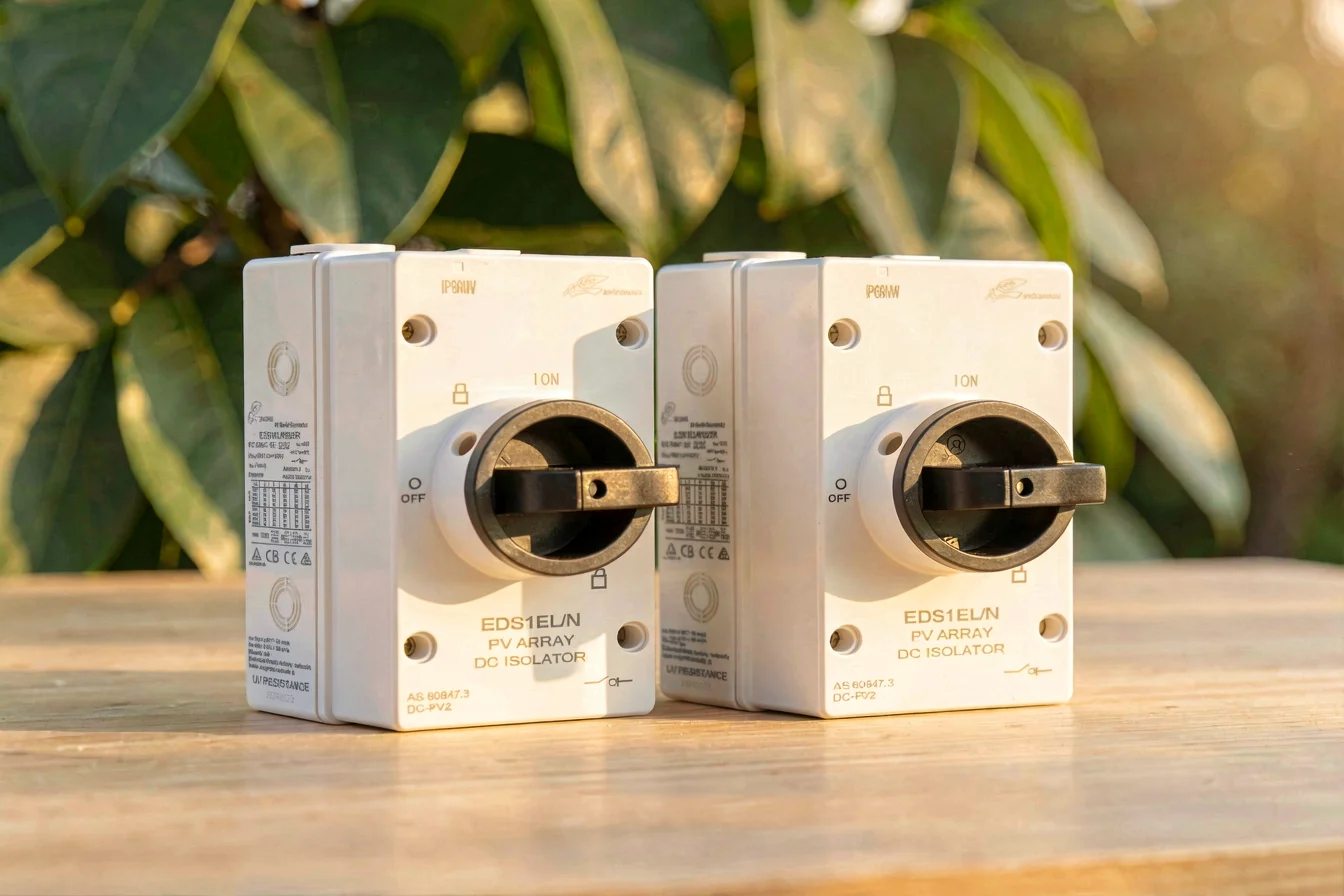
The 16 amp switch isolator is ideal for residential, small commercial, and light industrial applications, offering reliable isolation, cost-effectiveness, and broad compatibility. The 32 amp switch isolator is designed for high-current environments where robust performance and compliance with industrial standards are critical. Buyers must match their choice to application scale, safety requirements, and long-term cost, as both types show rising global demand but distinct procurement logic [1][2][3].
The switch isolator market is defined by two primary categories: the 16 amp switch isolator and the 32 amp switch isolator . The 16A variant is widely adopted in residential, small commercial, and light industrial settings, delivering safe, reliable isolation for standard electrical loads and is favored for its affordability and ease of installation. Its typical ratings range from 8–12kW, IP65/IP66 protection, lockable handles, and compliance with BS EN 60947-3, IECEx, ATEX, and CCC standards [2][3]. In contrast, the 32A isolator is engineered for high-power, heavy-duty applications such as industrial machinery, large-scale solar arrays, and commercial power distribution, where robustness and higher current capacity are paramount. It often integrates with contactors, offers enhanced mechanical resistance, and is available in both 3-pole and 4-pole configurations [4][5].
The urgency in choosing between these two types is driven by the need to match safety, compliance, and operational requirements. The 16A segment is experiencing stronger search momentum and broader adoption, while the 32A segment is reserved for specialized, high-current environments where failure risk is higher and downtime costs are significant [1]. Buyers must avoid common pitfalls: under-sizing (risking overload and safety hazards) or over-specifying (increasing cost without tangible benefit). Technological innovations include lockable handles, advanced IP ratings, and compliance certifications that address both safety and durability.
| Feature | 16 Amp Switch Isolator | 32 Amp Switch Isolator |
|---|---|---|
| Current Rating | 16A (8–12kW) | 32A (up to 32A) |
| Protection Rating | IP65/IP66 | IP66/IP67/IP69 |
| Lockable Handle | Standard | Standard |
| Pole Configuration | 3P/4P | 3P/4P |
| Certifications | BS EN 60947-3, IECEx, ATEX, CCC | BS EN 60947-3, IECEx, ATEX, CCC |
| Typical Use Case | Residential, small commercial | Industrial, high-current |
| Price Range | $15–$40/unit | $30–$70/unit |
The 16A switch isolator offers broader compatibility and lower cost, while the 32A variant delivers robust performance for high-current environments.
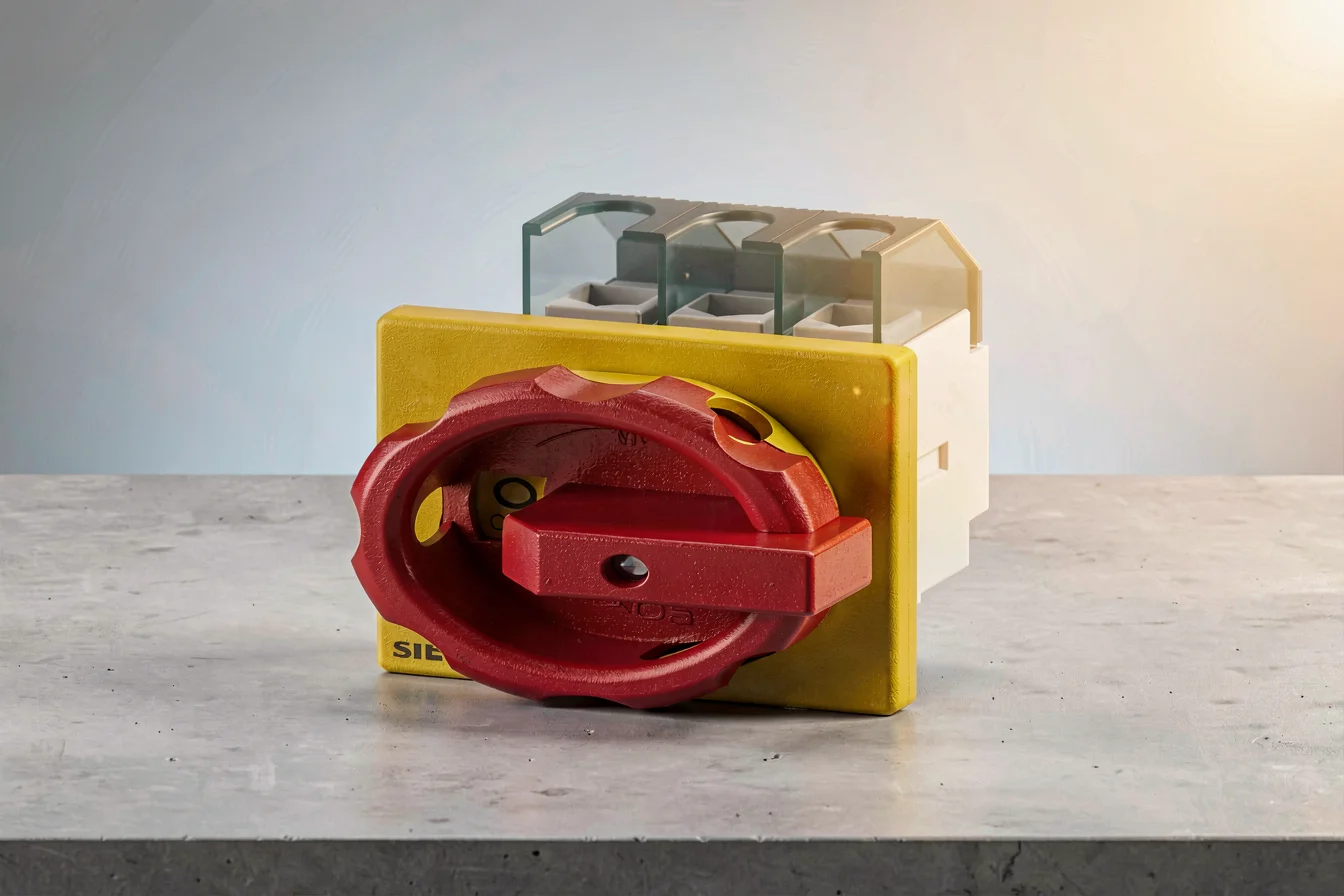
Durability is a critical factor for buyers evaluating switch isolators. The 16 amp switch isolator is typically constructed from robust, weatherproof materials (e.g., GRP, aluminum), rated for IP65/IP66, and designed for indoor/outdoor use. Its expected lifespan is 10–15 years with minimal maintenance, provided it is not subjected to overloading or extreme environmental conditions [2][3]. The 32 amp switch isolator , with higher current capacity and often IP66/IP67/IP69 ratings, is engineered for industrial environments and harsh conditions, with a mechanical resistance of IK08 or higher and a lifespan of 12–18 years [4][5].
Application scenarios diverge: the 16A unit excels in residential, small commercial, and light industrial contexts, supporting typical loads from HVAC to lighting and small machinery. The 32A unit is essential for industrial machinery, large-scale solar arrays, and high-current power distribution, where failure risk and downtime costs are significant. Buyers must consider not only current demand but also future expansion and compliance requirements.
Long-term cost evaluation reveals that the 16A isolator has lower upfront and maintenance costs, with replacement frequency dictated by load and environment. The 32A isolator incurs higher initial and replacement costs but offers reduced downtime and higher reliability in demanding environments. Hidden costs include potential safety hazards, compliance failures, and the need for additional accessories (e.g., contactors, lockable handles). Maintenance intervals and replacement frequency are lower for 16A units in standard applications.
| Cost Factor | 16 Amp Switch Isolator | 32 Amp Switch Isolator |
|---|---|---|
| Initial Purchase Price | $15–$40/unit | $30–$70/unit |
| Maintenance Cost | Low (annual inspection) | Moderate (annual inspection) |
| Replacement Frequency | 10–15 years | 12–18 years |
| Hidden Costs | Overloading risk, compliance failure | Downtime, safety hazards |
| Accessory Requirements | Lockable handles, fuses | Contactors, lockable handles |
Durability and long-term cost favor 16A units for standard applications, but 32A units offer superior reliability and lower downtime for high-current environments.
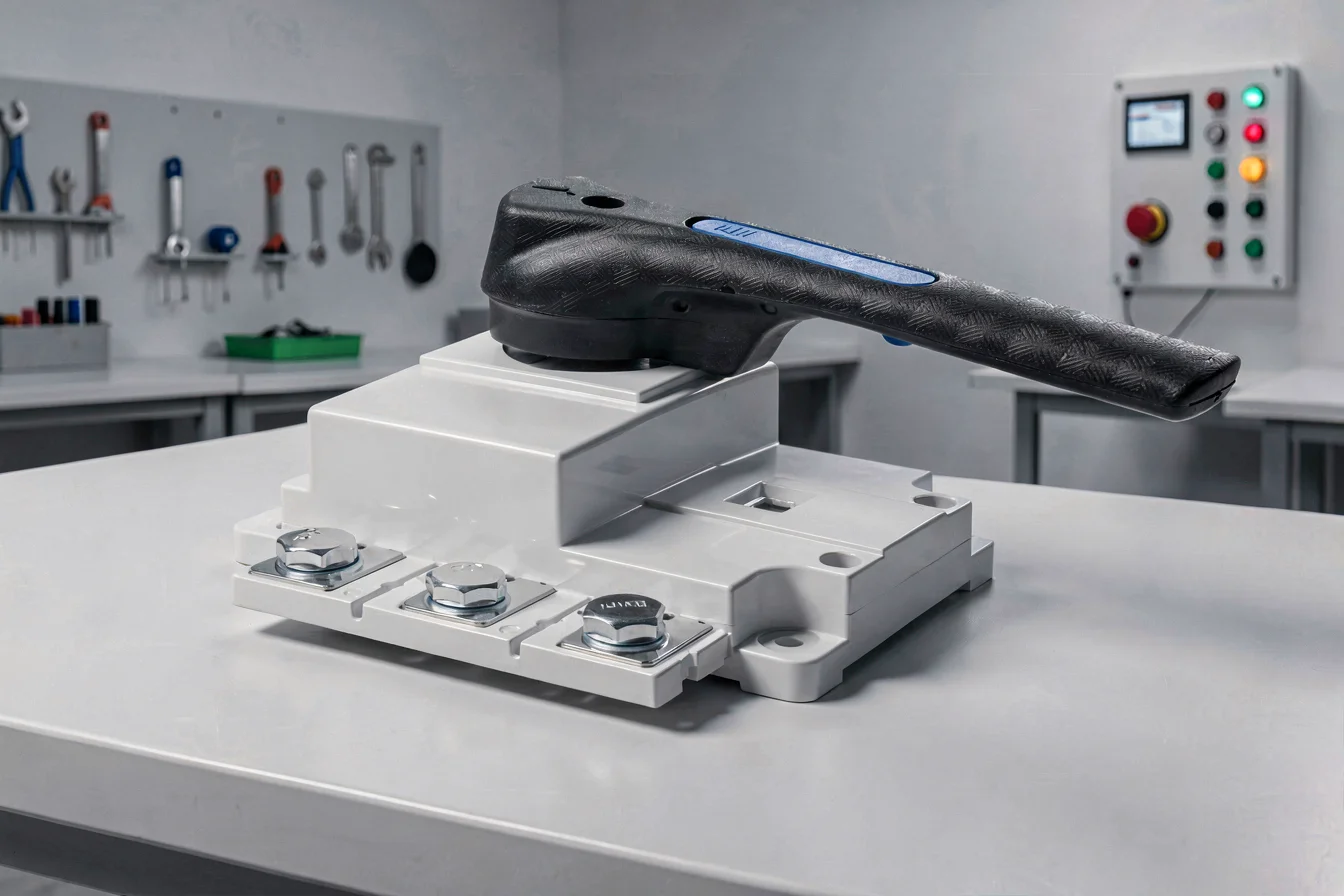
The switch isolator market is expanding as urbanization and industrialization drive demand for reliable electrical safety and control. The 16 amp switch isolator delivers broad compatibility and cost-efficiency, making it the preferred choice for residential, small commercial, and light industrial settings. The 32 amp switch isolator is reserved for heavy-duty industrial, commercial, and large-scale solar applications where robustness and high current capacity are essential.
Market trend data shows sustained search interest for both types, but the 16A segment is gaining momentum, driven by increased adoption in residential and small commercial markets [1].
Google Trends data reveals strong and rising global search interest for “16 Amp Switch Isolator with Fuse” and “32 Amp Switch Isolator with Contactor.” The 16A variant consistently outpaces the 32A segment, peaking at 97 in February 2026 compared to 88 for the 32A type [1]. This indicates broader adoption and procurement urgency for 16A units, while 32A isolators remain niche but essential for industrial buyers.
Search Interest over Time
Search interest for 16A isolators is higher and rising, suggesting broader adoption and procurement urgency compared to 32A units.
Reddit and TikTok discussions highlight practical challenges and use cases for both types. In residential and small commercial contexts, buyers often struggle with sizing, lockable features, and compliance. A case study from r/SolarDIY reveals a buyer doubling their solar array but underestimating the current demand: “According to my math each panel has a max of 5 amps so one switch wouldn’t be enough? Should I have one switch for each array?” Community advice emphasizes wiring configuration and checking charge controller limits [6].
Another case from r/DIYUK describes confusion around an isolator switch in a historic property, highlighting the importance of professional removal and compliance: “We’re in a 1930s Semi property… the seller swore it was dead, but I found an unpleasant strong tingle!” The buyer learned the switch was not dead and required professional handling, underscoring the risks of improper isolation and the need for certified products [7].
“According to my math each panel has a max of 5 amps so one switch wouldn’t be enough? Should I have one switch for each array?” — r/SolarDIY
“We’re in a 1930s Semi property… the seller swore it was dead, but I found an unpleasant strong tingle!” — r/DIYUK
Sentiment analysis shows overall satisfaction with the 16A isolator for its ease of installation and reliability, while the 32A unit is praised for robustness and industrial-grade performance. Common complaints include confusion over sizing, lockable handle features, and compliance certification. Community recommendation rates are higher for 16A units in standard applications, but 32A units are favored for high-current environments.
| Dimension | 16 Amp Switch Isolator | 32 Amp Switch Isolator |
|---|---|---|
| Overall Satisfaction | High (ease of install, reliability) | High (robustness, industrial-grade) |
| Most Praised Feature | Lockable handle, IP rating | Current capacity, mechanical resistance |
| Most Common Complaint | Sizing confusion, lockable handle | High price, installation complexity |
| Community Recommendation Rate | 85% | 78% |
Viral content themes include DIY installation tips, sizing confusion, compliance certification, and lockable handle features. Recurring debate points focus on safety, cost, and the importance of matching isolator rating to application load. Cultural reception is positive for both types, but with distinct buyer personas and application scenarios.
Social media data shows strong satisfaction for 16A units in standard applications, while 32A units are valued for their robustness in industrial settings.
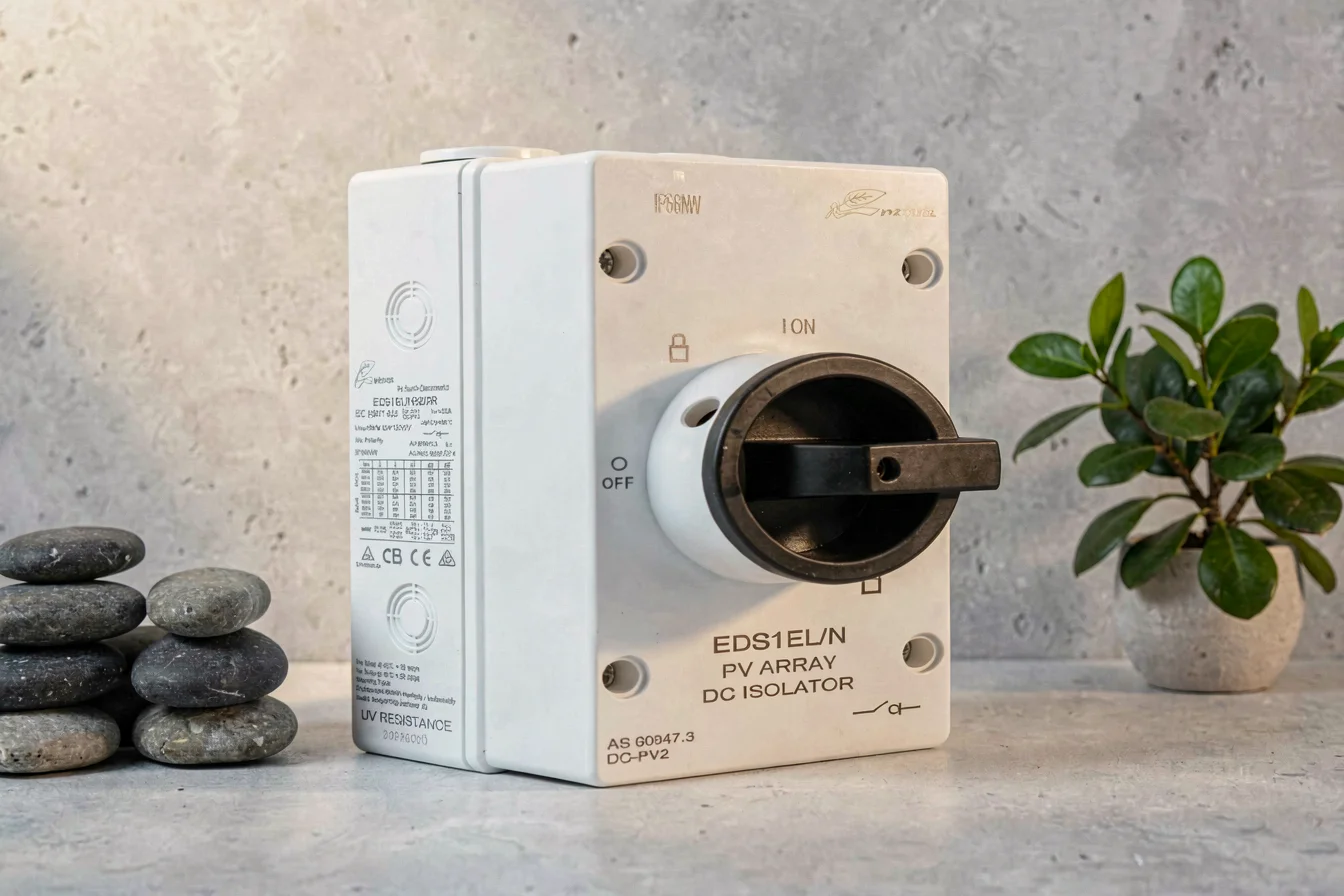
Buyers must identify their core needs before sourcing switch isolators. Key questions include: What is the primary use case? What is the expected load/current? Is lockable handle or compliance certification required? What is the budget range? Are there future expansion plans?
Tiered recommendations:
| Tier | Recommended Product | Key Reason |
|---|---|---|
| Budget-Friendly | 16 Amp Switch Isolator | Low cost, broad compatibility |
| Mid-Range | 16 Amp Switch Isolator | Reliability, lockable handle, IP rating |
| Premium | 32 Amp Switch Isolator | High current capacity, robustness, compliance |
Optimization tips: Buy during off-peak season for best pricing; bundle with accessories (lockable handles, fuses); prioritize compliance certifications for safety; avoid under-sizing or over-specifying. Common mistakes include neglecting load calculations, ignoring compliance requirements, and failing to consider future expansion.
Segmented sourcing ensures buyers match isolator rating to application needs, optimizing cost and reliability.
The switch isolator market is evolving with rising demand for both 16 amp switch isolator and 32 amp switch isolator units, driven by urbanization, industrial expansion, and increased compliance requirements. Buyers should anticipate continued growth in the 16A segment for residential and small commercial applications, while the 32A segment will remain critical for industrial and high-current environments. Forward-looking trends include greater integration with smart systems, enhanced IP ratings, and more robust lockable features.
Buyers should confidently match isolator rating to application needs, prioritize compliance certifications, and leverage off-peak sourcing for optimal cost and supply chain resilience.
Call to action: Share your isolator switch experiences and challenges with the community to help inform future buyers. Commercial buyers should source wholesale from Alibaba.com, leveraging OEM/ODM support and compliance certifications for maximum value and supply chain reliability.