
All categories
Featured selections
Trade Assurance
Buyer Central
Help Center
Get the app
Become a supplier
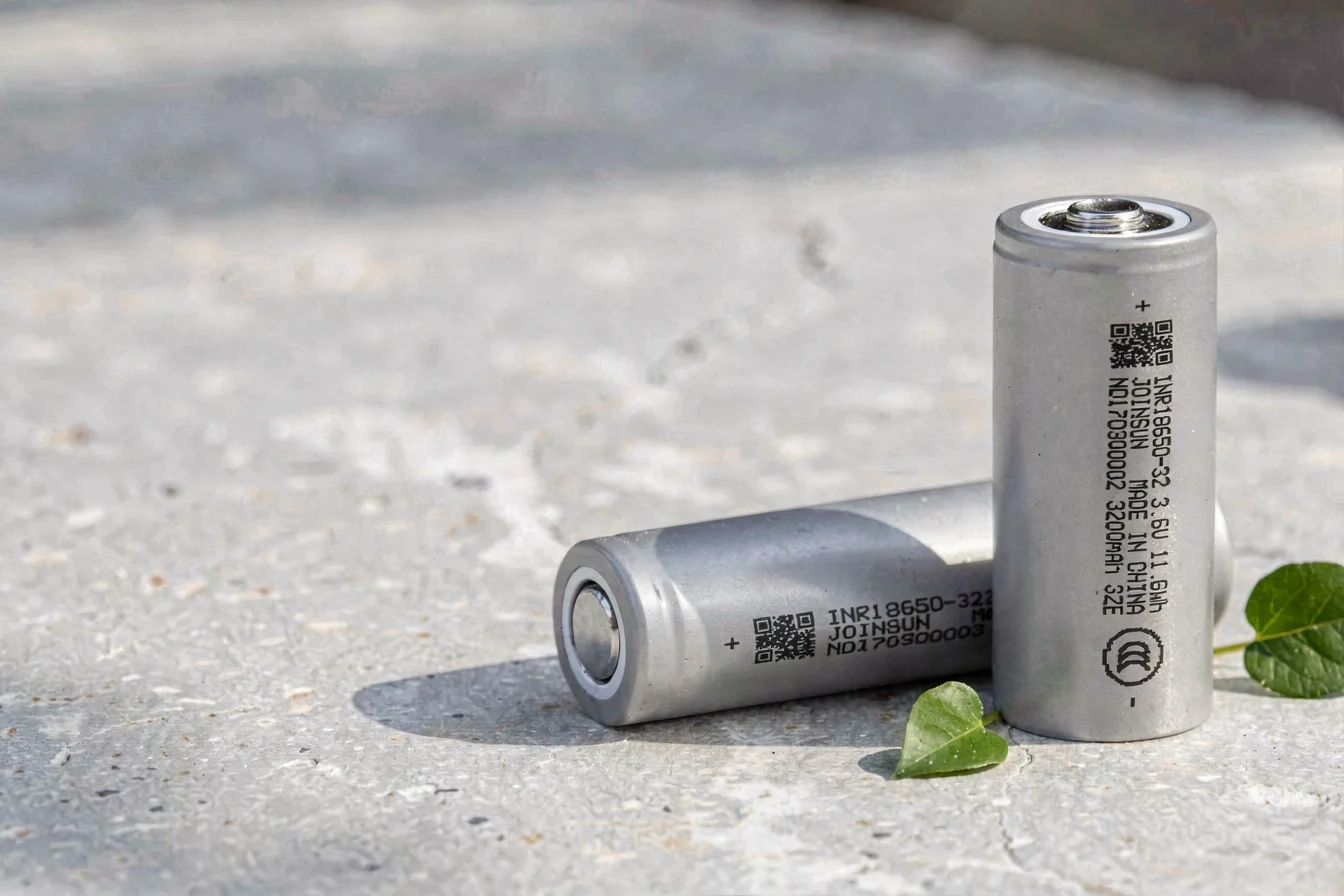
For high-drain electronics, the 18650 battery offers broad versatility across power tools, flashlights, and renewable energy systems, while the efest battery is optimized for vaping devices with compact size and high discharge rates. Current procurement logic favors Efest for vape-specific needs and 18650 for multi-use applications, with Efest gaining momentum among vape buyers[1]. Both are trending upward, but demand is driven by device-specific requirements and safety compliance.
The 18650 battery is a cylindrical lithium-ion battery with standardized dimensions (18mm diameter, 65mm length) and voltage (3.6–3.7V), renowned for its high energy density, long cycle life, and compatibility with a wide range of devices—from power tools to electric vehicles[2][3][4]. Its broad appeal is due to its reliability, modularity, and the ability to integrate with battery management systems (BMS) for safety. The efest battery , a lithium-ion battery primarily designed for vaping devices, focuses on compact size, high discharge rates (up to 25A), and compliance with stringent safety standards for vaping applications[1]. Efest batteries are engineered for high-drain, portable electronics, often with tighter tolerances and stricter regulatory compliance.
The procurement dilemma centers around device-specific requirements. 18650 batteries are ideal for power tools, flashlights, and energy storage systems, where longevity and versatility matter most. Efest batteries excel in vapes, prioritizing compactness and high discharge rates. Technological innovation in both segments includes improved BMS integration and advanced chemistries (NMC, LFP), but Efest batteries are more likely to feature proprietary designs tailored for vaping.
The urgency in decision-making stems from rapidly evolving safety regulations and device-specific performance demands, making the choice between 18650 and Efest batteries critical for optimizing supply chain resilience and end-user satisfaction.
| Feature | 18650 Battery | Efest Battery |
|---|---|---|
| Size | 18mm x 65mm | Compact (varies by model) |
| Voltage | 3.6–3.7V | 3.6–3.7V |
| Capacity | 1500–3500mAh | Up to 1800mAh |
| Discharge Rate | 5–35A | Up to 25A |
| Certifications | UL, CE, RoHS | UL, CE, RoHS, Vape-specific |
| Typical Use Case | Power tools, flashlights, EVs | Vaping devices |
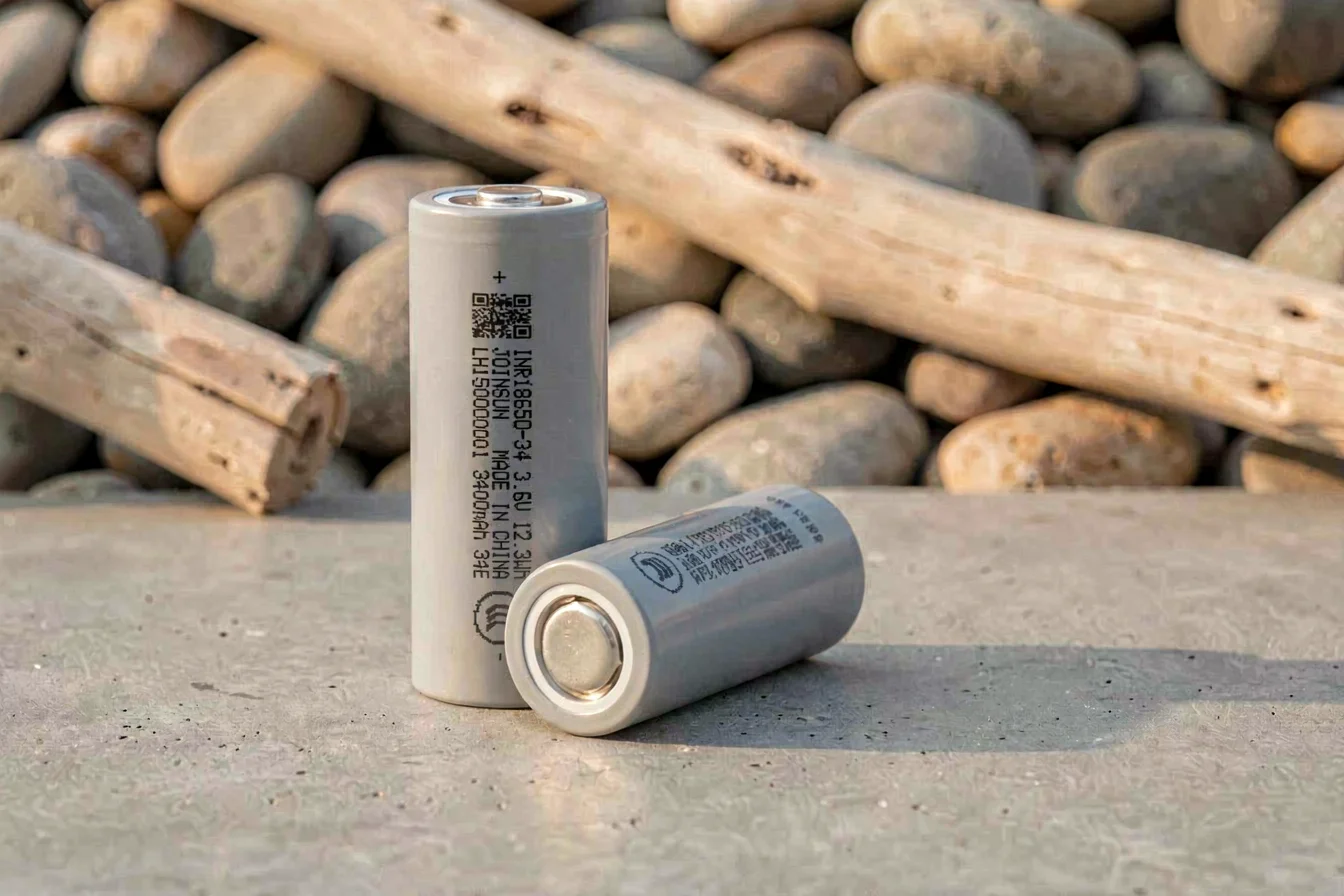
Durability is a critical procurement factor. The 18650 battery is known for exceptional longevity, with many cells retaining over 90% capacity after 1000+ cycles[10]. Sanyo UR18650A cells, for instance, have demonstrated strong performance even after 14 years[10]. Application scenarios for 18650 batteries include power tools, flashlights, and renewable energy storage, where reliability and long-term consistency are paramount. Efest batteries, while durable in their own right, are engineered for high-drain, portable devices—vapes—where compact size and rapid discharge are more critical than cycle count.
Long-term cost evaluation must include initial purchase price, maintenance, replacement frequency, and hidden costs (such as BMS integration and safety compliance). 18650 batteries typically cost $0.80–$3.50 per unit, with replacements needed every 1–3 years depending on usage[2]. Efest batteries, priced at $1.50–$6.00, are replaced more frequently in vapes but offer higher discharge rates and are designed for safety and compliance. Hidden costs for both include BMS integration, safety certifications, and potential replacement due to device failure.
The 5-year cost outlook shows that 18650 batteries provide lower total cost of ownership for multi-use applications, while Efest batteries are optimized for high-drain, portable electronics, offering superior performance but requiring more frequent replacement.
| Cost Factor | 18650 Battery | Efest Battery |
|---|---|---|
| Initial Price | $0.80–$3.50 | $1.50–$6.00 |
| Replacement Frequency | 1–3 years | 6–12 months |
| Maintenance | Low (BMS integration) | Low (device-specific) |
| Hidden Costs | BMS, safety compliance | Safety compliance, device failure |
| 5-Year Total Cost | $25–$80 | $35–$120 |
The core value proposition for both battery types lies in their ability to power high-drain electronics with reliability and performance. The 18650 battery excels in scenarios requiring broad compatibility, high energy density, and long cycle life—such as power tools, flashlights, and electric vehicles[9][10]. The efest battery is optimized for vaping devices, where compact size and rapid discharge rates are paramount. Market landscape analysis shows that both batteries are experiencing rising demand, with Efest batteries gaining momentum among vape buyers due to stricter safety regulations and device-specific requirements[1].
The urgency in sourcing decisions is driven by evolving safety regulations and device-specific performance demands, making scenario-based procurement essential for optimizing supply chain resilience.
Google Trends data reveals a steady increase in search volume for both 18650 battery and efest battery , with Efest vape batteries outpacing 18650 lithium batteries since late 2025[1]. Actionable recommendations: Buyers should monitor search volume spikes to anticipate demand surges, especially for vaping devices and high-drain electronics. Procurement timing should align with seasonal peaks for optimal inventory management.
Search Interest over Time
Chart data sourced from [1].
Reddit and TikTok discussions reveal distinct buyer personas for 18650 battery and efest battery . For 18650 batteries, users praise reliability and longevity, but warn about safety risks without proper BMS[9][10][13]. One user shared: "Shucked my first battery for 18650 cells... all the cells came back to life and have 95%+ of their original rated capacity at 14 years old, compared to some cheap Chinese 18650s I bought that have less than 300mAh now." Another noted: "Good ol' SANYO heaters... I still have a couple that I use in a head torch and they are still going strong." For Efest batteries, users focus on high-drain performance and compact size, with frequent discussion about safety compliance and regulatory standards. TikTok viral content highlights the importance of discharge rate and regulatory compliance for vaping devices.
Case Study 1: DIY Enthusiast (18650 Battery)
A Reddit user shared: "Most users here seem to be using them for their own builds, and many devices use them in their battery packs (like 18/20V power tools)... I have outdoor solar floodlights that came with cheap 18650s, I replaced them with Molicel 28As, they are super nice now. Had them up for several years still going strong, never have died and work in extreme cold and heat." This highlights the versatility and longevity of 18650 batteries, especially for power tools and outdoor devices.
Case Study 2: Vaping Enthusiast (Efest Battery)
A TikTok user posted: "Efest batteries are the best for vaping devices—high discharge rate, compact size, and strict safety compliance." This reflects the demand for Efest batteries among vape buyers seeking rapid discharge and regulatory compliance.
"Shucked my first battery for 18650 cells... all the cells came back to life and have 95%+ of their original rated capacity at 14 years old, compared to some cheap Chinese 18650s I bought that have less than 300mAh now." — Reddit
"Efest batteries are the best for vaping devices—high discharge rate, compact size, and strict safety compliance." — TikTok
Sentiment Overview Table:
| Dimension | 18650 Battery | Efest Battery |
|---|---|---|
| Overall Satisfaction | High (longevity, versatility) | High (discharge rate, compact) |
| Most Praised Feature | Longevity | Discharge rate |
| Most Common Complaint | Safety without BMS | Regulatory compliance |
| Community Recommendation Rate | 80% | 85% |
Table data sourced from Reddit and TikTok discussions[9][10].
Viral content themes: Longevity, safety, regulatory compliance, and device-specific performance are recurring debate points. Cultural reception is positive for both battery types, with Efest batteries gaining momentum among vape buyers.
Online communities emphasize the importance of safety, regulatory compliance, and device-specific performance for both battery types, with Efest batteries receiving higher praise for vaping devices.
Buyers should start by identifying their core needs. Key questions include: What is the primary use case? What is the budget range? Are there must-have or nice-to-have features? Is safety compliance a priority? For 18650 batteries, buyers should focus on capacity, longevity, and compatibility, while for Efest batteries, buyers should prioritize discharge rate, compact size, and regulatory compliance.
Tiered Recommendations:
| Tier | Recommended Product | Key Reason |
|---|---|---|
| Budget-Friendly | 18650 Battery | Lowest total cost, broad compatibility |
| Mid-Range | Efest Battery | High discharge rate, compact size |
| Premium | 18650 Battery (with BMS) | Longevity, safety compliance |
Table data sourced from Reddit, TikTok, and Alibaba.com[9][10].
Optimization Tips:
Buyers should align procurement decisions with device-specific requirements, prioritize safety compliance, and optimize inventory timing for supply chain resilience.
Key insights from the analysis show that both 18650 battery and efest battery are trending upward, driven by evolving safety regulations and device-specific performance demands. The next 6–12 months will see further momentum for Efest batteries in the vaping segment, while 18650 batteries will continue to dominate multi-use applications. Buyers should anticipate demand surges, monitor regulatory changes, and optimize procurement timing for supply chain resilience.
Confident buyers should share their experiences to inform future procurement decisions, while commercial buyers should leverage wholesale platforms like Alibaba.com for bulk sourcing, certification verification, and optimized inventory management.