
All categories
Featured selections
Trade Assurance
Buyer Central
Help Center
Get the app
Become a supplier
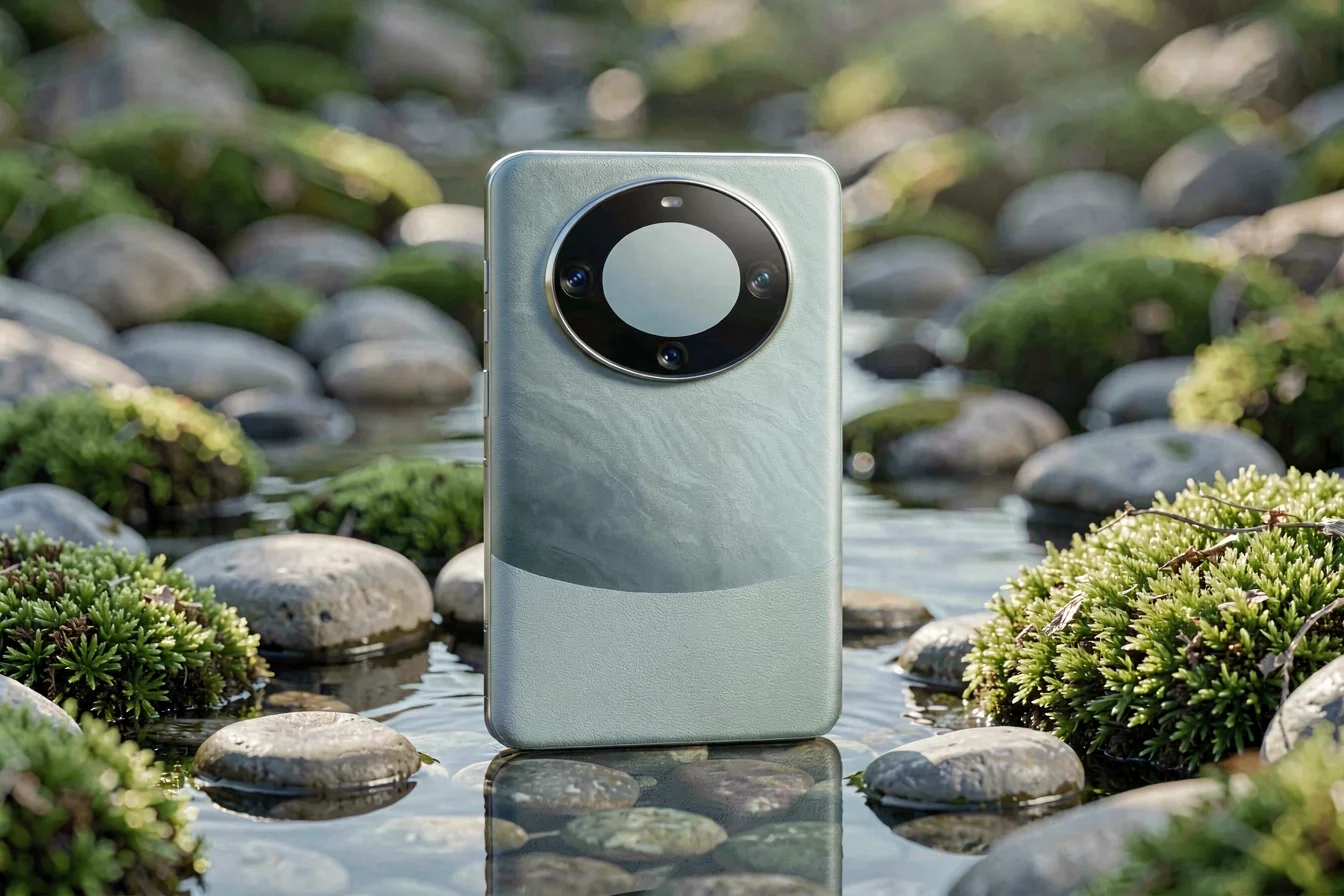
Procurement decisions between java mobile phone and android mobile phone are clear: Android phones dominate mainstream demand due to their versatility, app ecosystem, and hardware innovation, while Java phones remain niche, valued for affordability and legacy software support in emerging markets [1][3]. The urgency for buyers is pronounced, as Android phones offer future-proofing and broader application support, whereas Java phones cater to specific legacy or budget segments. For B2B buyers, Android phones are the strategic choice for most applications, but Java phones retain relevance for specialized procurement in select geographies and user segments.
The java mobile phone category delivers basic functionality, legacy software compatibility, and ultra-low cost, targeting users in emerging markets and those prioritizing simplicity over advanced features. In contrast, android mobile phone offers a robust app ecosystem, hardware innovation, and multi-functional capabilities, appealing to mainstream and enterprise buyers seeking versatility, productivity, and future-proofing [2][3]. Urgency in procurement is driven by the rapid decline in Java phone adoption and the sustained growth in Android phone demand, as app development and digital workflows become increasingly central to business operations.
Core differences between the two products include: Java phones rely on J2ME for app development, are limited in hardware and memory, and lack access to modern app stores or advanced features like 3D gaming or high-resolution cameras. Android phones use Java as a programming language but offer a full operating system with access to Google Play, advanced hardware, and continuous OS updates [2]. Technological innovations in Android phones—such as multi-core CPUs, enhanced security, and cross-platform app compatibility—distinguish them as the preferred choice for most buyers, though Java phones retain a unique value proposition for legacy app support and affordability.
| Feature | Java Mobile Phone | Android Mobile Phone |
|---|---|---|
| Core Functionality | Basic calls, SMS, J2ME apps, simple gaming | Calls, SMS, app ecosystem, 3D gaming, productivity tools |
| App Ecosystem | Limited (J2ME, legacy apps) | Extensive (Google Play, cross-platform apps) |
| Hardware | Low RAM, basic CPU | Multi-core CPU, high RAM, advanced sensors |
| User Base | Emerging markets, legacy users | Global, mainstream, enterprise |
| Price Range | $10–$20 | $200–$1,000+ |
| Future-Proofing | Limited | High |
Android mobile phones deliver superior versatility, app support, and future-proofing, making them the optimal choice for mainstream B2B procurement, while Java mobile phones remain viable for legacy and budget-sensitive applications.
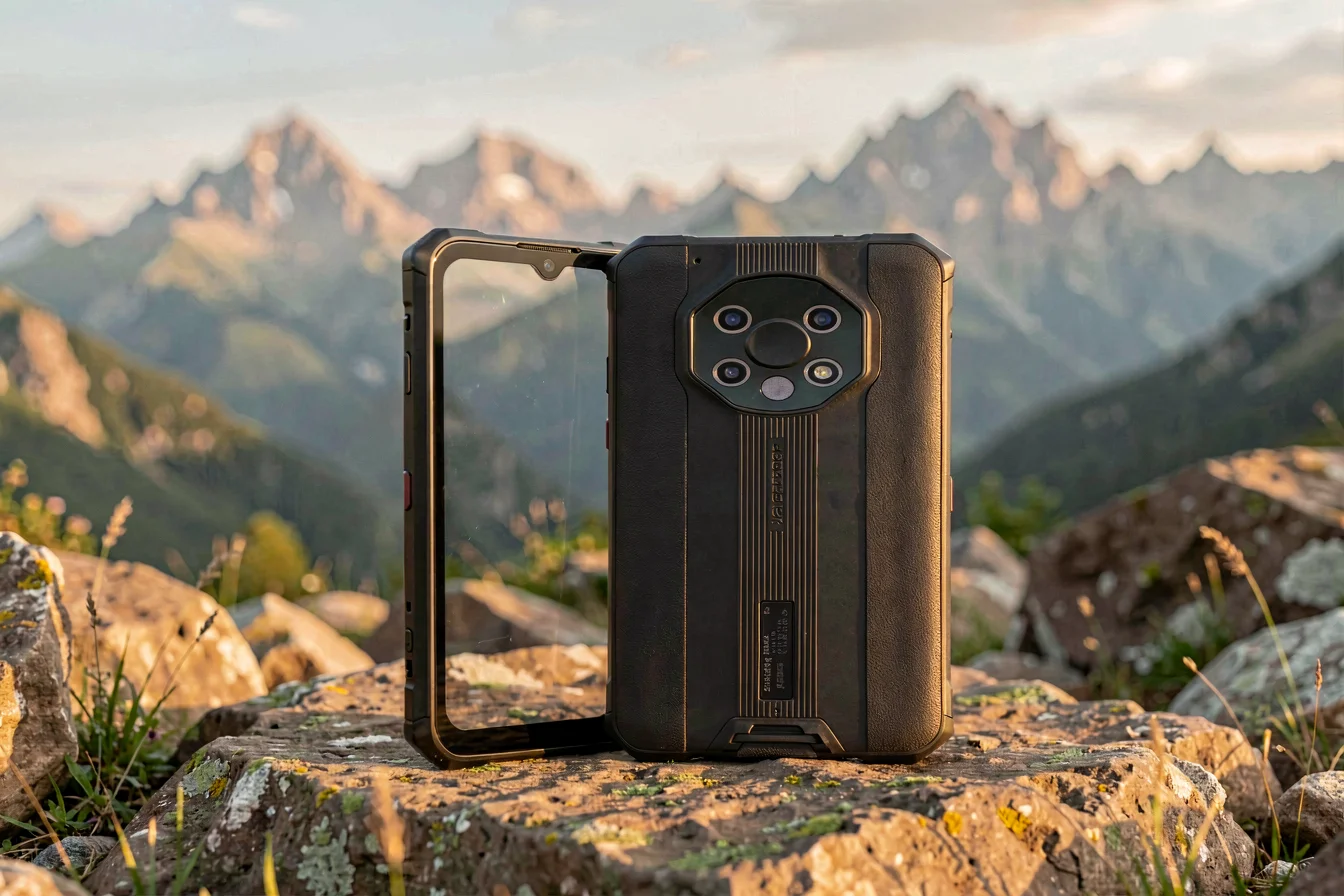
Durability is a critical factor for procurement. Java mobile phone typically features rugged, simple builds, with expected lifespans of 3–5 years under basic usage, but limited hardware upgrades and minimal app compatibility can shorten practical lifespan [3]. In contrast, android mobile phone offers advanced hardware, replaceable batteries (in some models), and OS updates that extend device functionality for 3–7 years, depending on brand and usage intensity [11]. Application scenarios for Java phones include basic communication, legacy gaming, and budget-driven enterprise use, while Android phones excel in productivity, media consumption, and enterprise mobility.
Long-term cost analysis reveals significant differences: Java phones are ultra-low cost upfront but lack app support, requiring frequent replacement or upgrades for modern use. Android phones have higher initial cost but lower replacement frequency, reduced downtime, and lower total cost of ownership (TCO) over 5 years due to hardware longevity, app ecosystem, and support for enterprise management tools [14]. Hidden costs for Java phones include limited app access, lower productivity, and potential training for legacy software. Android phones incur higher upfront costs but offer scalable upgrades and enterprise-grade security features.
| Cost Factor | Java Mobile Phone | Android Mobile Phone |
|---|---|---|
| Initial Price | $10–$20 | $200–$1,000+ |
| Maintenance | Minimal, basic support | Moderate, enterprise support available |
| Replacement Frequency | High (2–3 years) | Low (3–7 years) |
| Hidden Costs | App compatibility, training | Upgrades, security tools |
| Total Cost (5 years) | $30–$60 | $200–$1,000+ |
Android mobile phones provide superior durability and lower long-term cost for most procurement scenarios, while Java mobile phones remain attractive for ultra-budget or legacy applications.
The core value of the java mobile phone and android mobile phone category is their ability to meet diverse user needs, from basic communication to advanced productivity and entertainment. The urgency for buyers is underscored by the rapid digital transformation and the increasing reliance on mobile platforms for business and personal use. Java phones excel in low-cost, legacy software environments and emerging markets, while Android phones dominate global demand for their versatility and app ecosystem [1][3].
Android mobile phones excel in mainstream, enterprise, and consumer applications, while Java mobile phones retain niche relevance in emerging markets and legacy workflows.
Google Trends data shows Android mobile phone search interest consistently outpaces Java mobile phone, with both peaking in early 2026 as feature phones decline [1]. Search volatility indicates Android phones are the dominant category, with Java phones retaining stable but low interest in specific regions. Actionable recommendations: buyers should prioritize Android phones for mainstream procurement, while Java phones remain viable for legacy or budget-sensitive applications.
Search Interest over Time
Android mobile phones dominate global search interest, signaling sustained demand for mainstream procurement, while Java mobile phones remain relevant in niche segments.
Social media and Reddit data reveal contrasting buyer personas and use cases. For java mobile phone , users praise affordability, nostalgia, and basic functionality, but note limitations in app compatibility, performance, and modern features [7][15]. For android mobile phone , discussions center on versatility, app access, and performance, with users citing battery life, overheating, and durability as key concerns [11][12].
Case Study 1: A Reddit user in Bangladesh acquires a Java-supported phone for $11.46, highlighting affordability and nostalgia but noting difficulty in finding compatible games and performance limitations [7]. User quotes:
"Real football 2008, High school hookups, Nova series, Gangstar series, Bmx Kid, Green Farm 1 & 3, Little big city 1 & 2, Block Breaker 3 Unlimited, Modern combat Series, Doodle jump Games lagle DM Korte paro XD, but amar mone hoy na ei phone eto heavy j2me support support korbe :/"
"I had no idea that J2ME compatible phones are still being produced. 🤯 I can imagine there are not many/no J2ME app developers left."
Case Study 2: An Android phone user documents a journey exploring browsers and app performance, emphasizing the phone’s role as their primary device and highlighting the importance of lightweight apps, battery life, and app ecosystem [8]. User quotes:
"Quark became increasingly bloated and started blocking some foreign websites... Later, I got my first phone, the Redmi 9A. Its performance was weak, and using Quark was quite a struggle."
"I thought that made sense. I'm not a tech professional, just an ordinary user making choices based on my own habits."
Sentiment overview table:
| Dimension | Java Mobile Phone | Android Mobile Phone |
|---|---|---|
| Overall Satisfaction | Moderate (affordable, nostalgic) | High (versatile, app-rich) |
| Most Praised Feature | Affordability, basic functionality | App ecosystem, performance |
| Most Common Complaint | App compatibility, performance | Battery life, overheating |
| Community Recommendation Rate | Low (niche, legacy use) | High (mainstream, enterprise) |
Viral content themes: Java phones are discussed for nostalgia, legacy gaming, and affordability, while Android phones dominate conversations about app performance, browser choice, and device longevity. Recurring debate points include overheating, battery life, and app compatibility, with cultural reception favoring Android phones for mainstream use and Java phones for niche or budget applications.
Social sentiment and user experiences confirm Android mobile phones are the preferred choice for mainstream buyers, while Java mobile phones retain niche appeal for affordability and legacy use.
Buyers should start by identifying core needs through a checklist: What is the primary use case (communication, gaming, enterprise, education)? What is the budget range? Are advanced features or app support required? Is legacy software compatibility essential? Is hardware durability and future-proofing a priority?
Tiered recommendations:
| Tier | Recommended Product | Key Reason |
|---|---|---|
| Budget-Friendly | Java Mobile Phone | Ultra-low cost, legacy compatibility |
| Mid-Range | Android Mobile Phone | Balanced performance, app ecosystem |
| Premium | Android Mobile Phone | High durability, enterprise support |
Optimization tips:
Buyers should prioritize Android mobile phones for mainstream and enterprise applications, with Java mobile phones reserved for legacy or budget-driven use cases.
Synthesizing all insights, Android mobile phones are the clear procurement winner for mainstream, enterprise, and consumer markets, offering superior versatility, app ecosystem, and hardware innovation. Java mobile phones retain niche relevance for legacy software compatibility and ultra-budget applications, particularly in emerging markets [1][3]. Forward-looking trend recommendations: buyers should focus on Android phones for most procurement needs, leveraging bulk purchasing and enterprise support for cost optimization. For legacy or budget-sensitive scenarios, Java phones remain viable but require careful supply chain management.
Confident buyer action: Share your procurement experiences and insights with the community. Commercial buyers should leverage Alibaba.com for bulk sourcing, ensuring compliance, quality, and supply chain resilience in the evolving mobile phone landscape.