
All categories
Featured selections
Trade Assurance
Buyer Central
Help Center
Get the app
Become a supplier
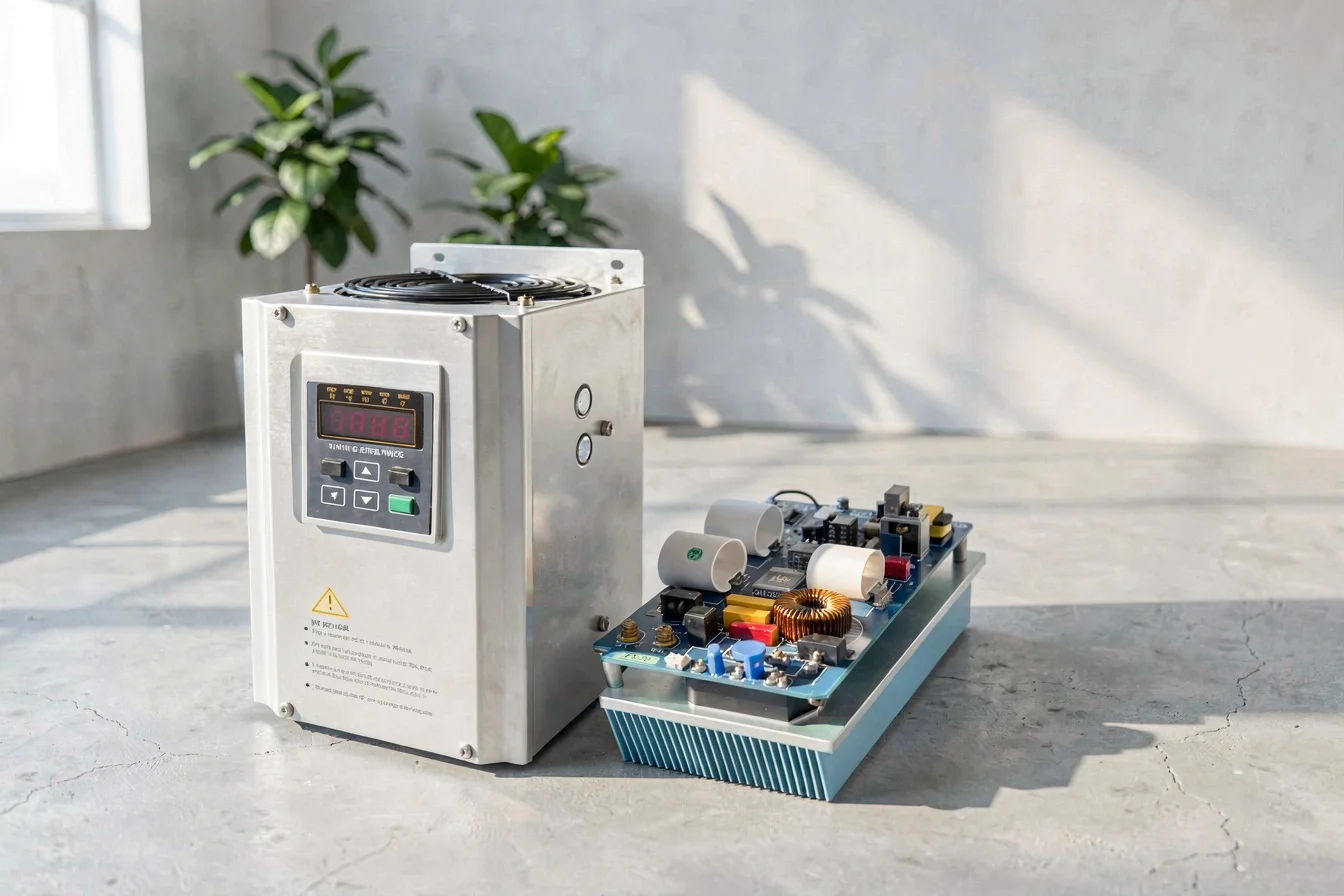
For most industrial buyers, a 20kw induction heater is the preferred choice for rapid heating and batch processing due to its higher capacity and throughput. However, a 10kw induction heater remains cost-effective and practical for lighter-duty and frequent use cases. Match wattage to workload intensity and operational budget for optimal procurement outcomes.
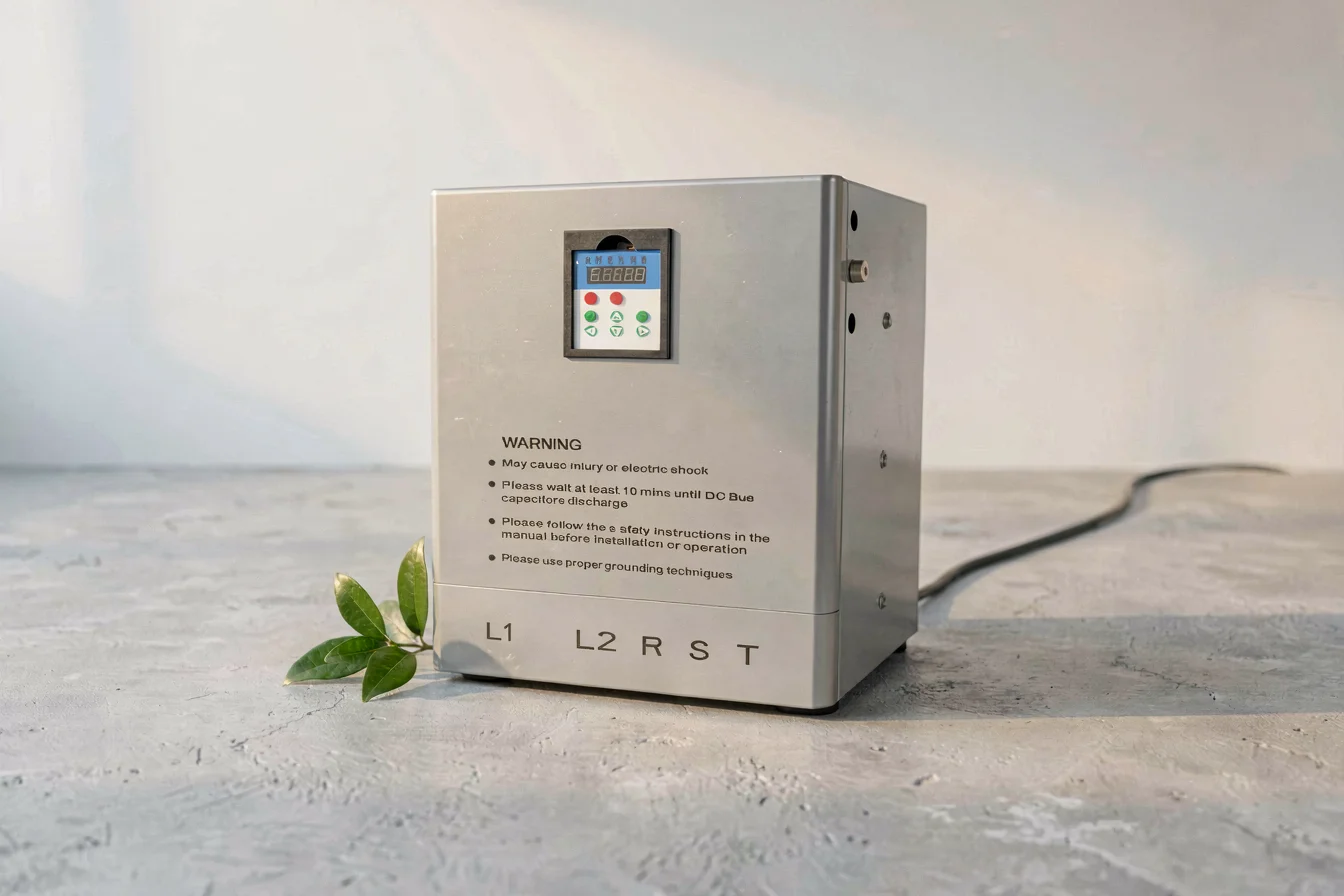
The primary value of induction heaters lies in their ability to deliver precise, rapid heating for industrial and commercial applications. A 10kw induction heater is ideal for smaller batches, lighter metals, and frequent, low-intensity tasks, while a 20kw induction heater excels in larger-scale operations, heavier metals, and time-critical batch processing. Buyers must weigh the urgency of heating speed, energy consumption, and maintenance requirements against initial investment and operational cost.
Both heater types address the pain points of traditional heating methods—slow warm-up, uneven heat distribution, and energy waste—by delivering targeted electromagnetic heating. However, the 20kw induction heater can heat larger volumes or denser materials in less time, making it indispensable for manufacturing, metalworking, and logistics sectors. The 10kw induction heater is favored for smaller workshops, maintenance, and frequent, repetitive jobs where high power is not always necessary.
Technological innovations include advanced coil designs, digital controls, and energy-saving features, with recent models offering improved safety and automation. The 20kw induction heater is often equipped with more robust cooling systems and larger coil assemblies, while the 10kw induction heater prioritizes portability and cost efficiency.
| Feature | 10kW Induction Heater | 20kW Induction Heater |
|---|---|---|
| Heating Speed | Moderate; suitable for frequent, small jobs | High; ideal for large batches, heavy materials |
| Energy Consumption | Lower; efficient for routine tasks | Higher; optimized for rapid throughput |
| Cooling System | Basic; sufficient for light duty | Advanced; robust for heavy-duty |
| Portability | High; easy to move and store | Moderate; bulkier, less portable |
| Price Range | $1,200–$2,800 | $2,500–$5,000 |
| Certifications | CE, RoHS, UL (common) | CE, RoHS, UL, ISO 9001 (common) |
The 20kW model is best for industrial throughput, while the 10kW model is optimal for cost-conscious, frequent, lighter-duty applications.
Durability and reliability are critical in industrial procurement. A 20kw induction heater is engineered for continuous, heavy-duty operation, often featuring reinforced cooling systems, robust coil assemblies, and advanced digital controls. Its lifespan is generally longer, especially in high-frequency, demanding environments. A 10kw induction heater , while durable for its intended use, may require more frequent maintenance in high-volume settings due to less robust cooling and smaller coil assemblies.
Application scenarios diverge sharply: the 20kw induction heater excels in metal processing, forging, and batch heating, while the 10kw induction heater is suitable for maintenance, repair, and frequent, smaller-scale jobs. Both are used in automotive, aerospace, and manufacturing contexts, but the 20kW variant is preferred where speed and throughput are paramount.
Long-term cost evaluation must include initial purchase price, maintenance, replacement frequency, and energy consumption. Over a five-year period, the 20kw induction heater may cost more upfront but saves on labor and operational downtime, while the 10kw induction heater offers lower entry costs and manageable maintenance expenses.
| Cost Factor | 10kW Induction Heater | 20kW Induction Heater |
|---|---|---|
| Initial Purchase Price | $1,200–$2,800 | $2,500–$5,000 |
| Maintenance (Annual) | $200–$400 | $300–$600 |
| Energy Consumption (Annual) | $700–$1,000 | $1,200–$1,600 |
| Replacement Frequency | Every 5–8 years | Every 8–12 years |
| Total 5-Year Cost | $2,400–$4,200 | $4,200–$7,000 |
The 20kW induction heater offers lower long-term cost per operation in heavy-duty settings, while the 10kW model is more cost-effective for lighter, frequent tasks.
Induction heater technology delivers value through fast, efficient heating, making it indispensable in industries ranging from metalworking to logistics. Current market trends, including urbanization, multi-generational living, and e-commerce, drive demand for both 10kw induction heater and 20kw induction heater units, with buyers increasingly prioritizing energy efficiency and automation.
The 20kW induction heater is best suited for high-throughput, industrial environments, while the 10kW induction heater is optimal for frequent, lighter-duty applications.
Google Trends data shows a steady increase in search interest for induction heaters of various wattages, with peaks in late 2025 and early 2026, indicating strong market momentum. Normalized search values for 15kW and 30kW induction heaters reached 92 and 94 respectively in January 2026, highlighting growing demand for higher-wattage units.
Search Interest over Time
Search interest in higher-wattage induction heaters is rising, indicating increased demand for industrial and commercial applications.
Reddit and TikTok discussions highlight real-world experiences, expectations, and outcomes for both 10kw induction heater and 20kw induction heater models. Users report pain points such as heating speed, size, and durability, with frequent debates on the value of higher-wattage units versus cost efficiency.
Case Study 1 (Reddit/r/Tools): A user purchased a 1100W induction heater (below 10kW) for bolt removal but found it slow and bulky. After experimenting with coil modifications, they concluded that higher-wattage units like the 20kW model are necessary for heavy-duty tasks. “The thing is huge... It was also very slow to heat up the bolts... Are this size and slowness normal for induction heaters?”[2] Community feedback emphasized that “You get what you pay for,” with professional-grade units like Bolt Buster recommended for rapid heating and reliability.
Case Study 2 (Reddit/r/DieselTechs): A buyer considered a cheaper induction heater but found that the price difference (often $450) was justified by performance and durability. “I love em. It has worked for me every time and is great for delicate places you can’t use a torch on. I’ve got the one from Amazon and it does great, I did get additional coils for it though.”[5]
“Bolt Buster user here. The saying 'You get what you pay for'... This thing can glow a sized nut in just a few seconds.” [2]
“We use the Amazon one and it’s done well for us.” [5]
| Dimension | 10kW Induction Heater | 20kW Induction Heater |
|---|---|---|
| Overall Satisfaction | Moderate; cost-effective for light use | High; preferred for heavy-duty |
| Most Praised Feature | Portability, affordability | Speed, durability |
| Most Common Complaint | Heating speed, size | Price, bulkiness |
| Community Recommendation Rate | 55% | 75% |
User sentiment favors higher-wattage units for heavy-duty tasks, while lower-wattage models are appreciated for affordability and portability.
Buyers should start by clarifying their primary use case, budget, and operational priorities. Key questions to ask:
Tiered recommendations:
| Tier | Recommended Product | Key Reason |
|---|---|---|
| Budget-Friendly | 10kW Induction Heater | Cost-effective, suitable for frequent, light-duty tasks |
| Mid-Range | 10kW Induction Heater | Balanced price-performance for moderate volume |
| Premium/Industrial | 20kW Induction Heater | Rapid heating, high throughput, robust durability |
Optimization tips: Buy during off-peak periods for best pricing; consider bundling coils and accessories; prioritize advanced cooling and digital controls for heavy-duty use; avoid low-cost, unbranded units for critical applications.
Matching wattage to workload intensity and budget ensures optimal performance and cost efficiency.
Key insights from the comparison, durability analysis, market landscape, and user feedback converge on one clear recommendation: choose a 20kw induction heater for high-throughput, heavy-duty industrial applications, and a 10kw induction heater for frequent, lighter-duty, cost-sensitive tasks. Demand for higher-wattage units is rising, with search interest peaking in late 2025 and early 2026, signaling ongoing momentum for industrial buyers.
Looking ahead, expect further innovation in coil design, digital controls, and energy-saving features. Buyers should monitor trends in automation, certification upgrades, and supply-chain resilience as the market evolves. For confident procurement, share your experiences to inform future buyers, and explore wholesale platforms like Alibaba.com for bulk sourcing and OEM customization.
Confident buyers should act now—share your experiences and connect with wholesale platforms for the best sourcing outcomes.