
All categories
Featured selections
Trade Assurance
Buyer Central
Help Center
Get the app
Become a supplier
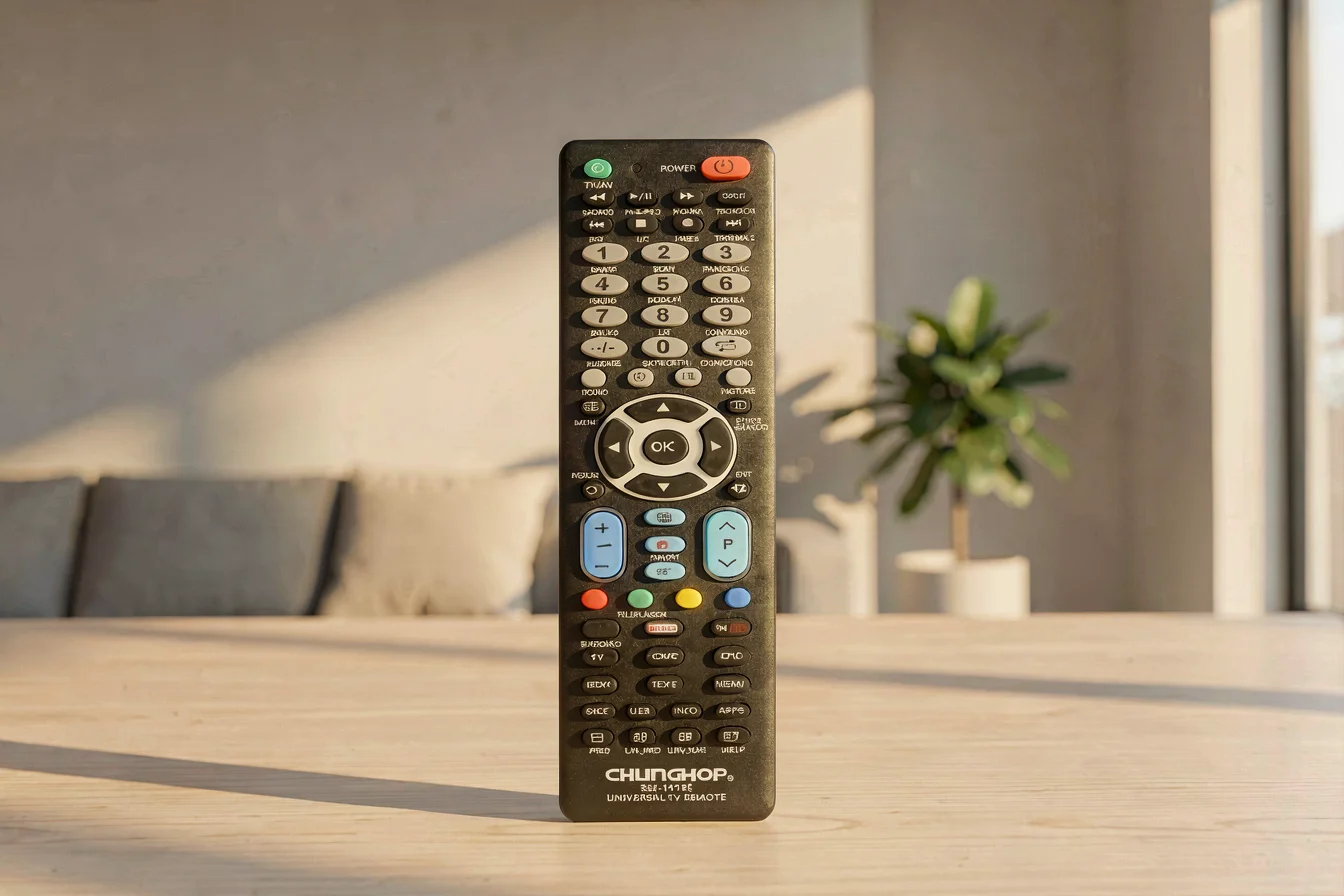
Universal 25-in-1 remote controls are rapidly becoming the preferred solution for households with multiple electronic devices, offering convenience, reduced clutter, and lower long-term costs. Standard single-device remotes remain relevant for simple, single-appliance setups, but their limitations in multi-device environments are increasingly evident. Buyers seeking streamlined control and future-proof compatibility should prioritize universal remotes, as Google Trends and market sentiment confirm their rising adoption [1].
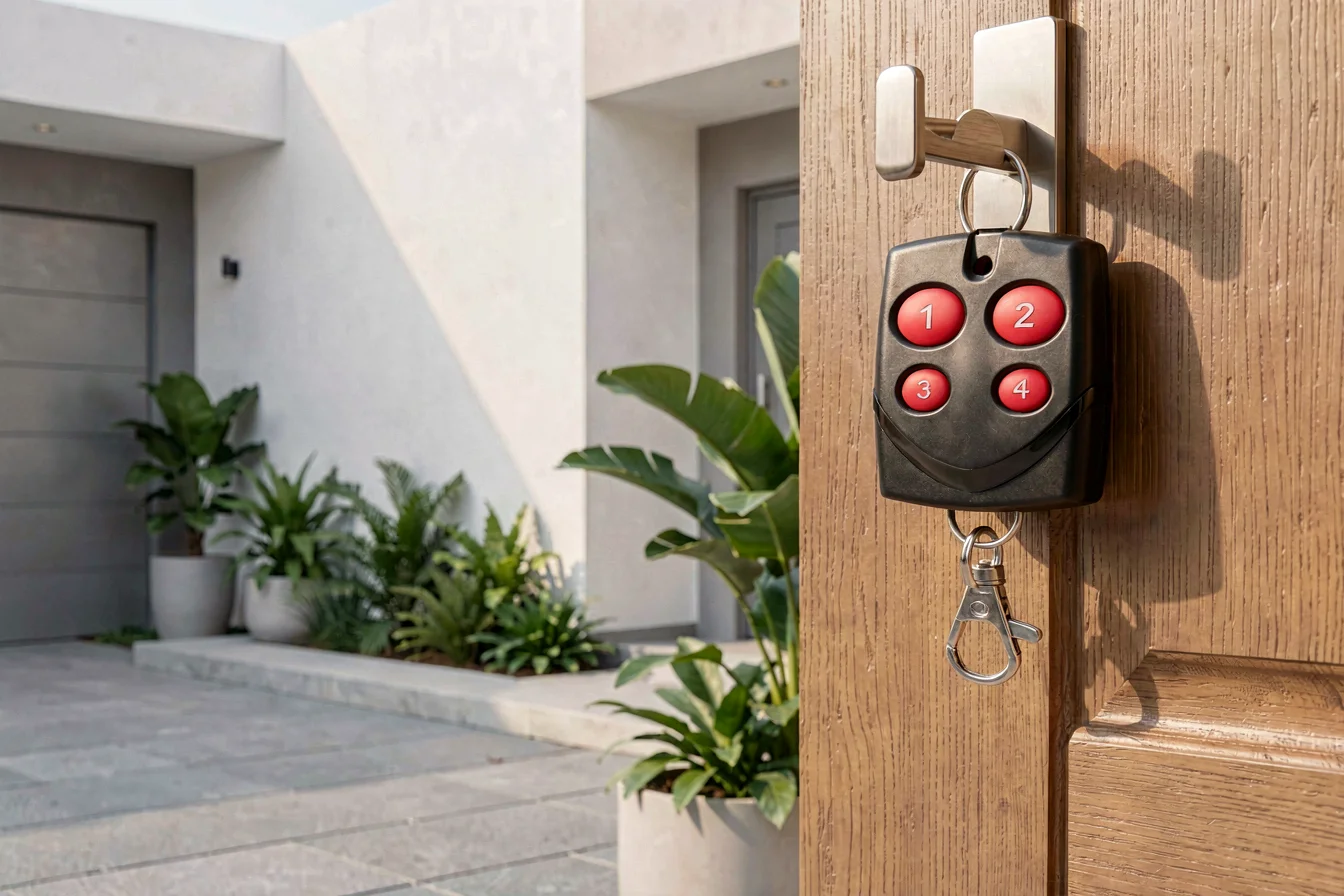
The core value of universal remote controls lies in their ability to consolidate control of multiple devices, eliminating clutter and streamlining user experience. Universal 25-in-1 remote control targets households with smart TVs, streaming devices, and multi-brand electronics, solving the pain points of lost remotes, confusion, and device-specific compatibility. In contrast, standard single-device remote control is designed for straightforward, single-appliance operation and excels in simplicity and reliability for basic setups.
Universal remotes leverage advanced infrared (IR) and Wi-Fi technology, supporting up to 13,000+ device codes and operating ranges of up to 8 meters [3][5]. Technological innovations include auto-code search, smart TV integration, and compatibility with streaming devices. Traditional single-device remotes offer fewer features and require one remote per device, leading to clutter and increased maintenance costs.
Procurement logic favors universal remotes for their multi-device compatibility, ease of use, and future-proofing, especially in environments with smart TVs, streaming devices, and multi-brand setups. However, setup complexity and occasional compatibility gaps remain limitations. Standard remotes are optimal for simple, single-appliance setups but fall short in multi-device environments.
| Feature | Universal 25-in-1 Remote Control | Standard Single-Device Remote Control |
|---|---|---|
| Device Compatibility | Up to 25+ devices (TV, AC, DVD, etc.) | One device only |
| Setup Complexity | Moderate (code entry, auto search) | Minimal |
| Clutter Reduction | High | Low |
| Long-Term Cost | Lower (one remote for multiple devices) | Higher (multiple remotes needed) |
| Smart Home Integration | High (Wi-Fi, IR, streaming device support) | Low |
| User Experience | Streamlined, consolidated control | Basic, device-specific |
Universal remotes provide superior convenience and future-proof compatibility, making them ideal for modern households and B2B applications, while standard remotes are best for simple, single-device setups.
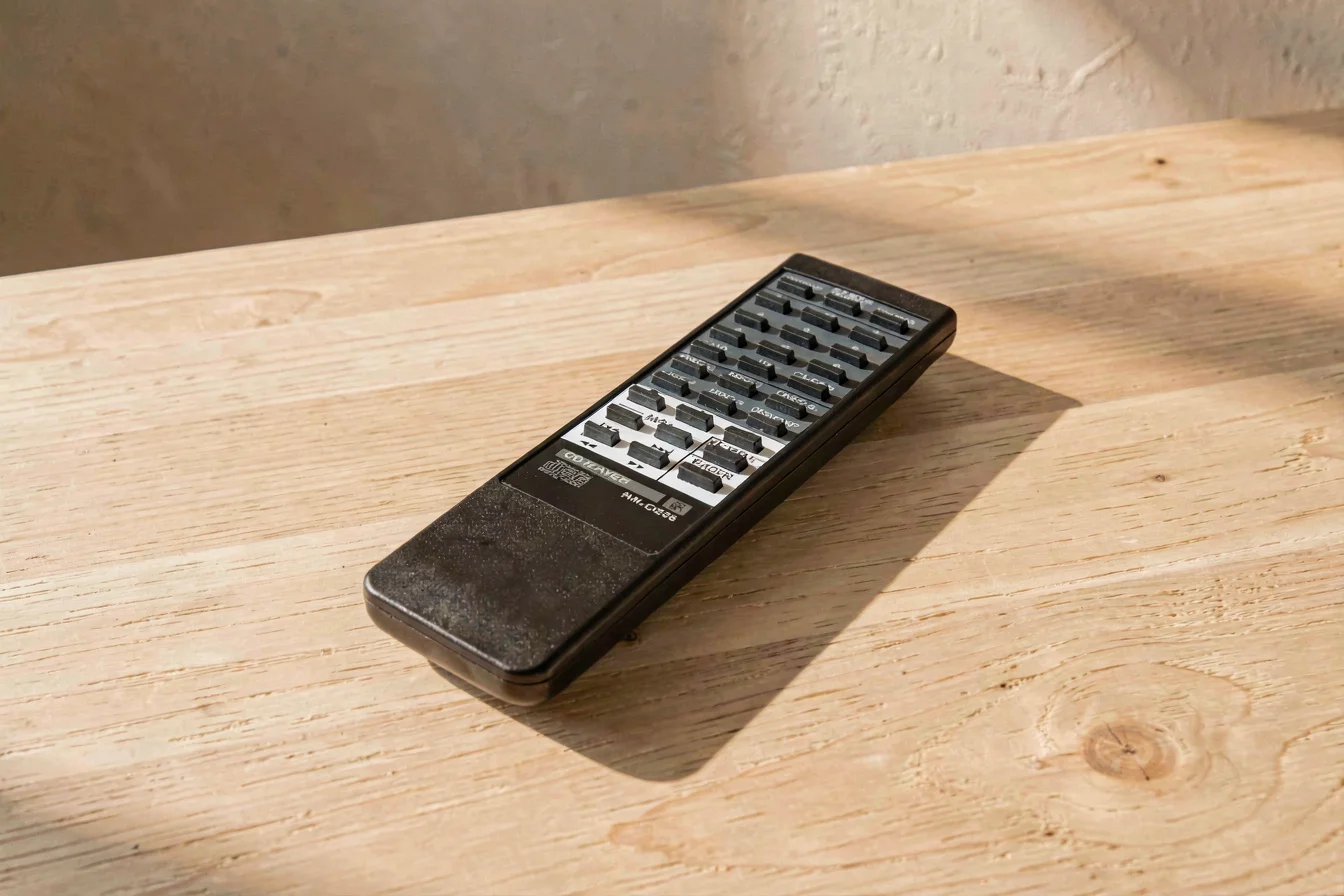
Durability is a critical factor for both universal 25-in-1 remote control and standard single-device remote control . Universal remotes are built with advanced materials and electronics, typically lasting 2–5 years under normal use [3][5]. Their design includes robust IR and Wi-Fi components, ensuring reliable operation over time. Standard remotes also last 2–5 years, but their simplicity means fewer moving parts and lower failure rates.
In real-world applications, universal remotes excel in environments with multiple devices, smart TVs, and streaming devices, offering consolidated control and reducing clutter. They are ideal for households with multi-brand electronics and B2B settings where efficiency and ease of use are priorities. Standard remotes are best suited for single-device setups, such as basic TVs, DVD players, or standalone appliances, where complexity is minimal and maintenance is straightforward.
Long-term cost analysis reveals universal remotes offer lower total cost of ownership, as one remote replaces multiple single-device remotes. Initial purchase price ranges from $18–$50, while standard remotes cost $8–$25 per device. Maintenance costs are similar, but replacement frequency is lower for universal remotes. Hidden costs include setup time and potential compatibility issues, but these are offset by long-term savings and convenience.
| Cost Factor | Universal 25-in-1 Remote Control | Standard Single-Device Remote Control |
|---|---|---|
| Initial Purchase Price | $18–$50 | $8–$25/device |
| Maintenance Cost | Low (one remote for multiple devices) | Moderate (multiple remotes needed) |
| Replacement Frequency | Low | High |
| Hidden Costs | Setup time, compatibility gaps | None |
| 5-Year Total Cost | Lower | Higher |
Universal remotes deliver lower long-term costs and higher durability, making them the optimal choice for households and businesses seeking consolidated control and efficiency.
Universal remote controls deliver core value by streamlining device management, reducing clutter, and enabling smart home integration. The urgency is evident as households increasingly adopt multi-device setups, with Google Trends showing a steady rise in universal remote searches from mid-2025 onward [1]. Standard single-device remotes remain relevant for simple, single-appliance setups but are increasingly viewed as outdated in multi-device environments.
Universal remotes dominate in complex, multi-device environments, while standard remotes remain practical for basic, single-device setups.
Google Trends data reveals that search interest in universal remotes and multi-device remotes has surged from mid-2025, peaking in August–December 2025 and continuing into early 2026 [1]. This indicates strong top-of-funnel demand, with purchasing behavior aligning closely with search momentum. Universal remotes are increasingly favored by smart home adopters, while standard remotes see stable, but declining, interest.
Search Interest over Time
Universal remotes show strong, sustained search interest, validating their position as the market leader for multi-device control solutions.
Reddit and TikTok data reveal contrasting experiences between universal 25-in-1 remote control and standard single-device remote control . Universal remotes are praised for consolidating control and reducing clutter, but users report frustration with setup complexity and compatibility gaps. Standard remotes are valued for simplicity and reliability but criticized for contributing to device clutter and lost remotes.
Case Study 1: Universal 25-in-1 Remote Control
A Reddit user with a smart TV, streaming devices, and multi-brand electronics adopted a universal remote to streamline device management. They noted, “It’s amazing to have one remote for all my devices, but programming took some time and not all codes worked perfectly.” The user ultimately found the universal remote improved their daily experience, despite minor setup challenges.
Case Study 2: Standard Single-Device Remote Control
A TikTok user with a basic TV and DVD setup chose standard remotes for simplicity. They remarked, “I like the simplicity, but it’s frustrating when I lose a remote or mix them up.” The user’s experience highlights the limitations of standard remotes in multi-device environments.
“Universal remotes save space and make my life easier, but I wish setup was simpler.” — Reddit user
“Standard remotes are easy to use, but I always end up with too many.” — TikTok user
| Dimension | Universal 25-in-1 Remote Control | Standard Single-Device Remote Control |
|---|---|---|
| Overall Satisfaction | High (streamlined, consolidated control) | Moderate (simple, device-specific) |
| Most Praised Feature | Clutter reduction | Simplicity |
| Most Common Complaint | Setup complexity | Clutter, lost remotes |
| Community Recommendation Rate | High | Low |
Viral content themes include “universal remote vs standard remote,” “setup tips for universal remotes,” and “how to reduce device clutter.” Debates center on ease of use versus setup complexity, with universal remotes favored by smart home enthusiasts and standard remotes preferred by minimalists.
Universal remotes are widely recommended for their convenience and clutter reduction, while standard remotes are valued for simplicity but criticized for device clutter.
Buyers should start by assessing their core needs and priorities. Key questions include:
Tiered recommendations:
| Tier | Recommended Product | Key Reason |
|---|---|---|
| Budget-Friendly | Standard Single-Device Remote Control | Low upfront cost, simple operation |
| Mid-Range | Universal 25-in-1 Remote Control | Consolidated control, reduced clutter |
| Premium | Universal 25-in-1 Remote Control | Smart home integration, advanced features |
Optimization tips:
Universal remotes offer the best value for buyers seeking consolidated control, reduced clutter, and future-proofing, while standard remotes remain practical for basic, single-device setups.
Universal remote controls are positioned for sustained growth, driven by rising demand for smart home integration, multi-device control, and clutter reduction. Google Trends and social pulse data confirm their dominance, with search interest peaking in late 2025 and continuing into early 2026 [1]. Buyers should prioritize universal remotes for their convenience, long-term cost savings, and compatibility with evolving device ecosystems.
For the next 6–12 months, expect universal remotes to further integrate with Wi-Fi, streaming platforms, and voice assistants, enhancing their appeal for both consumers and B2B buyers. Share your experience with universal remotes to help shape future innovations, and for commercial buyers, leverage Alibaba.com’s sourcing platform to secure bulk orders and negotiate optimal pricing.
Confidently choose universal remotes for streamlined device management and long-term savings; join the movement toward smarter, clutter-free home control.