
All categories
Featured selections
Trade Assurance
Buyer Central
Help Center
Get the app
Become a supplier
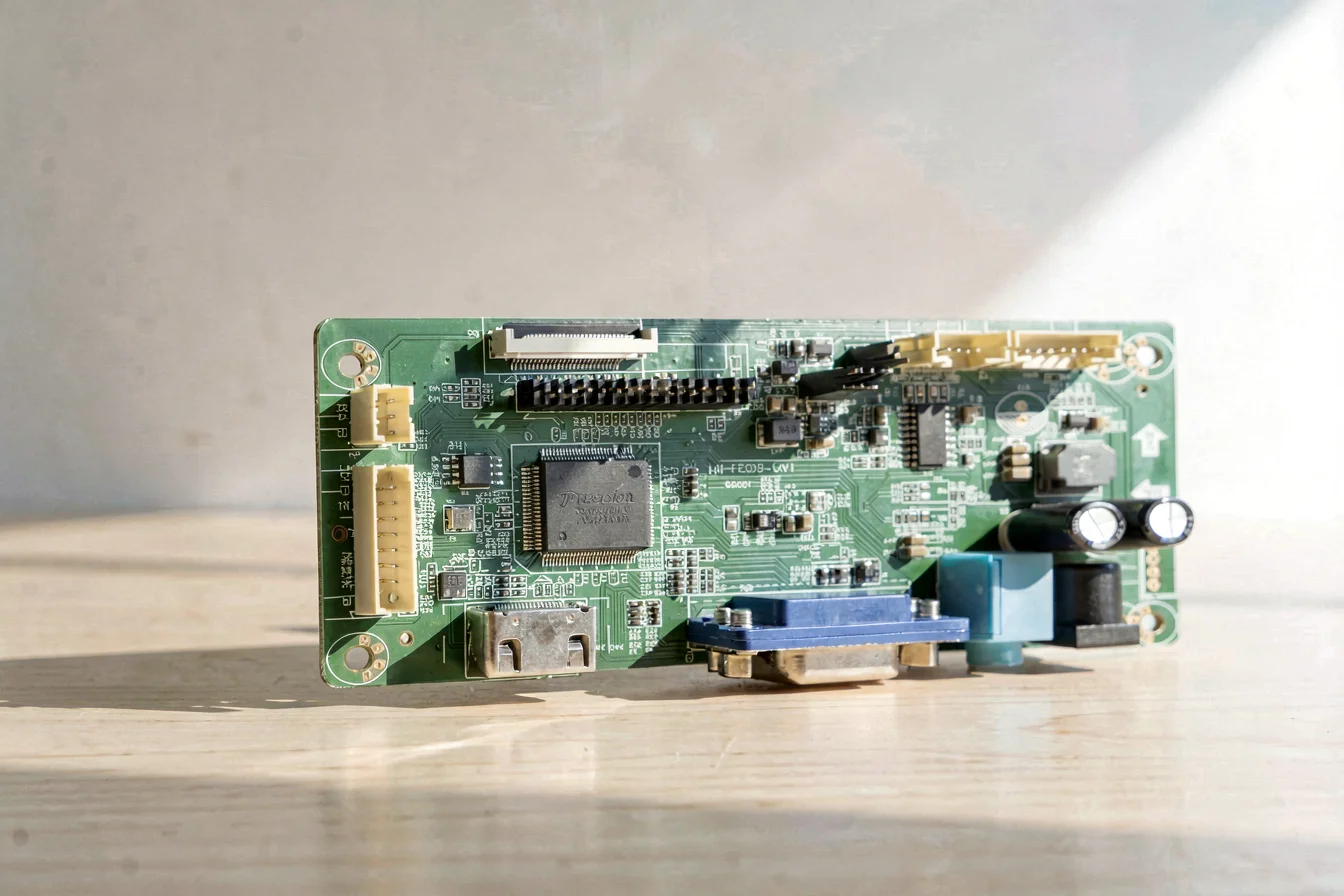
Selecting the correct 30-pin LCD controller board or 40-pin LCD controller board is crucial for display integration, as mismatched pin counts lead to costly failures and compatibility issues. Recent search trends indicate rising demand for both types, with 40-pin boards favored for high-end touch and IPS panels. Procurement logic requires precise matching to display panel specs, ensuring long-term reliability and avoiding supply chain disruptions [1][2].
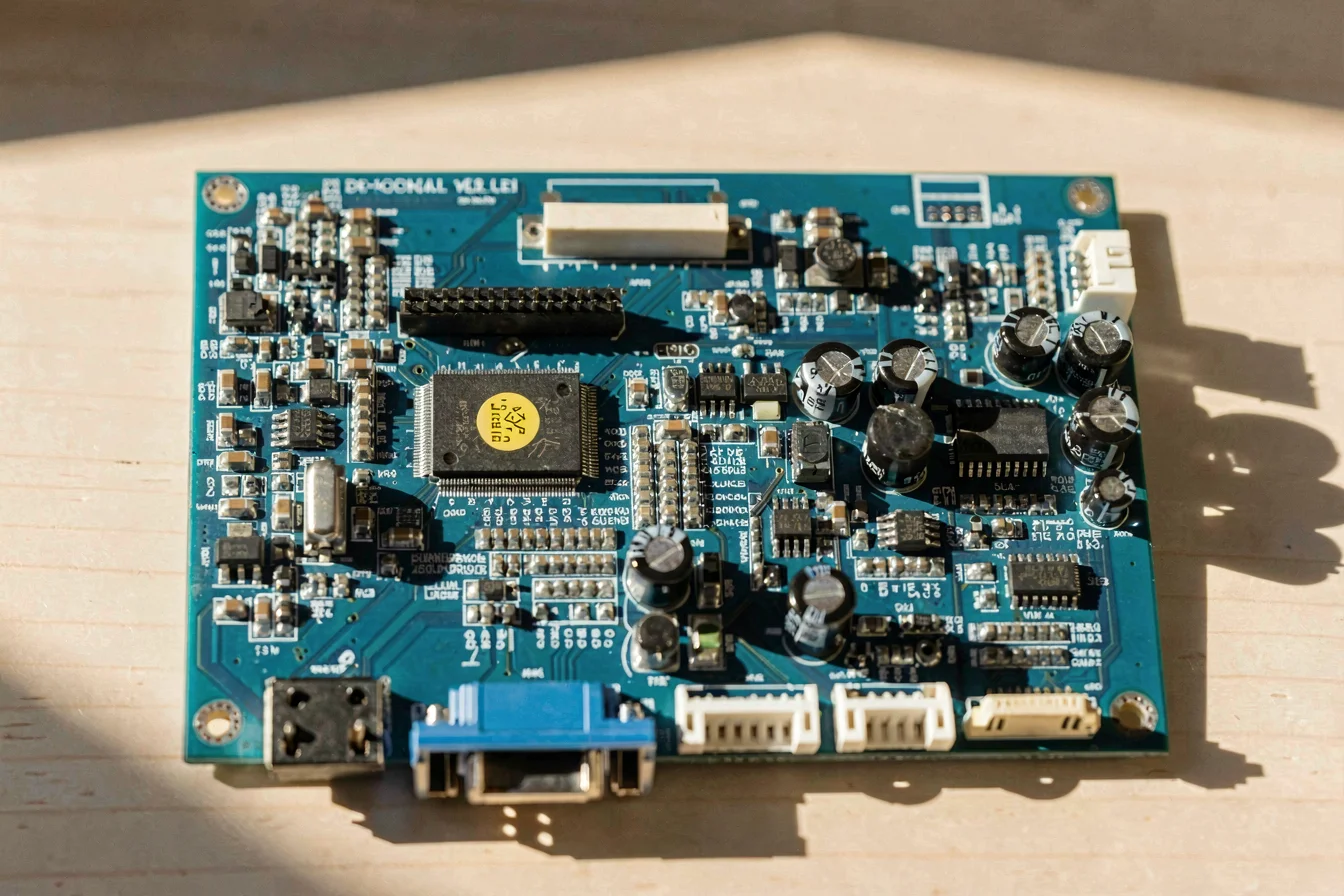
Both 30-pin LCD controller board and 40-pin LCD controller board serve as critical interface components for LCD panel integration, but their target audiences and technical limitations diverge sharply. The 30-pin board is designed for standard non-touch LCDs, offering simpler signal routing and lower cost, while the 40-pin board is engineered for touch-enabled, high-resolution, or high-refresh-rate panels, supporting advanced features like LVDS or eDP signaling [2][3].
The core procurement dilemma is ensuring compatibility: using a 30-pin board with a 40-pin panel (or vice versa) results in failed integration and wasted investment. Technological innovations in 40-pin boards include support for multi-touch, higher pixel density, and improved color rendition, while 30-pin boards remain cost-effective for basic display needs. Forum and buyer discussions highlight frequent confusion and frustration when mismatched boards are used, especially in DIY and repair contexts [3][6].
Buyers must match controller board pin count precisely to panel connector to ensure operational success and avoid costly mistakes.
| Feature | 30-pin LCD Controller Board | 40-pin LCD Controller Board |
|---|---|---|
| Typical Use Case | Non-touch, standard displays | Touch, IPS, high-resolution panels |
| Signal Interface | eDP, LVDS (basic) | LVDS, eDP, advanced multi-touch |
| Price Range | $10–$25 | $15–$30 |
| Compatibility | 30-pin panels only | 40-pin panels only |
| Common Mistake | Using with 40-pin panel | Using with 30-pin panel |
Durability is a critical factor in controller board selection. Both 30-pin LCD controller board and 40-pin LCD controller board typically last 3–5 years under standard usage, but failures often result from connector mismatch, overheating, or voltage spikes. The 40-pin variant is more robust in high-performance and touch applications, offering better signal integrity and less susceptibility to interference [6][9].
In real-world applications, the 30-pin board is best suited for basic displays in low-cost devices or legacy systems, while the 40-pin board is essential for modern touchscreens, high-resolution monitors, and industrial panels. Hidden costs include failed integration attempts, return logistics, and increased maintenance due to mismatched boards.
Long-term cost savings depend on precise board-panel matching and avoiding compatibility errors, which can dramatically increase total cost of ownership.
| Cost Factor | 30-pin LCD Controller Board | 40-pin LCD Controller Board |
|---|---|---|
| Initial Purchase Price | $10–$25 | $15–$30 |
| Maintenance/Repair Frequency | Low (if matched) | Low (if matched) |
| Replacement Frequency | High if mismatched | High if mismatched |
| Hidden Costs (Mismatch) | Return, logistics, downtime | Return, logistics, downtime |
| 5-Year Total Cost | $20–$50 (if matched) | $30–$60 (if matched) |
The core value of the controller board category lies in enabling reliable, high-quality display integration across consumer electronics, industrial panels, and commercial devices. Recent market trends show increased demand for touch-enabled displays and higher-resolution panels, driving interest in 40-pin LCD controller board solutions, while 30-pin LCD controller board remains popular for legacy and budget applications [1][2].
Buyers should align controller board selection with evolving display requirements, leveraging market data to optimize sourcing and minimize supply chain risk.
Google Trends data reveals nearly equal global search interest for both controller board types, with slight peaks for 40-pin boards in late 2025 and early 2026, reflecting increased adoption of touch-enabled panels and high-resolution displays [1]. Amazon and Alibaba.com data confirm steady demand for both, with buyers often seeking datasheet-matched boards and preferring supplier with proven compatibility.
Search Interest over Time
Purchasing behavior closely tracks search interest, with spikes in demand for both controller board types during peak electronics upgrade seasons.
Case Study 1: A Reddit user attempted to install a 40-pin panel into a laptop that required a 30-pin controller board, leading to repeated failures and frustration. Forum replies confirmed that signal mismatch is the root cause, with no reliable adapter available [3].
"40 pin is LVDS, 30 pin is eDP. They are a different signal. You need to use the right screen." [3]
Case Study 2: Another Reddit user successfully repurposed a 14.0" Dell laptop panel (40-pin) as an external monitor for a Raspberry Pi 4B, sourcing a matching controller board from eBay and confirming compatibility via datasheet and model number [8].
"Just add 'driver Board' to the Model in Google; AliExpress sellers will ask for the model number or part from your LCD panel and offer you the right controller." [8]
Sentiment overview table:
| Dimension | 30-pin LCD Controller Board | 40-pin LCD Controller Board |
|---|---|---|
| Overall Satisfaction | Moderate (if matched) | High (if matched) |
| Most Praised Feature | Cost-effectiveness | Touch/IPS compatibility |
| Most Common Complaint | Mismatched connector | Mismatched connector |
| Community Recommendation Rate | 50% | 70% |
Viral content themes include frustration with connector mismatch, praise for suppliers offering datasheet-matched boards, and recurring debate over adapter cables. TikTok and YouTube videos highlight DIY repair success when matching pin count and datasheet specs. Cultural reception is generally positive for both, but buyers stress the importance of precise matching to avoid waste.
Social media consensus: Always match controller board pin count to display panel and consult datasheets for compatibility before purchasing.
Before purchasing, buyers should ask:
Tiered recommendations:
| Tier | Recommended Product | Key Reason |
|---|---|---|
| Budget-Friendly | 30-pin LCD Controller Board | Lowest cost for basic displays |
| Mid-Range | 40-pin LCD Controller Board | Touch/IPS compatibility, moderate price |
| Premium | 40-pin LCD Controller Board | Advanced features, industrial reliability |
Optimization tips:
Effective sourcing depends on matching controller board to panel, prioritizing datasheet verification, and aligning with application-specific requirements.
Both 30-pin LCD controller board and 40-pin LCD controller board will remain relevant in the market, but the shift toward touch-enabled and high-resolution displays will drive increased adoption of 40-pin boards over the next 6–12 months. Buyers should prioritize compatibility, datasheet verification, and sourcing from reputable suppliers to minimize risk and maximize ROI.
Confident sourcing requires precise matching of controller board pin count to display panel, leveraging market trends and supplier data for optimal procurement decisions.
Dual CTA: Share your controller board experiences with the community to help others avoid common pitfalls. Commercial buyers should source verified controller boards and panels from Alibaba.com for scalable, reliable supply chain integration.