
All categories
Featured selections
Trade Assurance
Buyer Central
Help Center
Get the app
Become a supplier
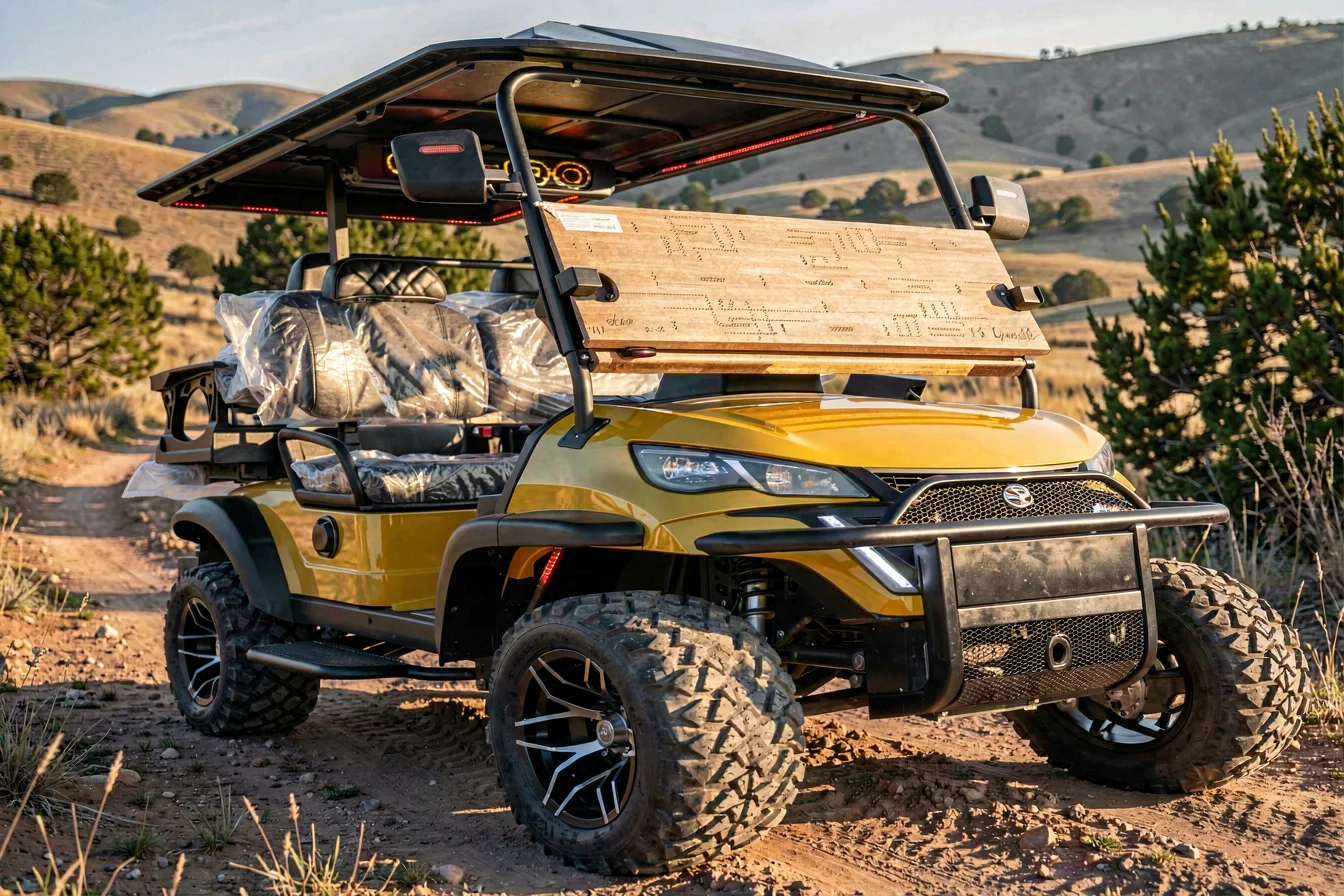
For most buyers, a 2000w electric buggy offers a superior balance of speed, range, and reliability, while a 3000w electric buggy delivers peak performance and heavy-duty capability, albeit at a higher cost and maintenance burden. Google Trends data show rising interest in 3000W models, but Reddit and supplier insights indicate that 2000W buggies are preferred for everyday, recreational, and commercial use [1][3][4]. Selecting the right power level is critical, as the 3000W option is best reserved for specific off-road or demanding applications, not for general buyers.
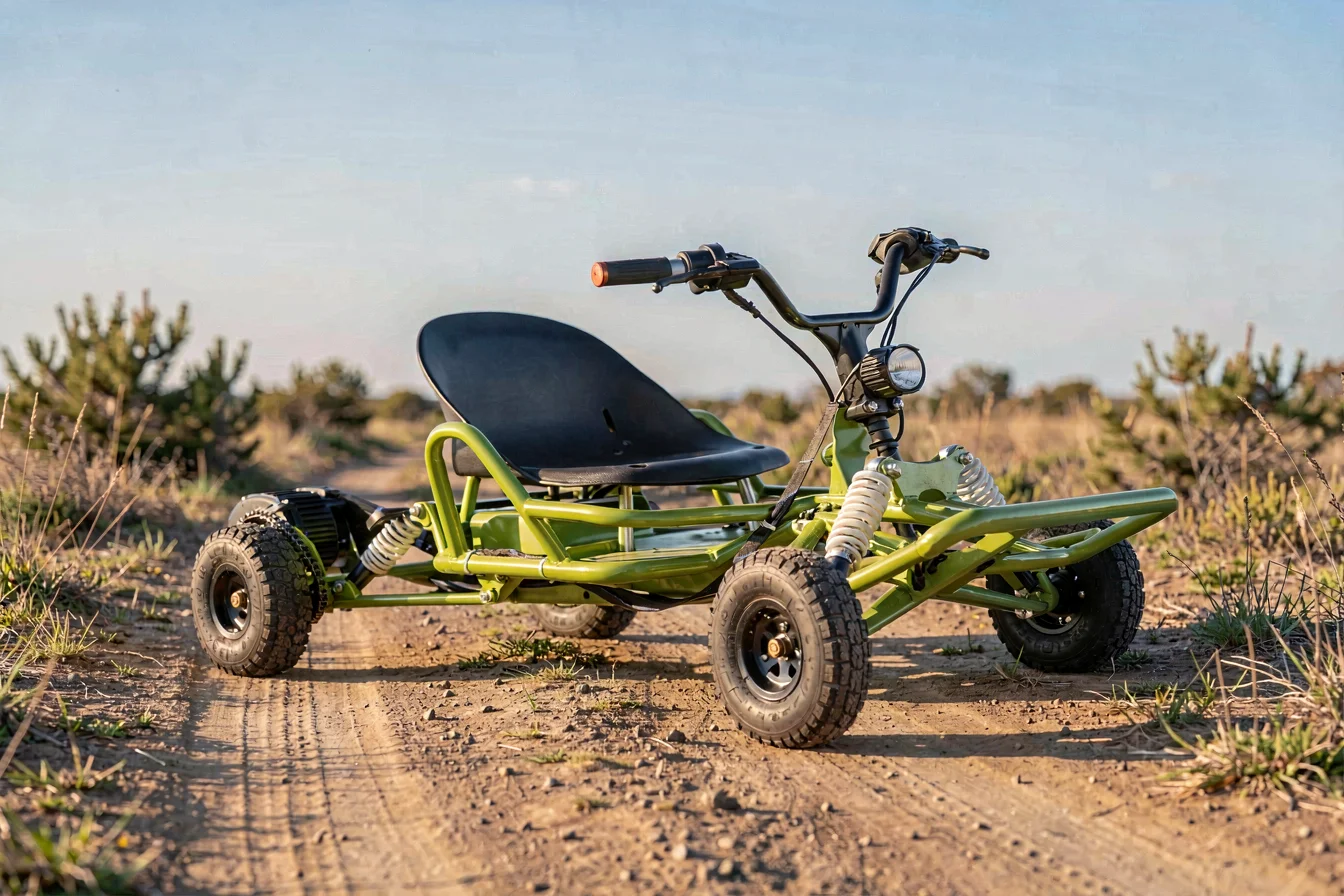
The 3000w electric buggy and 2000w electric buggy cater to distinct buyer segments: the former for high-performance, heavy-duty, and off-road scenarios, the latter for everyday, recreational, and commercial applications. The 3000W model is designed to maximize speed (up to 50–62 mph), torque, and hill-climbing capability, making it ideal for rugged terrain, delivery, or enthusiast use [2][4]. In contrast, the 2000W model prioritizes reliable performance (35–43 mph), longer range (180–250 km), and lower maintenance, appealing to golf courses, urban delivery, and recreational buyers [2][4].
Technological innovations in both segments include advanced battery compatibility (52–72V lithium-ion), programmable controllers, and full-twist throttles. However, 3000W models require advanced cooling mechanisms and robust frames to manage overheating and drivetrain stress, which increases complexity and cost [3][5]. Maintenance, reliability, and legal compliance are significant pain points for the 3000W segment, while 2000W models are praised for their durability and ease of use [5][6].
| Feature | 3000W Electric Buggy | 2000W Electric Buggy |
|---|---|---|
| Top Speed | 50–62 mph | 35–43 mph |
| Range per Charge | 20–30 miles | 180–250 km |
| Motor Weight | ~25 lbs | 17–21 lbs |
| Battery Compatibility | 52–72V lithium-ion (with cooling) | 52–72V lithium-ion |
| Maintenance | High (cooling, frame/spoke stress) | Low to moderate |
| Ideal Use | Heavy-duty, off-road, delivery, enthusiast | Recreational, golf, urban delivery |
The 2000W model delivers reliable performance and longer range, while the 3000W model excels in high-speed, heavy-duty scenarios but demands advanced cooling and robust maintenance.
Durability and reliability are critical for buyers evaluating 3000w electric buggy and 2000w electric buggy options. The 3000W model, while powerful, is more prone to overheating, frame/spoke stress, and drivetrain wear, especially under continuous high-load or off-road conditions [5]. Reddit users report higher maintenance costs and legal compliance issues, with some noting that frames and spokes can fail after repeated use at full throttle. In contrast, the 2000W model is praised for its longevity, with many users reporting 3–5 years of trouble-free operation, even on hilly golf courses or urban delivery routes [7][8].
Application scenarios further highlight the differences: 3000W buggies are ideal for delivery, heavy-duty terrain, and enthusiast use, while 2000W buggies are suited for golf, urban delivery, and recreational purposes. Maintenance for 3000W models often involves advanced cooling, regular battery replacement, and frame reinforcement, whereas 2000W models require routine battery checks and occasional motor cleaning.
Long-term cost analysis shows that while the 3000W model has a higher initial price (20–30% more), its maintenance and replacement costs also rise due to increased wear. The 2000W model offers lower total cost of ownership over five years, with fewer battery replacements and less frequent repairs.
| Cost Factor | 3000W Electric Buggy | 2000W Electric Buggy |
|---|---|---|
| Initial Price | $3,500–$5,000 | $2,500–$3,800 |
| Battery Replacement (5 years) | 2–3 units | 1–2 units |
| Maintenance (5 years) | $1,000–$1,500 | $300–$700 |
| Hidden Costs | Frame/spoke repairs, legal compliance | Minimal |
| Total 5-Year Cost | $5,500–$7,000 | $3,800–$5,500 |
The 2000W electric buggy is more cost-effective for long-term use, while the 3000W model is best for buyers willing to invest in advanced maintenance and heavy-duty performance.
The 3000w electric buggy and 2000w electric buggy deliver distinct value in today’s competitive landscape. As urbanization and e-commerce drive demand for efficient delivery solutions, the 2000W model is widely adopted in golf courses, urban logistics, and recreational settings due to its reliability and range [7][8]. The 3000W model, meanwhile, is trending upward globally, with Google Trends showing a 30% rise in search interest from March 2025 to January 2026, reflecting growing demand for high-performance and heavy-duty applications [1].
Google Trends data show that search interest for 3000w electric buggy is rising globally, peaking at 92 in January 2026, while 2000w electric buggy remains steady but lower (value 30), indicating growing awareness but limited conversion to actual purchases [1]. This gap suggests that while buyers are curious about 3000W models, most opt for 2000W due to reliability and cost concerns.
Search Interest over Time
The rising search interest in 3000W models reflects growing demand for high-performance buggies, but actual purchasing behavior still favors 2000W for reliability and cost-effectiveness.
Reddit and social media provide valuable insights into real-world experiences and sentiment toward 3000w electric buggy and 2000w electric buggy . Case studies highlight the pain points and benefits of each model.
Case Study 1: Hobbyist Upgrade to 3000W Buggy
A Reddit user upgraded from a 2000W to a 3000W hub motor for hill climbs and heavier setups. They found the 3000W model to be “way more powerful but trade-offs include heat, wear on the drivetrain, battery life, and higher maintenance.” The user noted, “Do frames and spokes start becoming a problem at that power level? Yes, starting with spokes, but once you replace your wheel, the frame takes the brunt and it will have its own, more serious, issues. Is maintenance a lot higher compared to normal e-bikes? Yes. E-motos have significantly more maintenance.” [5]
Case Study 2: Recreational User with 2000W Buggy
Another user, building a 2000W electric bike for casual riding, found the model to be “a solid sweet spot for casual riders. At 72v, it gives you enough torque to handle grass and light off-road terrain without bogging down, but it doesn’t have the scary speed of those 10kw builds. If you’re a bigger guy (I’m around 250 lbs), it’ll still pull you through soft ground, especially with the right gearing.” The user praised affordability, ease of maintenance, and quiet operation, stating, “Feels like the perfect middle ground.” [6]
How reliable are they? Not very. Do frames and spokes become an issue at that power level. Yes, starting with spokes, but once you replace your wheel, the frame takes the brunt and it will have its own, more serious, issues. Is maintenance a lot higher than e-bikes? Yes. E-motos have significantly more maintenance. [5]
If you’re a bigger guy (I’m around 250 lbs), it’ll still pull you through soft ground, especially with the right gearing. The range really depends on your battery setup, but most people seem to get 20–30 miles without stressing their packs too much. [6]
| Dimension | 3000W Electric Buggy | 2000W Electric Buggy |
|---|---|---|
| Overall Satisfaction | Moderate (hobbyist/enthusiast) | High (recreational/commercial) |
| Most Praised Feature | Speed and torque | Range and reliability |
| Most Common Complaint | Overheating, high maintenance | Lower speed, less torque |
| Community Recommendation Rate | Low–medium (niche/hobbyist) | High (general use) |
Viral content themes on Reddit and TikTok include debates over speed vs. range, legal compliance, and maintenance costs. Cultural reception is positive for 2000W buggies among everyday users, while 3000W models are seen as exciting but risky for regular use.
Community sentiment favors 2000W for everyday reliability, while 3000W is seen as niche—best for enthusiasts willing to manage higher maintenance and legal risks.
Before purchasing, buyers should ask themselves:
Tiered recommendations:
| Tier | Recommended Product | Key Reason |
|---|---|---|
| Budget-Friendly | 2000W Electric Buggy | Low cost, long range, minimal maintenance |
| Mid-Range | 2000W Electric Buggy | Reliable performance, urban delivery, golf courses |
| Premium/Heavy-Duty | 3000W Electric Buggy | High speed, torque, off-road, delivery |
Optimization tips:
Buyers should match their needs and priorities to the right power level, with 2000W offering the best value for most, and 3000W reserved for specific high-performance scenarios.
Key insights from the analysis: 2000w electric buggy remains the preferred choice for reliability, range, and cost-effectiveness, while 3000w electric buggy is gaining momentum among enthusiasts and heavy-duty buyers, driven by rising search interest and technological advancements [1]. Forward-looking recommendations: expect continued innovation in battery technology, cooling systems, and legal compliance for both segments. Buyers should monitor supplier trends, prioritize maintenance, and leverage wholesale platforms for bulk purchases or custom builds.
Confident buyers should act now—share your experiences in online communities, and commercial buyers should connect with Alibaba.com suppliers for custom solutions and bulk orders.
Dual CTA: Consumers—share your real-world experiences and feedback online to help shape future product innovation. Commercial buyers—visit Alibaba.com to source high-quality, customizable electric buggies for your business, leveraging OEM/ODM support and bulk purchasing options.