
All categories
Featured selections
Trade Assurance
Buyer Central
Help Center
Get the app
Become a supplier
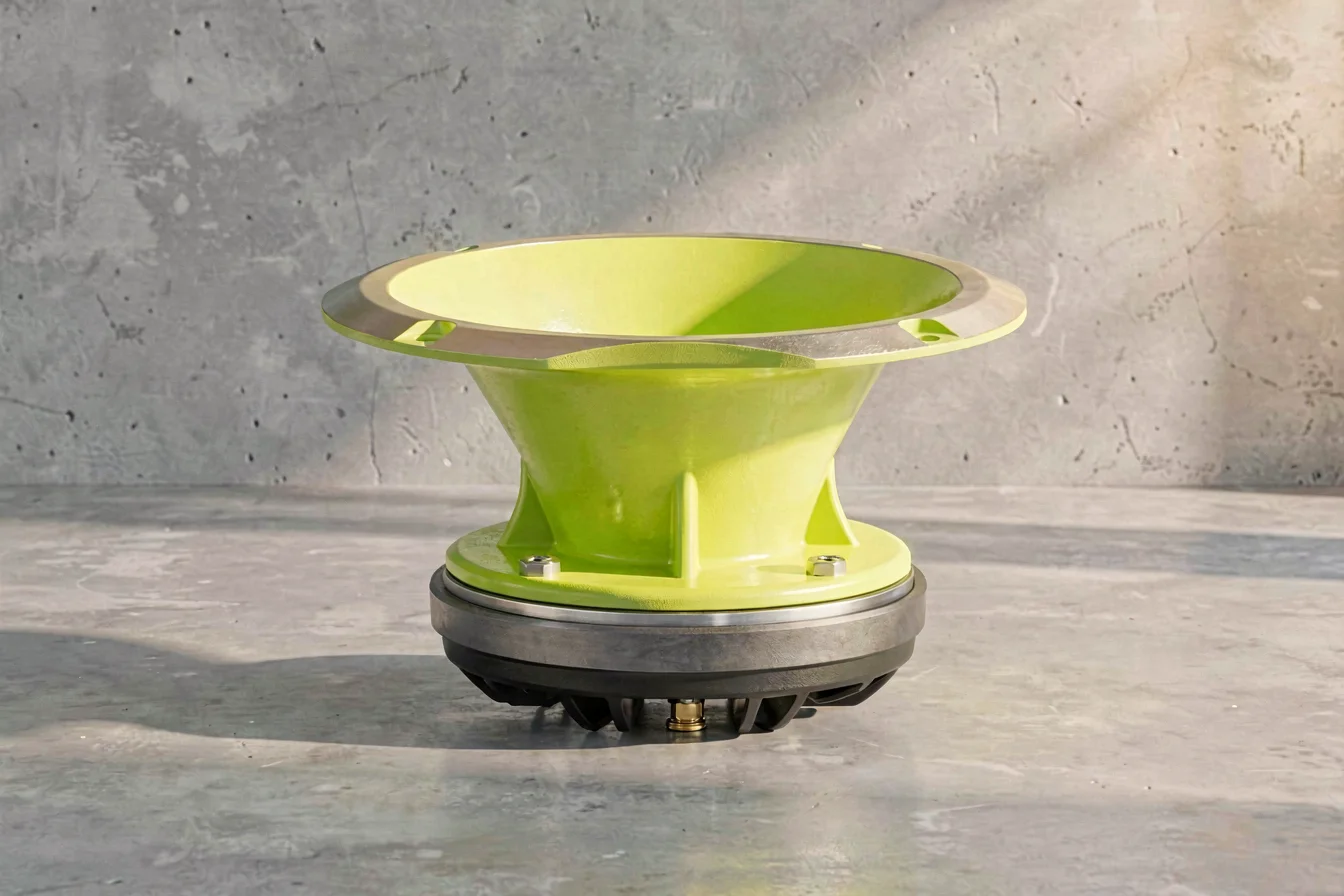
Outdoor 300W horn driver units are currently outpacing indoor units in global search momentum, driven by demand for robust, weatherproof performance and high SPL in public and commercial environments[1]. Indoor units remain a strong choice for controlled, acoustically optimized spaces but require careful selection for clarity and compactness. Buyers should prioritize environmental exposure, acoustic goals, and long-term durability in their sourcing decision.
The 300w horn driver unit for indoor use is engineered for controlled, climate-stable environments where clarity, compact design, and acoustic precision are paramount. These units typically target home theaters, studios, and indoor sports venues, prioritizing high-frequency dispersion and low distortion. In contrast, the 300w horn driver unit for outdoor use is built for variable weather, high SPL requirements, and robust performance in challenging environments—ideal for public events, outdoor sports, and commercial PA systems. The urgency in sourcing is heightened by the growing need for weatherproof solutions and the rising frequency of large-scale outdoor events.
Key differences include durability (outdoor units feature IP ratings and weatherproof casings), SPL output (outdoor units reach 115 dB vs. 112 dB for indoor), and beam dispersion (outdoor units are optimized for wide coverage, while indoor units focus on narrow, precise dispersion). Innovations in outdoor units include advanced materials for corrosion resistance and integrated acoustic tuning, while indoor units emphasize compact enclosures and acoustic matching for room-specific performance[1][2].
| Feature | Indoor Use | Outdoor Use |
|---|---|---|
| Durability | Standard plastic, no weatherproofing | IP55+, weatherproof casing |
| Max SPL | 108–112 dB | 110–115 dB |
| Beam Dispersion | Narrow, precise | Wide, omnidirectional |
| Price Range | $80–$200/unit | $120–$250/unit |
| Primary Use Cases | Home theater, studio, indoor sports | PA, outdoor events, sports venues |
Outdoor units offer superior durability and SPL but require higher investment, while indoor units excel in clarity and compact design, making them ideal for controlled environments.
Durability is a core concern for both 300w horn driver unit for indoor use and 300w horn driver unit for outdoor use . Indoor units are typically made of standard plastic and lack weatherproofing, making them suitable for stable environments with minimal exposure to moisture or dust. Outdoor units, by contrast, feature IP55+ ratings, corrosion-resistant materials, and robust casings designed to withstand rain, UV exposure, and temperature swings. The expected lifespan for indoor units is 3–5 years under normal use, while outdoor units average 4–7 years, with replacement cycles accelerated by weather stress[1].
Application scenarios further differentiate these products: indoor units are optimal for home theaters, studios, and indoor sports venues where acoustic clarity and compact form factor matter. Outdoor units shine in public events, outdoor sports, and commercial PA systems requiring high SPL and wide dispersion. Long-term cost evaluation reveals outdoor units command higher upfront prices, but their durability and reliability reduce replacement frequency, offsetting higher initial costs in most cases. Indoor units, while cheaper, may require more frequent upgrades or replacements due to environmental factors or evolving acoustic needs.
| Cost Factor | Indoor Use | Outdoor Use |
|---|---|---|
| Initial Purchase Price | $80–$200 | $120–$250 |
| Maintenance Frequency | Low (annual cleaning) | Medium (quarterly checks) |
| Replacement Cycle (5 years) | 1–2 times | 1 time |
| Hidden Costs | Upgrades for new acoustics | Weatherproofing, mounting hardware |
| Total 5-Year Cost | $160–$400 | $240–$500 |
Outdoor units offer greater long-term reliability and lower replacement frequency, making them cost-effective for harsh environments, while indoor units provide lower upfront costs but may require more frequent upgrades.
The 300w horn driver unit for indoor use delivers exceptional acoustic clarity and compact performance, making it ideal for controlled environments where precision and space optimization are priorities. The 300w horn driver unit for outdoor use excels in environments demanding weatherproof durability, high SPL, and wide dispersion—critical for public events and commercial applications. The urgency in sourcing is driven by the expansion of outdoor events, urbanization, and the increasing need for robust PA systems.
Outdoor units are increasingly favored for their versatility in unpredictable environments, while indoor units remain essential for acoustic precision and space optimization.
Google Trends data from March 2025 to February 2026 shows a consistent rise in search interest for 300w horn driver unit for outdoor use , peaking at 94 in August 2025 and remaining above 84 through February 2026[1]. Indoor units saw a steady increase but never exceeded outdoor units in search volume, peaking at 83 in January 2026. Weatherproof horn driver units maintained moderate interest, suggesting buyers are increasingly aware of environmental exposure as a key factor.
Search Interest over Time
Outdoor horn driver units are experiencing sustained growth in search interest, indicating rising procurement urgency and expanding market demand.
Reddit and TikTok discussions highlight distinct pain points and expectations for 300w horn driver unit for indoor use and 30w horn driver unit for outdoor use . Users upgrading from JBL 2445j to B&c de850tn emphasize the need for lightweight enclosures and high SPL, especially for outdoor applications[2]. Indoor users focus on clarity, compact design, and acoustic matching, often seeking recommendations for horns with precise dispersion. Outdoor users praise durability, weatherproofing, and robust performance, while indoor users value acoustic precision and space efficiency. Sentiment is split: outdoor units are recommended for PA and events, while indoor units are favored for studios and controlled environments.
Case Study 1: Outdoor Use
A Reddit user upgrading their PA cabinet for outdoor events discusses the trade-off between 1.4” and 2” compression drivers, noting that 2” horns start to beam at 6kHz while 1.4” horns offer better HF dispersion[2]. They prioritize loudness and clean acoustics, with recommendations for Eminence N314T-8 and 18Sound XR1464C for robust performance. “If you want XO at 1kHz a 1.4\" comp driver will give you better HF dispersion. 2\" horns will start to beam at ~6kHz while a 1.4\" will start to narrow around ~9kHz. It's noticeable.”
Case Study 2: Indoor Use
A user setting up an indoor trainer for cycling emphasizes the need for precise acoustic matching, compact enclosures, and reliable performance in controlled environments[3]. “There a bunch of smart trainers that fit in that price range—I would say Wahoo or Elite...for an indoor trainer setup you are going to want the trainer, a HRM, a cadence meter...software of your choice.” Indoor users also highlight the importance of balancing horn brightness to avoid harsh sound.
“Run those Timpanos at 75 watts rms and your ears will hate you LOL. Just make sure to balance them out. Horns usually very bright which can sound harsh to some people.” [4]
“If you want XO at 1kHz a 1.4\" comp driver will give you better HF dispersion. 2\" horns will start to beam at ~6kHz while a 1.4\" will start to narrow around ~9kHz. It's noticeable.” [2]
| Dimension | Indoor Use | Outdoor Use |
|---|---|---|
| Overall Satisfaction | High for clarity, moderate for durability | High for durability, moderate for clarity |
| Most Praised Feature | Compact design, acoustic clarity | Weatherproofing, high SPL |
| Most Common Complaint | Bright sound, limited SPL | Beaming at high frequencies |
| Community Recommendation Rate | Moderate (for controlled spaces) | High (for events and outdoors) |
Outdoor units are highly recommended for events and public spaces, while indoor units are praised for clarity and space efficiency but require careful balancing to avoid harsh sound.
Viral content themes include debates over beam dispersion, acoustic clarity, and weatherproofing. Outdoor units are favored for PA and events, while indoor units are popular in studios and home theaters. Cultural reception is positive for both, but outdoor units see greater buzz due to their robust performance and reliability.
Buyers should begin by clarifying their core needs: primary use case, environment, budget, and must-have features. Key questions include:
Tiered recommendations:
| Tier | Recommended Product | Key Reason |
|---|---|---|
| Budget-Friendly | Indoor Use | Low cost, compact design, suitable for controlled environments |
| Mid-Range | Outdoor Use | Durability, weatherproofing, high SPL for events |
| Premium | Outdoor Use | Advanced features, extended warranty, custom mounting |
Optimization tips:
Outdoor units are best for events and harsh environments, while indoor units suit controlled spaces and acoustic precision—buyers should match their needs, budget, and priorities to optimize procurement.
Synthesizing all insights, outdoor 300w horn driver unit for outdoor use is experiencing sustained growth in search interest and procurement urgency, driven by rising demand for weatherproof, high-SPL solutions in public and commercial events[1]. Indoor units remain essential for controlled environments but require careful balancing for acoustic clarity and compact design. Forward-looking recommendations suggest buyers prioritize durability and weatherproofing for outdoor applications, while focusing on acoustic precision for indoor use. The next 6–12 months will see continued expansion in outdoor event markets, with weatherproofing and SPL optimization as key differentiators.
Buyers should confidently act based on their environment and acoustic needs—share your experiences online, and commercial buyers should source wholesale solutions on Alibaba.com for optimized procurement.