
All categories
Featured selections
Trade Assurance
Buyer Central
Help Center
Get the app
Become a supplier
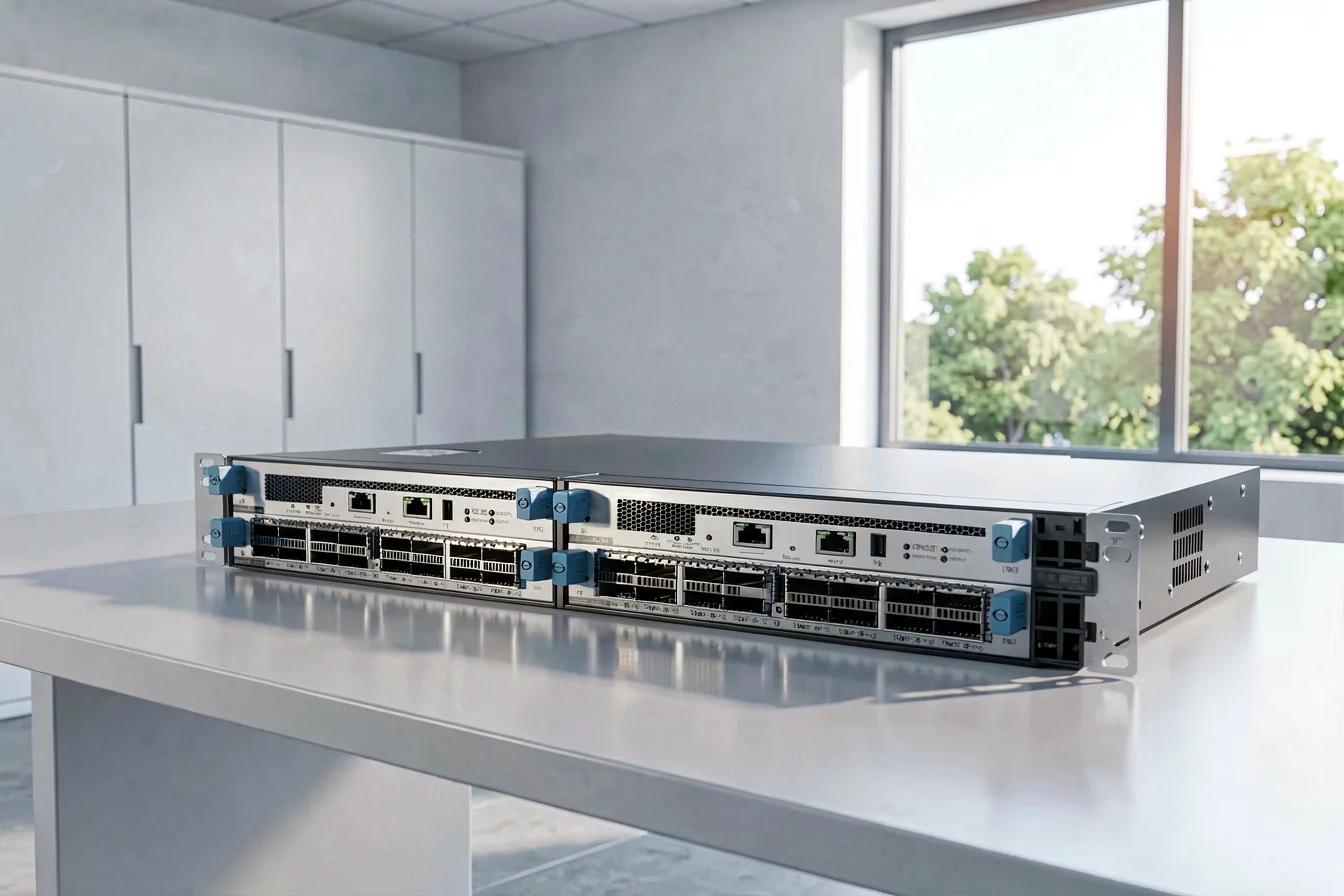
The 32 ports modem pool is increasingly favored for enterprises needing high-concurrency, scalable connectivity, as evidenced by rising global search interest and positive sentiment from users managing heavy session loads[1]. The 16 ports modem pool remains a cost-effective option for mid-sized deployments, delivering reliable performance without overinvestment. Buyers should align their choice with projected growth, session density, and future scalability needs, as both options address distinct business pain points.
The 16 ports modem pool and 32 ports modem pool serve core value in enabling high-volume, multi-SIM connectivity for businesses requiring simultaneous session management—ranging from mobile proxies to SMS gateways and VoIP applications. The 16 ports modem pool targets mid-sized deployments, offering manageable costs and reliable performance, while the 32 ports modem pool caters to enterprises needing robust scalability and future-proofing as session demand rises.
Traditional challenges addressed by both include SIM management, session concurrency, and network reliability, but the 32 ports modem pool is engineered for environments with high session density, such as e-commerce scraping, bulk SMS, or mobile proxy farms. Innovations include modular SIM card slots, enhanced antenna ports, and support for multi-protocol networks (GSM, GPRS, LTE). The 16 ports modem pool often appeals to buyers with budget constraints or limited physical space, offering a balance between performance and cost.
The 32 ports modem pool is optimal for enterprises anticipating rapid growth, while the 16 ports modem pool is best for stable, mid-sized operations seeking cost efficiency.
| Feature | 16 Ports Modem Pool | 32 Ports Modem Pool |
|---|---|---|
| Port Density | 16 | 32 |
| Typical Use Case | Mid-sized deployments, cost-sensitive buyers | Enterprise-grade, high-concurrency environments |
| Price Range | $800–$1,200 | $1,600–$2,200 |
| Modularity | SIM card slots, antenna ports, USB connectivity | Up to 32 SIM card slots, advanced antenna options, multi-protocol support |
| Scalability | Limited expansion, best for stable growth | Highly scalable, future-proof for rapid expansion |
| Certifications | CE, FCC, RoHS | CE, FCC, RoHS, often additional network certifications |

Durability is a critical factor for both 16 ports modem pool and 32 ports modem pool , especially in high-demand environments. Both options leverage modular design, with individual SIM slots and antenna ports, allowing for easy replacement and upgrades. The 16 ports modem pool typically offers a lifespan of 3–5 years under typical usage, while the 32 ports modem pool is engineered for enterprise-grade reliability, often lasting 5–7 years with minimal downtime[2][3].
Application scenarios diverge: the 16 ports modem pool excels in stable, mid-sized deployments—such as SME SMS gateways, VoIP services, or mobile proxy farms with moderate session density. The 32 ports modem pool is ideal for large-scale e-commerce scraping, bulk SMS operations, and mobile proxy farms requiring high session concurrency and rapid scaling.
Long-term cost evaluation must account for initial purchase price, maintenance, replacement frequency, and hidden costs (e.g., downtime, network congestion, session throttling). The 16 ports modem pool is lower upfront but may require expansion or replacement sooner as session demand grows, whereas the 32 ports modem pool delivers cost savings over 5 years by reducing the need for additional hardware and minimizing downtime.
The 32 ports modem pool offers superior long-term value for high-concurrency environments, while the 16 ports modem pool is best for buyers prioritizing initial cost savings and stable growth.
| Cost Factor | 16 Ports Modem Pool | 32 Ports Modem Pool |
|---|---|---|
| Initial Purchase Price | $800–$1,200 | $1,600–$2,200 |
| Annual Maintenance | $100–$150 | $200–$250 |
| Replacement Frequency | Every 3–5 years | Every 5–7 years |
| Hidden Costs (Downtime) | Medium | Low |
| 5-Year Total Cost | $1,900–$2,400 | $2,600–$3,200 |
Both 16 ports modem pool and 32 ports modem pool deliver core value by enabling scalable, multi-SIM connectivity for high-concurrency business applications. In today’s competitive landscape, session density and network reliability are critical differentiators, with enterprises increasingly favoring solutions that future-proof their infrastructure.
The 32 ports modem pool is increasingly adopted in high-concurrency environments, while the 16 ports modem pool remains relevant for stable, mid-sized deployments.
Google Trends data reveals a clear shift in global interest toward the 32 ports modem pool , with search volume peaking in Q1 2026 and consistently outperforming the 16 ports modem pool since mid-2025[1]. This aligns with increasing demand for scalable connectivity solutions as enterprises expand their session density requirements.
Search Interest over Time
Businesses should prioritize the 32 ports modem pool for high-concurrency needs, as search interest and purchasing behavior are increasingly aligned with scalability and session density.
Case Study 1: Mid-Sized SMS Gateway Operator (Reddit, r/WebDataDiggers)
A mobile proxy operator managing a mid-sized SMS gateway reported using a 16 ports modem pool for bulk messaging campaigns. They highlighted the ease of setup and manageable costs but noted limitations in session density during peak hours. “The 16 ports model works well for our moderate volume, but we’re planning an upgrade to a 32 ports pool as our client base grows,” they said. The operator praised the modular design but noted occasional congestion during high-volume campaigns.
“The 16 ports modem pool is reliable for mid-sized operations, but we’re outgrowing it. Need to scale up soon.”
Case Study 2: Large E-commerce Scraping Farm (Reddit, r/WebDataDiggers)
A large-scale e-commerce scraping farm deployed a 32 ports modem pool to support thousands of concurrent sessions. They reported significantly improved performance, with session drops reduced to nearly zero and faster handshake times. “The 32 ports pool is a game-changer for handling high-volume scraping. We’ve seen a 99.6% success rate on e-commerce targets,” they said. The operator emphasized the importance of choosing a model with advanced antenna ports and multi-protocol support.
“The 32 ports modem pool handles heavy workloads with minimal downtime. It’s the future-proof solution for our business.”
| Dimension | 16 Ports Modem Pool | 32 Ports Modem Pool |
|---|---|---|
| Overall Satisfaction | Positive for mid-sized use | Very positive for high-concurrency needs |
| Most Praised Feature | Ease of setup, manageable costs | Session density, scalability |
| Most Common Complaint | Congestion during peak hours | Higher upfront cost |
| Community Recommendation Rate | Moderate | High |
Table data synthesized from Reddit discussions[4][5].
Viral content themes include debates around session density, network reliability, and future-proofing. TikTok and YouTube highlight the importance of choosing a model with advanced antenna ports and multi-protocol support for enterprise applications. Cultural reception is positive for both, but the 32 ports modem pool is increasingly viewed as the premium solution for high-concurrency environments.
Online communities overwhelmingly recommend the 32 ports modem pool for enterprises with high session density, while the 16 ports modem pool is praised for its cost-effectiveness and ease of use.
Buyers should begin by clarifying their core needs through a checklist:
Tiered recommendations:
| Tier | Recommended Product | Key Reason |
|---|---|---|
| Budget-Friendly | 16 Ports Modem Pool | Low upfront cost, manageable maintenance |
| Mid-Range | 16 Ports Modem Pool | Balanced performance for stable growth |
| Premium | 32 Ports Modem Pool | High session density, future-proofing, advanced features |
Optimization tips:
Buyers should align their sourcing strategy with projected growth and session density, selecting the 32 ports modem pool for high-concurrency needs and the 16 ports modem pool for cost-sensitive, stable deployments.
Synthesizing insights from all modules, the 32 ports modem pool is increasingly favored by enterprises needing scalable, high-concurrency connectivity, as evidenced by rising search interest, positive sentiment, and viral content themes[1][5]. The 16 ports modem pool remains viable for mid-sized deployments and cost-sensitive buyers, but its market share is gradually declining as session density requirements rise.
Forward-looking recommendations: invest in the 32 ports modem pool for businesses anticipating rapid growth, prioritize models with advanced antenna ports and multi-protocol support, and time purchases during Q1–Q2 for best pricing. Buyers should share their experiences online to help shape future product development, while commercial buyers should leverage Alibaba.com’s wholesale platform to source verified, certified solutions.
Confident buyer action is critical: share your experiences to help shape the market, and source verified, certified solutions on Alibaba.com for reliable, scalable connectivity.