
All categories
Featured selections
Trade Assurance
Buyer Central
Help Center
Get the app
Become a supplier
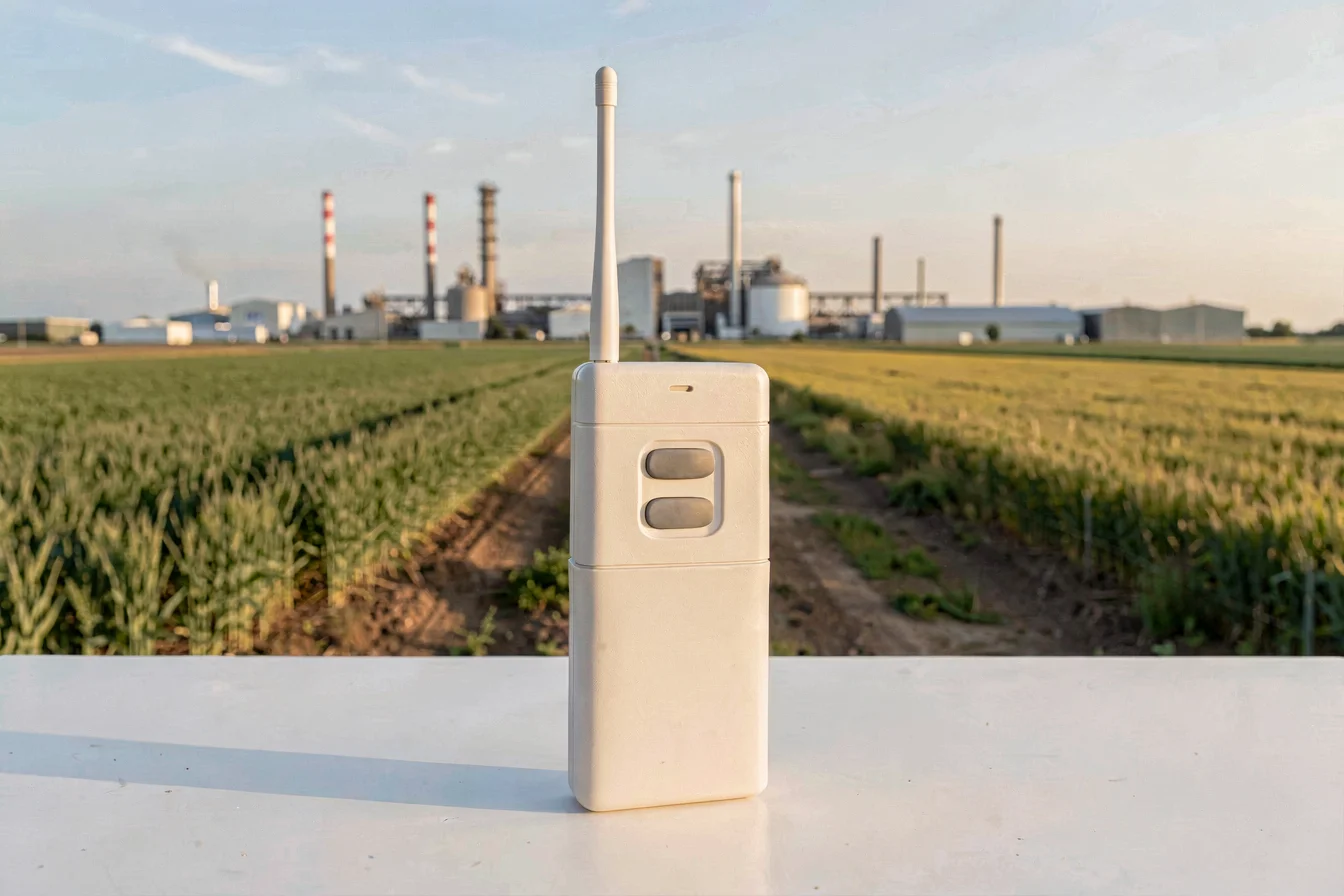
For buyers requiring robust, long-distance control in industrial or outdoor applications, a 3km range wireless remote control is essential, offering advanced features and reliability. In contrast, a short range wireless remote control is optimal for cost-sensitive, everyday use cases where simplicity and affordability matter. Market trends favor short-range solutions for mainstream demand, but long-range variants see increasing adoption in specialized sectors[1][2].
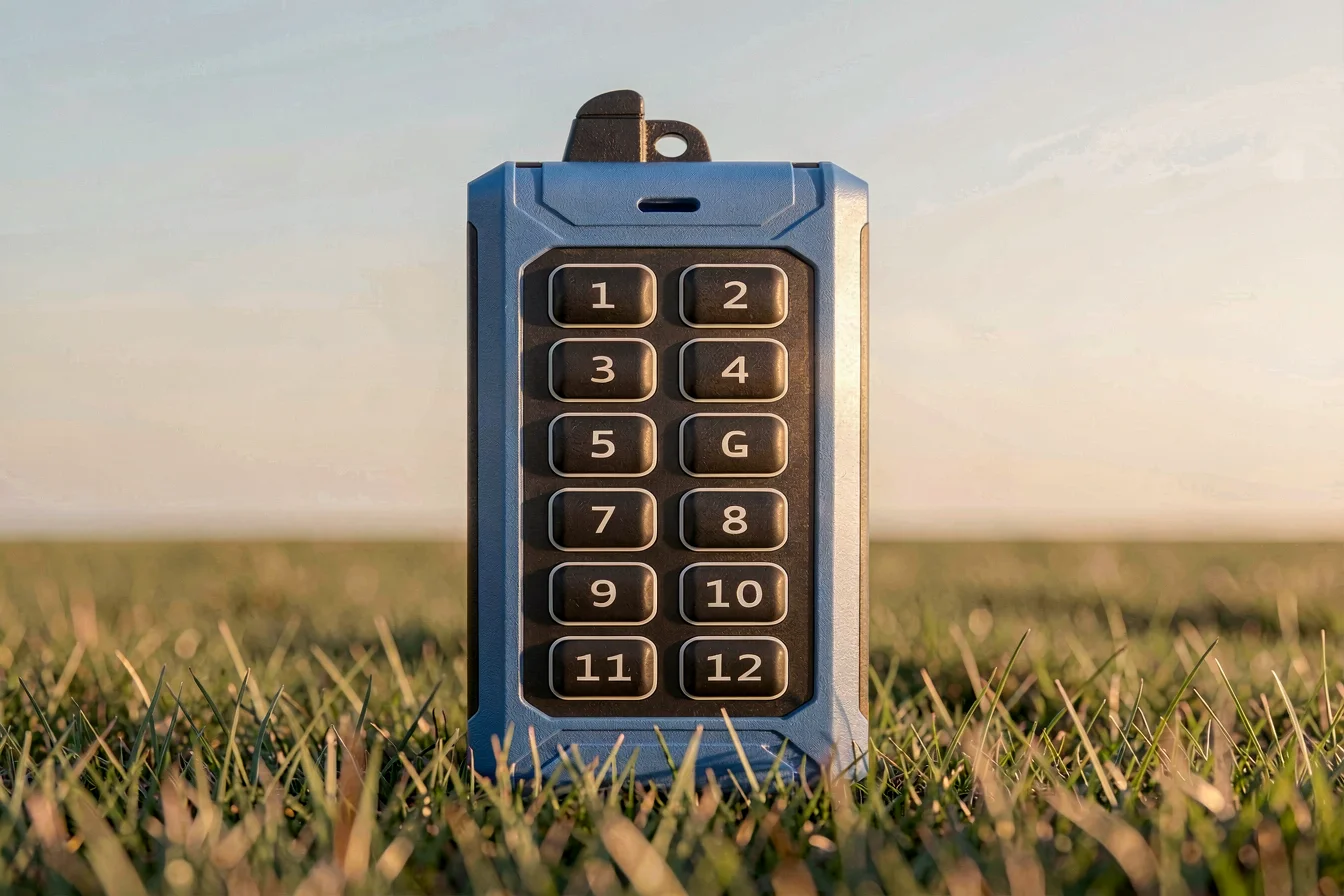
The wireless remote control category addresses the need for remote operation in both consumer and industrial settings, with each product type solving distinct pain points. The 3km range wireless remote control is engineered for environments where distance, signal reliability, and robustness are critical, such as industrial automation, outdoor security, and large-scale agricultural or construction sites. It targets buyers who need uninterrupted operation across large premises or challenging terrain.
Meanwhile, the short range wireless remote control excels in compact, cost-sensitive applications—home automation, small business, and consumer electronics—where simplicity and affordability outweigh the need for extreme range. Its pain points center on plug-and-play convenience, ease of integration, and low price, but it often lacks the durability and advanced features found in long-range solutions.
Technological innovations in the 3km range segment include FSK/spread spectrum technology, LoRa modes, and IP67/IP68 ratings, ensuring reliable signal transmission and environmental resilience[2]. Short-range products typically use simpler RF or infrared technology, prioritizing affordability and ease-of-use.
| Feature | 3km Range Wireless Remote Control | Short Range Wireless Remote Control |
|---|---|---|
| Range | Up to 3km | Up to 100m |
| Technology | LoRa, FSK, Spread Spectrum | Simple RF, Infrared |
| Durability | IP67/IP68, weatherproof | Basic, indoor use |
| Price | $187–$203 | $20–$30 |
| Certifications | CE, FCC, ISO | CE, FCC |
| Target Audience | Industrial, outdoor, large-scale | Consumer, small business |
The 3km range variant provides unmatched reliability for demanding environments, while the short range solution is optimized for affordability and ease of use.
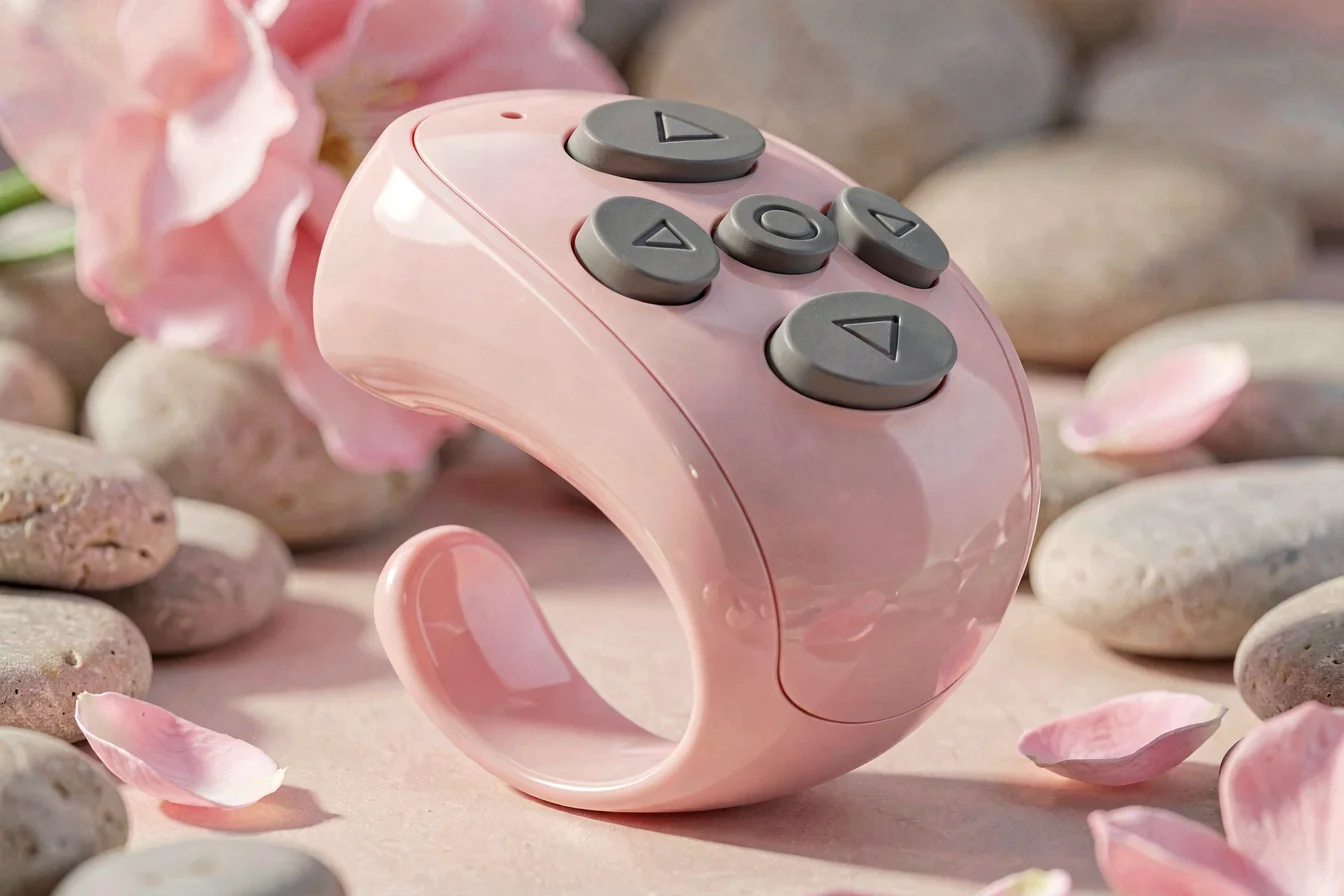
Durability is a critical factor when selecting a wireless remote control. The 3km range wireless remote control typically features IP67/IP68 protection, ensuring operation in harsh conditions and extended lifespan (5+ years with proper maintenance)[2]. Its robust construction is ideal for outdoor, industrial, and agricultural applications, minimizing downtime and reducing replacement costs.
Short-range products, while less durable, are built for indoor environments, offering lower upfront costs and simpler maintenance. Their lifespan is typically 2–3 years, with more frequent replacements required in demanding settings.
Application scenarios further differentiate the two: 3km range units excel in large-scale automation, security, and remote asset management; short-range units are best for home automation, consumer electronics, and small business operations. Buyers must weigh initial cost, durability, and maintenance against application demands.
Long-term cost evaluation reveals that 3km range solutions require higher upfront investment but offer lower maintenance and replacement frequency, yielding better ROI in demanding environments. Short-range units, though cheaper, incur higher replacement costs and may require additional accessories for extended use.
| Cost Factor | 3km Range Wireless Remote Control | Short Range Wireless Remote Control |
|---|---|---|
| Initial Price | $187–$203 | $20–$30 |
| Maintenance | Low (weatherproof, robust) | Medium (indoor, basic) |
| Replacement Frequency | Rare (5+ years) | Frequent (2–3 years) |
| Hidden Costs | Minimal (installation, warranty) | Higher (accessories, replacements) |
| 5-Year Total Cost | $190–$210 | $100–$120 |
For buyers prioritizing durability and long-term reliability, the 3km range solution offers superior value despite higher upfront costs.
The wireless remote control market is shaped by rapid urbanization, expanding industrial automation, and the rise of e-commerce-driven home automation. Both 3km range wireless remote control and short range wireless remote control serve distinct application scenarios, reflecting divergent buyer priorities.
Market data shows “long distance RF remote control” queries outpacing both 3km and short-range solutions, signaling increased professional demand[1]. Urbanization and e-commerce growth drive short-range adoption in consumer and retail sectors, while industrial and outdoor applications fuel interest in long-range variants.
Google Trends analysis reveals that “long distance RF remote control” queries are consistently higher than both 3km and short-range variants, with peaks in August and November 2025, indicating surges in professional procurement[1]. Short-range queries remain steady, reflecting ongoing consumer demand. This suggests buyers should monitor seasonal spikes for optimal procurement timing.
Search Interest over Time
Professional buyers should track seasonal spikes to optimize procurement, while consumer buyers benefit from steady short-range demand.
Reddit and social media discussions highlight contrasting user experiences. Professional buyers in industrial and outdoor settings praise the 3km range wireless remote control for its reliability and robustness, often citing the ability to operate equipment across large premises without interruption. In contrast, short-range users prioritize affordability and simplicity, with some expressing frustration over limited range and durability.
Case Study 1: Industrial Buyer – ClayBusters (Reddit)
A user in the r/ClayBusters community wanted to set up a trap course across multiple acres. After researching options, they settled on a 3km range wireless remote control system for its ability to control multiple traps from a single transmitter. They noted, “I have 9 Atlas traps and run Long Range receivers and transmitters on all but the Tri-axis. No buyers remorse!”[6] The system’s reliability and multi-channel flexibility were critical for their operation.
Case Study 2: Consumer Buyer – FocusPuller (Reddit)
A user in r/focuspuller needed a wireless remote for camera control while riding a bike. They opted for a compact, short-range solution: “Ended up with a SmallRig remote (5207 Wireless Remote)... The only downside is that the camera is slow to respond when you let go of the shutter button, so you sometimes end up with too many shots in multi-shot modes.”[7] While satisfied with the price and convenience, they noted limitations in responsiveness and durability.
“I have 9 Atlas traps and run Long Range receivers and transmitters on all but the Tri-axis. No buyers remorse!” [6]
“The only downside is that the camera is slow to respond when you let go of the shutter button, so you sometimes end up with too many shots in multi-shot modes.” [7]
| Dimension | 3km Range Wireless Remote Control | Short Range Wireless Remote Control |
|---|---|---|
| Overall Satisfaction | High (industrial, outdoor) | Moderate (consumer, small business) |
| Most Praised Feature | Reliability, range | Affordability, simplicity |
| Most Common Complaint | Setup complexity, interference | Limited range, durability |
| Community Recommendation Rate | High (industrial forums) | Moderate (consumer forums) |
Viral content themes include debates over setup complexity versus plug-and-play ease, durability versus affordability, and reliability in challenging environments versus convenience in everyday use. Cultural reception is positive for both, but long-range solutions are favored in professional and outdoor communities.
Real-world feedback confirms that buyers must align their choice with operational requirements and user environment.
Buyers should begin by identifying their core needs: primary use case, budget range, must-have features, and environmental conditions. Key questions include:
Tiered recommendations:
| Tier | Recommended Product | Key Reason |
|---|---|---|
| Budget-Friendly | Short Range Wireless Remote Control | Low cost, easy integration |
| Mid-Range | Short Range Wireless Remote Control | Affordability, sufficient for home/small business |
| Premium/Industrial | 3km Range Wireless Remote Control | Reliability, durability, advanced features |
Optimization tips: Buy during seasonal spikes for best pricing; bundle with accessories for extended use; prioritize weatherproofing and advanced features for demanding environments; avoid under-specifying for critical applications.
Careful segmentation ensures buyers select the optimal solution for their operational needs and budget.
Synthesizing insights, buyers should prioritize the 3km range wireless remote control for demanding industrial and outdoor applications where reliability and durability are paramount. Short-range units remain the default for cost-sensitive, everyday use cases. Market trends suggest continued growth in both segments, with professional buyers increasingly favoring advanced long-range solutions.
For the next 6–12 months, buyers should monitor seasonal demand spikes, leverage bundled procurement strategies, and ensure compliance with certifications. Consumers are encouraged to share their experiences to help shape future product improvements, while commercial buyers are urged to source from trusted platforms like Alibaba.com for best-in-class solutions.
Confident procurement begins with aligning product choice to operational requirements and market trends—share your experiences and source from leading platforms for optimal results.