
All categories
Featured selections
Trade Assurance
Buyer Central
Help Center
Get the app
Become a supplier
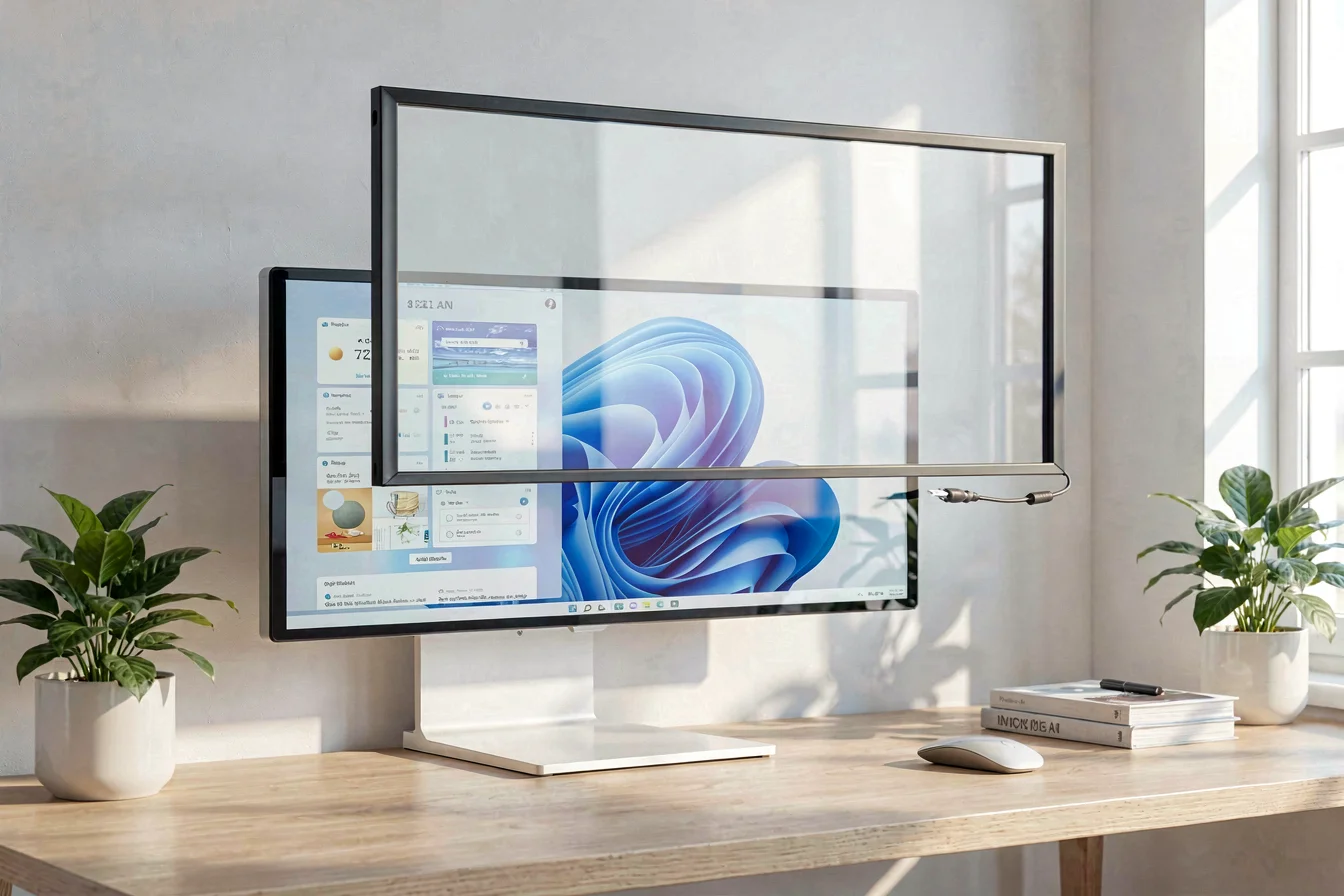
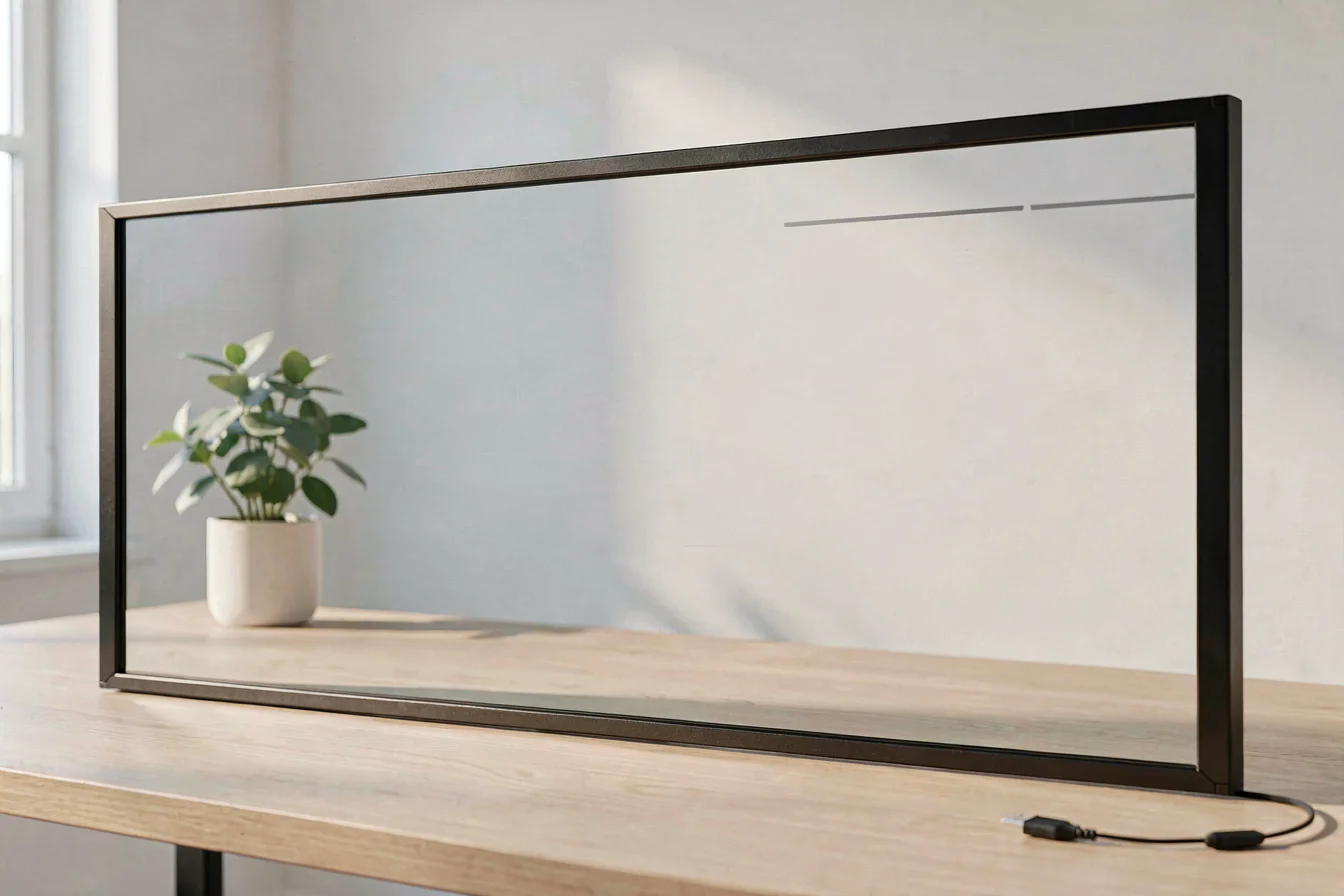
For institutional and commercial buyers, a 55-inch IR Touch Frame provides a larger touch area and enhanced visibility, ideal for collaborative or public-facing installations, while a 43-inch IR Touch Frame offers cost efficiency and space flexibility, making it optimal for smaller rooms or budget-sensitive deployments. Recent Google Trends data indicates rising demand for larger frames, but smaller units remain essential for modular setups[1]. Buyers should weigh touch surface, cost, and installation environment to align procurement with operational goals.

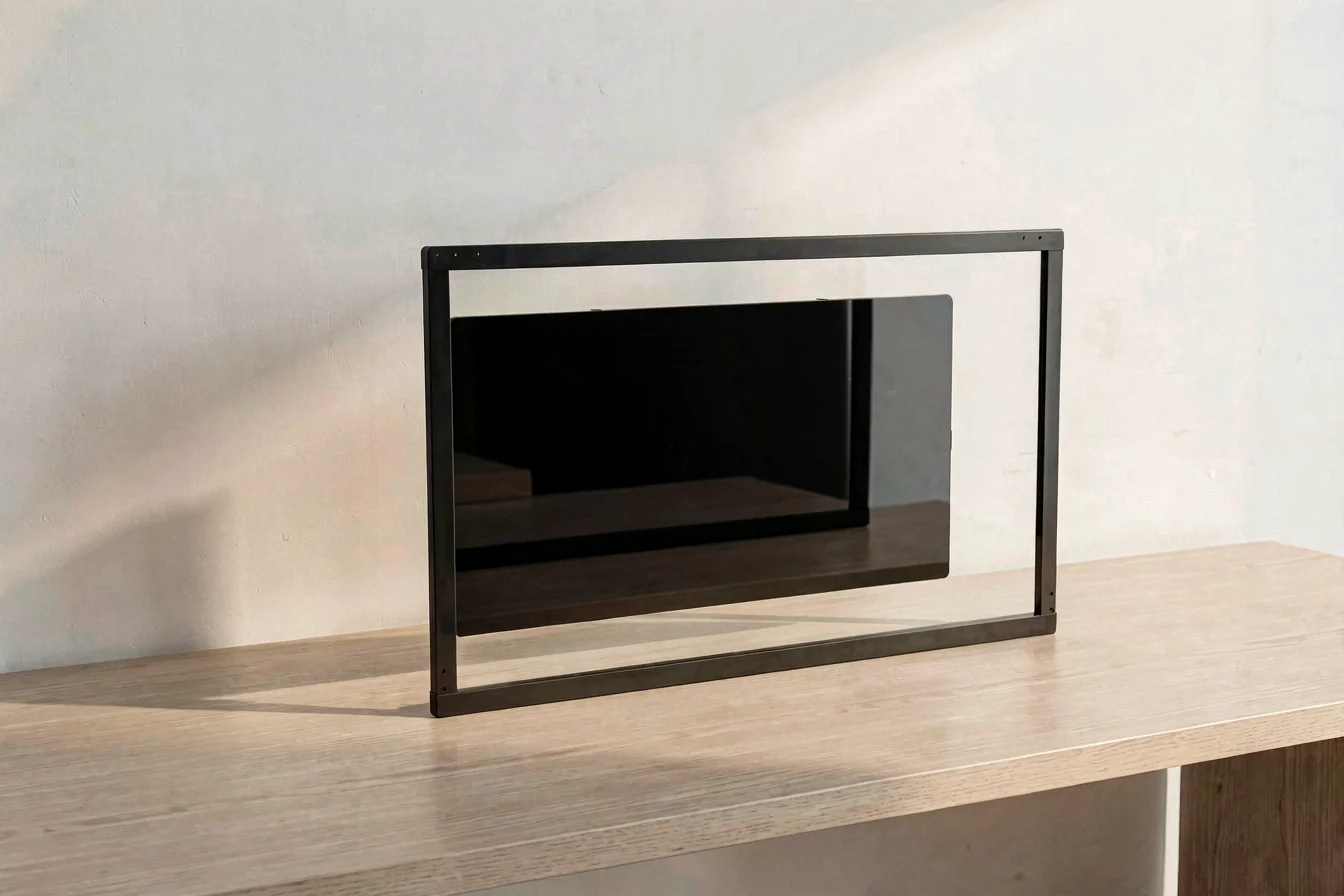
The core value of IR Touch Frames lies in their ability to transform standard displays into interactive surfaces for collaboration, presentations, and public information systems. A 43-inch IR Touch Frame targets buyers needing compact, affordable solutions for small rooms, kiosks, and modular installations, while a 55-inch IR Touch Frame appeals to buyers requiring larger touch surfaces for group work, public displays, or multi-user applications.
Traditionally, 43-inch models are favored for their cost efficiency, ease of installation, and adaptability to smaller spaces, making them ideal for schools, clinics, or budget-constrained environments. In contrast, 55-inch models deliver broader touch area, improved visibility, and better multitouch performance, addressing the needs of larger meeting rooms, retail, and hospitality settings. Technological innovations—such as improved IR calibration, USB connectivity, and modular mounting—have reduced installation complexity and enhanced user experience for both sizes[2][7].
The decision hinges on balancing touch surface, cost, and installation flexibility against the operational demands of the target environment.
| Feature | 43 Inch IR Touch Frame | 55 Inch IR Touch Frame |
|---|---|---|
| Touch Surface | Compact, ideal for small rooms | Larger, supports group work |
| Price Range | $250–$400 | $400–$700 |
| Installation Complexity | Easy, modular mounting | Moderate, more robust mounting |
| Visibility | Limited, best for small audiences | Broad, ideal for public spaces |
| Multitouch Performance | Good, supports basic multitouch | Excellent, advanced multitouch |
| Best Use Case | Small rooms, kiosks, clinics | Meeting rooms, retail, hospitality |
Table data sourced from Reddit user reviews and Google Trends[1][2][7].
Durability and application flexibility are pivotal for institutional buyers. The 43-inch IR Touch Frame is generally more robust in smaller, controlled environments, with less stress on the frame and display, while the 55-inch model must withstand higher touch volume and more frequent use, making material quality and mounting critical. Both models typically feature IR technology that is resilient to minor impacts and dust, but larger frames may require periodic recalibration or maintenance due to increased surface area.
Application scenarios differ: 43-inch frames excel in clinics, classrooms, or retail kiosks where touch is limited to a few users, while 55-inch models shine in public information displays, large meeting rooms, or interactive exhibits where multiple users engage simultaneously. Over a 5-year period, the 43-inch unit benefits from lower initial and replacement costs, while the 55-inch model incurs higher upfront investment but may reduce the need for multiple smaller units.
Long-term cost is shaped by installation complexity, maintenance frequency, and replacement needs—buyers should factor in both initial and ongoing expenses.
| Cost Factor | 43 Inch IR Touch Frame | 55 Inch IR Touch Frame |
|---|---|---|
| Initial Purchase Price | $250–$400 | $400–$700 |
| Installation & Mounting | Low, simple mounting | Medium, more robust mounting |
| Maintenance Frequency | Low, minimal touch volume | Medium, higher touch volume |
| Replacement Cycle | 5–7 years | 5–7 years |
| Total 5-Year Cost | $400–$600 | $650–$1000 |
Table data sourced from Reddit user reviews and industry pricing[2][7].
The IR Touch Frame market is rapidly evolving, with demand driven by digital transformation, hybrid work, and smart infrastructure. Buyers must select the right size based on the operational context: 43-inch units are favored for cost-conscious, modular deployments, while 55-inch units are increasingly adopted for collaborative and public-facing applications.
Market trends show rising demand for larger touch surfaces, but smaller frames remain essential for modular and scalable deployments.
Google Trends data (March 2025–March 2026) shows that interest in 55-inch IR Touch Frames has consistently outpaced 43-inch units, peaking in December 2025 and early 2026[1]. This signals a shift toward larger touch solutions for institutional and commercial buyers, likely driven by the demand for collaborative and public-facing installations.
Search Interest over Time
Actionable insight: Buyers should prioritize larger touch frames for collaborative and public-facing applications, but maintain smaller units for modular and budget-sensitive setups.
Reddit and TikTok discussions highlight practical experiences with both frame sizes. Users praise the ease of mounting and multitouch responsiveness, but note cable clutter and cost as pain points. Community sentiment is positive for both, but larger frames are favored for collaborative spaces; smaller frames win for budget and flexibility.
Case Study 1: 43-inch IR Touch Frame for Smart Mirror Integration
A Reddit user integrated a GreenTech 43-inch IR Touch Frame into a DIY smart mirror, achieving seamless touch functionality at $200 with easy calibration and robust multitouch support[2]. The user noted, "The IR touch response is remarkably good, and supports many-point multitouch. It's quickly become the hub for all the smart stuff in our small apartment."
"The dashboard uses the AMOLED theme... WallPanel to hide the top and side bars... The cables are obviously a little ugly, and we're considering covering up the parts of the mirror that aren't inside the touch frame to make it look a little more seamless."
Case Study 2: 55-inch IR Touch Frame for Hospitality and Retail
A Reddit user discussed a Samsung 55-inch Frame TV, noting installation challenges and value for public-facing use[5]. The user reported, "Frame TVs are thin by design and that does make them more prone to slight warping or bowing, but a noticeable curve is not normal and is usually a defect or shipping damage. Some users have reported similar issues and Samsung has replaced units under warranty." The community recommended larger frames for collaborative spaces but warned about higher cost and maintenance.
"For what it's worth, a lot of people end up disappointed with Frame TVs because the picture quality doesn't match the price point. They're really designed as art pieces first and TVs second."
| Dimension | 43 Inch IR Touch Frame | 55 Inch IR Touch Frame |
|---|---|---|
| Overall Satisfaction | High for small rooms, budget setups | High for public and collaborative spaces |
| Most Praised Feature | Easy mounting, multitouch | Larger touch area, visibility |
| Most Common Complaint | Cable clutter, limited touch area | Higher cost, installation complexity |
| Community Recommendation Rate | High for budget and modular use | High for collaborative and public use |
Viral content themes include DIY installations, multitouch responsiveness, and cost efficiency. Debate points focus on cable management, touch surface size, and long-term value. Cultural reception is positive for both, with larger frames trending in public-facing applications.
Buyers should start with a checklist: What is the primary use case? Is the touch surface critical for multiple users or public engagement? What is the available budget and installation space? Are advanced multitouch features required?
| Tier | Recommended Product | Key Reason |
|---|---|---|
| Budget-Friendly | 43 Inch IR Touch Frame | Low cost, easy installation |
| Mid-Range | 55 Inch IR Touch Frame | Larger touch area, better visibility |
| Premium | 55 Inch IR Touch Frame | Advanced multitouch, public-facing |
Optimization tips: Buy during seasonal promotions for best pricing; bundle with compatible displays and mounting hardware; prioritize cable management and mounting flexibility; avoid common mistakes like underestimating touch volume or neglecting installation requirements.
Buyers should align frame size with operational context, budget, and user volume for optimal ROI and user experience.
Key insights: Larger IR Touch Frames are trending, driven by collaborative and public-facing needs, but smaller units remain vital for modular and budget-sensitive deployments. Buyers should prioritize touch surface, installation flexibility, and long-term cost efficiency when sourcing. Expect continued innovation in IR calibration, modular mounting, and multitouch performance.
For the next 6–12 months, buyers should anticipate rising demand for larger touch frames, but maintain smaller units for flexible and scalable deployments. Share your experiences on Reddit and TikTok to inform future buyers; commercial buyers should leverage Alibaba.com for wholesale sourcing, optimizing for touch surface, installation, and long-term value.