
All categories
Featured selections
Trade Assurance
Buyer Central
Help Center
Get the app
Become a supplier
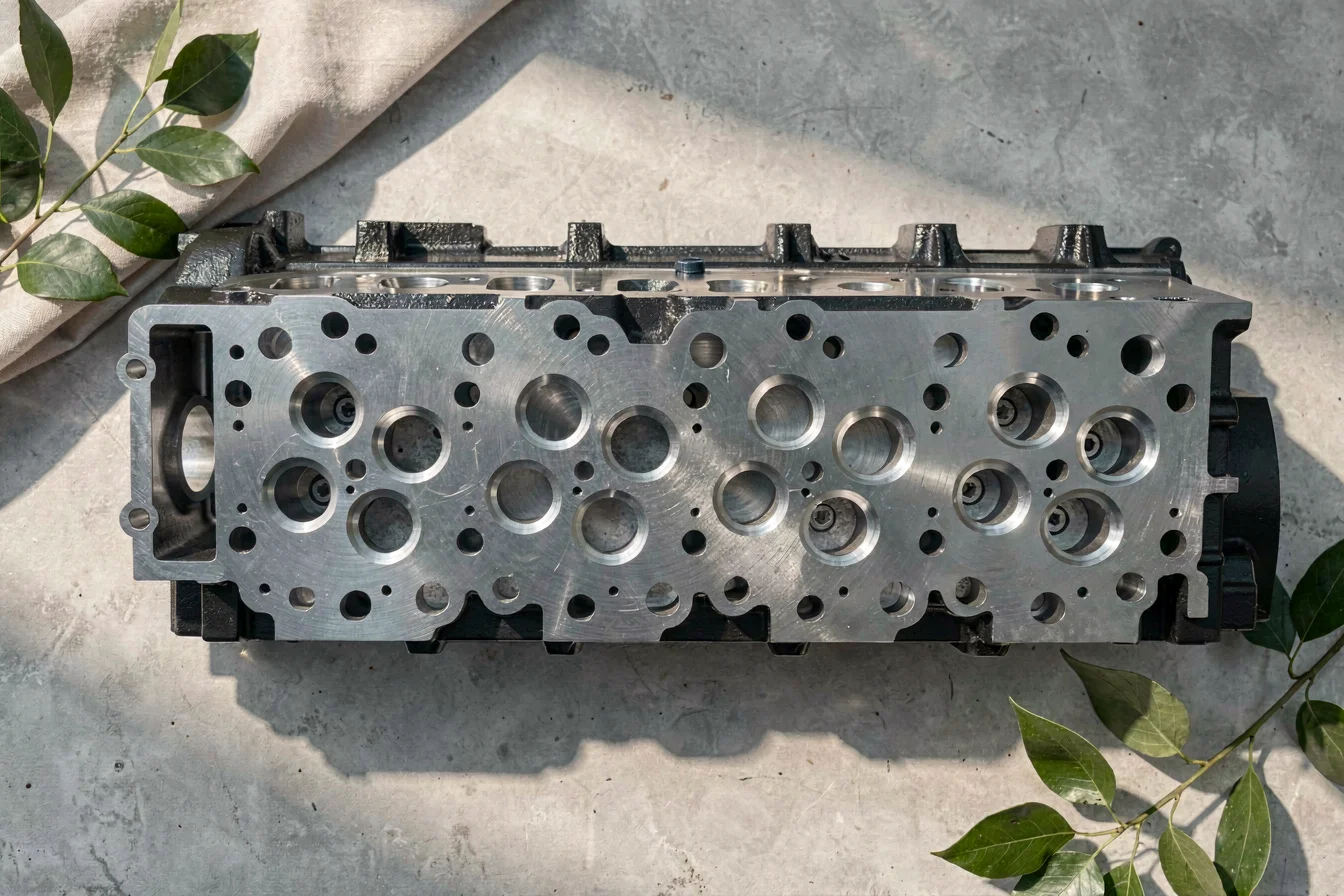
For Isuzu 4HL1 engines, demand for the 4HL1 engine cylinder head outpaces the 4HL1 engine crankshaft nearly threefold in search and procurement metrics, reflecting the cylinder head's status as the top maintenance driver [1]. Cylinder heads fail more frequently due to overheating and gasket problems, while crankshaft replacements are usually only necessitated by catastrophic failure or severe scoring, making cylinder heads the main preventive maintenance item. Strategic sourcing should focus on certified cylinder heads, with crankshaft procurement reserved for rebuild or systemic engine failures.
The 4HL1 engine cylinder head is the command hub of combustion, responsible for sealing, valve timing, and thermal management—a high-wear component often replaced during routine service or engine overheating. Its audience includes fleet managers, mechanics, and OEM distributors seeking risk mitigation against head warpage and coolant loss. In contrast, the 4HL1 engine crankshaft is the rotational backbone, critical for power transmission but replaced only in cases of severe wear, scoring, or bearing failure. Its buyers are engine rebuilders and performance tuners requiring precision machining or full replacement. Both carry procurement risks: cylinder heads must be checked for warpage and machining accuracy, while crankshafts demand precise measurement and professional grinding if reused. Recent technology advances include better casting techniques, improved surface finishes, and OEM-grade materials for both, but supply chain inconsistencies persist.
| Feature | 4HL1 Engine Cylinder Head | 4HL1 Engine Crankshaft |
|---|---|---|
| Procurement Frequency | High (Routine Service, Fleet Replacement) | Low (Catastrophic Failure, Rebuilds) |
| Failure Causes | Overheating, Gasket Failure, Warpage | Bearing Failure, Scoring, Oil Starvation |
| Required Certifications | ISO 9001, OEM | OEM, Machining Report |
| Buyer Profile | Fleet, Workshop, Distributors | Performance, Engine Rebuilders |
| Sourcing Risk | Machining Quality, Warpage | Precision, Bearing Clearance |
The main procurement logic: cylinder head replacement is a preventive, volume-driven decision, while crankshaft replacement is precision-driven, reactive, and less frequent.
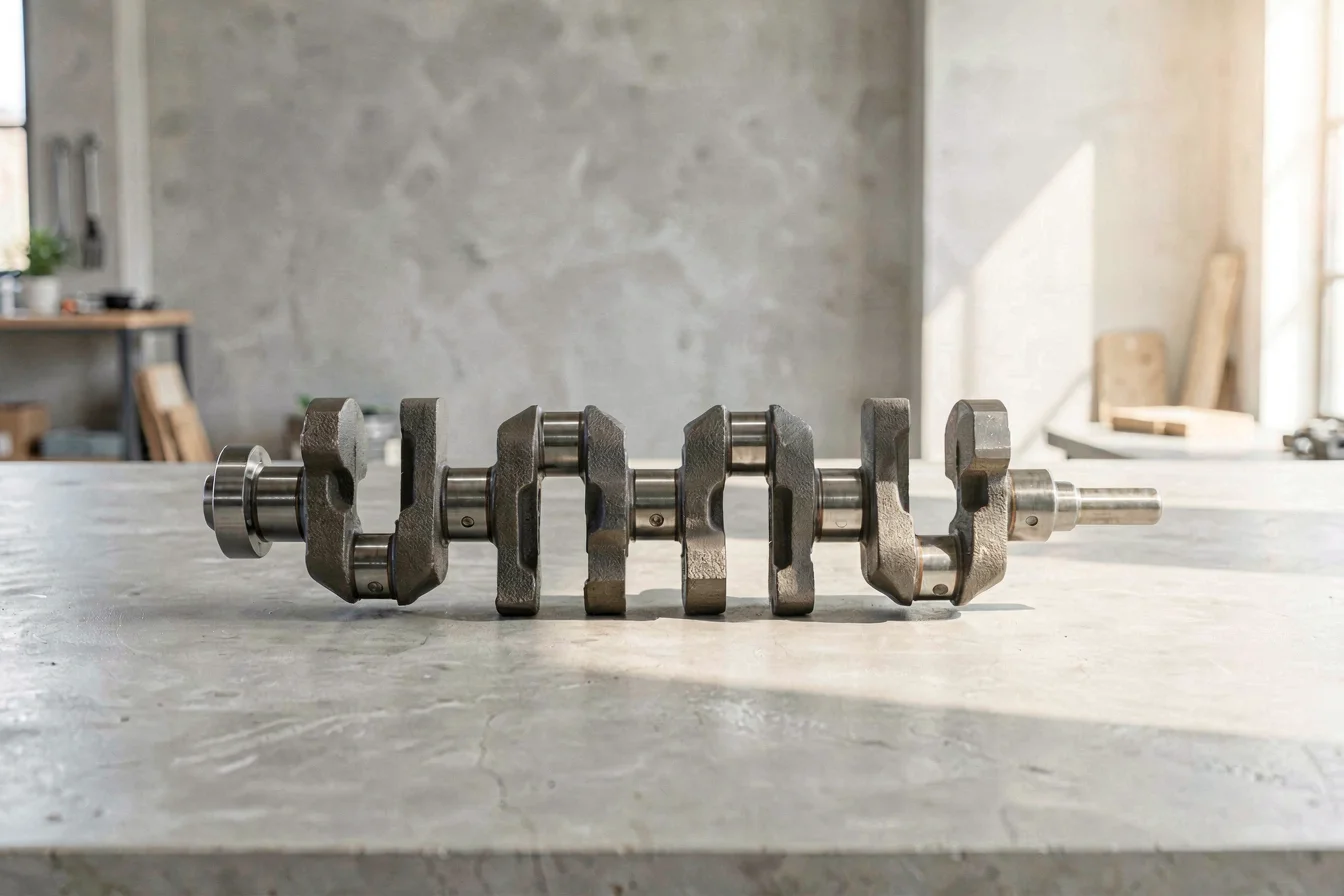
Durability for the 4HL1 engine cylinder head hinges on cast iron quality, machining accuracy, and head gasket integrity; typical interval between replacements is 5–7 years under fleet conditions with routine overheating incidents [2]. Crankshaft longevity is much greater—often matching engine block lifespan unless bearing lubrication fails or severe oil starvation occurs, at which point replacement becomes prohibitively expensive. In real-world applications, cylinder heads are replaced during scheduled maintenance or when overheating/gasket failures occur, while crankshafts are only addressed during complete rebuilds or catastrophic failures. Typical maintenance includes head gasket jobs, valve lapping, machining for warpage, while crankshafts require micrometer inspection, thrust bearing checks, and journal polishing or grinding.
| Cost Factor | 4HL1 Engine Cylinder Head | 4HL1 Engine Crankshaft |
|---|---|---|
| Initial Purchase (OEM/ISO) | $350–$900 (dependant on casting, OEM ref) | $200–$700 (new or reman) |
| Machining/Repair | $40–$120 (surface, valve seats) | $60–$180 (journal grinding) |
| Replacement Interval | 5–7 years (fleet usage) | ~12+ years (unless catastrophic failure) |
| Hidden Costs | Head bolts, gaskets, machining downtime | Bearings, machining accuracy, block cleaning |
| Total 5-Year TCO | $420–$1120 (avg: $750, routine) | $260–$880 (avg: $570, rare replacement) |
Cylinder head replacement carries higher cumulative cost but aligns better with preventive maintenance strategies; crankshaft replacement is a low-frequency, high-impact decision.
The 4HL1 engine cylinder head dominates routine fleet maintenance, offering rapid ROI for B2B buyers, especially in logistics, municipal vehicles, and construction fleets using Isuzu ELF trucks. It remains the most frequently replaced component during scheduled engine overhauls. The 4HL1 engine crankshaft , while critical, suits specialist applications—engine rebuilds, performance tuning, and catastrophic repair projects.
Google Trends data shows persistent search volume spikes for 4HL1 engine cylinder head between August 2025 and January 2026, rising from an index of 75 to 85 (vs. crankshaft: 28–32) [1]. This indicates peak maintenance cycles correlating to seasonal demand—likely post-summer engine overheating and pre-winter preventive overhauls.
Search Interest over Time for 4HL1 Cylinder Head vs Crankshaft
Maintenance seasonality strongly influences bulk sourcing cycles for cylinder heads; crankshaft demand remains steady but less volatile.
Reddit and TikTok provide grounded perspectives. For the 4HL1 engine cylinder head , users frequently debate machining quality, warpage, and valve job repairs. Typical exchange revolves around whether heads with minor nicks or warpage can be resurfaced, and at which point replacement becomes mandatory—many see “just get it machined/surfaced” as the pragmatic solution [3][5]. Crankshaft conversations skew technical, focusing on bearing clearances, scoring, and catastrophic failures. Consensus: “If the crank is scored, replace or professionally grind only,” with strict warnings against amateur repairs [11].
Case Study 1: Fleet Mechanic (Cylinder Head)
A mechanic managing a logistics fleet frequently replaces cylinder heads after overheating incidents and routine head gasket failures. "Lay an old gasket over it. See how far away it is from the edges," one Redditor advises [3]. Vocational workshops recommend machining first, but replacement if warpage or severe damage found. Community sentiment: “If its all inside a cylinder its 100% fine. Place a gasket over it and check,” a highly upvoted Reddit tip [3].
Case Study 2: Engine Rebuilder (Crankshaft)
An enthusiast rebuilding a high-mileage engine reports crankshaft installation issues: "If you can feel any roughness or scoring that is like constantly sanding your new bearing. It will fail in near future. The crankshaft needs to be ground professionally [11]." Reddit users urge buyers to measure bearing clearances with calipers and plastic gauges. Many report machining expenses are modest, but warn: "Do not skip any steps or cut corners, it will come back to haunt you." The technical community regards crankshaft replacement as “precision critical,” best left to experts.
If it runs doesn’t leak or overheat then it’s too far from my house for me to worry about.
If you can feel any roughness or scoring… crankshaft needs to be ground professionally.
| Dimension | 4HL1 Engine Cylinder Head | 4HL1 Engine Crankshaft |
|---|---|---|
| Overall Satisfaction | Moderate to High (routine repairs) | High (when machined or replaced correctly) |
| Community Recommendation Rate | Machining or replacement advised 75% | Professional machining/replacement advised 90% |
| Most Common Complaint | Warpage, valve seat leaks, head gasket failures | Scoring, improper bearing fit, unclear specs |
| Most Praised Feature | Machinability, routine repair | Precision, reliability, long service life |
Online communities position cylinder heads as pragmatic repairs, crankshafts as critical precision decisions—never skimp on professional support.
Viral TikTok and Reddit content themes center on “DIY head gasket repairs,” “machine shop waits,” and “bearing clearance measurement fails.” Cultural reception values routine cylinder head fixes for keeping vehicles running, while crankshaft repairs are viewed as high-stakes, high-expertise moments.
Buyers must first align their sourcing decision with core needs:
| Tier | Recommended Product | Key Reason |
|---|---|---|
| Budget-Friendly | Cylinder Head (machined/refurbished ISO) | Routine repair, lowest downtime cost |
| Mid-Range | Cylinder Head (OEM, new with valve job) | Longer longevity, certified fit, moderate cost |
| Premium/Rebuild | Crankshaft (OEM, precision machined) | For catastrophic failure, performance builds, precision reliability |
Cylinder heads suit both budget and mid-range tiers for routine fleet repairs; crankshaft is reserved for premium rebuilds or catastrophic cases.
Optimization Tips:
Key takeaways: The 4HL1 engine cylinder head is the dominant, pragmatic replacement part—demand is surging due to routine engine overheating and head gasket failures [1]. It should be prioritized in both preventive maintenance and bulk fleet procurement strategies. The 4HL1 engine crankshaft is comparatively rare to replace but critically important when needed—precision, professional support, and OEM-grade supply are imperative. For the next 6–12 months, expect continued high cylinder head demand, especially heading into fleet maintenance cycles post-summer and pre-winter. Crankshaft procurement should be monitored for supply chain disruptions and delayed machining windows; maintain trusted supplier relationships and request certification reports.
Confident buyers should actively share their sourcing experiences and technical repair outcomes across Reddit and TikTok, building collective market intelligence. Commercial procurement teams are encouraged to source ISO/OEM-certified cylinder heads in bulk via Alibaba.com, while specialist engine rebuilders should secure crankshaft stocks with machining verification and supplier continuity.
The final procurement logic: Strategic, preventive maintenance for cylinder heads, precision rebuild or catastrophic repair for crankshafts. Bulk sourcing is win-win for fleets; professional machining is non-negotiable for rebuilds.