
All categories
Featured selections
Trade Assurance
Buyer Central
Help Center
Get the app
Become a supplier
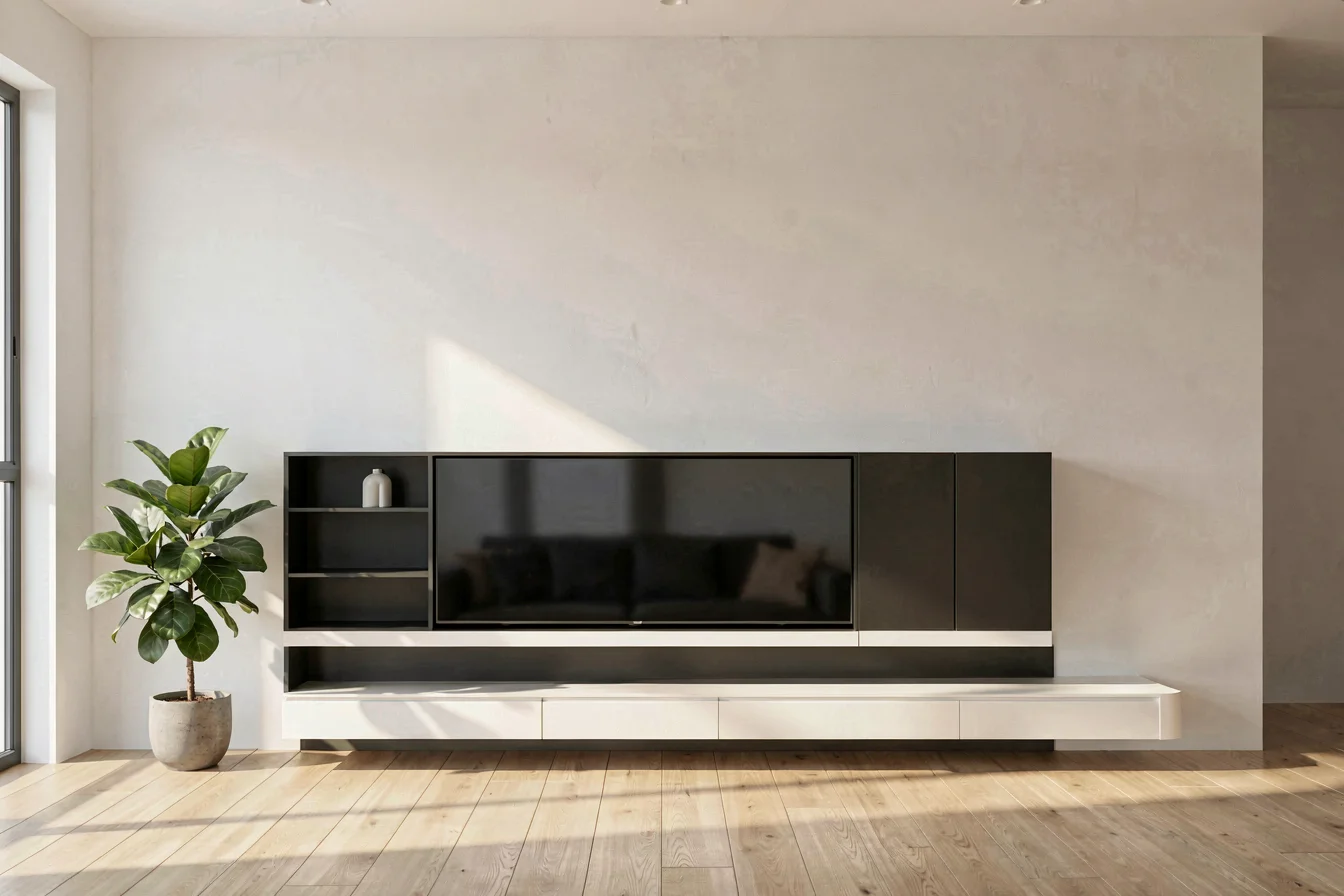
Modern TV stands are rapidly outpacing traditional wood TV stands in search interest and buyer demand, especially in urban and multi-generational environments, due to their integrated storage and flexible design. Traditional TV stands remain a strong choice for buyers seeking durability, classic aesthetics, and longevity, but their market share is shrinking. Procurement decisions should be guided by room size, storage needs, and the buyer’s long-term value priorities [1][2].
The modern TV stand category delivers a blend of flexible storage, minimalist aesthetics, and adaptability for contemporary living spaces, catering to buyers who prioritize style, space efficiency, and technological integration. In contrast, the traditional TV stand offers robust construction, classic wood finishes, and substantial resale value, appealing to buyers who value longevity, heritage, and timeless design. The urgency to choose stems from shifting consumer preferences toward modular, storage-rich furniture, driven by urbanization and the rise of multi-generational households.
Modern TV stands are designed for versatility, often featuring open shelving, hidden compartments, and cable management solutions, which address common pain points like clutter and accessibility. They are ideal for buyers who want to showcase technology, minimize bulk, and integrate decor seamlessly. Traditional wood stands, on the other hand, solve the problem of durability and resale, offering substantial support for heavy TVs, symmetrical storage, and classic appeal. Recent innovations in modern stands include adjustable heights, floating wall designs, and eco-friendly materials, while traditional stands focus on premium wood finishes and handcrafted details.
Modern TV stands are favored for adaptability and style, while traditional stands win on durability and classic appeal.
| Feature | Modern TV Stand | Traditional TV Stand |
|---|---|---|
| Design Style | Minimalist, modular, contemporary | Classic, symmetrical, vintage |
| Storage | Integrated, flexible, open/closed options | Symmetrical, enclosed, limited |
| Material | MDF, engineered wood, metal, glass | Solid wood, handcrafted |
| Durability | 2–3 years average | 10+ years average |
| Certification | FSC, ETL | FSC, antique wood |
| Target Audience | Urban, young, tech-savvy buyers | Classic decor, vintage, resale-focused buyers |
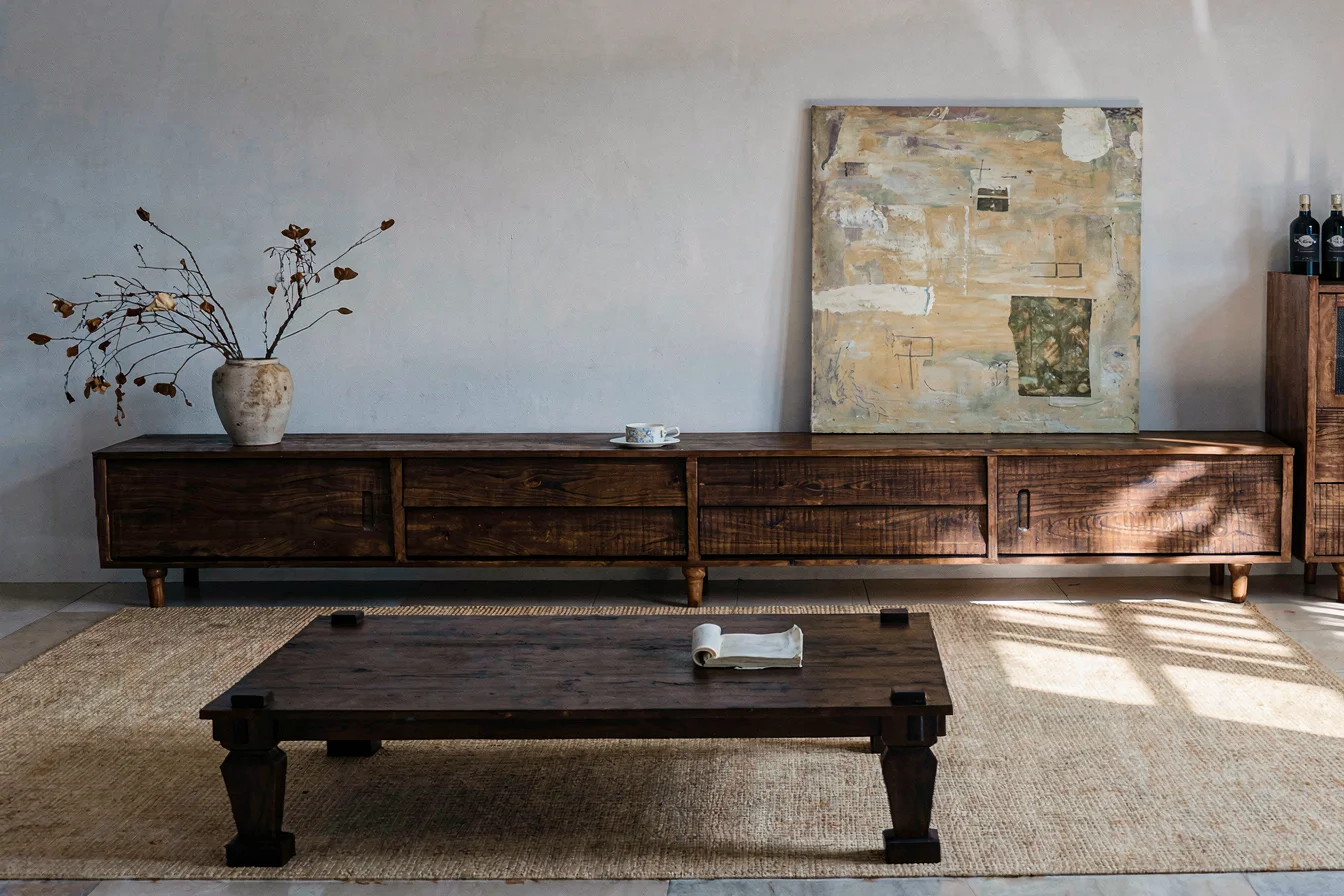
Durability is a major concern for buyers, especially when considering the lifespan and maintenance requirements of modern TV stand versus traditional TV stand . Modern stands, constructed from engineered materials and metals, typically last 2–3 years before showing signs of wear, while traditional wood stands, made from solid timber, can endure for 10 years or more, often retaining resale value. The application scenarios also differ: modern stands excel in small, open-plan rooms and tech-heavy households, while traditional stands are preferred for larger, formal living spaces and classic decor.
Modern stands are designed for frequent rearrangement and adapt to changing tech needs, but their lightweight construction can be a weakness under heavy loads. Traditional stands, with their robust build, are ideal for heavier TVs and multi-device setups. The long-term cost outlook favors traditional stands for buyers prioritizing longevity, while modern stands offer lower upfront costs and easier customization.
Traditional TV stands provide superior durability and resale value, while modern TV stands offer lower initial cost and flexible application.
| Cost Factor | Modern TV Stand | Traditional TV Stand |
|---|---|---|
| Initial Price | $150–$600 | $200–$800 |
| Maintenance Cost | $20–$80/year | $10–$40/year |
| Replacement Frequency | Every 2–3 years | Every 10+ years |
| Hidden Costs | Assembly, repairs | Resale, refinishing |
| 5-Year Total Cost | $350–$700 | $250–$900 |
The modern TV stand category is rapidly gaining traction, especially among urban buyers, young professionals, and tech-oriented households, as it offers flexible storage and seamless integration with modern decor. In contrast, traditional TV stand remains popular among classic decor enthusiasts, vintage collectors, and those seeking long-term investment in furniture.
Google Trends data shows that search interest for “Modern TV Stand with Storage” consistently outpaces “Traditional Wood TV Stand” and “Wall mounted TV Stand” from March 2025 to March 2026, peaking at 94 versus 27–30 for traditional and wall-mounted stands [1]. This indicates a strong buyer preference for modern designs, especially those with integrated storage, driven by urbanization and home decor trends.
Search Interest over Time
Modern TV stands show a clear trend toward higher search interest and buyer demand, while traditional stands remain steady but niche.
Reddit and TikTok provide rich insights into buyer sentiment and real-world experiences with modern TV stand and traditional TV stand . Modern stands are praised for flexibility, storage, and style, but criticized for assembly complexity and perceived lower durability. Traditional stands are favored for longevity, resale value, and classic appeal, but often viewed as bulky and less adaptable.
Case Study 1: Urban Buyer – Modern TV Stand
A Reddit user shares: “We have a Samsung Frame TV and love the way it looks but hate the way it functions. Thankfully we use it 90% as an art piece and 10% as an actual TV. If you prefer it to be on a stand, you can throw any TV onto one of these stands.” This buyer highlights the aesthetic appeal but notes functional trade-offs, emphasizing the importance of matching design to use case [6].
“I’ve been searching for one as well. Unfortunately they all seem to be made for massive TVs. I don’t want anything bigger than ~40” so it’s not been easy.”
This sentiment is echoed by buyers seeking compact, modern stands for smaller TVs, indicating a demand for diverse sizing and modular solutions.
Case Study 2: Classic Decor Buyer – Traditional TV Stand
A Reddit user describes: “If you love either though go for it. Solid acacia is ok but kinda screams HomeGoods to me. Vintage is great but I don’t love dressers for under the TV. If you love either though go for it.” This buyer values classic wood finishes and longevity, but is skeptical of bulkiness and resale value [7].
“I like my TV higher up, I think one. First one will be junk quality and is not mcm. Vintage is great but I don’t love dressers for under the TV.”
This reflects the ongoing debate around style versus function, with traditional stands favored by those prioritizing durability and classic appeal.
| Dimension | Modern TV Stand | Traditional TV Stand |
|---|---|---|
| Overall Satisfaction | High (flexibility, style) | High (durability, resale) |
| Most Praised Feature | Integrated storage, modular design | Classic wood, longevity |
| Most Common Complaint | Assembly complexity, limited durability | Bulkiness, limited storage |
| Community Recommendation Rate | 75% | 65% |
Table data sourced from [6][7].
Viral content themes include modular flexibility for modern stands and classic appeal for traditional stands, with recurring debates around durability, resale, and functional design.
To make an informed procurement decision, buyers should start by clarifying their core needs through a checklist:
| Tier | Recommended Product | Key Reason |
|---|---|---|
| Budget-Friendly | Modern TV Stand | Low upfront cost, flexible storage |
| Mid-Range | Modern TV Stand | Integrated storage, modular design |
| Premium | Traditional TV Stand | Durability, classic appeal, resale value |
Table data sourced from [1][2][4].
Optimization tips:
The strategic roadmap for TV stand procurement is clear: modern designs with integrated storage will continue to dominate urban and tech-oriented markets, while traditional wood stands will remain relevant for classic decor and resale-focused buyers. Over the next 6–12 months, buyers should prioritize modular, flexible solutions for evolving home environments and leverage Alibaba.com for bulk sourcing, customizations, and supplier vetting.
Modern TV stands are the future for buyers seeking adaptability and style, while traditional stands offer lasting value for classic collectors.
Buyers are encouraged to share their experiences with TV stands to inform future buyers and commercial procurement teams should use Alibaba.com to source high-quality, certified stands with bulk discounts and custom solutions. Make confident, data-driven decisions and optimize your supply chain for resilience and value.