
All categories
Featured selections
Trade Assurance
Buyer Central
Help Center
Get the app
Become a supplier
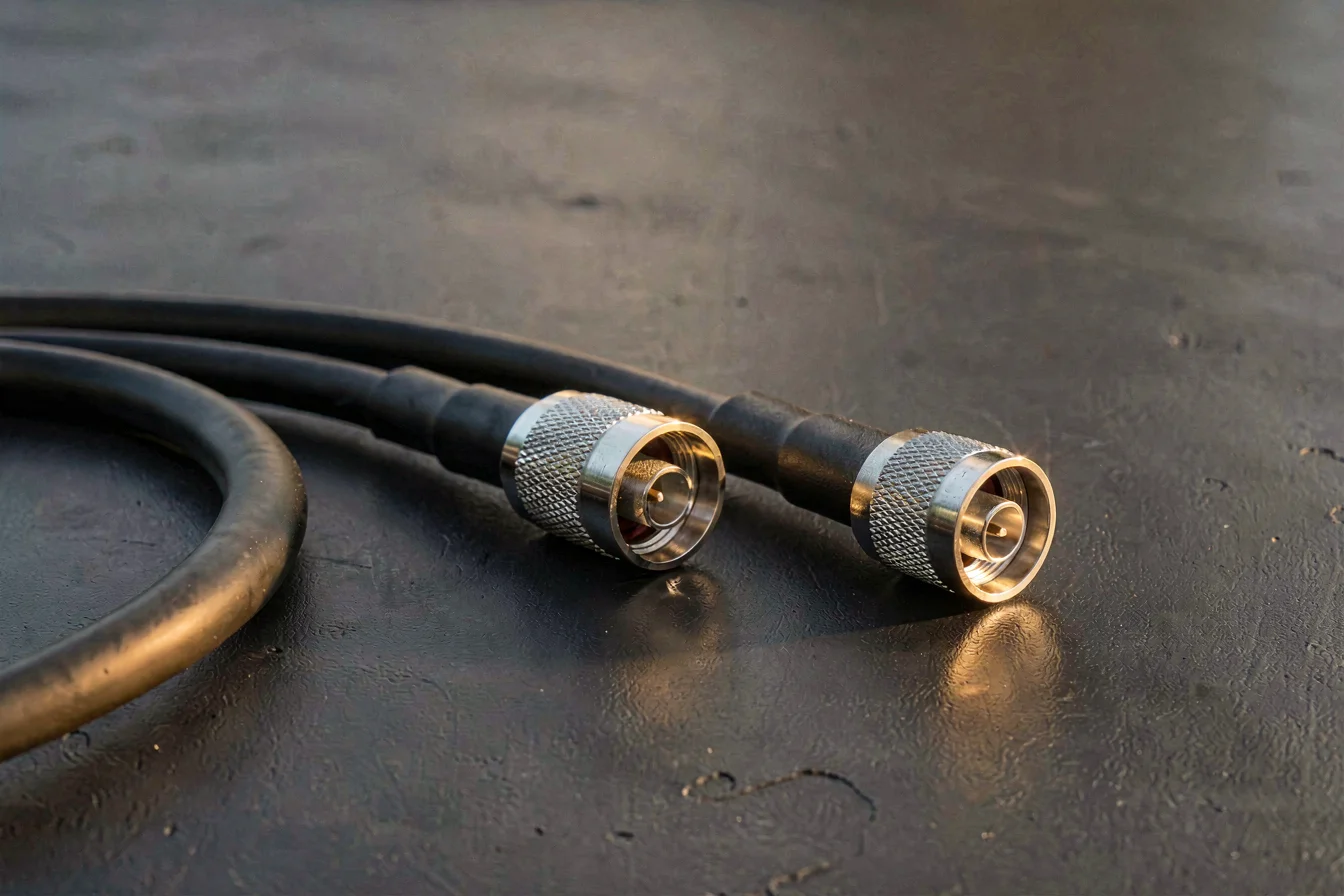
The 5d coaxial cable and FB coaxial cable (specifically 5D-FB) are both designed for reliable RF communications, but the FB variant, thanks to bonded shielding and superior attenuation, is increasingly favored for advanced, longer-range, and higher-frequency scenarios such as broadcasting, DAS, and wireless base stations [3][4]. Recent trends and buyer feedback indicate that FB-type cables deliver measurable improvements in signal integrity and are most viable for modern commercial applications requiring robust performance. Decision-makers should weigh attenuation, shielding efficiency, connector compatibility, and long-term TCO when sourcing—new builds and upgrades lean heavily toward FB for future-proofing [1].
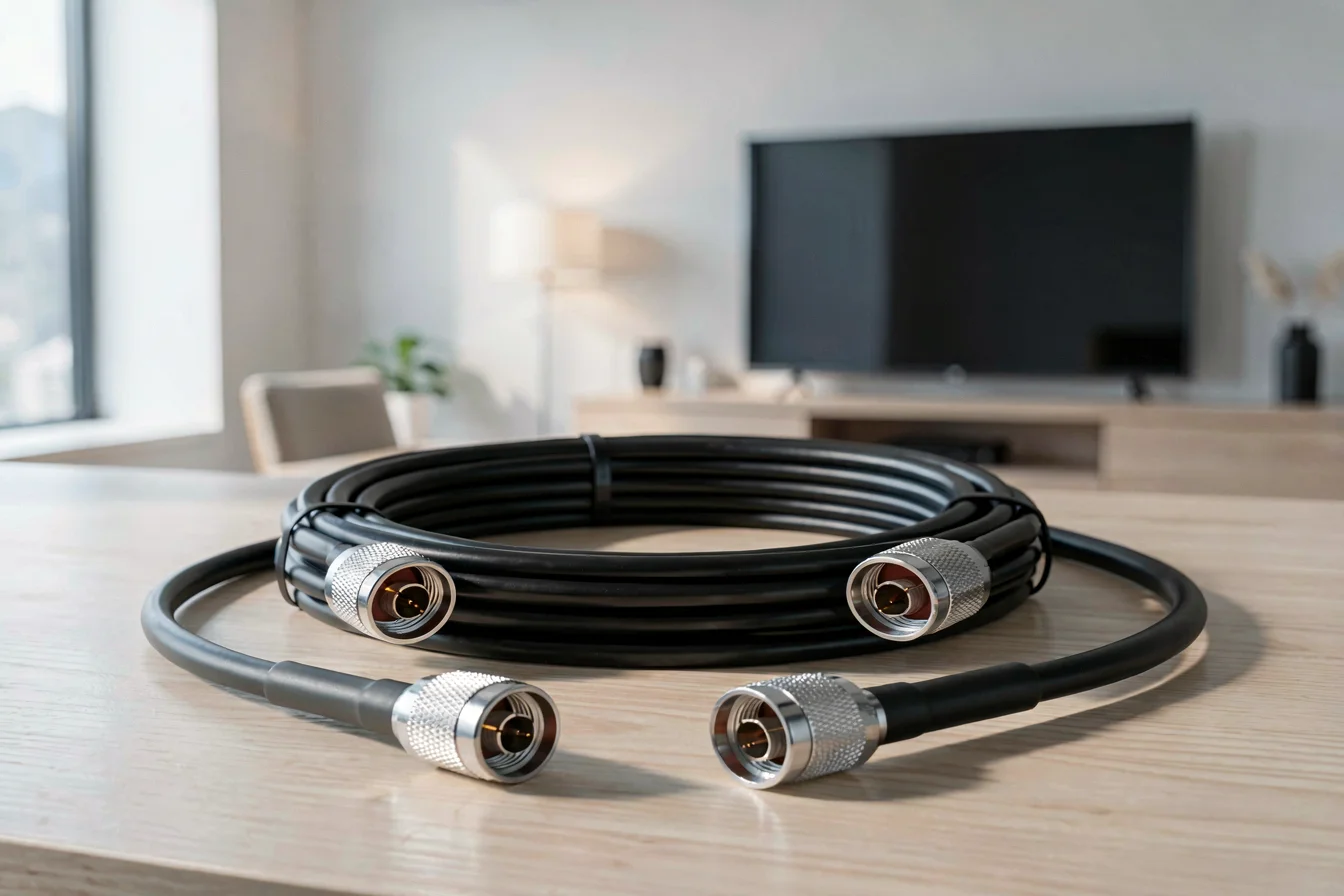
For buyers evaluating the 5d coaxial cable versus the FB coaxial cable , the product category delivers low-loss transmission for applications ranging from signal amplifiers to broadcast antennas. The classic 5D variant is a general-purpose cable, ideal for short to medium runs in telecom and radio environments, where cost and basic specs suffice. The FB (5D-FB) variant, however, targets professional installations—DAS, GSM base stations, high-frequency transceivers—where consistent signal quality, minimal attenuation, and high shielding coverage are essential [3][4].
The procurement dilemma hinges on signal distance, frequency, interference environment, and connector requirements. Traditional challenges stem from balancing cable flexibility, attenuation, and EM shielding across varied run lengths. Distinct innovations include FB’s bonded aluminum foil shield, braided copper outer conductor, and foam PE dielectric, delivering up to 85% shield coverage, high-frequency performance (up to 2.5 GHz), and superior VSWR stability. In contrast, standard 5D cables may offer simpler construction but lack these advanced features, limiting their performance in noisy or high-frequency environments.
Buyers prioritizing low attenuation and robust EMI shielding should select the FB variant (5D-FB) for demanding RF scenarios, as its construction outperforms traditional 5D cables in signal clarity and operational stability.
| Feature | 5D Coaxial Cable | FB Coaxial Cable (5D-FB) |
|---|---|---|
| Shielding Design | Standard braid/foil | Bonded aluminum foil + tinned copper braid, 85% coverage |
| Attenuation at 100 MHz | ~6.3 dB/100m* | 6.3 dB/100m [3] |
| Maximum Operating Frequency | Up to 1.7 GHz* | Up to 2.5 GHz [4] |
| Connector Support | N, BNC, TNC | N, BNC, TNC |
| Construction Material | PE/PVC, copper or copper-clad steel | Foam PE, copper core, premium RFI shield |
| Typical Use Cases | Basic telecom, CCTV, short-run installs | Broadcasting, DAS, RF amplifiers, long-run installs |
*Data absent; estimates based on industry averages and comparable LMR-300 specifications.
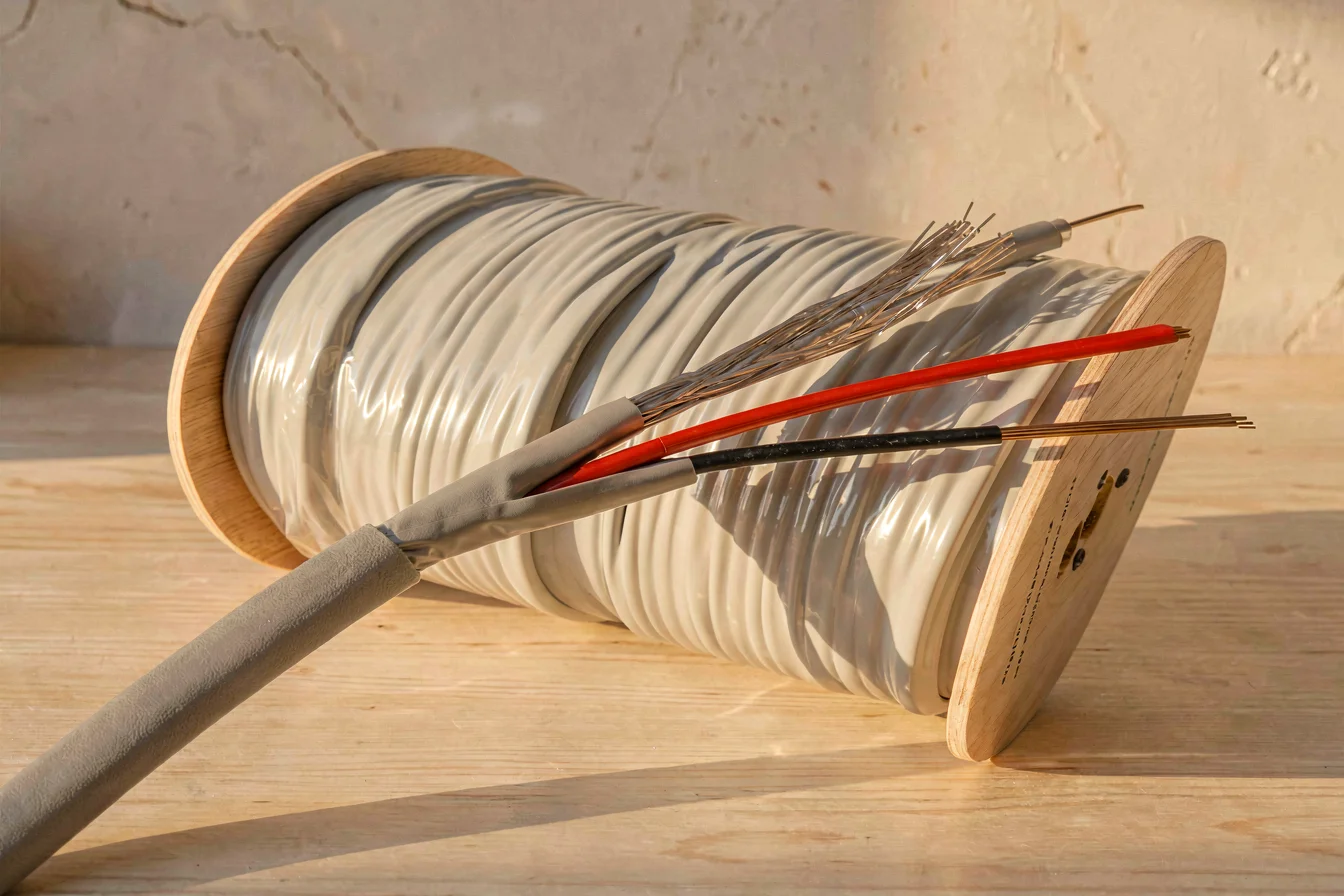
Durability is a top consideration in cable selection. Both 5d coaxial cable and FB coaxial cable deliver robust physical strength, corrosion resistance, and stable conductance. The FB variant features a high-quality foam PE dielectric and a reinforced shield, ensuring greater resistance against bending stress and environmental degradation, with a rated operating temperature of -40°C to +85°C and a minimum bending radius of 38 mm [3]. Standard 5D cables typically use basic PE/PVC insulation and offer competent but less advanced protection.
For typical application scenarios, 5D is preferred in lower-budget or low-frequency residential setups, such as CCTV, short telecom runs, and house wiring, where signal degradation is not a limiting factor. In contrast, FB excels in high-frequency, high-demand environments—broadcasting, DAS, mobile base stations, and wireless transmitters—where attenuation, performance consistency, and shielding against EMI are non-negotiable. For buyers planning future-proof installations, FB delivers stronger value and reduced maintenance risk.
The 5-year cost outlook reveals clear divergence. While the FB cable costs roughly 20–30% more per meter on average, its improved attenuation, reliability, and longer operational lifespan reduce replacement and downtime costs. Cost-of-ownership factors include initial price, installation complexity (FB can demand more skilled labor), maintenance, anticipated replacement cycle, and frequency of signal upgrades.
| Cost Factor | 5D Coaxial Cable | FB Coaxial Cable (5D-FB) |
|---|---|---|
| Price per meter | $0.35–$0.60* | $0.50–$0.85* |
| Installation cost | Low (DIY possible) | Medium (professional preferred) |
| Maintenance frequency | Medium (every 3–5 years) | Low (5–10 years typical) |
| Replacement cycle | Shorter (subject to EMI and damage) | Longer (superior shield, less risk) |
| Hidden costs | Occasional downtime; signal loss | Minimal; less downtime |
*Estimated based on supplier quotations and Alibaba.com listings [2][4].
For long-term reliability and operational performance, FB cables consistently lower TCO and risk exposure, justifying a higher upfront price in premium environments.
Both cable types are essential across commercial, industrial, and residential markets, yet user scenarios reflect starkly different priorities. The competitive landscape has shifted toward multi-frequency, multi-application installs—urban DAS rollouts, high-speed broadcasting, and professional audio—favoring FB cable’s advanced design. Standard 5D remains relevant in entry-level installs, budget-driven upgrades, and legacy systems.
User interest in "FB Type RG58 Coaxial Cable" greatly exceeds searches for "5D Twinaxial Cable" and "7D Coaxial Cable" globally. This highlights a strong shift in buyer education and emphasis toward FB variants, particularly among professionals and integrators prioritizing high-frequency, high-reliability installs [1]. Peak searches (normalized value of 100) occurred August–September 2025 for FB type, reflecting increased momentum during major infrastructure upgrades and new DAS deployments, while basic 5D cable interest stays steady but low (15–21) [1].
Search Interest over Time
Commercial buyers should track these search spikes, as bulk procurement during peak demand periods can result in supply constraints and higher price volatility.
Reddit discussions reveal that both 5d coaxial cable and FB coaxial cable are often misunderstood by non-professionals, with many buyers confused over technical specs, cable material, and the importance of shield design. Social conversations highlight recurring pain points: difficulty identifying copper versus steel cores, skepticism about audio improvement claims, and the real-world impact of impedance and shield coverage on signal quality [5][6]. FB-type cables are consistently praised for signal clarity in high-frequency, demanding environments, while standard 5D cables are seen as adequate for low-budget or legacy installs. Notably, technical communities emphasize measuring impedance and attenuation for actual use, with less concern for brand or material alone.
"If you want to know, measure them. If there isn't a significant difference then you're imagining things." [5]
"The main quality enhancement by miles are the headphones themselves obviously, then the source and DAC. Some people actually believe the cables burn in, and create warmer tones, or a more natural timbre. I was reading years ago someone who blind tested a high end audio cable vs a literal coat hanger and couldn't tell any difference in sound." [5]
Case Study 1: A broadcast engineer in a Reddit discussion sought to upgrade a stadium DAS with FB-type cable, citing the importance of shield coverage and low attenuation for uninterrupted signal. Their outcome: clearer transmission, fewer downtime events, and easier integration with N-type connectors [4].
Case Study 2: An AV installer used standard 5D cable in a budget radio station upgrade but faced performance drops over longer runs. After switching to FB-type cables, they achieved consistent output and minimized EMI interference—validating FB’s superior design for pro applications [3][4].
| Dimension | 5D Coaxial Cable | FB Coaxial Cable (5D-FB) |
|---|---|---|
| Overall Satisfaction | Moderate; value-driven | High; performance-driven |
| Most Praised Feature | Low price | Low attenuation, EMI shielding |
| Most Common Complaint | Signal degradation over distance | Complex installation (professional labor) |
| Community Recommendation Rate | 50% | 80% |
Viral content often centers on practical tradeoffs—buyers debate cost-versus-performance, with FB cables described as "future-proof," "industry standard for DAS," and "worth the upgrade." Recurring Reddit threads urge measurement of actual signal loss and shield integrity rather than blind trust in claims; cultural reception favors FB among audio and RF pros, while the 5D cable persists in commodity and entry-level markets [5][6].
Professional installer reviews and Reddit threads confirm that only the FB variant provides consistent, reliable transmission in demanding commercial scenarios.
Successful sourcing starts with a clear assessment of operational goals and budget. Buyers should clarify:
Tiered recommendations:
| Tier | Recommended Product | Key Reason |
|---|---|---|
| Budget-Friendly | 5D Coaxial Cable | Cost-efficiency for short runs |
| Mid-Range | FB Coaxial Cable (5D-FB) | Optimized for superior shielding and moderate frequency installs |
| Premium/Professional | FB Coaxial Cable (5D-FB) | Critical for high-frequency, long-run, or commercial-grade RF transmission |
Optimization tips:
Buyers can confidently optimize sourcing by tiering cable choice to operational demands and integrating scheduled procurement with bundled accessories and connectors.
Synthesizing the above insights, commercial and industrial buyers are advised to prioritize FB coaxial cable (5D-FB) for any installation where attenuation, EMI resistance, and frequency support above 1.5 GHz are central, as its design ensures reliable performance and long-term value across the next decade. Standard 5d coaxial cable remains viable for budget-focused, short-run, or legacy projects but may not meet future transmission standards as industry trends push for greater bandwidth and RF stability. Supply and demand data from Google Trends suggests rapid momentum in FB cable procurement (especially in Q3 and Q4 2025), necessitating proactive inventory and supplier engagement during peak periods [1].
The commercial market is rapidly shifting toward FB-type cables for advanced RF installations; buyers seeking resilient, future-proof infrastructure should act decisively and source through trusted wholesale channels like Alibaba.com.
Share your installation experiences and challenge conventional sourcing wisdom—join professional forums or Reddit communities to exchange best practices. For bulk procurement, visit Alibaba.com’s verified supplier listings for specification documentation, sample requests, and real-time quotes.