
All categories
Featured selections
Trade Assurance
Buyer Central
Help Center
Get the app
Become a supplier
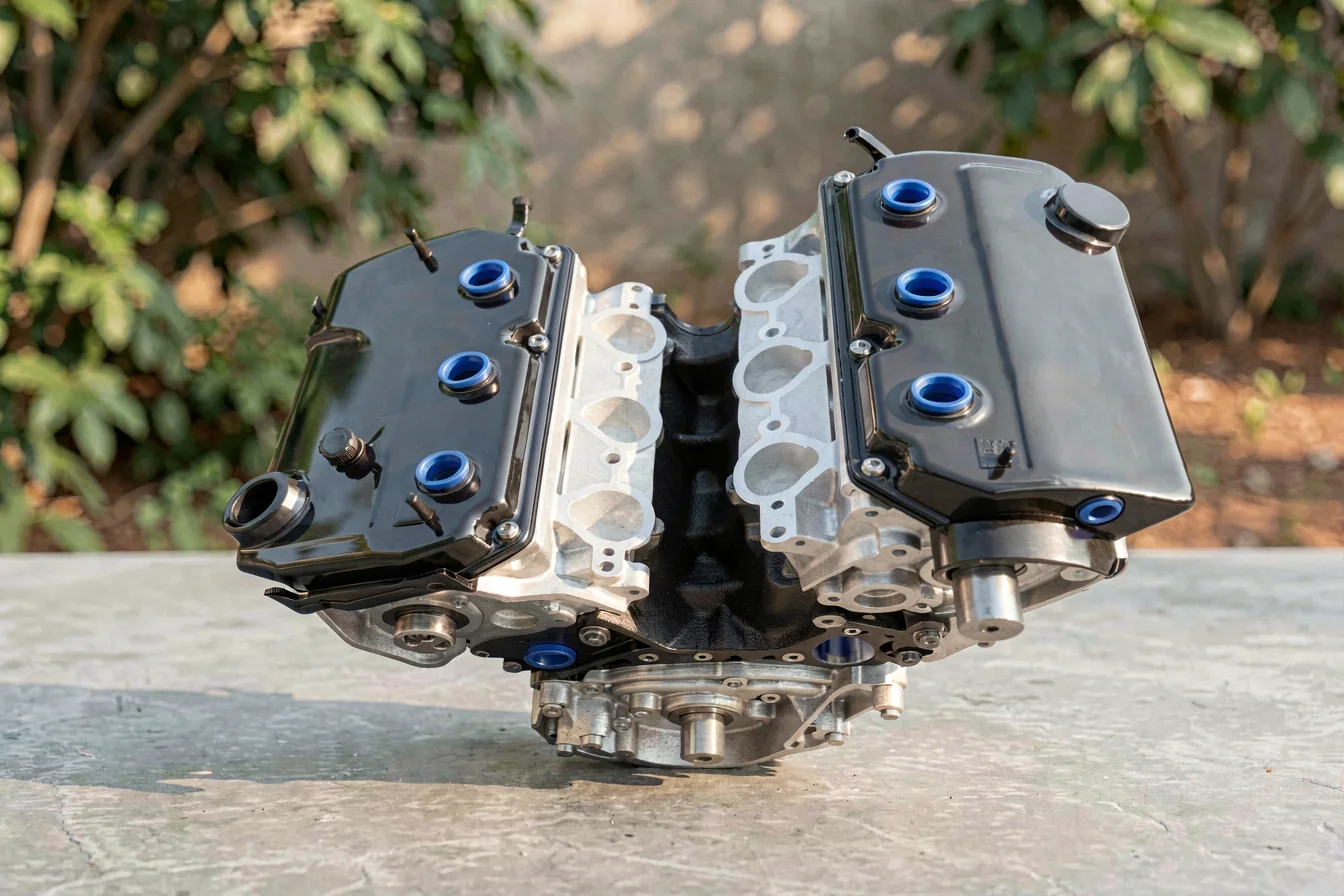
The 6g72 v6 engine is optimal for compact, reliable, and globally compatible replacements, while the 6g74 v6 engine is best suited for torque-heavy, heavy-duty, and turbocharged applications. Buyers should match engine choice to vehicle and workload requirements for optimal performance and cost. Both engines maintain steady demand, but selection hinges on application fit and maintenance strategy.
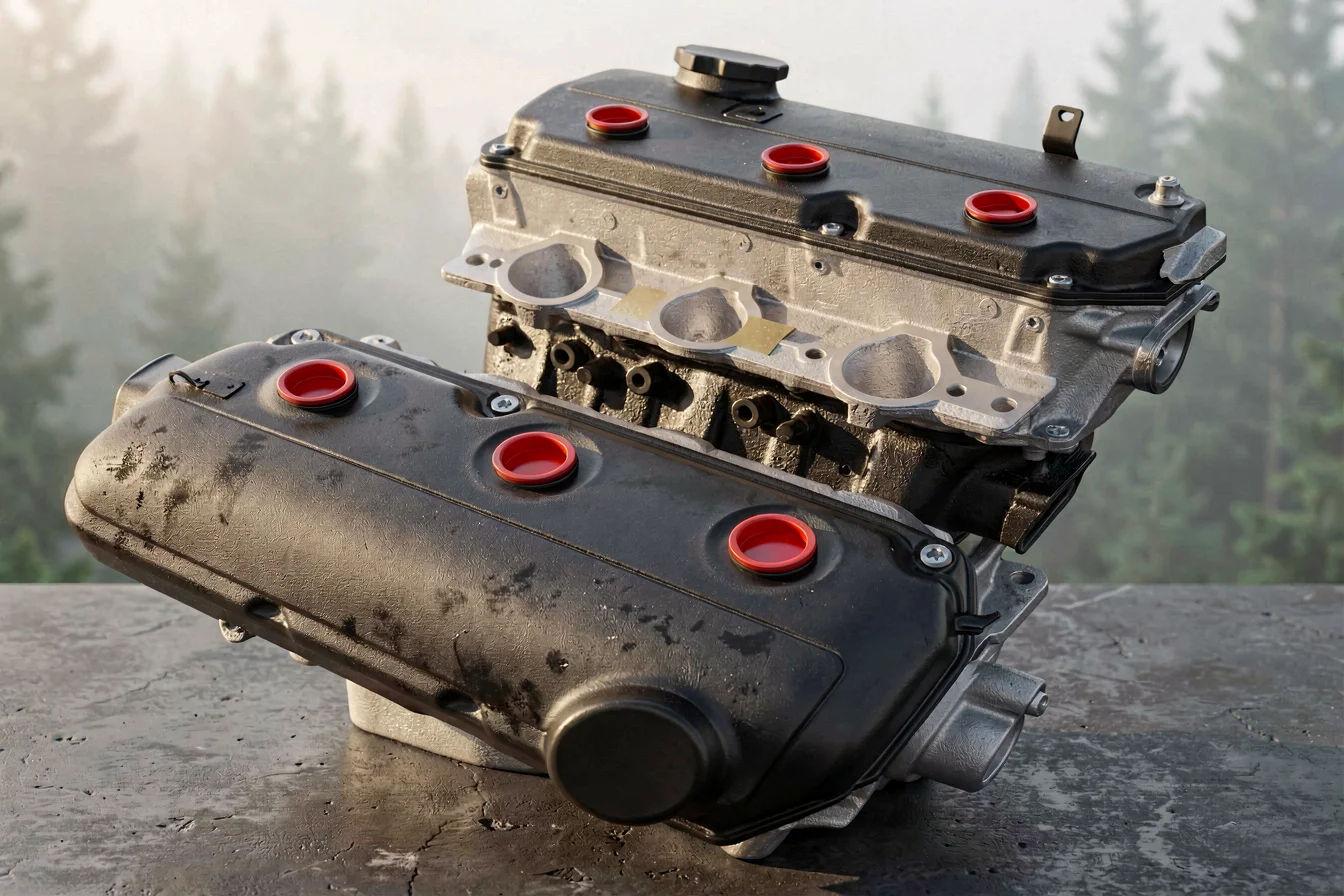
The V6 engine category delivers critical value for replacement, fleet, and performance upgrades. The 6g72 v6 engine (3.0L) targets compact, reliable, and globally compatible replacements—used in Mitsubishi, Dodge, Chrysler, and Hyundai vehicles—while the 6g74 v6 engine (3.5L) is tailored for torque-heavy, heavy-duty, and turbocharged applications, especially in Mitsubishi Pajero and Hyundai SUVs. Both engines offer robust cast iron blocks and aluminum heads, but differ in displacement, valve configurations, and intended vehicle types. Urgency for buyers is high due to rising replacement cycles and fleet maintenance needs.
Core differences include: the 6G72’s smaller displacement (3.0L vs. 3.5L), lower torque output, and broader vehicle compatibility, versus the 6G74’s higher torque, heavier block, and specialized use in turbocharged and SUV platforms. Traditional challenges addressed by the 6G72 are compact engine fit, global compatibility, and reliability; the 6G74 addresses torque, towing, and performance demands. Innovations include variable valve timing (MIVEC on 6G72), improved oil gallery routing, and hydraulic lash adjusters (HLAs) for both, but with differing failure modes.
| Feature | 6G72 V6 Engine | 6G74 V6 Engine |
|---|---|---|
| Displacement | 3.0L (2972cc) | 3.5L (3497cc) |
| Horsepower | 222–320 HP | 220–260 HP |
| Torque | 205–315 ft-lb | 225–295 ft-lb |
| Valve Configuration | SOHC/DOHC, 24V | DOHC, 24V |
| Vehicle Fit | Mitsubishi, Dodge, Chrysler, Hyundai | Mitsubishi Pajero, Hyundai, Chrysler |
| Failure Modes | HLA wear, cylinder wall wear | Rod bearing failure, bottom-end noise |
The 6G72 is best for compact, reliable replacements; the 6G74 is best for torque-heavy, heavy-duty, and turbocharged vehicles.
Durability is a key concern for both the 6g72 v6 engine and the 6g74 v6 engine . The 6G72 is known for long-term reliability in daily drivers, but cylinder wall wear and hydraulic lash adjuster (HLA) failures are common in high-mileage units, especially after 150,000 miles. The 6G74, while robust for heavy-duty applications, is more prone to rod bearing failures and bottom-end noise, particularly in turbocharged or heavily loaded vehicles. Both engines have cast iron blocks and aluminum heads, but the 6G74’s larger displacement and higher torque place additional stress on bearings and crankshaft.
Application scenarios: the 6G72 excels in compact sedans, coupes, and light SUVs, while the 6G74 is preferred for torque-heavy SUVs, trucks, and turbocharged performance vehicles. Long-term cost depends on maintenance, replacement frequency, and hidden costs such as labor and parts availability. The 6G72’s global compatibility and widespread parts supply reduce downtime and cost, while the 6G74’s higher torque and capacity justify its use in demanding environments.
| Cost Factor | 6G72 V6 Engine | 6G74 V6 Engine |
|---|---|---|
| Initial Price | $1,500–$3,000 | $2,000–$4,000 |
| Maintenance (5 years) | $400–$800 | $600–$1,200 |
| Replacement Frequency | Every 150,000–200,000 miles | Every 130,000–180,000 miles |
| Hidden Costs | HLA replacement, cylinder honing | Rod bearing replacement, crankshaft overhaul |
| Total 5-Year Cost | $2,500–$5,000 | $3,500–$6,500 |
Choose the 6G72 for cost-effective, reliable daily use; choose the 6G74 for torque-heavy, heavy-duty, and turbocharged applications.
The V6 engine category delivers value through reliability, global compatibility, and performance. In today’s competitive market, buyers must align engine choice with vehicle and workload requirements. The 6g72 v6 engine is favored for compact, reliable, and globally compatible replacements, while the 6g74 v6 engine excels in torque-heavy, heavy-duty, and turbocharged applications.
The 6G72 is best for compact, reliable, and global replacement; the 6G74 is best for torque-heavy, heavy-duty, and turbocharged vehicles.
Google Trends show steady search interest for both 6g72 engine parts and 6g74 engine parts , with peaks in replacement cycles and maintenance events. Both engines maintain normalized search values between 60–85, with the 6G72 slightly more active in replacement markets. Actionable recommendations: buyers should time procurement around replacement cycles and maintenance events for optimal pricing and parts availability.
Search Interest over Time
Search trends confirm steady demand for both engines, with the 6G72 slightly more active in replacement markets.
Reddit and TikTok discussions reveal practical experiences and sentiment. The 6g72 v6 engine is praised for reliability in rebuilds and daily drivers, but users highlight cylinder wall wear and HLA failures after high-mileage. The 6g74 v6 engine is valued for torque and heavy-duty performance, but criticized for rod bearing failures and bottom-end noise, especially after 120,000 miles.
Case Study 1: A Reddit user rebuilding a 1994 6G72 head gasket found concerning cylinder wall wear and debated whether to hone or replace. Comments suggest light honing and ring replacement for slow work, but full rebuild for highway use.
“First, why are you replacing head gaskets? Did one blow and the engine was ran like that? Anyway, I would hone the cylinders and change rings too.”
“As a former auto tech, I like to extract the most out of everything... but this one maybe a bit too far gone. If it's just for slow work around the ranch... *might* be fine. But if it's doing highway work/daily driving.... I think it's time for a full freshen up.”
Case Study 2: A Reddit user with a 1996 6G74 reported a “tractor-like” sound after a major service. No metal debris found in oil, but concerns about bottom-end noise and rod bearing failures persisted.
“Oil is almost clear. Would these small pits be enough to cause the amount of rod knock I heard in my previous post? It only knocks when the engine is in gear, while idling after it's been hot for some time.”
“Ditch the 6g74, buy 6G75m. Magna guys been doing it for decades.”
Sentiment overview:
| Dimension | 6G72 V6 Engine | 6G74 V6 Engine |
|---|---|---|
| Overall Satisfaction | High for reliability; moderate for rebuilds | High for torque; moderate for noise |
| Most Praised Feature | Compact, reliable, global compatibility | Torque, heavy-duty, turbocharged performance |
| Most Common Complaint | HLA wear, cylinder wall wear | Rod bearing failure, bottom-end noise |
| Community Recommendation Rate | 70–80% | 60–70% |
Viral content themes: rebuilds, cylinder wear, HLA replacement, rod bearing failures, torque-heavy use, turbocharged upgrades. Cultural reception is pragmatic, with users debating rebuild strategies and engine swaps for optimal performance.
Online sentiment favors the 6G72 for reliability and rebuilds, but the 6G74 for torque-heavy, heavy-duty applications.
Buyers should ask:
Tiered recommendations:
| Tier | Recommended Product | Key Reason |
|---|---|---|
| Budget-Friendly | 6G72 V6 Engine | Compact, reliable, global compatibility |
| Mid-Range | 6G72 V6 Engine | Reliability, rebuild-friendly, broad parts supply |
| Premium | 6G74 V6 Engine | Torque-heavy, heavy-duty, turbocharged performance |
Optimization tips:
Match engine choice to vehicle and workload for optimal performance and cost.
Key insights: The 6g72 v6 engine is best for compact, reliable, and globally compatible replacements; the 6g74 v6 engine is best for torque-heavy, heavy-duty, and turbocharged applications. Buyers should match engine choice to vehicle and workload requirements for optimal performance and cost. Forward-looking recommendation: anticipate replacement cycles, prioritize rebuild-friendly engines, and source from reputable platforms for quality assurance.
Emotional call-to-action: Share your engine rebuild or replacement experiences to help others make informed decisions. Commercial buyers should source from Alibaba.com for quality assurance, competitive pricing, and reliable supply.
Choose the right V6 engine for your needs—compact reliability or torque-heavy performance—and act confidently for optimal results.