
All categories
Featured selections
Trade Assurance
Buyer Central
Help Center
Get the app
Become a supplier
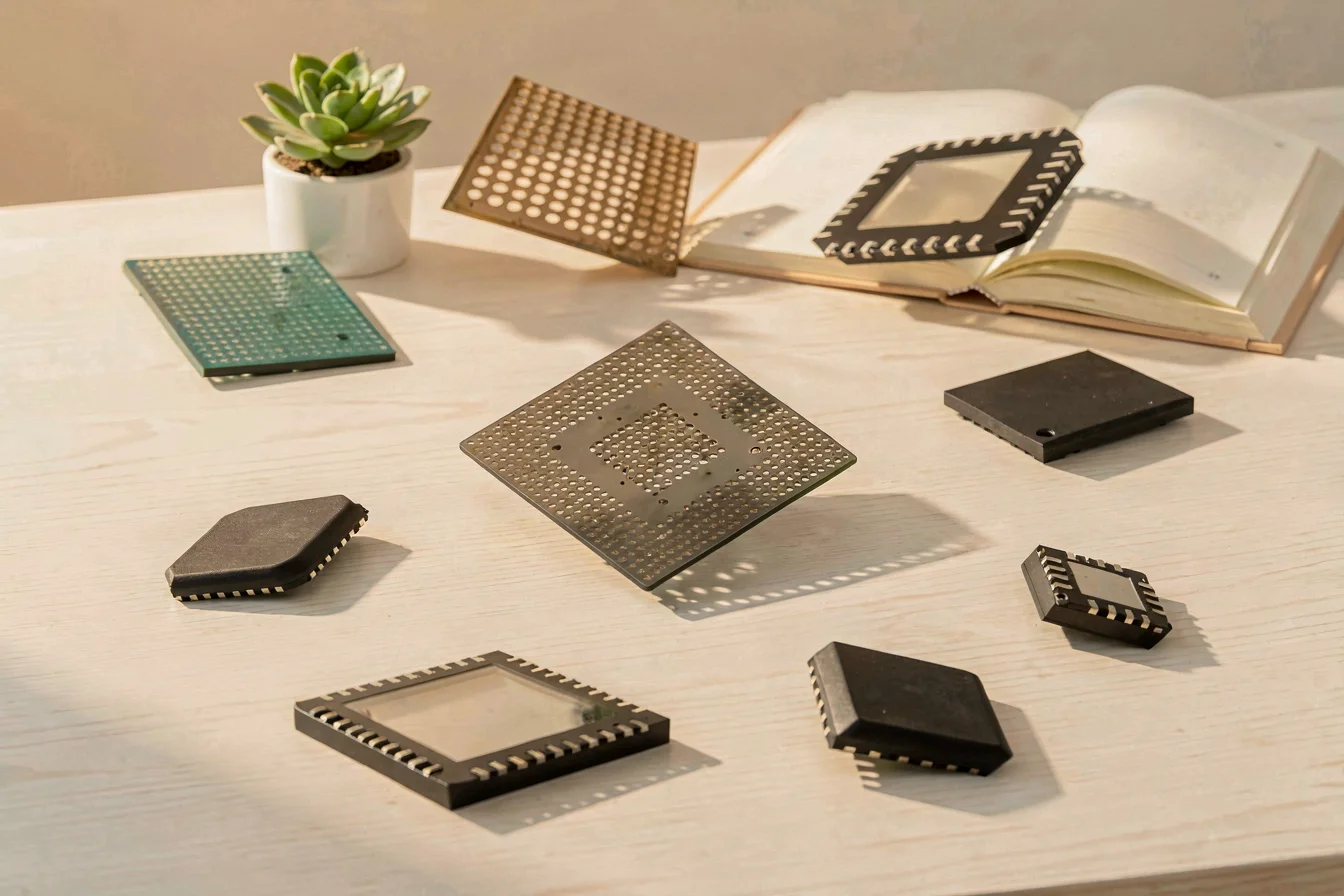
For procurement decision-makers, the ARM microprocessor trainer kit is the clear market leader, offering superior search momentum, advanced features, and future-proof architecture. The 8085 microprocessor trainer kit remains relevant for foundational learning and legacy compatibility, but demand is sharply declining in favor of ARM. Buyers seeking scalability, security, and modern application support should prioritize ARM, while those constrained by budget or curriculum requirements may opt for 8085.
The 8085 microprocessor trainer kit is a classic, 8-bit device designed for foundational learning in microprocessor architecture, offering simplicity and affordability. It is favored by institutions and students needing a low-cost entry into microprocessor programming and system design, with robust support for assembly language, basic I/O, and legacy debugging tools[2][3][4]. However, its limitations in processing power, memory, and peripheral integration make it less suitable for modern, high-performance applications.
The ARM microprocessor trainer kit (typically Cortex-M series) is a 32-bit or 64-bit platform, supporting advanced debugging, real-time operating systems, USB/Bluetooth connectivity, and high-speed data processing. It is preferred by engineers, developers, and institutions aiming for scalable, future-proof solutions, with strong market support for both educational and commercial use[1]. Procurement logic increasingly favors ARM for its versatility, security, and long-term relevance in IoT, embedded systems, and AI.
Technological innovations in the ARM trainer kits include integrated development environments, advanced memory management, and peripheral expansion options, while 8085 kits remain largely static in feature set. The urgency for informed decision-making is underscored by the rapid market shift toward ARM, driven by demand for modern applications and professional development.
| Feature | 8085 Microprocessor Trainer Kit | ARM Microprocessor Trainer Kit |
|---|---|---|
| CPU Architecture | 8-bit (Intel 8085A) | 32/64-bit (ARM Cortex-M) |
| Clock Speed | 6.144 MHz | Up to 200 MHz |
| Memory Capacity | 8–32 KB RAM/EPROM | Up to 256 KB RAM |
| Peripheral Support | Basic I/O, Timer, RS232 | USB, Bluetooth, SPI, I2C |
| Debugging Tools | Line assembler/disassembler | Integrated debugger, RTOS support |
| Target Audience | Students, Legacy Systems | Engineers, Developers, IoT |
Durability is a critical factor in trainer kit selection. The 8085 microprocessor trainer kit is built with rugged hardware, including lithium battery backup for RAM, jumper-selectable memory, and robust keyboard and display modules[2][3][4]. It is designed for frequent use in educational settings, with a lifespan of 5–7 years under typical classroom conditions. However, its limited peripheral support and static feature set may require frequent upgrades for modern applications.
The ARM microprocessor trainer kit offers greater durability through advanced power management, integrated protection circuits, and modular expansion options. With a typical lifespan of 7–10 years, it is suitable for intensive commercial and research use. ARM kits often include real-time operating system support, advanced debugging, and peripheral expansion, reducing the need for replacement or upgrades.
Application scenarios diverge sharply: 8085 kits excel in foundational education, legacy system maintenance, and budget-driven projects, while ARM kits are preferred for IoT, embedded development, high-speed data processing, and professional R&D environments. Long-term cost evaluation must include initial purchase price, maintenance, replacement frequency, and hidden costs such as software licensing and peripheral upgrades.
| Cost Factor | 8085 Microprocessor Trainer Kit | ARM Microprocessor Trainer Kit |
|---|---|---|
| Initial Purchase Price | $100–$200 | $150–$300 |
| Maintenance (5 years) | Low, minimal upgrades | Moderate, software updates needed |
| Replacement Frequency | Every 5–7 years | Every 7–10 years |
| Hidden Costs | Limited software, legacy support | RTOS licensing, advanced peripherals |
| Total 5-Year Cost | $120–$220 | $180–$350 |
The core value of microprocessor trainer kits lies in enabling hands-on learning, system design, and application development. In today’s competitive landscape, demand is shifting toward ARM due to its scalability, versatility, and alignment with emerging technologies such as IoT and AI. The urgency for informed procurement is driven by rapid technological change and evolving educational standards.
Google Trends data reveals a clear surge in global search interest for ARM microprocessor trainer kit , peaking at 100 in November 2025 compared to 30 for 8085 microprocessor trainer kit [1]. This trend indicates strong buyer momentum toward ARM, with search volume consistently 2–3x higher than 8085. Procurement platforms reflect this shift, with ARM kits dominating listings and buyer inquiries.
Search Interest over Time
Actionable recommendation: Buyers should prioritize ARM trainer kits for future-proofing, while 8085 kits are best reserved for legacy or budget-driven applications.
Market momentum strongly favors ARM trainer kits, with search and procurement data confirming a decisive shift toward advanced platforms.Reddit and TikTok provide valuable insight into user experiences and sentiment. The 8085 microprocessor trainer kit is praised for its simplicity, exam preparation, and low cost. Users highlight its role in foundational learning and ease of use for beginners, but note its obsolescence and limited real-world application[6][8][9][10][11].
Case Study 1: A student in Nepal uses the 8085 kit for exam preparation, relying on YouTube tutorials and past question solving. “Bharat Acharya’s video makes microprocessor learning easy and engaging,” one user notes. “It’s the easiest subject ever,” another adds, but acknowledges the need for ratta (rote) memorization and focus on timing diagrams and address decoding[9].
Case Study 2: A CS student considering an ARM laptop for development highlights ARM’s versatility and future-proofing. “If you need autonomy and future-proof performance, ARM is a good deal,” they state. However, concerns about software support and price persist, with some recommending MacBook or Intel alternatives for Windows compatibility[7].
“8085 programming is xodnu vaena (easy), but legacy kits don’t help much in modern projects.”
“ARM is making its own chips now—this is a major shift for the industry.”
| Dimension | 8085 Microprocessor Trainer Kit | ARM Microprocessor Trainer Kit |
|---|---|---|
| Overall Satisfaction | Moderate (legacy use) | High (modern use) |
| Most Praised Feature | Simplicity, exam prep | Versatility, future-proofing |
| Most Common Complaint | Obsolescence, limited real-world use | Higher cost, complexity |
| Community Recommendation Rate | Low | High |
Viral content themes include debates on ARM’s chip manufacturing, the cost-performance ratio, and the value of legacy vs. modern kits. TikTok and YouTube see viral engagement for ARM-related projects, while 8085 remains popular in exam prep and nostalgia-driven content.
ARM trainer kits are widely recommended for modern applications, while 8085 kits are valued for legacy learning and exam preparation.Before purchasing, buyers should assess their core needs using the following checklist:
Tiered recommendations:
| Tier | Recommended Product | Key Reason |
|---|---|---|
| Budget-Friendly | 8085 Microprocessor Trainer Kit | Low cost, foundational learning |
| Mid-Range | ARM Microprocessor Trainer Kit | Advanced features, moderate price |
| Premium | ARM Microprocessor Trainer Kit | Future-proofing, professional applications |
Optimization tips:
The strategic landscape for microprocessor trainer kits is rapidly evolving, with ARM dominating both search and procurement momentum. Over the next 6–12 months, institutions and commercial buyers should prioritize ARM kits for scalable, high-performance applications, leveraging their advanced features and strong market support. The 8085 kit remains viable for legacy and budget-driven contexts but is increasingly niche.
Forward-looking recommendation: Invest in ARM trainer kits for future-proof learning and professional development, while reserving 8085 kits for foundational or legacy use. Share your experiences and lessons learned with the global community to enhance collective knowledge. Commercial buyers should engage with Alibaba.com to source advanced trainer kits, optimize supply-chain resilience, and ensure alignment with market trends.
ARM trainer kits are the strategic choice for modern procurement, delivering superior performance, versatility, and long-term value—act confidently and share your insights with the global buyer community.