
All categories
Featured selections
Trade Assurance
Buyer Central
Help Center
Get the app
Become a supplier
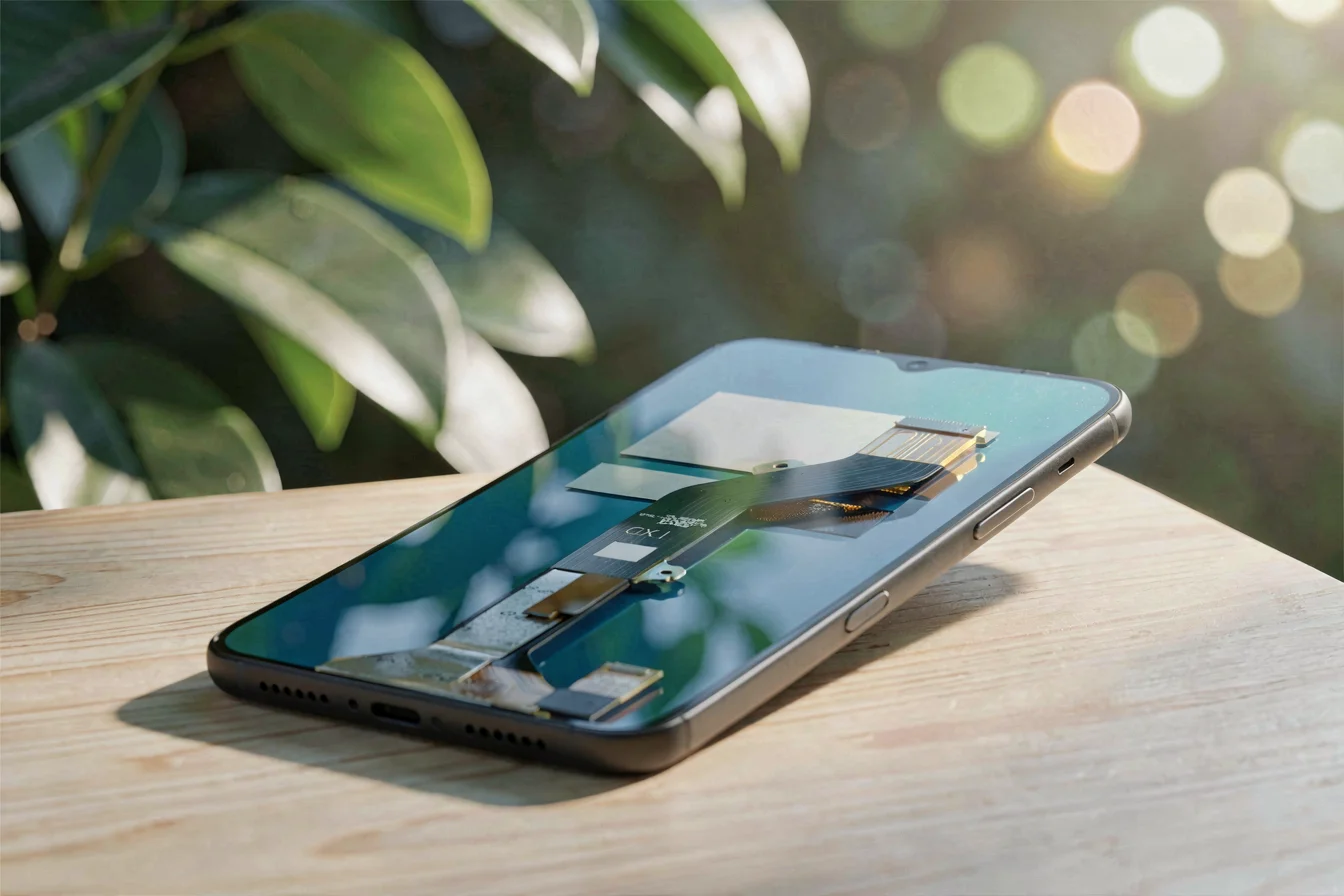
itel LCD displays deliver reliable, rugged performance at budget price points, but fall behind Samsung and Xiaomi LCDs in brightness, resolution, and advanced features. Global search trends and social sentiment reveal higher demand and perceived value for Samsung and Xiaomi LCD displays, particularly in premium and mid-range segments [1][3][6]. Buyers seeking robust, affordable screens should consider itel LCDs for entry-level use, while those prioritizing display quality and technical performance should source Samsung or Xiaomi LCD displays for their procurement needs.
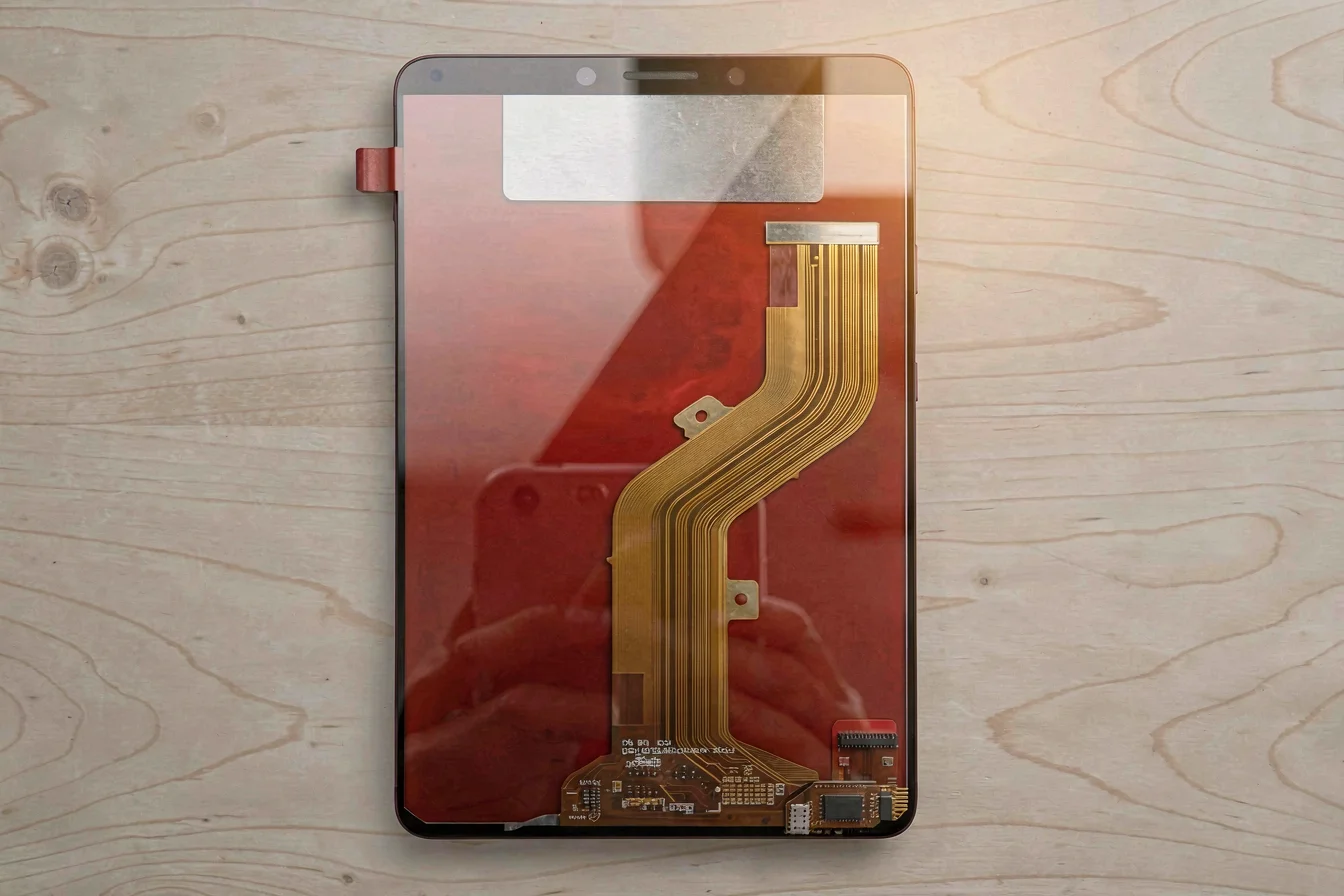
For buyers sourcing smartphone LCD displays, the core value lies in balancing cost, durability, technical specifications, and user experience. Itel LCD display targets budget-conscious buyers and rugged environments, offering robustness and long battery life, but lacks the advanced panel technologies and higher brightness found in other smartphone LCD displays from Samsung and Xiaomi. The urgency in procurement is driven by rapid market shifts toward OLED in flagship models, leaving LCDs primarily for budget and mid-tier devices.
Itel LCD display typically features a 720x1600 pixel resolution, 120Hz refresh rate, and 500 nits peak brightness, with robust build quality and affordable pricing [2]. In contrast, Samsung and Xiaomi LCDs often offer higher resolutions (up to Full HD+), brighter panels (up to 700 nits), and more advanced features like HDR support, making them attractive for buyers seeking improved visual quality and broader compatibility [3][6].
Technological innovation is evident in Samsung’s PLS and Xiaomi’s IPS LCD panels, which provide better color accuracy and wider viewing angles, while itel LCDs remain focused on cost efficiency and reliability. Procurement challenges include supply chain volatility and limited high-end LCD options, with OEMs increasingly shifting to OLED for flagship devices. The distinction is clear: itel LCDs excel in rugged, affordable use cases, while Samsung and Xiaomi LCDs lead in technical performance and broader market appeal.
| Feature | itel LCD Display | Other Smartphone LCD Displays (Samsung/Xiaomi) |
|---|---|---|
| Resolution | 720x1600 pixels | Up to 1080x2400 pixels |
| Brightness | 500 nits (peak) | 700–800 nits (peak) |
| Refresh Rate | 120Hz | 60–120Hz |
| Panel Technology | IPS LCD | IPS/PLS LCD, HDR support |
| Price Range | Under $100 | $100–$300 |
| Certifications | Basic ruggedness | Wider certifications, display reliability |
The table above highlights the technical and price advantages of Samsung and Xiaomi LCD displays, while itel LCD displays deliver cost-effective durability for entry-level procurement.
Durability is a critical factor for buyers seeking reliable smartphone LCD displays. Itel LCD display is engineered for rugged environments, with robust panel construction and extended battery life, making it ideal for users in harsh conditions or frequent drop-prone scenarios. Long-term reliability is enhanced by lower manufacturing complexity and simpler panel technology, though it lacks the advanced features found in Samsung and Xiaomi LCDs.
Real-world applications for itel LCD display include budget devices for emerging markets, rugged smartphones for outdoor use, and entry-level business deployments requiring cost efficiency. Samsung and Xiaomi LCDs excel in premium and mid-range devices, supporting media streaming, gaming, and high-brightness scenarios. Buyers must weigh initial purchase price against maintenance, replacement frequency, and hidden costs such as warranty support and after-sales service.
The 5-year cost outlook reveals that itel LCD display offers lower upfront costs and minimal maintenance, but may require more frequent replacements due to limited panel innovation. Samsung and Xiaomi LCDs command higher initial prices but deliver lower replacement rates and broader technical support, reducing total cost of ownership over time.
| Cost Factor | itel LCD Display | Other Smartphone LCD Displays (Samsung/Xiaomi) |
|---|---|---|
| Initial Purchase Price | Under $100 | $100–$300 |
| Maintenance Cost | Low | Moderate |
| Replacement Frequency | High (every 2–3 years) | Low (every 3–5 years) |
| Hidden Costs | Minimal warranty, limited support | Wider warranty, robust support |
| Total Cost of Ownership (5 years) | $150–$200 | $250–$400 |
Samsung and Xiaomi LCD displays offer lower replacement frequency and broader support, making them the optimal choice for buyers seeking long-term value despite higher initial costs.
The core value of LCD displays in smartphones is their cost efficiency and reliability, especially in entry-level and rugged use cases. Itel LCD display is positioned for buyers seeking affordable, durable screens for emerging markets and harsh environments, while other smartphone LCD displays from Samsung and Xiaomi cater to premium and mid-range segments, delivering superior technical performance and broader compatibility.
Market trends show a strong shift toward OLED in flagship devices, with LCDs now primarily serving budget and mid-tier segments. Urbanization and multi-generational living drive demand for reliable, affordable screens, while e-commerce growth expands procurement channels for both OEMs and after-market suppliers [1].
Google Trends data shows that global search interest for Samsung LCD displays consistently outpaces both Xiaomi and itel LCDs, with Samsung peaking at 100 (normalized) in November 2025, while itel LCDs max out at 24 [1]. Xiaomi LCDs, though slightly higher than itel, remain below Samsung in overall search volume. This indicates that Samsung LCDs are the preferred procurement target for buyers seeking both technical performance and brand reputation.
Search Interest over Time
Samsung LCD displays dominate search interest, reflecting strong procurement demand, while itel LCD displays remain niche and budget-focused.
Social media and Reddit discussions reveal that LCD smartphones are increasingly seen as budget, low-performance devices, with buyers prioritizing “eye-friendly” screens and affordable replacements [3][4][6]. Case studies illustrate contrasting buyer personas:
Case Study 1: Budget Buyer (Reddit, r/PWM_Sensitive)
A buyer with PWM sensitivity and eye discomfort prefers LCD screens, stating: “I need a phone with LCD screen, preferably from Xiaomi or Motorola. Any phone with LCD will be a low end, but maybe I can survive with that for 1 year.” This reflects a clear trend among budget buyers seeking affordable, reliable screens for basic use cases.
“Buy a new iPhone, buy an LCD replacement screen, pay someone to do it.” (Reddit, r/PWM_Sensitive)
Case Study 2: Mid-Range Buyer (Reddit, r/Smartphones)
A buyer seeks Samsung or Xiaomi LCDs with 256GB storage, highlighting the challenge of finding high-capacity LCD smartphones: “I’m looking for Samsung phones that are LCD but I only found PLS LCD, which seems kinda bad for my eyes. Maybe there is some IPS LCD Xiaomi with 256 GB?” This illustrates a demand for technical performance and storage in mid-range LCD devices.
“The best option is the Motorola Moto G75. It has all of the things you are looking for and relatively decent specs.” (Reddit, r/Smartphones)
Sentiment analysis shows that itel LCD displays are rarely mentioned as top choices, while Samsung and Xiaomi LCDs are praised for their specs and reliability.
| Dimension | itel LCD Display | Other Smartphone LCD Displays (Samsung/Xiaomi) |
|---|---|---|
| Overall Satisfaction | Budget-focused, moderate | High, especially mid-range/premium |
| Most Praised Feature | Durability | Brightness, resolution, reliability |
| Most Common Complaint | Low resolution, limited features | Occasional supply chain issues |
| Community Recommendation Rate | Low | High |
Samsung and Xiaomi LCD displays receive strong community recommendations for technical performance, while itel LCD displays are mainly recommended for budget buyers seeking durability.
Viral content themes include debates over LCD vs. OLED, with many users advocating for LCDs for eye comfort and reliability. Cultural reception is mixed, with premium buyers favoring OLED, but budget and eye-sensitive users consistently recommend LCDs.
Buyers should start by identifying their core needs through a checklist:
Tiered recommendations:
| Tier | Recommended Product | Key Reason |
|---|---|---|
| Budget-Friendly | itel LCD Display | Low cost, ruggedness, entry-level use |
| Mid-Range | Xiaomi LCD Display | Better resolution, brightness, reliability |
| Premium | Samsung LCD Display | High brightness, advanced features, robust support |
Optimization tips:
Buyers should match their sourcing strategy to their specific needs, budget, and technical requirements, prioritizing Samsung and Xiaomi LCD displays for premium performance and itel LCD displays for rugged, entry-level use.
Key insights: Samsung and Xiaomi LCD displays dominate the market for technical performance and procurement value, while itel LCD display remains a viable option for budget-conscious buyers seeking durability and ruggedness. Market trends indicate a continued shift toward OLED for flagship models, with LCDs increasingly relegated to budget and mid-tier segments. Buyers should anticipate supply chain volatility and prioritize panel reliability, warranty, and after-sales support when sourcing LCD displays.
Forward-looking guidance: Over the next 6–12 months, expect continued growth in demand for Samsung and Xiaomi LCD displays in premium and mid-range segments, with itel LCD displays retaining their niche in emerging markets and rugged deployments. Buyers are encouraged to share their experiences with LCD displays to inform future procurement decisions, and commercial buyers should leverage Alibaba.com for bulk sourcing, OEM customization, and competitive pricing.
Confident buyers should prioritize Samsung and Xiaomi LCD displays for technical performance and long-term value, while itel LCD displays remain a cost-effective solution for rugged, entry-level needs. Share your LCD display experiences and connect with wholesale suppliers on Alibaba.com for optimal procurement outcomes.