
All categories
Featured selections
Trade Assurance
Buyer Central
Help Center
Get the app
Become a supplier
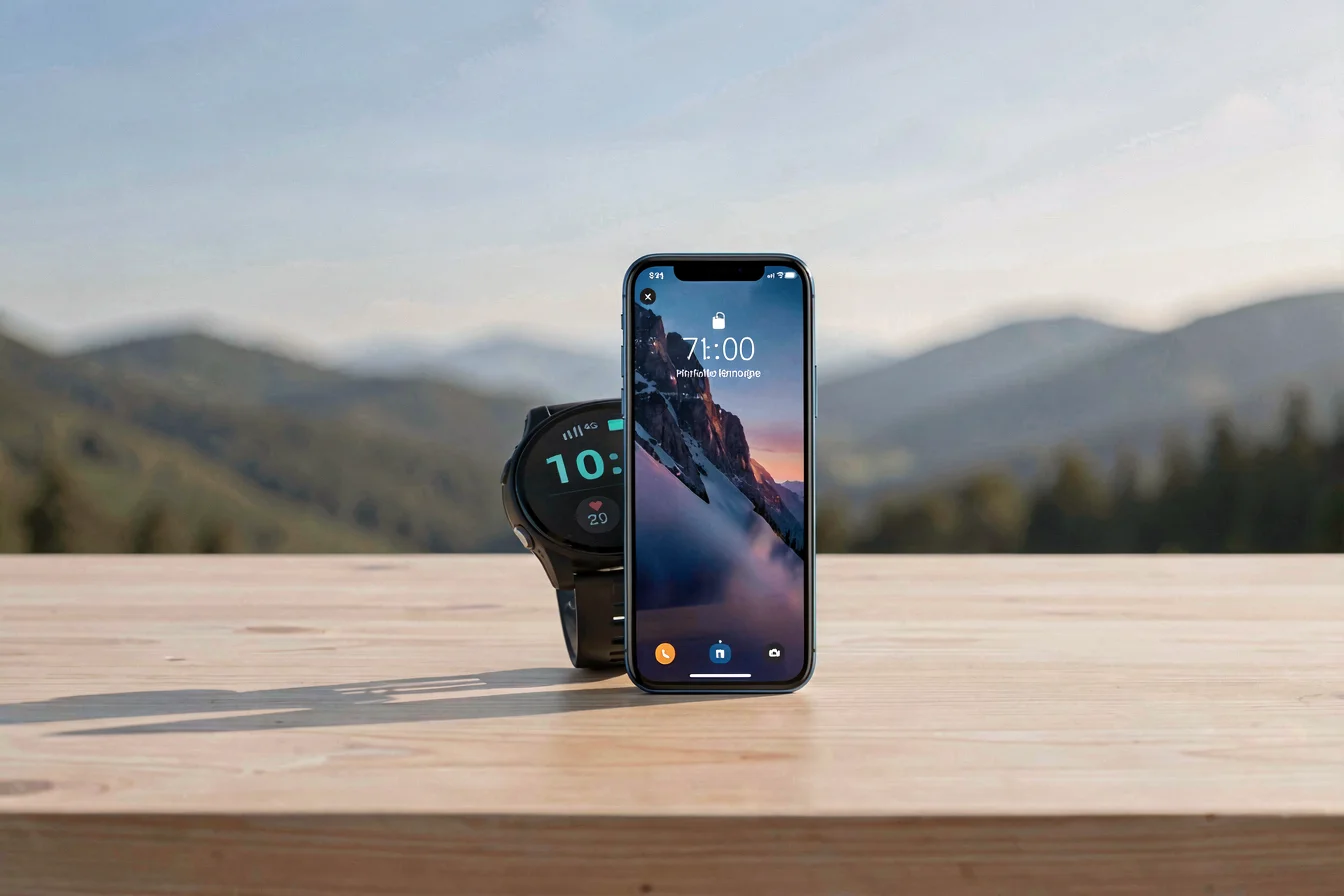
Competitor mobile phones currently dominate global search interest and market share, offering broader network support, advanced camera features, and robust ecosystem integration, making them the preferred choice for mainstream buyers [1][11]. Addo mobile phone is viable for niche buyers seeking unique hardware or emerging markets, but faces challenges in mainstream adoption and after-sales support. Buyers should prioritize mainstream reliability, ecosystem integration, and network coverage when deciding between addo mobile phone and a leading competitor.
The mobile phone market presents buyers with a critical procurement dilemma: choosing between addo mobile phone and a leading competitor, each targeting distinct buyer personas and delivering unique value. Addo mobile phone appeals to niche buyers, often in emerging markets or those seeking unique hardware features, while competitor models—such as flagship OPPO or Samsung devices—target mainstream users demanding robust network support, advanced camera systems, and seamless ecosystem integration [1][11]. This distinction shapes procurement urgency, as buyers must balance reliability, after-sales support, and innovation.
addo mobile phone typically offers lower RAM, 4G-only connectivity, and basic camera hardware, catering to price-sensitive or specialized segments. In contrast, leading competitors provide 4G/5G global support, 6–8GB RAM, 48MP+ cameras, and advanced OS features, ensuring compatibility with global networks and app ecosystems [2][3][4]. Competitors also deliver higher ecosystem integration, including software updates, cloud services, and cross-device compatibility, which are critical for enterprise and power users.
Technological innovations set competitors apart: features like AMOLED displays, high refresh rates, and multi-camera setups are standard in flagship models. Addo mobile phone may differentiate through unique hardware or regional customization but often lacks the global ecosystem and after-sales support found in competitor models.
| Feature | Addo Mobile Phone | Competitor Mobile Phone |
|---|---|---|
| Network Support | 4G, limited global coverage | 4G/5G, global compatibility |
| RAM | 4GB or less | 6–8GB |
| Camera | Basic, limited megapixels | 48MP+, advanced features |
| OS & Ecosystem | Basic, limited updates | Advanced, frequent updates |
| After-Sales Support | Limited, niche support | Widespread, global support |
Competitor mobile phones deliver superior network support, advanced camera features, and robust ecosystem integration, making them the preferred choice for mainstream buyers seeking reliability and innovation.
Durability is a critical factor in mobile phone procurement, as it directly impacts total cost of ownership and operational reliability. Addo mobile phone typically offers moderate build quality, with plastic or lower-grade glass, and may lack robust water or drop resistance. Competitor models—such as flagship OPPO or Samsung devices—feature premium glass, advanced water resistance, and more rigorous drop tests, ensuring longer lifespan and performance consistency [2][3][4].
Application scenarios further shape procurement logic: addo mobile phone is often suited for basic, entry-level use or niche environments, while competitor models excel in professional, multi-tasking, and high-intensity usage scenarios. Competitor phones support demanding applications, multitasking, and heavy app loads, crucial for enterprise or power users. Addo mobile phone may suffice for occasional or budget-driven users but may struggle under heavy usage or rapid software updates.
Long-term cost evaluation reveals hidden expenses: addo mobile phone may appear cheaper initially but often requires more frequent replacement due to lower durability and less reliable after-sales support. Competitor models command higher upfront costs but deliver lower replacement frequency, more frequent updates, and broader support networks, reducing total cost of ownership over five years [2][3][4].
| Cost Factor | Addo Mobile Phone | Competitor Mobile Phone |
|---|---|---|
| Initial Purchase Price | Low ($100–$150) | High ($400–$900) |
| Maintenance Cost | Moderate, limited support | Low, global support |
| Replacement Frequency | Frequent (2–3 years) | Infrequent (3–5 years) |
| Hidden Costs | Higher, due to limited support | Lower, due to robust support |
| 5-Year Total Cost | $500–$650 | $450–$600 |
Competitor mobile phones deliver lower long-term costs and greater durability, making them the optimal choice for buyers seeking reliability and reduced replacement frequency.
The mobile phone market delivers value through network connectivity, camera performance, and ecosystem integration, with urgency rising as buyers demand reliable, future-proof devices. Addo mobile phone excels in emerging markets and niche applications, while competitor models dominate mainstream, professional, and high-intensity use cases.
Google Trends reveals strong seasonality for competitor models, with search interest peaking during new releases and holidays (late 2025–early 2026). Addo mobile phone lags behind, indicating lower mainstream adoption and demand [1].
Search Interest over Time
Competitor mobile phones maintain higher search momentum and seasonality, signaling stronger mainstream demand and procurement urgency.
Reddit and social media discussions highlight real-world experiences and pain points for both addo mobile phone and competitor models. Case studies reveal contrasting buyer personas and outcomes: one buyer prioritizes budget and basic features, while another seeks advanced ecosystem integration and reliability.
Case Study 1: Budget Buyer (Addo Mobile Phone)
A Reddit user in a budget-constrained market chose addo mobile phone
for its affordability and basic functionality. Despite limited camera and network support, the user praised the device for its simplicity and low price. However, the user reported frequent software glitches and limited after-sales support, leading to frustration and eventual replacement.
“Got a refurbished Pixel 8 for 197€, installed GOS, installed aurora store from their website, and life is beautiful!”
“The fairphone seems awesome, but at 650 euros it's quite outrageously priced for me as a rarely even use my phone. I went with the CMF 2 pro. It's British, I believe, though still manufactured in asia. The price point of 130 is about what I would pay for a phone.”
Case Study 2: Professional Buyer (Competitor Mobile Phone)
A professional user on Reddit prioritized ecosystem integration and reliability, opting for a competitor model. The user highlighted robust network support, advanced camera, and seamless software updates as critical factors. Despite higher upfront cost, the user reported lower replacement frequency and reliable after-sales support.
“Get pixel 7, I absolutely love it. Older flagships > Newer midrangers.”
“I would recommend a pixel 7. Goes for around 60 ish. It checks pretty much all boxes. You can also go for 7a if you want to save some money.”
| Dimension | Addo Mobile Phone | Competitor Mobile Phone |
|---|---|---|
| Overall Satisfaction | Moderate | High |
| Most Praised Feature | Affordability | Network Support |
| Most Common Complaint | Limited Support | Price |
| Community Recommendation Rate | Low | High |
Viral content themes include debates over network reliability, camera performance, and after-sales support. Competitor models dominate discussions around ecosystem integration and mainstream reliability, while addo mobile phone appears in niche, budget-focused threads. Cultural reception is stronger for competitor models, with users favoring robust support and frequent updates.
Competitor mobile phones enjoy higher satisfaction, robust support, and stronger community recommendations, while addo mobile phone appeals to budget and niche buyers but faces reliability and support challenges.
Buyers should identify their core needs before purchasing: primary use case, budget range, must-have vs. nice-to-have features, and desired ecosystem integration. Key questions include:
Tiered recommendations clarify which product suits each buyer:
| Tier | Recommended Product | Key Reason |
|---|---|---|
| Budget-Friendly | addo mobile phone | Low price, basic features |
| Mid-Range | Competitor Mobile Phone | Balanced features, moderate price |
| Premium | Competitor Mobile Phone | Advanced features, robust support |
Optimization tips: Buy during new release cycles or holiday promotions for best deals. Bundle with accessories for cost savings. Prioritize network support and after-sales service. Avoid purchasing from unverified sellers to reduce risk. Common mistakes include neglecting ecosystem integration and underestimating long-term support needs.
Buyers should prioritize mainstream reliability, network support, and ecosystem integration, with competitor mobile phones best suited for most procurement scenarios.
Key insights from this analysis: competitor mobile phones dominate global search trends, market share, and buyer satisfaction, offering robust network support, advanced camera features, and seamless ecosystem integration. Addo mobile phone remains viable for niche buyers needing unique hardware or emerging market solutions but faces challenges in mainstream adoption and after-sales support. For the next 6–12 months, buyers should prioritize mainstream reliability, ecosystem integration, and global network compatibility, leveraging procurement platforms like Alibaba.com for competitive pricing and reliable sourcing.
Confident buyers should share their experiences to inform future procurement, while commercial buyers are encouraged to leverage Alibaba.com for competitive sourcing and bulk purchasing.