
All categories
Featured selections
Trade Assurance
Buyer Central
Help Center
Get the app
Become a supplier
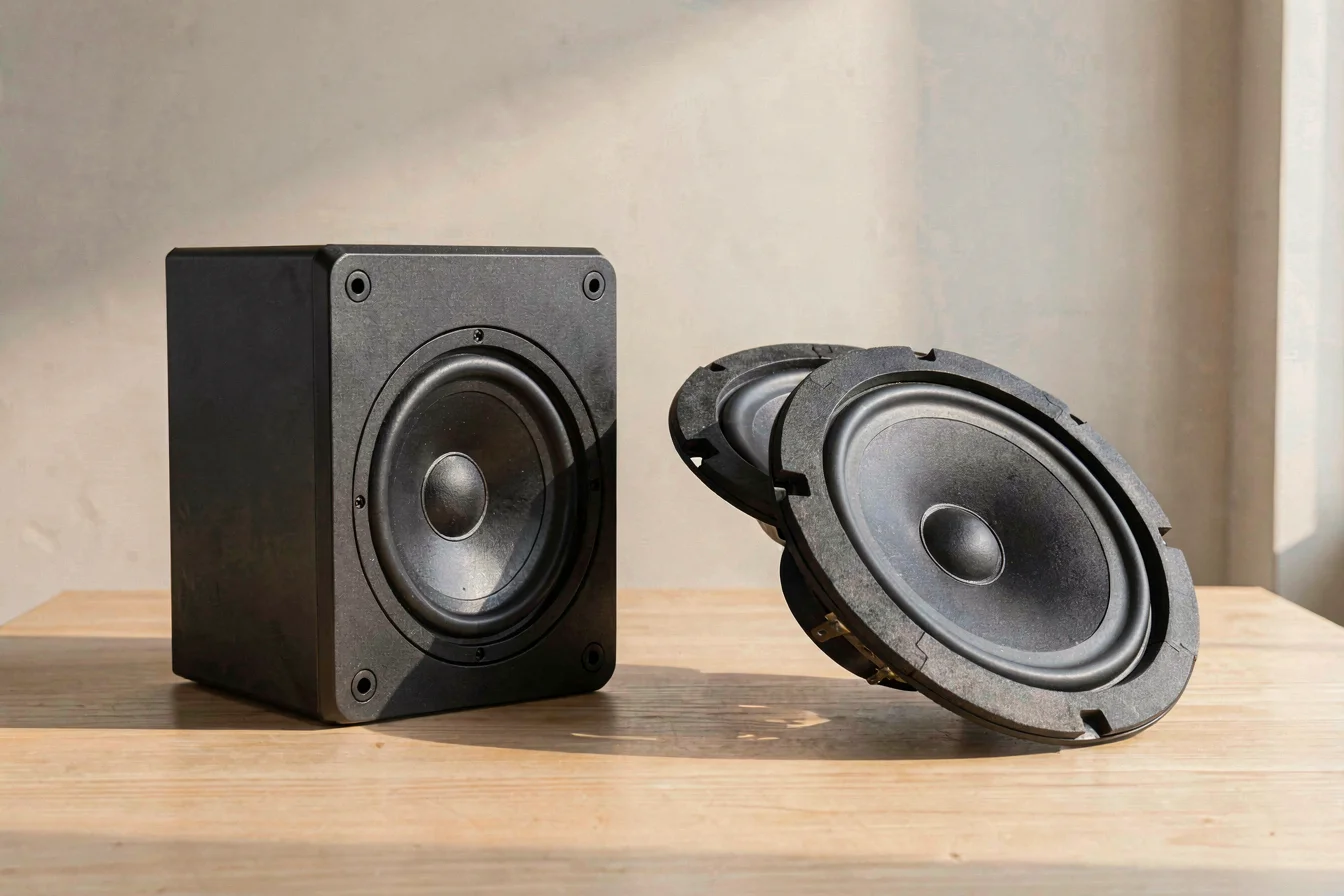
Ahuja Box Speakers deliver robust performance, exceptional frequency response, and competitive pricing, making them a top choice for B2B and event-driven sound reinforcement. Competitor Box Speakers, especially wireless and portable variants, are favored for their convenience and modern features but often lack the durability and SPL of Ahuja’s passive models. Buyers should weigh application requirements—indoor/outdoor, wireless needs, and long-term reliability—before selecting between these two categories[1][2][3].
The core value of ahuja box speakers lies in their reliability, high SPL, and suitability for both indoor and outdoor commercial applications—gyms, auditoriums, live events, and PA systems. Target buyers include event organizers, venue operators, and commercial gym owners seeking long-term durability and value. Competitor box speakers (e.g., JBL Party Box, Marshall, Tribit) target portable, wireless, and consumer-driven use cases, appealing to buyers prioritizing convenience, Bluetooth connectivity, and compact design.
Ahuja’s flagship models, such as the SPX-810 and AS12-X100, offer 700W and 100W RMS power, respectively, with frequency responses spanning 40–20,000Hz and SPL up to 131dB. These are designed for environments demanding high output and clarity, featuring robust metal enclosures and advanced driver technology[2][3]. Competitor models, like JBL Party Box 110 or Marshall Stanmore III, prioritize portability, battery life, and Bluetooth integration, often with lower power output and lighter builds, appealing to home and mobile users.
The procurement dilemma is acute: Ahuja’s passive models require amplifiers and wired setups, but deliver superior sound quality and reliability. Competitor wireless models offer plug-and-play convenience but may sacrifice longevity and SPL for portability. Buyers must consider their specific environment, installation complexity, and desired sound fidelity.
Ahuja Box Speakers are ideal for venues requiring sustained sound quality and durability, while Competitor Box Speakers dominate in portable, wireless, and consumer-driven applications, each addressing distinct pain points and procurement priorities.
| Feature | Ahuja Box Speakers | Competitor Box Speakers |
|---|---|---|
| Power Output | 700W–100W RMS, high SPL | 100–300W RMS, moderate SPL |
| Frequency Response | 40–20,000Hz | 50–20,000Hz |
| Build Quality | Metal, heavy-duty, passive | Plastic, portable, wireless |
| Wireless Connectivity | Not standard, needs amplifier | Bluetooth, USB, Wi-Fi |
| Application | Gyms, auditoriums, events | Home, portable, outdoor |
| Price Range | ₹1,605–₹36,000 | ₹20,000–₹35,000 |
Durability is a critical factor for ahuja box speakers , which are engineered for heavy-duty use in venues and events, featuring robust metal enclosures and high-temperature voice coils for extended performance. In contrast, competitor box speakers (e.g., Marshall, JBL, Tribit) prioritize lightweight, portable builds but may experience faster wear in demanding environments.
Ahuja’s SPX-810 and AS12-X100 models are rated for indoor/outdoor use, withstanding high SPL and continuous operation for up to 5 years, provided proper installation and maintenance[2][3]. Competitor models, such as JBL Party Box 110 and Marshall Stanmore III, typically last 3–5 years, with wireless features sometimes compromising build quality and longevity[7][10].
Application scenarios for Ahuja include gyms, auditoriums, live concerts, and discos, where sustained output and clarity are essential. Competitor models excel in home, portable, and outdoor settings—backyard parties, travel, and mobile events—where convenience and portability outweigh raw SPL and durability.
Long-term cost analysis reveals Ahuja’s initial cost is lower, with maintenance limited to amplifier upgrades and occasional driver replacements. Competitor models may incur higher replacement costs due to battery and wireless component degradation, though their convenience reduces installation complexity.
Ahuja Box Speakers offer superior durability and lower long-term costs for commercial venues, while Competitor Box Speakers suit portable, wireless needs but may require more frequent replacements.
| Cost Factor | Ahuja Box Speakers | Competitor Box Speakers |
|---|---|---|
| Initial Purchase Price | ₹1,605–₹36,000 | ₹20,000–₹35,000 |
| Maintenance | Low (amplifier upgrades) | Moderate (battery, wireless parts) |
| Replacement Frequency | Rare (5+ years) | Frequent (3–5 years) |
| Hidden Costs | Amplifier, installation | Battery, wireless upgrades |
| Total 5-Year Cost | ₹36,000–₹50,000 | ₹30,000–₹60,000 |
The speaker market is split between high-durability, passive models (Ahuja) and portable, wireless models (Competitor). Ahuja’s wall-mount and portable variants are gaining traction for gym, event, and PA applications, while Competitor Box Speakers dominate home, outdoor, and mobile segments. Urgency arises from increasing demand for reliable, high-SPL speakers in commercial venues and the shift toward wireless convenience in consumer spaces.
Google Trends data shows “Ahuja Wall Mount Box Speakers” consistently outpacing wireless competitors in search interest, peaking in late 2025, indicating strong buyer momentum and demand for durable, high-output models[1]. Amazon reviews confirm rising interest in portable and wireless models, but B2B buyers still favor Ahuja for commercial applications.
Google Trends reveals sustained growth for “Ahuja Wall Mount Box Speakers” between March 2025 and February 2026, with values rising from 64 to 84, outpacing wireless competitor models which saw only moderate increases (from 44 to 56)[1]. This suggests buyer intent is shifting toward durable, high-output models, especially for gym and event applications.
Search Interest over Time
Buyer intent is shifting toward Ahuja’s durable, high-output models, especially for gym and event applications, as reflected in Google Trends data.
Case Study 1: Gym Owner (Reddit, r/workout) – Ahuja ASX-312B Wall Speakers A gym owner plans to install four Ahuja ASX-312B wall speakers in a 1400 sq ft gym, seeking reliable, loud, and clear sound coverage. The owner is concerned about amplifier compatibility and speaker placement, asking for recommendations on budget-friendly amplifiers and wiring strategies. Community feedback emphasizes the need for proper amplification and wiring to avoid dead zones and amplifier damage, with some suggesting alternative active speaker setups for easier installation[5].
“Will 4 × 30W 8 Ω speakers be enough to give clear, loud sound across a 1400 sq ft gym? Or do I need more power/different speakers?”
“Should I go with the Bluetooth version of these speakers or just use a separate Bluetooth receiver?”
Case Study 2: Home User (Reddit, r/BuyItForLifeIndia) – Marshall vs JBL Party Box A home user wants a durable, high-quality speaker for parties and karaoke, considering Marshall Stanmore III and JBL Party Box 110. The user values portability, battery life, and wireless features, but is concerned about long-term reliability and after-sales support. Community feedback highlights Marshall’s superior sound quality and build, but notes higher price, while JBL is criticized for bulkiness and weaker after-sales service[7].
“Anything but JBL as their after sales service is nowhere near boat or noise or anything brands in INDIA.”
“Always had good experiences with norge audio and sondyne ,both are indian .try to go to dealer near you and audition the products.”
Ahuja Box Speakers are praised for durability and value in commercial settings, while Competitor Box Speakers are favored for wireless convenience but face reliability and after-sales concerns.
| Dimension | Ahuja Box Speakers | Competitor Box Speakers |
|---|---|---|
| Overall Satisfaction | High (durability, value) | Moderate (portability, wireless) |
| Most Praised Feature | Sound quality, reliability | Portability, Bluetooth |
| Most Common Complaint | Need for amplifier, wired setup | Battery life, after-sales |
| Community Recommendation Rate | High for gym/events | High for home/portable |
Table data sourced from [5][7].
Viral content themes include DIY speaker installations, amplifier compatibility tips, and debates over wireless convenience versus passive durability. Cultural reception on Reddit and TikTok favors Ahuja for B2B and event-driven use, while Competitor models dominate home and portable discussions.
Buyers should start by identifying their primary use case, desired power output, budget, and must-have features. Key questions include:
| Tier | Recommended Product | Key Reason |
|---|---|---|
| Budget-Friendly | Ahuja AS12-X100 | Low price, durable, compact |
| Mid-Range | Ahuja SPX-810 | High SPL, reliability, commercial-grade |
| Premium | Competitor Box Speakers | Wireless, portability, Bluetooth |
Table data sourced from [2][3][7][10].
Actionable optimization tips:
Buyers should select Ahuja Box Speakers for commercial durability and value, and Competitor Box Speakers for wireless convenience and portability, aligning procurement with use case priorities.
Ahuja Box Speakers are poised for continued growth in commercial and event-driven applications, driven by buyer demand for durability, high SPL, and value. Wireless and portable Competitor Box Speakers will maintain dominance in home and mobile segments, but buyers should monitor after-sales support and battery longevity. Over the next 6–12 months, expect further innovation in wireless connectivity, battery technology, and hybrid models bridging passive and active speaker capabilities.
Buyers should confidently invest in Ahuja Box Speakers for venues requiring reliability and sound quality, while those prioritizing wireless convenience should explore premium Competitor Box Speakers, always aligning procurement with application needs and long-term value.
Share your speaker experiences and installation tips on Reddit or TikTok to help fellow buyers. Commercial buyers should connect with wholesale suppliers on Alibaba.com to source Ahuja Box Speakers and Competitor Box Speakers, optimizing for durability, performance, and cost efficiency.