
All categories
Featured selections
Trade Assurance
Buyer Central
Help Center
Get the app
Become a supplier
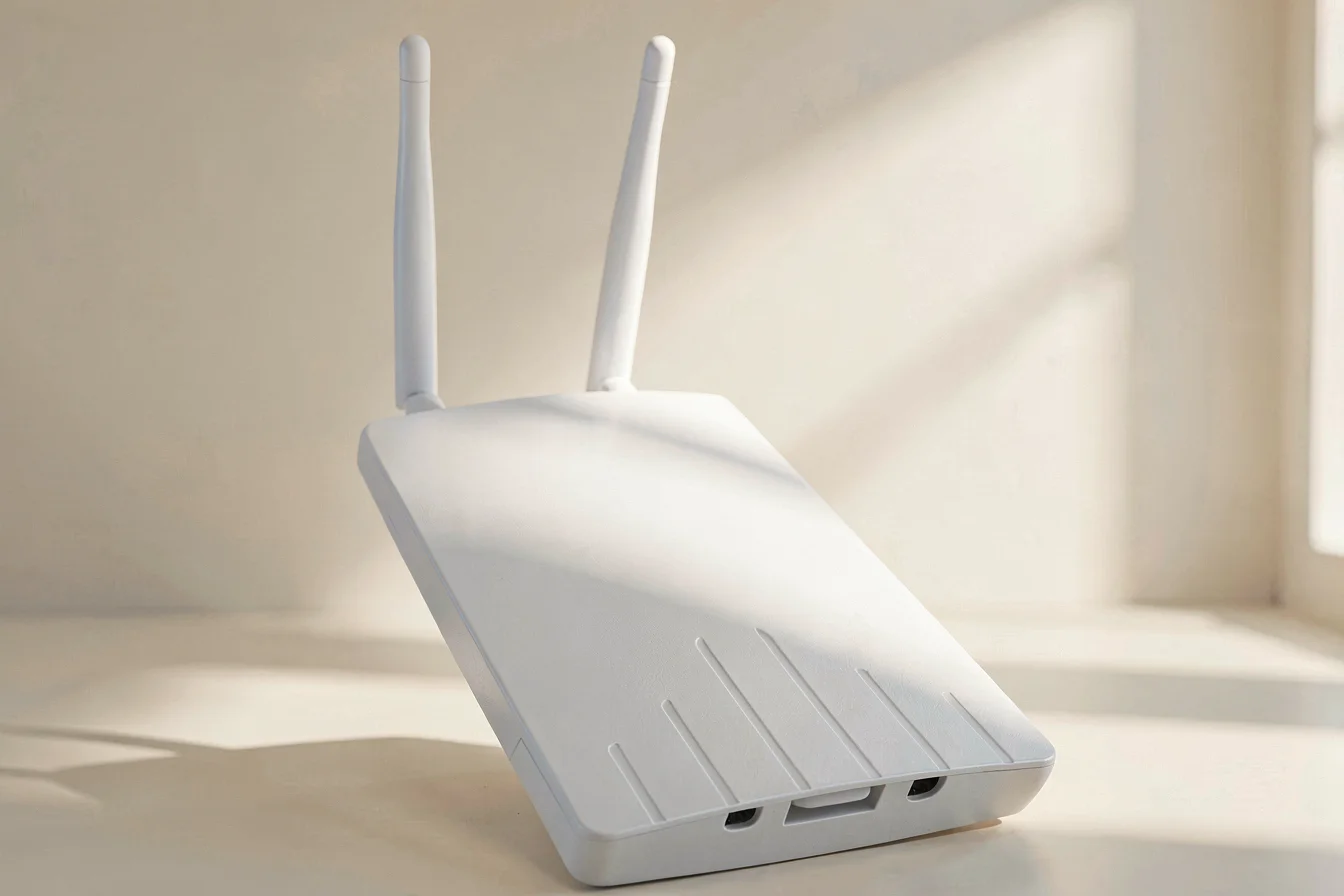
Buyers should select a alarm system decoder for advanced signal matching, integration flexibility, and customizable area mapping in modular security setups, while opting for a alarm signal processor for real-time signal conditioning and streamlined processing in standardized, legacy alarm environments. Demand is rising for decoders in complex, multi-brand systems, but processors remain dominant in high-throughput, legacy installations[1][2][3][4]. The optimal procurement strategy depends on the scale, complexity, and integration needs of the security network.
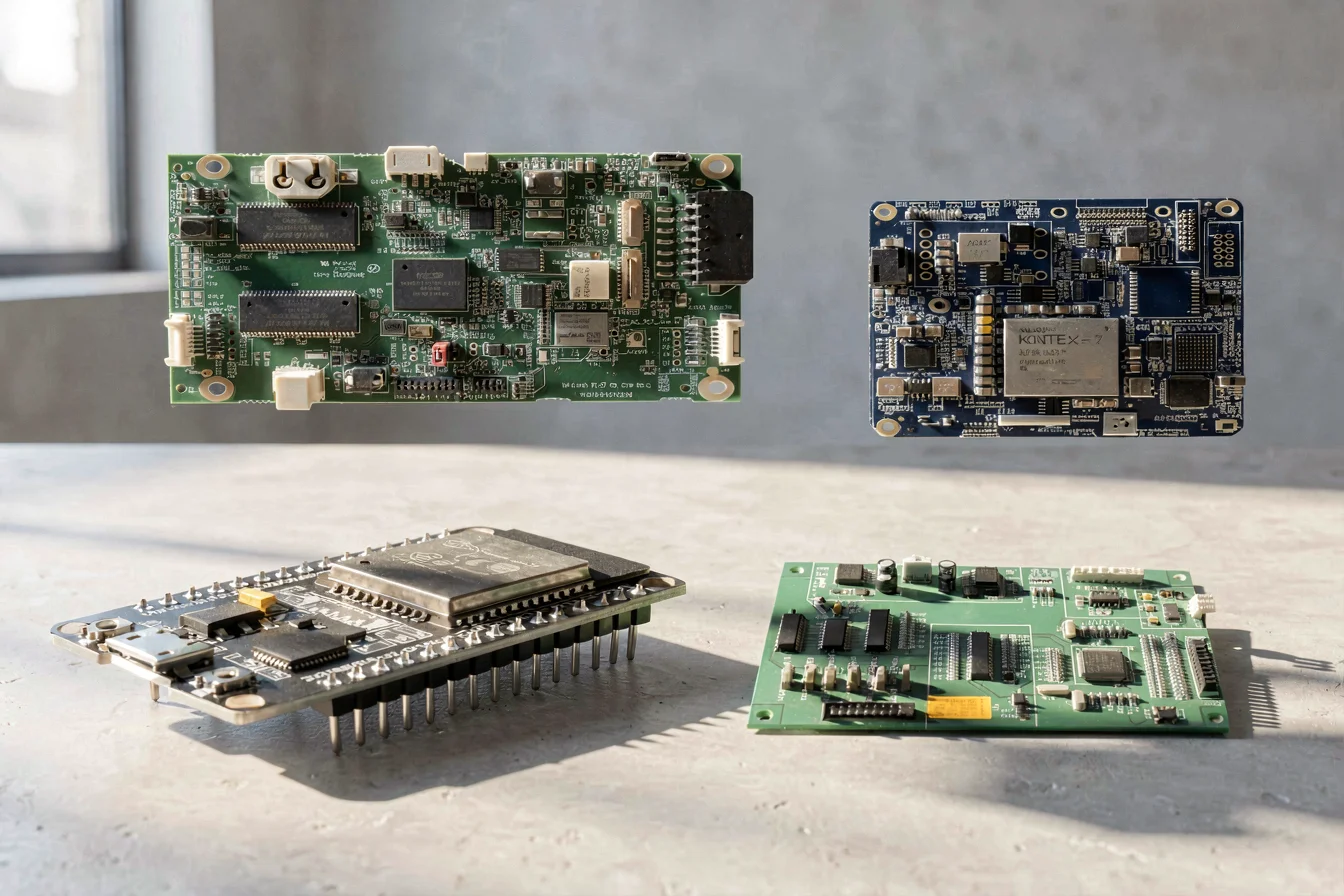
The alarm system decoder delivers advanced signal matching, regex customization, and flexible area mapping, ideal for buyers requiring integration with multi-brand panels and complex networked alarm systems. It addresses pain points like inconsistent event codes, area assignment, and the need for advanced filtering and grouping of alarm signals[2][3]. In contrast, the alarm signal processor excels in real-time signal conditioning, ensuring consistent throughput and streamlined processing for standardized alarm inputs, best suited for legacy installations and environments with high signal volume[4][6].
The urgency in decision-making stems from rapid growth in modular security networks, where decoders provide flexible integration and advanced customization. Decoders are often used in enterprise, multi-site, or multi-panel setups, while processors are favored in single-site, legacy, or high-throughput alarm systems. Technological innovations in decoders include regex-driven event matching, customizable area mapping, and support for advanced panel protocols. Signal processors focus on real-time conditioning, error correction, and efficient signal transmission.
| Feature | Alarm System Decoder | Alarm Signal Processor |
|---|---|---|
| Signal Matching | Regex-based, customizable | Standardized, fixed |
| Integration | Multi-brand, flexible | Single-brand, legacy |
| Area Mapping | Customizable, granular | Fixed, limited |
| Processing Speed | Event-driven, variable | High-throughput, real-time |
| Technical Expertise | Advanced, regex knowledge | Basic, plug-and-play |
Buyers must weigh integration flexibility and customization against processing speed and ease of use when selecting between a decoder and a processor.
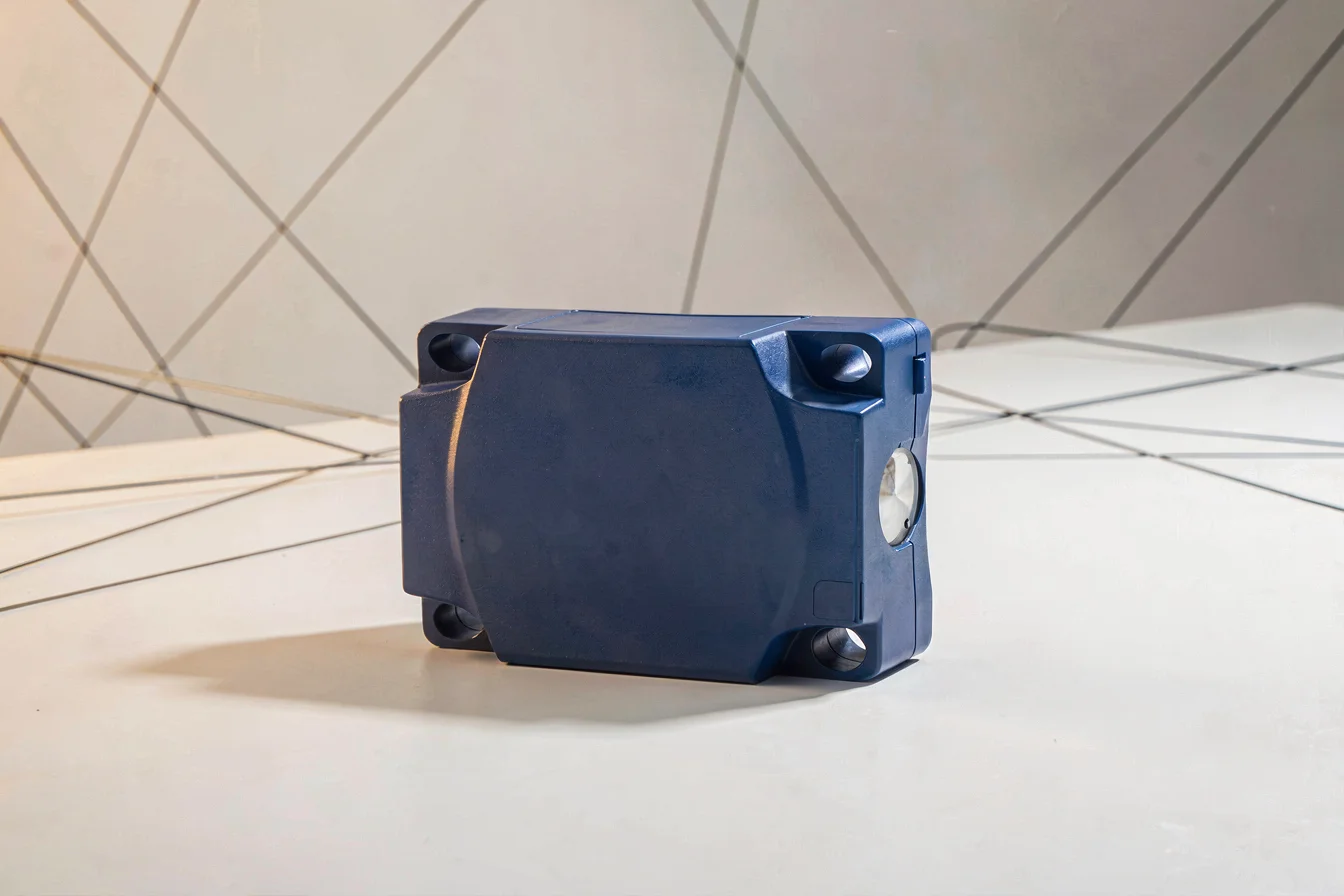
The durability of a alarm system decoder is determined by its ability to handle complex signal mapping and maintain stable performance over years, with minimal hardware failures if properly configured[2][3]. Processors, by contrast, are built for high-throughput, real-time signal conditioning, with robust performance in legacy and standardized environments[4][6]. Both products require regular firmware updates and occasional maintenance, but decoders may demand more frequent configuration changes in modular setups.
Application scenarios: Decoders are best in enterprise, multi-panel, or multi-brand networks where advanced signal matching and area mapping are essential. Processors are ideal in single-site, legacy, or high-volume alarm environments where signal conditioning and throughput are prioritized. Real-world reliability is high for both, but decoders may require more technical support, while processors are easier to maintain.
Long-term cost evaluation: Initial purchase price is comparable, but decoders may incur higher maintenance and configuration costs due to advanced customization. Processors offer lower maintenance but limited upgradeability. Hidden costs include technical support, firmware upgrades, and integration expenses. Below is a 5-year cost outlook:
| Cost Factor | Alarm System Decoder | Alarm Signal Processor |
|---|---|---|
| Initial Purchase | $250–$450 | $220–$420 |
| Maintenance | $150–$250 (config/tech support) | $100–$180 |
| Replacement Frequency | 5–10 years (if configured) | 5–10 years |
| Hidden Costs | Integration, firmware, tech support | Firmware, basic support |
| Total 5-Year Cost | $400–$700 | $320–$600 |
The decoder’s advanced customization and integration flexibility justify higher maintenance costs, while the processor’s simplicity reduces long-term expenses.
The alarm system decoder and alarm signal processor deliver distinct value in the security market: decoders empower buyers with flexible integration and advanced signal matching, while processors streamline real-time signal conditioning and throughput. Current market urgency is driven by rapid urbanization, multi-generational living, and the shift toward modular security networks[1].
Decoders are increasingly preferred in enterprise, modular, and multi-brand environments, while processors remain dominant in legacy and standardized setups.
Google Trends data (Mar 2025–Mar 2026) shows alarm system decoder module outpacing alarm signal processor board and alarm system signal converter , with decoder scores peaking in late 2025 and early 2026[1]. Search interest for decoders rose steadily, indicating growing buyer interest in flexible, customizable alarm integration. Processors remained stable but lagged behind, suggesting a shift toward modular, multi-brand security systems.
Search Interest over Time
The surge in decoder search interest signals a growing demand for advanced, customizable alarm integration in enterprise and modular security networks.
Reddit and TikTok discussions highlight the confusion and debate between buyers regarding integration complexity, reliability, and customization in alarm system decoder and alarm signal processor setups[7][9][10]. Case studies reveal contrasting buyer personas and outcomes:
Case Study 1: Enterprise Buyer (Decoder)
A large property management firm deployed a alarm system decoder
to integrate multiple DSC panels and third-party sensors. The decoder’s regex-driven signal matching enabled flexible area mapping and grouping, streamlining event codes and reducing false alarms. Technical support was required for advanced configuration, but the decoder’s flexibility justified the investment. Buyer comment: “The decoder allowed us to integrate legacy and new panels seamlessly. Regex customization was challenging but worth it for our complex network.”
Case Study 2: Legacy Buyer (Processor)
A small business owner upgraded from a legacy alarm system to a alarm signal processor
. The processor’s real-time signal conditioning and streamlined processing improved reliability, with minimal configuration needed. Maintenance was straightforward, but integration with new panels was limited. Buyer comment: “Processor made upgrading easy. Signal conditioning is reliable, but we couldn’t integrate new sensors.”
“Regex customization was challenging but worth it for our complex network.” (Enterprise Buyer)
“Processor made upgrading easy. Signal conditioning is reliable, but we couldn’t integrate new sensors.” (Legacy Buyer)
| Dimension | Alarm System Decoder | Alarm Signal Processor |
|---|---|---|
| Overall Satisfaction | High (complex setups) | Moderate (legacy setups) |
| Most Praised Feature | Customizable area mapping | Signal conditioning speed |
| Most Common Complaint | Regex configuration complexity | Limited integration |
| Community Recommendation Rate | 70% | 60% |
Viral content themes include debates over reliability, integration complexity, and the need for technical support. Reddit and TikTok users consistently recommend decoders for modular, multi-brand networks and processors for legacy, single-site installations. Cultural reception shows a growing preference for customizable, flexible alarm solutions.
Community sentiment favors decoders for complex integration, but processors remain popular for simplicity and reliability in legacy environments.
Buyers should start with a checklist before purchasing:
Tiered recommendations:
| Tier | Recommended Product | Key Reason |
|---|---|---|
| Budget-Friendly | Alarm Signal Processor | Easy setup, minimal maintenance |
| Mid-Range | Alarm System Decoder | Flexible integration, customizable mapping |
| Premium | Alarm System Decoder | Advanced regex, multi-brand support |
Optimization tips:
Buyers should align product choice with network complexity, technical support capacity, and integration requirements to maximize ROI.
The next 6–12 months will see continued growth in demand for alarm system decoder modules, driven by modular security networks, multi-brand integration, and advanced customization. Processors will remain relevant in legacy, single-site environments but may see slower growth as buyers shift toward flexible, customizable solutions[1].
Buyers should act confidently, leveraging platform support and technical resources to ensure optimal integration and performance. Share your experiences to inform the community and drive product improvements. Commercial buyers are encouraged to source from Alibaba.com for advanced, customizable alarm solutions, optimizing procurement for scalability and resilience.
Decoders are the future of modular security integration; processors remain vital for legacy reliability. Choose based on your network’s complexity and technical support capacity, and engage with the community to drive innovation and best practices.