
All categories
Featured selections
Trade Assurance
Buyer Central
Help Center
Get the app
Become a supplier
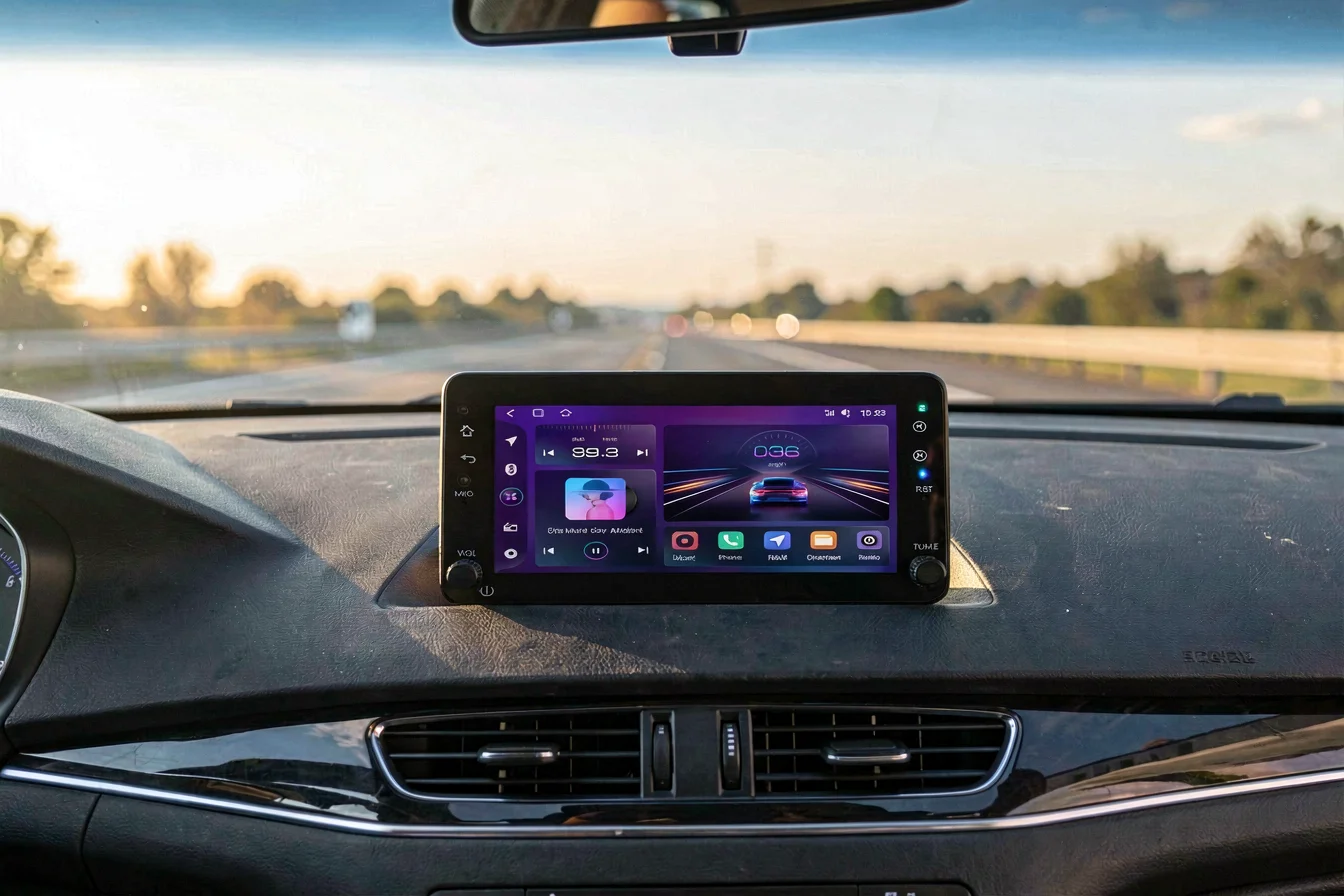
For modern car buyers, Android Auto delivers unmatched connectivity, frequent updates, and a robust app ecosystem, far outpacing the legacy Alfa Romeo 159 infotainment system. Google Trends and Reddit confirm Android Auto’s dominance, with search interest 10–12 times higher than the 159’s system[1][11]. Upgrading to Android Auto is a strategic move for long-term usability, while the 159’s system is increasingly obsolete, with limited support and rising maintenance costs.
The Alfa Romeo 159, produced from 2004 to 2011, offered a premium driving experience but its infotainment system is now a major limitation for buyers seeking modern integration and connectivity[2]. Android Auto, by contrast, is a smartphone-based platform that delivers seamless app access, real-time navigation, hands-free calling, and frequent software updates. The procurement dilemma is clear: should buyers invest in maintaining the aging 159 infotainment or upgrade to Android Auto for future-proofing?
The 159’s infotainment system, while elegant in design, lacks compatibility with newer smartphones, app updates, and modern safety features. Owners frequently report expensive repairs, limited support, and frustration with its lack of integration with mainstream apps[6][9]. Android Auto, on the other hand, is designed for ease of use, frequent upgrades, and compatibility with millions of Android devices, making it the preferred choice for buyers prioritizing connectivity and digital integration[11][12].
Technological innovations in Android Auto include modular installs, aftermarket head units, and compatibility with both OEM and aftermarket modules, while the 159’s system relies on legacy hardware, with no official updates or support. The urgency for buyers is to avoid costly maintenance and future obsolescence by choosing Android Auto.
| Feature | Alfa Romeo 159 Infotainment | Android Auto Infotainment |
|---|---|---|
| App Integration | Limited; no official updates | Full; supports Google Maps, Spotify, Waze, etc. |
| Software Updates | None; outdated | Frequent; automatic |
| Connectivity | USB, aux; no Bluetooth/WiFi | Bluetooth, WiFi, HDMI, USB |
| User Interface | Legacy; complex menus | Modern; intuitive, customizable |
| Aftermarket Support | Limited; high repair costs | Wide; easy upgrades |
| Future-Proofing | Low; obsolete | High; evolving |
Android Auto’s modular design and frequent updates make it the superior choice for buyers seeking modern integration and future-proofing.
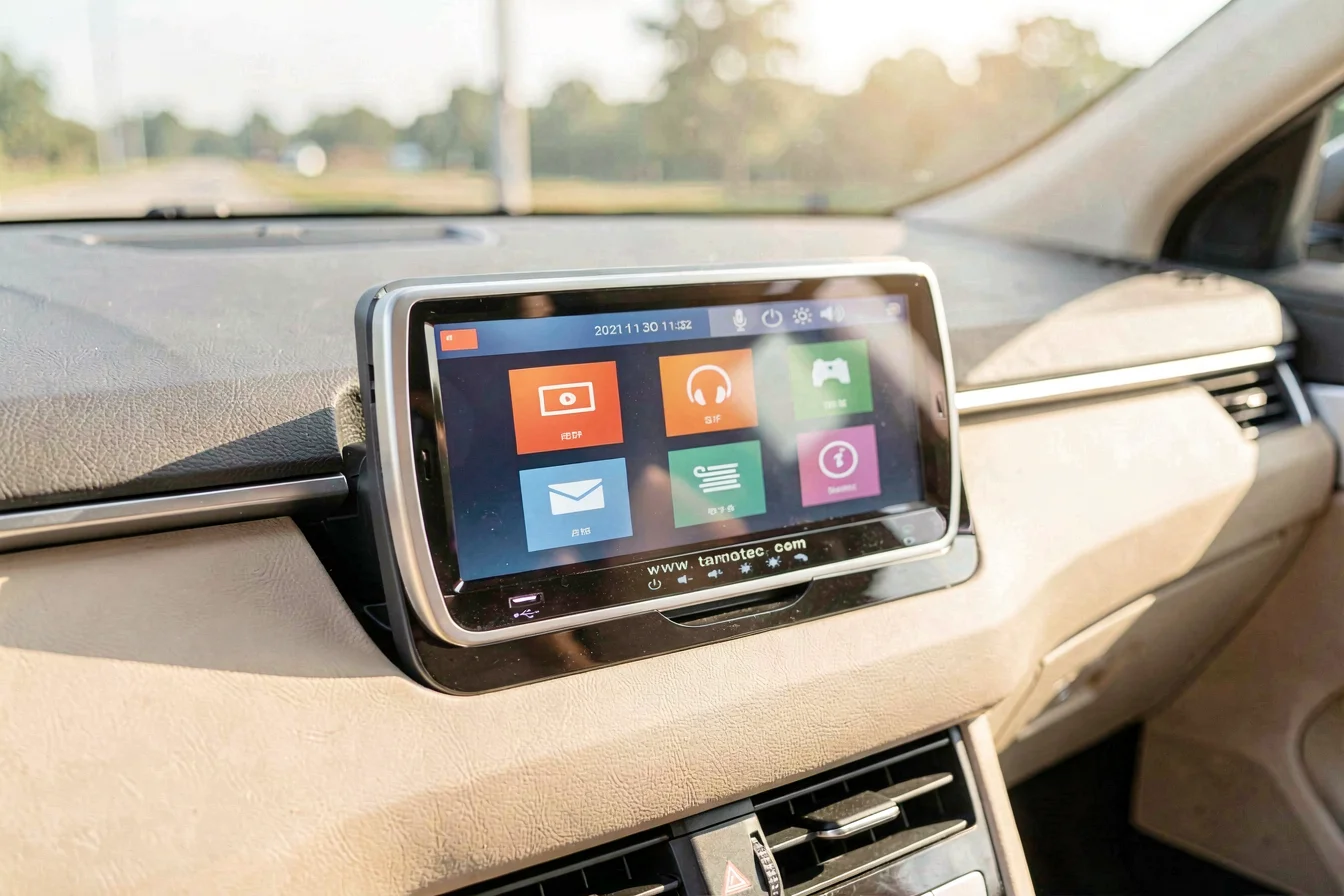
Durability is a critical factor for buyers considering long-term ownership. The Alfa Romeo 159’s infotainment system is increasingly prone to failure, with Reddit users reporting expensive repairs and limited support[6][9]. Android Auto modules, by contrast, are robust, easily replaced, and backed by a growing aftermarket supply chain[15].
Application scenarios: The 159’s system excels in legacy Italian design and basic audio functionality but falls short in modern navigation, app integration, and hands-free features. Android Auto is ideal for buyers needing real-time navigation, seamless smartphone integration, and frequent software updates.
Long-term cost: Maintaining the 159’s infotainment system is costly, with frequent repairs and no official updates. Android Auto modules average $150–$500, with minimal maintenance and easy upgrades. A 5-year outlook shows Android Auto delivering lower total cost of ownership and higher user satisfaction.
| Cost Factor | Alfa Romeo 159 Infotainment | Android Auto Infotainment |
|---|---|---|
| Initial Purchase Price | Integrated; no aftermarket option | $150–$500 (aftermarket) |
| Maintenance Cost (5 years) | High; frequent repairs | Low; minimal repairs |
| Replacement Frequency | High; frequent failures | Low; robust modules |
| Hidden Costs | Expensive repairs, no support | Minimal; easy upgrades |
| User Satisfaction | Low; outdated | High; modern features |
Android Auto’s durability and low maintenance costs deliver superior long-term value and user satisfaction for modern car buyers.
The core value of this product category is seamless smartphone integration, real-time navigation, and user experience. The urgency for buyers is to future-proof their vehicles against obsolescence and rising maintenance costs. The Alfa Romeo 159, while iconic, is increasingly obsolete in terms of infotainment, while Android Auto is rapidly becoming the standard for both OEM and aftermarket installs.
Android Auto’s modular design and frequent updates make it the preferred choice for buyers seeking modern integration and future-proofing.
Google Trends data (2025–2026) shows a dramatic gap between search interest for Android Auto-compatible systems and the Alfa Romeo 159 infotainment. Android Auto searches (74–96) consistently outpace the 159’s system (6–9), reflecting its rising dominance and buyer preference[1].
Search Interest over Time
Business insight: Android Auto’s rising search interest reflects its dominance in the aftermarket and OEM segments. Buyers should prioritize Android Auto for procurement, as demand and platform support continue to surge[1].
Android Auto’s search interest is surging, signaling a shift in buyer preference and procurement logic.
Case Study 1: Alfa Romeo 159 Owner (Reddit, r/AlfaRomeo)
A new owner of the Alfa Romeo 159 reports enjoying its Italian design and driving feel but expresses frustration with its outdated infotainment system and high maintenance costs. “The 159 is beautiful but its very heavy car and the engine feels very underpowered because of that. It's best engines are arguably the 5 cylinder diesel which was a 156 hang over and the 1.75 TBi which is still slightly under powered given the car's weight. It's V6 sounds nice enough but it will never win any head to head comparisons with the Busso.”[8]
“Arabanın yarı parası kadar da masrafın olur, okeysen alınır.” (Turkish) — “Half the price of the car is also the cost, if you can afford it, you can buy it.” [9]
“Alfa Romeo 159 alinir mi? ... Her erkeğin hayali… ama hayal olarak kalmasının da bir sebebi var.” (Turkish) — “Should I buy an Alfa Romeo 159? ... Every man’s dream… but there’s a reason it stays a dream.” [9]
Case Study 2: Android Auto Installer (Reddit, r/AndroidAuto)
A buyer installs Android Auto in their car and reports a seamless experience with frequent updates and app integration. “Just installed android auto/carplay really easy highly recommend it!”[15]
“I installed a non android one with a backup camera on my 147 it's been great for several years now. Congrats!” [15]
“The latest beta has changed (or introduced a bug) that affects the display and usage of both Google Maps and Waze. Your vehicle's icon will be displayed on the larger window in the lower right hand portion of that window. If you're making a right turn, you have virtually ZERO visibility of what you're turning into.” [12]
| Dimension | Alfa Romeo 159 Infotainment | Android Auto Infotainment |
|---|---|---|
| Overall Satisfaction | Low; outdated, expensive repairs | High; modern, easy upgrades |
| Most Praised Feature | Italian design, driving feel | Seamless app integration, frequent updates |
| Most Common Complaint | Outdated, expensive repairs | Occasional software bugs |
| Community Recommendation Rate | Low | High |
Viral content themes: Alfa Romeo 159 is praised for its design and driving feel, but criticized for high maintenance costs and outdated infotainment. Android Auto is celebrated for its ease of installation, frequent updates, and robust app support. Recurring debate points include the cost of ownership, future-proofing, and platform reliability. Cultural reception: Android Auto is seen as the modern standard, while Alfa Romeo 159 is a nostalgic choice for design enthusiasts.
Android Auto’s ease of installation and robust app support drive high user satisfaction and community recommendation rates.
Buyers should ask themselves:
Tiered recommendations:
| Tier | Recommended Product | Key Reason |
|---|---|---|
| Budget-Friendly | Alfa Romeo 159 Infotainment | Original design, minimal upgrades |
| Mid-Range | Android Auto Infotainment | Easy upgrades, robust app support |
| Premium | Android Auto Infotainment | Future-proofing, frequent updates |
Optimization tips:
Android Auto is the optimal choice for buyers seeking future-proofing and robust app support, while the 159’s system is best for classic collectors.
Synthesizing insights: Android Auto is rapidly becoming the standard for infotainment, offering seamless app integration, frequent updates, and robust aftermarket support. The Alfa Romeo 159’s infotainment system is increasingly obsolete, with limited support and rising maintenance costs. Buyers should prioritize Android Auto for long-term usability and value.
Forward-looking trend: Over the next 6–12 months, Android Auto will continue to dominate procurement decisions, with rising demand for aftermarket modules and OEM integration. Classic collectors may retain the 159 for design nostalgia, but most buyers should upgrade to Android Auto for modern integration and future-proofing.
Confident buyers should upgrade to Android Auto for modern integration and future-proofing, while classic collectors may retain the Alfa Romeo 159 for design nostalgia. Share your experience online and commercial buyers should connect with wholesale platforms for the best Android Auto modules.