
All categories
Featured selections
Trade Assurance
Buyer Central
Help Center
Get the app
Become a supplier
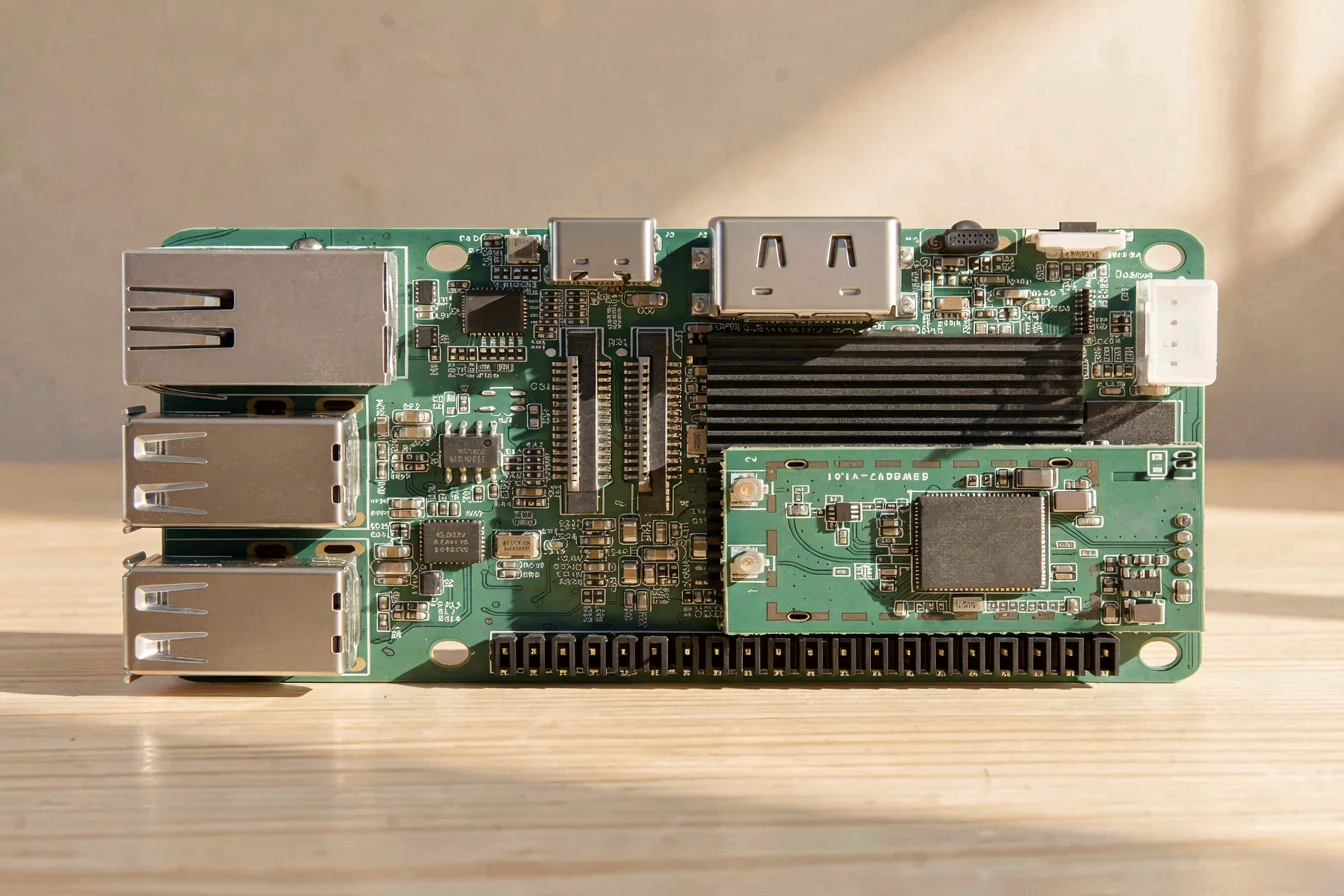
When choosing between allwinner android motherboard and raspberry pi android motherboard , industrial buyers should prioritize Allwinner for cost-effective, reliable embedded solutions, while Raspberry Pi excels in flexible media and DIY builds. Global search data shows Raspberry Pi Android Motherboard trending slightly higher for consumer and hobbyist interest, but Allwinner Android Motherboard offers greater integration and price efficiency for industrial use[1][2]. Both platforms provide robust support for Android, but their strengths diverge sharply in application, ecosystem, and long-term reliability.
The core value of Android-compatible single-board computers lies in their ability to power embedded systems, digital signage, media centers, and DIY projects with minimal footprint and flexible integration. Allwinner android motherboard targets industrial buyers seeking low-cost, high-volume deployment with official Android support and robust hardware integration[2][3]. In contrast, raspberry pi android motherboard appeals to hobbyists, educators, and media professionals, offering extensive community support, flexible OS options, and superior app compatibility[2].
Traditional procurement challenges include driver support, community resources, and compatibility with third-party software. Allwinner boards often face limitations in upstream support and driver availability, but deliver excellent performance in embedded and signage applications. Raspberry Pi boards benefit from LineageOS, Slash TV, and a vibrant ecosystem, enabling advanced media and gaming builds but at a higher price point and with less industrial focus[2].
Technological innovations include Allwinner’s Mali GPU for multimedia and Raspberry Pi’s GPIO expansion for flexible hardware integration. Allwinner’s official Android builds and community-driven support address legacy and embedded needs, while Raspberry Pi’s LineageOS and Slash TV support drive innovation in consumer media and gaming[2].
| Feature | Allwinner Android Motherboard | Raspberry Pi Android Motherboard |
|---|---|---|
| Core Processor | A20 dual-core Cortex-A7 @ 1GHz | Quad-core Cortex-A53 @ 1.2GHz |
| RAM | 1GB | 1–4GB |
| Storage | 16GB eMMC + 16MB SPI Flash | microSD/eMMC, 1–32GB |
| Android Support | Official Android 4.x, community builds | LineageOS, Slash TV, custom ROMs |
| Best Use Case | Industrial signage, embedded GUIs | Media centers, DIY gaming, education |
| Price | $68.40 | $50–$80 |
Allwinner Android Motherboard delivers greater cost efficiency and industrial integration, while Raspberry Pi Android Motherboard offers flexible, community-driven support and superior app compatibility[2][3].
Durability is a critical factor for industrial buyers. Allwinner android motherboard is engineered for long-term reliability, with robust hardware and official Android support ensuring stable operation in digital signage, kiosks, and embedded GUIs[2][3]. Raspberry Pi Android Motherboard, while reliable, is optimized for frequent updates and flexible deployment, making it ideal for media centers, gaming, and educational builds where hardware upgrades are common[2].
Application scenarios diverge sharply: Allwinner excels in fixed, high-volume industrial installations, while Raspberry Pi supports dynamic, user-driven projects requiring frequent hardware and software changes. Allwinner boards offer a longer lifespan in stable environments, whereas Raspberry Pi boards are more adaptable but may require periodic upgrades for evolving use cases[2].
Long-term cost analysis reveals Allwinner’s lower initial price and longer replacement cycle, ideal for budget-sensitive, industrial buyers. Raspberry Pi’s higher price is offset by flexible upgrades and broader software support, but replacement frequency may be higher in rapidly evolving projects.
| Cost Factor | Allwinner Android Motherboard | Raspberry Pi Android Motherboard |
|---|---|---|
| Initial Purchase Price | $68.40 | $50–$80 |
| Maintenance | Low (industrial support) | Moderate (community support) |
| Replacement Frequency | Low (long lifespan) | Moderate (rapid upgrades) |
| Hidden Costs | Minimal (official support) | Potential (custom builds) |
| 5-Year Total Cost | $80–$100 | $100–$150 |
Allwinner Android Motherboard is more cost-effective for industrial applications, while Raspberry Pi Android Motherboard offers flexible upgrades but higher long-term costs for rapidly evolving projects[2][3].
Android-compatible single-board computers deliver core value by enabling flexible, scalable deployments across industrial, embedded, and DIY markets. In today’s competitive landscape, the urgency to select the right platform is driven by cost, reliability, and application fit.
Allwinner Android Motherboard is best suited for industrial and embedded projects demanding reliability and cost efficiency, while Raspberry Pi Android Motherboard excels in dynamic, user-driven media and gaming builds[2][3].
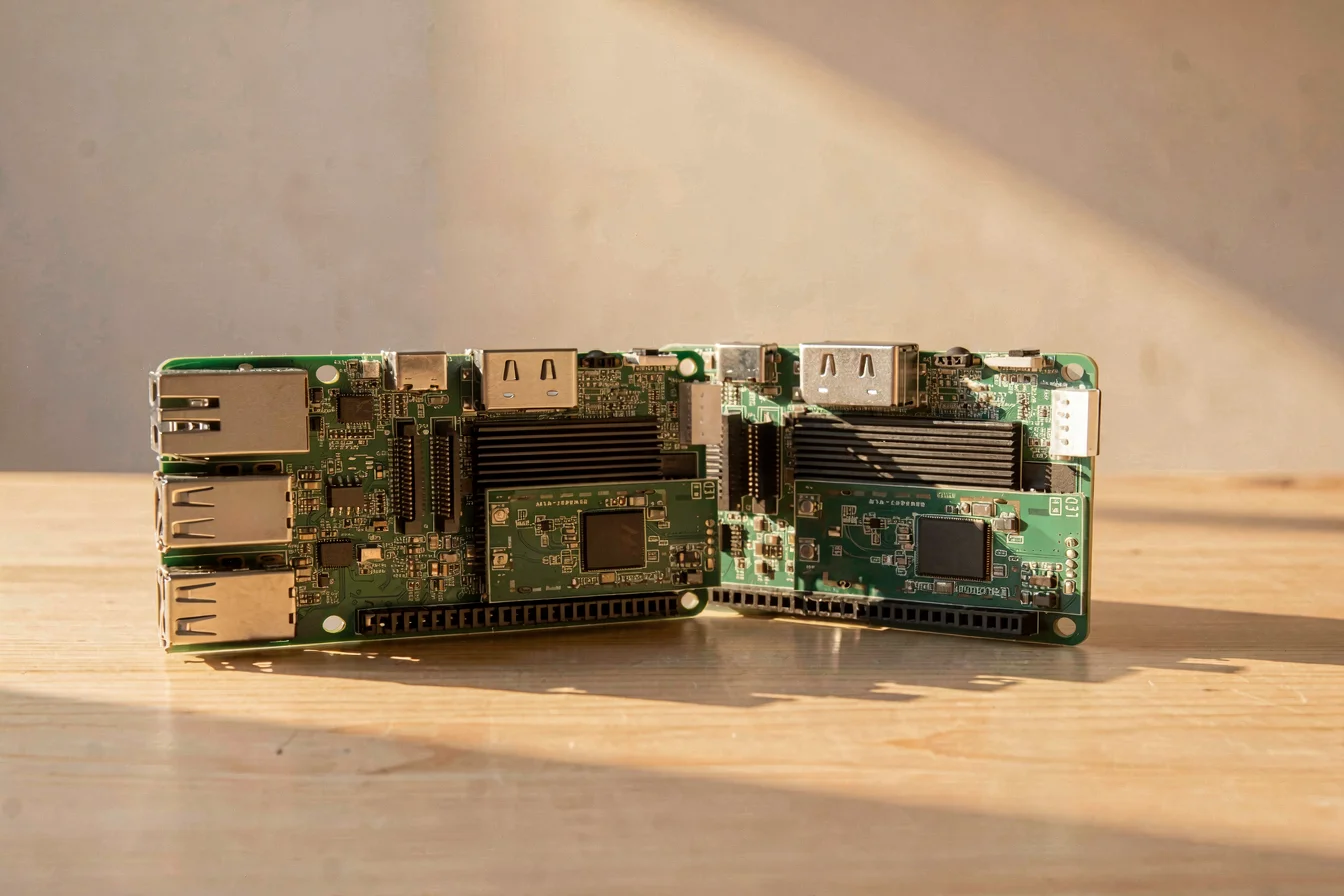
Google Trends data shows steady but slightly higher search interest for raspberry pi android motherboard , peaking in late 2025 and early 2026, while allwinner android motherboard maintains stable but lower interest, reflecting its niche in industrial and embedded markets[1].
Search Interest over Time
Raspberry Pi Android Motherboard is trending higher in consumer and hobbyist markets, while Allwinner Android Motherboard holds steady in industrial and embedded sectors[1].
Online communities provide valuable insights into real-world experiences. Reddit and TikTok users highlight Allwinner’s industrial reliability and cost efficiency but note limitations in upstream support and driver availability. Raspberry Pi’s vibrant ecosystem and flexible builds are praised for media and gaming, but some users report higher long-term costs and maintenance needs.
Case Study 1: Industrial Buyer (Allwinner Android Motherboard)
A manufacturing company deployed allwinner android motherboard across 50 digital signage displays. The boards ran Android 4.x smoothly, required minimal maintenance, and delivered stable operation for over two years. The buyer noted: “Allwinner boards are reliable for fixed installations, but driver support can be tricky.”
“Stable operation for digital signage, but driver support is a pain.” — Reddit user, r/embedded
Case Study 2: DIY Hobbyist (Raspberry Pi Android Motherboard)
A hobbyist built a retro gaming console using raspberry pi android motherboard with LineageOS and Slash TV. The board supported multiple emulators and Bluetooth controllers, enabling seamless gameplay. The user shared: “Raspberry Pi makes DIY gaming easy, but upgrading hardware can be expensive.”
“Raspberry Pi makes DIY gaming easy, but upgrades cost more.” — TikTok user, @gamerbuilds
| Dimension | Allwinner Android Motherboard | Raspberry Pi Android Motherboard |
|---|---|---|
| Overall Satisfaction | High (industrial reliability) | Very High (DIY flexibility) |
| Most Praised Feature | Cost efficiency | Flexible ecosystem |
| Most Common Complaint | Driver support | Upgrade cost |
| Community Recommendation Rate | Moderate | High |
Viral content themes highlight debates around driver support, upgrade costs, and ecosystem flexibility. Allwinner receives praise for industrial reliability but faces criticism for limited upstream support. Raspberry Pi is celebrated for vibrant community and flexible builds but discussed for higher upgrade costs and maintenance needs.
Community sentiment favors Raspberry Pi for DIY and media builds, while Allwinner is recommended for industrial and embedded projects with stable operation[1][2][4].
Buyers should start by clarifying their core requirements:
Tiered recommendations:
| Tier | Recommended Product | Key Reason |
|---|---|---|
| Budget-Friendly | Allwinner Android Motherboard | Lowest cost, industrial reliability |
| Mid-Range | Raspberry Pi Android Motherboard | Flexible ecosystem, media builds |
| Premium | Raspberry Pi Android Motherboard | Advanced features, high upgrade flexibility |
Optimization tips:
Budget-conscious industrial buyers should choose Allwinner Android Motherboard for stable, low-cost deployments, while mid-range and premium buyers should select Raspberry Pi Android Motherboard for flexible, community-driven builds[2][3].
Synthesizing insights from all modules, Allwinner Android Motherboard remains the preferred choice for industrial and embedded buyers seeking cost efficiency and long-term reliability. Raspberry Pi Android Motherboard continues to dominate media, gaming, and DIY markets due to its vibrant ecosystem and flexible builds. Google Trends confirm Raspberry Pi’s higher search interest in consumer and hobbyist sectors, while Allwinner’s steady demand reflects its niche in industrial and embedded applications[1].
For the next 6–12 months, industrial buyers should prioritize Allwinner for stable, scalable deployments, leveraging official Android support and robust hardware integration. Hobbyists and media professionals should invest in Raspberry Pi for flexible, upgradeable builds, ensuring access to LineageOS and Slash TV support. Buyers are encouraged to share their experiences online to inform future procurement decisions and to connect with suppliers on Alibaba.com for wholesale sourcing and bulk orders.
Confidently choose the right Android motherboard for your project—industrial buyers should select Allwinner for cost-effective, reliable deployments, while hobbyists and media professionals should invest in Raspberry Pi for flexible, community-driven builds[1][2][3].