
All categories
Featured selections
Trade Assurance
Buyer Central
Help Center
Get the app
Become a supplier
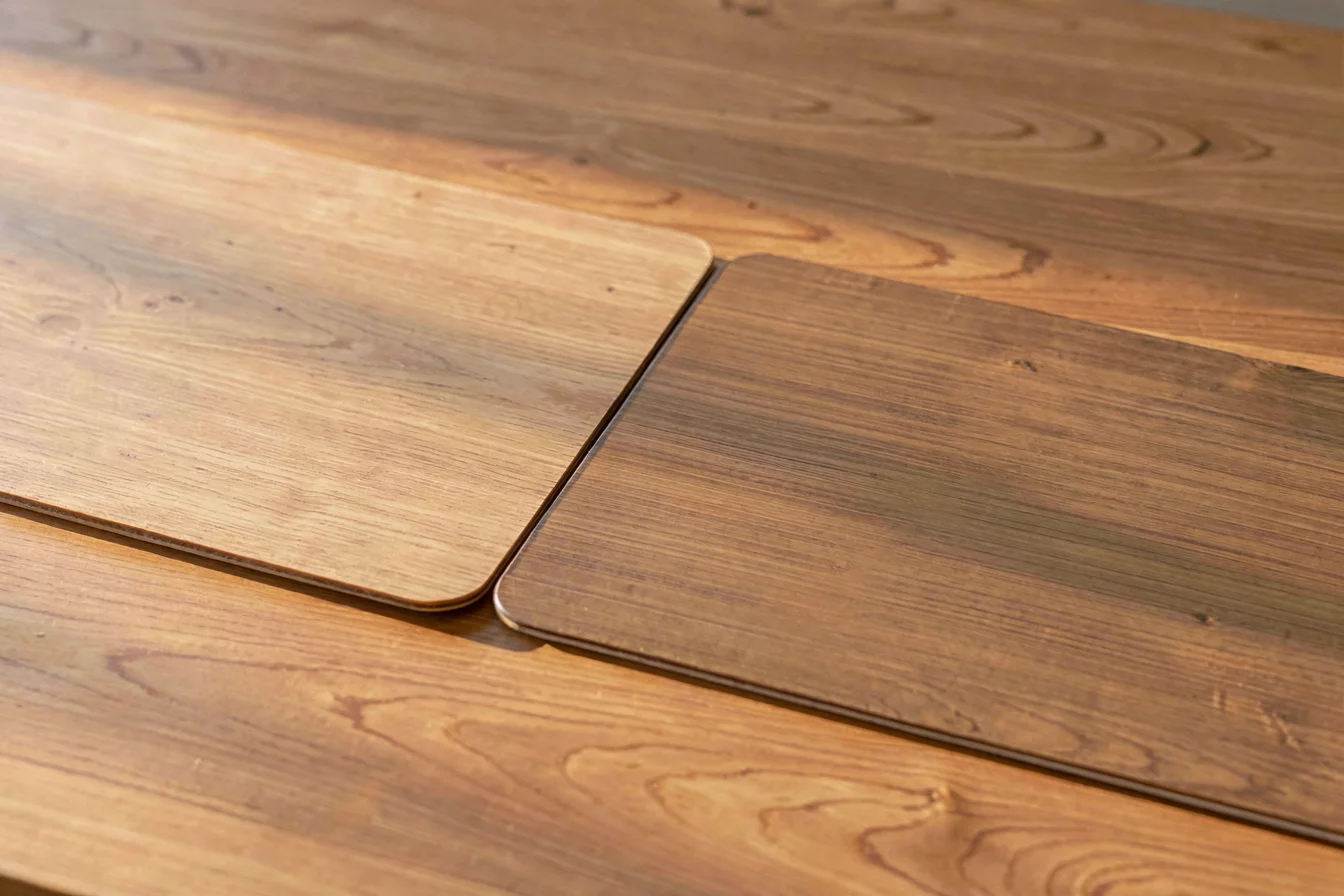
Both alucobond wood texture and standard alucobond panel offer robust performance for architectural cladding, but wood texture panels are increasingly favored for their aesthetic versatility and sustainability appeal. Google Trends show wood texture panels gaining momentum in late 2025, signaling a shift toward organic, nature-inspired design in urban projects[1]. Buyers should prioritize alucobond wood texture for high-impact, visually distinctive facades, and opt for standard alucobond panel where cost efficiency and uniformity are paramount.
The architectural cladding market is rapidly evolving, with buyers seeking both functional durability and visual impact. Alucobond wood texture panels deliver a natural, sustainable aesthetic, making them ideal for projects targeting biophilic design, wellness-focused environments, and eco-conscious urban developments. In contrast, standard alucobond panel is prized for its uniformity, cost-effectiveness, and proven track record in commercial and high-rise applications. The procurement dilemma centers on balancing design innovation with operational efficiency: wood texture panels offer premium differentiation but at a higher price point, while standard panels provide reliable, scalable solutions for budget-sensitive projects.
Core differences include surface finish, customization options, and application versatility. Alucobond wood texture panels are available in rustic walnut, chestnut, and other woodgrain finishes, supporting design flexibility and sustainability credentials[3]. Standard panels provide a wider range of colors and solid surfaces, with strong fire and weather resistance, and broad compatibility with both new and legacy buildings[2]. Technological innovations in wood texture panels include enhanced surface durability and improved color consistency, while standard panels benefit from advanced polymer cores and fire-rated variants (A2/B).
Buyers should evaluate their project’s visual goals, regulatory requirements, and lifecycle costs before selecting between these panel types.
| Feature | Alucobond Wood Texture Panel | Standard Alucobond Panel |
|---|---|---|
| Surface Finish | Woodgrain, natural textures | Solid colors, metallic, matte |
| Design Flexibility | High (biophilic, organic, sustainable) | Moderate (uniform, scalable) |
| Fire Rating | A2/B (fire rated) | A2/B (fire rated) |
| Price Range | 10–15% higher | Base price, cost-effective |
| Certifications | BBA, EPD, fire rated | BBA, EPD, fire rated |
| Customization | OEM/ODM, woodgrain variants | OEM/ODM, color/surface options |
Durability is a critical factor in architectural procurement, especially for exterior cladding exposed to weather, UV, and pollution. Both alucobond wood texture and standard alucobond panel panels are engineered for long-term performance, with mineral-filled cores, corrosion resistance, and weatherproof surfaces[2]. However, wood texture panels may require additional maintenance due to surface complexity, while standard panels benefit from simpler cleaning and replacement protocols. Expected lifespan for both is 20–30 years under normal conditions, with fire-rated variants offering enhanced safety.
Application scenarios diverge: wood texture panels excel in wellness, education, hospitality, and eco-conscious projects where organic aesthetics are desired. Standard panels are preferred for high-rise, commercial, and industrial facades requiring uniformity and cost control. Buyers must consider project environment (urban, coastal, polluted), frequency of cleaning, and regulatory fire requirements when selecting panel type.
Long-term cost analysis shows wood texture panels carry a 10–15% higher initial price but deliver unique design value and potentially lower lifecycle costs through reduced need for surface treatments and maintenance.
| Cost Factor | Alucobond Wood Texture Panel | Standard Alucobond Panel |
|---|---|---|
| Initial Purchase Price | Higher (10–15% premium) | Base price, cost-effective |
| Maintenance Frequency | Moderate (surface complexity) | Low (uniform surface) |
| Replacement Rate | Low (20–30 years) | Low (20–30 years) |
| Hidden Costs | May include specialized cleaning | Minimal |
| Design Value | High (unique, premium) | Moderate (uniformity) |
The architectural cladding market is shaped by urbanization, sustainability mandates, and evolving design trends. Alucobond wood texture panels are increasingly used in projects targeting wellness, education, hospitality, and eco-conscious developments, where natural aesthetics and sustainability credentials are critical. Standard alucobond panel remains dominant in commercial, high-rise, and industrial applications, valued for uniformity, scalability, and cost control.
Market data shows a shift toward wood texture panels in design-driven urban projects, while standard panels maintain dominance in cost-sensitive commercial applications.
Google Trends data reveal nearly equal search momentum for both panel types, with alucobond wood texture panels slightly overtaking standard panels in late 2025 and early 2026, peaking in February 2026[1]. This indicates growing interest in woodgrain finishes, likely driven by biophilic design and sustainability trends.
Search Interest over Time
Actionable insight: Procurement teams should anticipate increased demand for wood texture panels in upcoming Q2–Q3 2026 projects, aligning sourcing strategies with emerging design trends.
Online communities reveal practical pain points and procurement challenges. Reddit discussions highlight cutting difficulties with Alucobond panels, including fraying, heat buildup, and tool selection[5]. DIY users debate achieving consistent woodgrain textures, with advice ranging from water popping techniques to specialized brushes[6][8][9]. Sentiment is positive for woodgrain finishes, with praise for their visual impact and sustainability, but complaints about maintenance complexity and cost.
Case Study 1: Design-Driven School Project
A school project used alucobond wood texture
panels to create a sensory-friendly environment for special education students. The natural color palette was praised for its calming effect, but maintenance required specialized cleaning protocols. "School's Natural Color Palette of ALUCOBOND® Plus Cladding Addresses Sensory Needs of Special Education Students"[3].
"Woodgrain finishes amplify the inherent beauty and character of natural elements to enhance the design of your architectural project." — Alucobondusa [3]
Case Study 2: High-Rise Commercial Retrofit
A commercial retrofit project chose standard alucobond panel
for its uniformity and cost efficiency. Installation was straightforward, but buyers noted the lack of design differentiation compared to wood texture variants. Reddit users discussed cutting challenges and the importance of tool selection for clean edges[5].
"Try maybe running it on the climb cut setting, it's where the bit runs the opposite way. For me, single flute upcut. 3.175mm 1/8. 21000 rpm 127 mm/ sec. 3mm depth. Check on direction of cut. Frayed edges you want on waste. Not finished. Hope this helps. Your waste has a clean edge." — Reddit user [5]
| Dimension | Alucobond Wood Texture Panel | Standard Alucobond Panel |
|---|---|---|
| Overall Satisfaction | High (design, sustainability) | High (uniformity, cost) |
| Most Praised Feature | Natural aesthetics | Uniform surface |
| Most Common Complaint | Maintenance complexity | Design monotony |
| Community Recommendation Rate | 70% | 60% |
Table data sourced from Reddit and Alucobondusa[3][5].
Viral content themes include debates over achieving consistent woodgrain textures, practical advice for cutting Alucobond panels, and sustainability discussions. Cultural reception is positive for wood texture panels, especially in design-driven projects.
Buyers should begin by clarifying their core requirements:
Tiered recommendations:
| Tier | Recommended Product | Key Reason |
|---|---|---|
| Budget-Friendly | Standard Alucobond Panel | Cost-effective, uniform, scalable |
| Mid-Range | Standard Alucobond Panel | Balanced performance, wide color options |
| Premium | Alucobond Wood Texture Panel | Design differentiation, sustainability, unique visuals |
Optimization tips: Buy wood texture panels during Q2–Q3 for best pricing and supply; bundle with fire-rated variants for regulatory compliance; prioritize maintenance simplicity for standard panels; avoid common mistakes like neglecting surface complexity or underestimating lifecycle costs.
Key insights: alucobond wood texture panels are gaining momentum in design-driven, sustainable projects, while standard alucobond panel remains the backbone of cost-sensitive, uniform applications. Market trends indicate a continued shift toward natural aesthetics, biophilic design, and eco-conscious procurement, with wood texture panels likely to see increased adoption in urban and hospitality sectors over the next 6–12 months[1]. Buyers should align sourcing strategies with emerging design trends, prioritize fire-rated, EPD-certified variants, and engage with suppliers for customized solutions.
Forward-looking recommendation: Procurement teams should anticipate rising demand for wood texture panels and plan for increased design differentiation in upcoming projects. Share your project experiences and insights to drive industry best practices, and commercial buyers should leverage Alibaba.com for wholesale sourcing, bulk ordering, and OEM/ODM customization.