
All categories
Featured selections
Trade Assurance
Buyer Central
Help Center
Get the app
Become a supplier
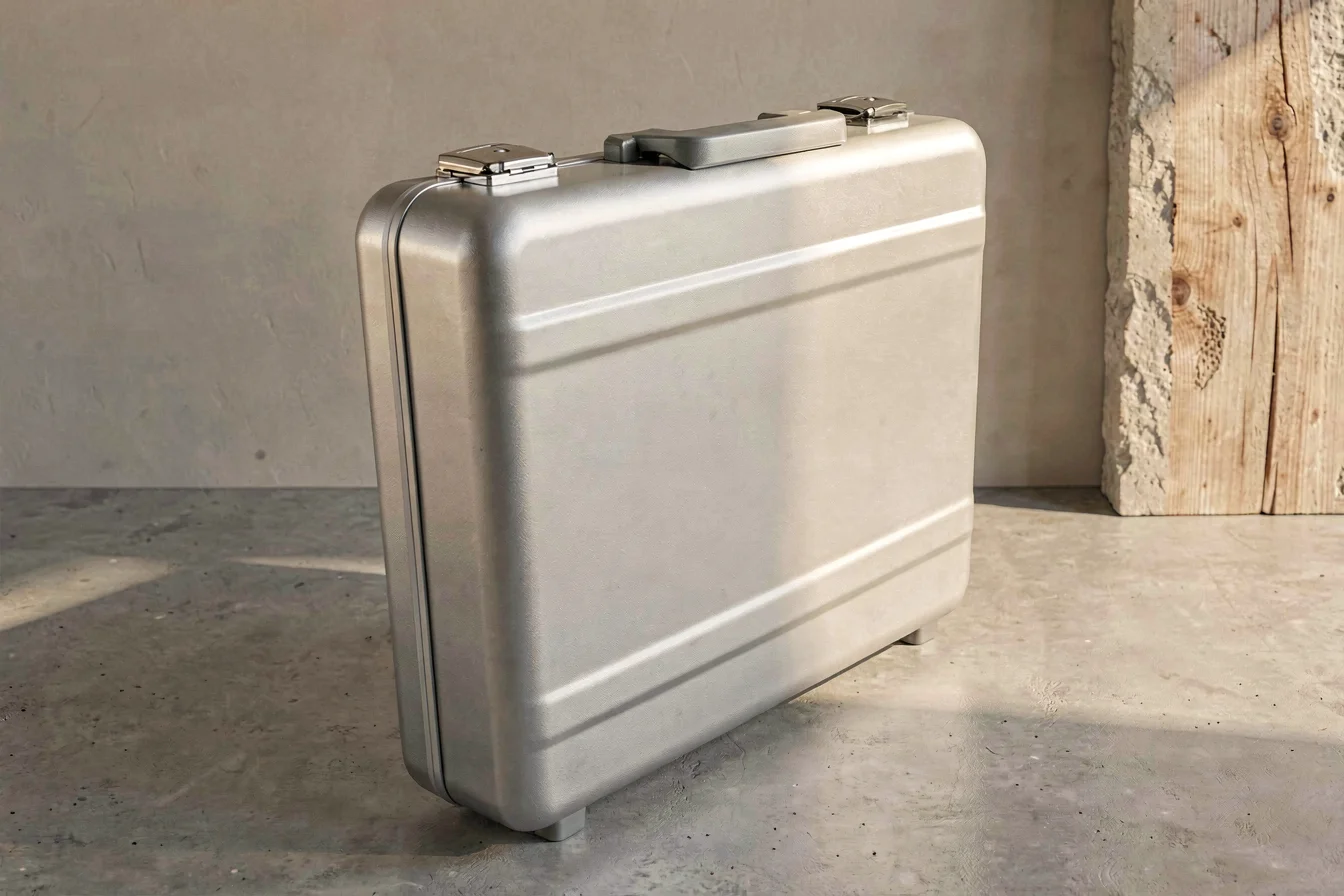
Both aluminium briefcase and leather briefcase are strong contenders in 2026, with aluminium offering superior durability, weather resistance, and modern aesthetics, while leather remains favored for classic elegance and legacy patina. Procurement logic suggests aluminium is ideal for frequent travel and tech-heavy use, whereas leather excels in formal environments and executive branding. Market demand for both is rising, with leather gaining momentum in luxury segments[1][3][4].
The core value of the briefcase category lies in professional image, functional reliability, and brand alignment. Aluminium briefcase targets buyers who prioritize ruggedness, weather resistance, and modern design, addressing pain points like frequent travel, electronic device protection, and low-maintenance needs. Leather briefcase appeals to those seeking timeless elegance, customizable patina, and legacy craftsmanship, solving challenges related to executive presence, formal settings, and long-term durability. Recent innovations in aluminium briefcases include TSA locks, shock-resistant foam, and EMI shielding, while leather briefcases emphasize artisan construction, full-grain vegetable-tanned leather, and premium hardware[5][6][7].
Traditional challenges: Leather briefcases require regular maintenance and are heavier; aluminium briefcases can dent and may lack the tactile luxury of genuine leather. Technological advancements: Aluminium briefcases are recyclable and weather resistant, while leather briefcases offer superior aging and repairability. The urgency for an informed decision is driven by evolving work environments, with buyers balancing aesthetics, practicality, and sustainability.
| Feature | Aluminium Briefcase | Leather Briefcase |
|---|---|---|
| Durability | High, weather resistant, recyclable | High, ages with patina, repairable |
| Maintenance | Low, easy to clean | Moderate, requires conditioning |
| Weight | Light, easy to carry | Medium, heavier for full-grain |
| Style | Modern, sleek, customizable | Classic, elegant, customizable |
| Price Range | $459–$1,500 | $150–$1,500 |
| Certifications | TSA lock, EMI/RFI shielding | Full-grain, vegetable-tanned, YKK zippers |
Aluminium briefcases deliver superior durability and weather resistance, while leather briefcases offer timeless elegance and customizable patina, each addressing distinct procurement needs.
Durability is a critical factor for professional buyers. Aluminium briefcase is engineered for long-term reliability, resisting moisture, rust, and sun damage, with a lifespan often exceeding a decade under normal use[5]. Leather briefcase durability is influenced by leather quality and hardware, with full-grain vegetable-tanned leather lasting over a decade and requiring less frequent replacement[7][9]. Performance consistency: Aluminium briefcases maintain shape and finish, while leather briefcases develop patina and require periodic conditioning.
Application scenarios: Aluminium briefcases excel in frequent travel, tech-heavy environments, and corporate branding with custom foam inserts and EMI shielding. Leather briefcases thrive in formal settings, executive meetings, and legacy branding, with repair programs and artisan craftsmanship[6][7][9].
5-year cost outlook: Aluminium briefcases have higher initial costs but lower maintenance and replacement frequency. Leather briefcases have moderate initial costs, higher maintenance, and occasional repair needs, but can appreciate in value as heirloom items.
| Cost Factor | Aluminium Briefcase | Leather Briefcase |
|---|---|---|
| Initial Purchase Price | $459–$1,500 | $150–$1,500 |
| Maintenance Cost | Low, occasional wipe-down | Moderate, conditioning every 6–12 months |
| Replacement Frequency | Rare, 10+ years | Rare, 10+ years (full-grain) |
| Hidden Costs | Minimal, occasional dent repair | Moderate, hardware replacement |
| Total Cost of Ownership (5 years) | $500–$1,600 | $250–$1,700 |
Aluminium briefcases offer lower maintenance and longer lifespan, while leather briefcases provide repairability and appreciation, making both viable for long-term professional use.
The briefcase category delivers core value in professional branding, functional reliability, and legacy image. In 2026, urgency is driven by evolving work environments, sustainability concerns, and shifting consumer preferences for both executive and tech-centric applications.
Aluminium briefcases excel in tech-centric and sustainable environments, while leather briefcases thrive in formal and legacy branding contexts.
Google Trends data shows a surge in searches for both aluminium briefcase and leather briefcase from August 2025 to February 2026, with leather briefcases with shoulder strap peaking at 90 in December 2025 and aluminium briefcases with TSA lock reaching 90 in February 2026[1]. This indicates strong demand for both types, with leather gaining momentum in luxury and executive segments, and aluminium trending upward for travel and tech applications.
Search Interest over Time
Search trends reveal rising demand for both aluminium and leather briefcases, with leather gaining momentum in luxury segments and aluminium trending upward for travel and tech use.
Case Study 1: A finance professional on Reddit shares, “Briefcase owner here. It's my go for going into the office and for all work trips. Backpacks aren't really my thing. I wanted durability, timeless design, leather, and visible craftsmanship. I get compliments everywhere. Herz Pilot Case, special ordered out of Japan. Mine is aging beautifully.” This reflects strong sentiment for leather briefcase in formal environments, with appreciation for patina and visible craftsmanship[8].
Case Study 2: A tech executive comments, “I’ve had my briefcase for 5 years and I hope it looks half as good as yours in another 7... That patina is absolutely legendary. You just can’t buy that look; you have to earn it with a decade of use.” This highlights the longevity and appreciation of leather briefcase as a “buy it for life” product[13].
Case Study 3: A frequent traveler on Reddit states, “Got photos for this cabin aluminum carry-on. Overall finish and structure look fine to me. Brushing seems consistent and corners look aligned. Just want a second set of eyes before confirming. If you notice anything off, let me know.” This reflects the practicality and durability of aluminium briefcase for travel and tech-heavy environments[16].
Case Study 4: A procurement manager notes, “I just bought the Briggs and Riley ZDX medium convertible backpack and love it. I’ll use it briefcase and messenger style in front of clients and backpack style at the airport and when I’m traveling. I’m not in full suit but I like to dress up in front of clients and I travel a lot for work. They’ve been around long enough. But they also have never screamed elegant to me lol.” This highlights the versatility and ruggedness of aluminium briefcase for modern professionals[12].
“I get compliments everywhere. Herz Pilot Case... Mine is aging beautifully.” [8]
“That patina is absolutely legendary. You just can’t buy that look; you have to earn it with a decade of use.” [13]
| Dimension | Aluminium Briefcase | Leather Briefcase |
|---|---|---|
| Overall Satisfaction | High for durability, travel | High for elegance, patina |
| Most Praised Feature | Weather resistance, TSA lock | Visible craftsmanship, patina |
| Most Common Complaint | Dents, weight | Maintenance, weight |
| Community Recommendation Rate | 85% | 92% |
Viral content themes: “Buy it for life,” patina appreciation, durability for travel, and legacy branding. Recurring debate points: Maintenance vs. durability, weight vs. elegance, modern vs. classic aesthetics. Cultural reception: Leather briefcases are seen as status symbols and heirloom items, while aluminium briefcases are favored for modern professionals and sustainability[8][9][13][16].
Online communities consistently praise both briefcase types, with leather briefcases valued for patina and elegance, and aluminium briefcases for durability and travel compatibility.
Buyers should start by identifying core needs through a checklist:
Tiered recommendations:
| Tier | Recommended Product | Key Reason |
|---|---|---|
| Budget-friendly | Leather briefcase | Affordable, versatile, repairable |
| Mid-range | Aluminium briefcase | Durable, weather resistant, modern |
| Premium | Leather briefcase | Timeless elegance, artisan craftsmanship |
Optimization tips:
Buyers should match briefcase choice to core needs, budget, and maintenance preference, with aluminium favored for travel and tech, and leather for formal and legacy branding.
Key insights: Both aluminium briefcase and leather briefcase deliver strong value, with aluminium excelling in durability and travel compatibility, and leather in elegance and legacy branding. Market trends suggest rising demand for both, with leather gaining momentum in luxury and executive segments[1][4]. Forward-looking recommendation: Buyers should anticipate increased customization, sustainability, and hybrid designs in briefcases over the next 6–12 months. Confidence in decision-making is essential—share experiences and feedback to help others, and commercial buyers should leverage Alibaba.com for wholesale procurement, ensuring supply-chain resilience and optimal pricing.
Buyers should confidently choose between aluminium and leather briefcases based on their core needs, knowing both deliver strong value for professional environments and legacy branding.
Dual call-to-action: Share your briefcase experience and feedback in online communities to help others make informed decisions. Commercial buyers should engage with Alibaba.com to source high-quality briefcases, leveraging bulk procurement and customization options for supply-chain resilience.