
All categories
Featured selections
Trade Assurance
Buyer Central
Help Center
Get the app
Become a supplier
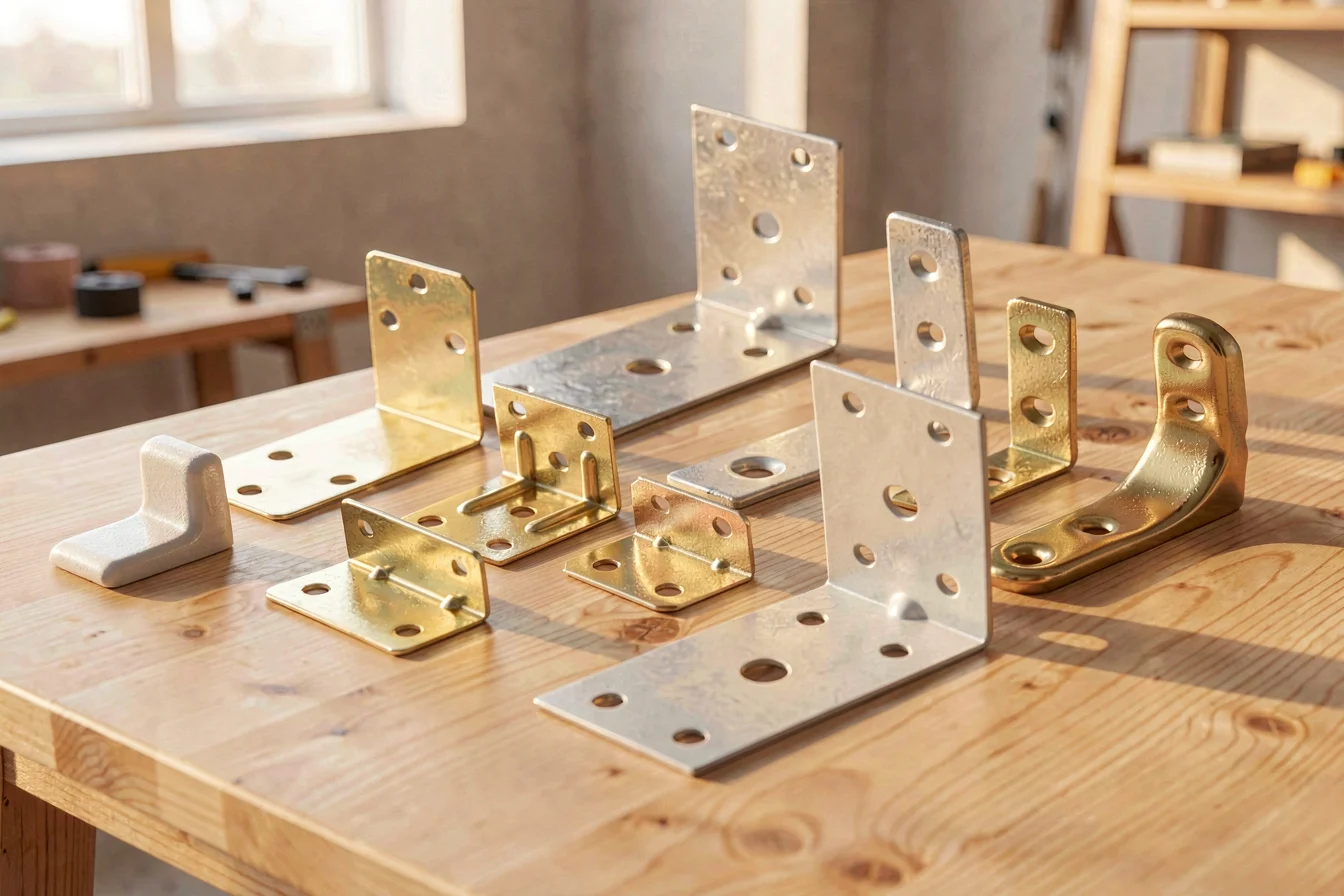
Steel corner cleats offer unmatched tensile strength and durability, making them the preferred choice for industrial, structural, and high-load applications. Aluminium corner cleat delivers cost efficiency, corrosion resistance, and rapid installation, ideal for environments where weather resilience and ease of assembly are crucial. Buyers should select based on their project’s load requirements, environmental exposure, and long-term cost objectives, as steel dominates heavy-duty demand while aluminium is rising in urban and sustainable construction projects [2][3][4].
The core value of corner cleats lies in their ability to reinforce and connect structural elements—windows, doors, or industrial frames—while balancing load capacity, installation speed, and environmental resistance. Aluminium corner cleat is engineered for lightweight, weather-resistant applications, typically used in residential, commercial, and urban construction where rapid assembly and corrosion resistance are priorities. Steel corner cleat , in contrast, is designed for high-strength, load-bearing environments such as industrial, infrastructure, and heavy machinery projects, offering robust structural integrity and long-term durability.
Traditional challenges addressed by aluminium include susceptibility to deformation under heavy loads and the need for additional reinforcement in high-stress applications. Steel’s main limitation is its weight and susceptibility to corrosion, requiring protective coatings or galvanization for outdoor use. Technological innovations in aluminium include anodization and pre-punched designs for faster installation, while steel cleats now feature advanced coatings and modular designs for improved corrosion resistance and ease of handling [2][3][4].
| Feature | Aluminium Corner Cleat | Steel Corner Cleat |
|---|---|---|
| Tensile Strength | Up to 250 MPa | Up to 400 MPa |
| Corrosion Resistance | Excellent (natural, anodized, or coated) | Moderate (requires coating or galvanization) |
| Installation Speed | Fast (pre-punched, lightweight) | Slower (heavier, requires more tools) |
| Cost | 20–30% lower than steel | Higher upfront cost |
| Lifespan (typical) | 15–25 years (outdoor) | 10–20 years |
| Certifications | ISO 9001, EN 573-3 | ISO 9001, ASTM A36 |
Steel corner cleats excel in structural integrity and heavy-duty applications, while aluminium corner cleats shine in lightweight, weather-resistant, and rapid-install projects.
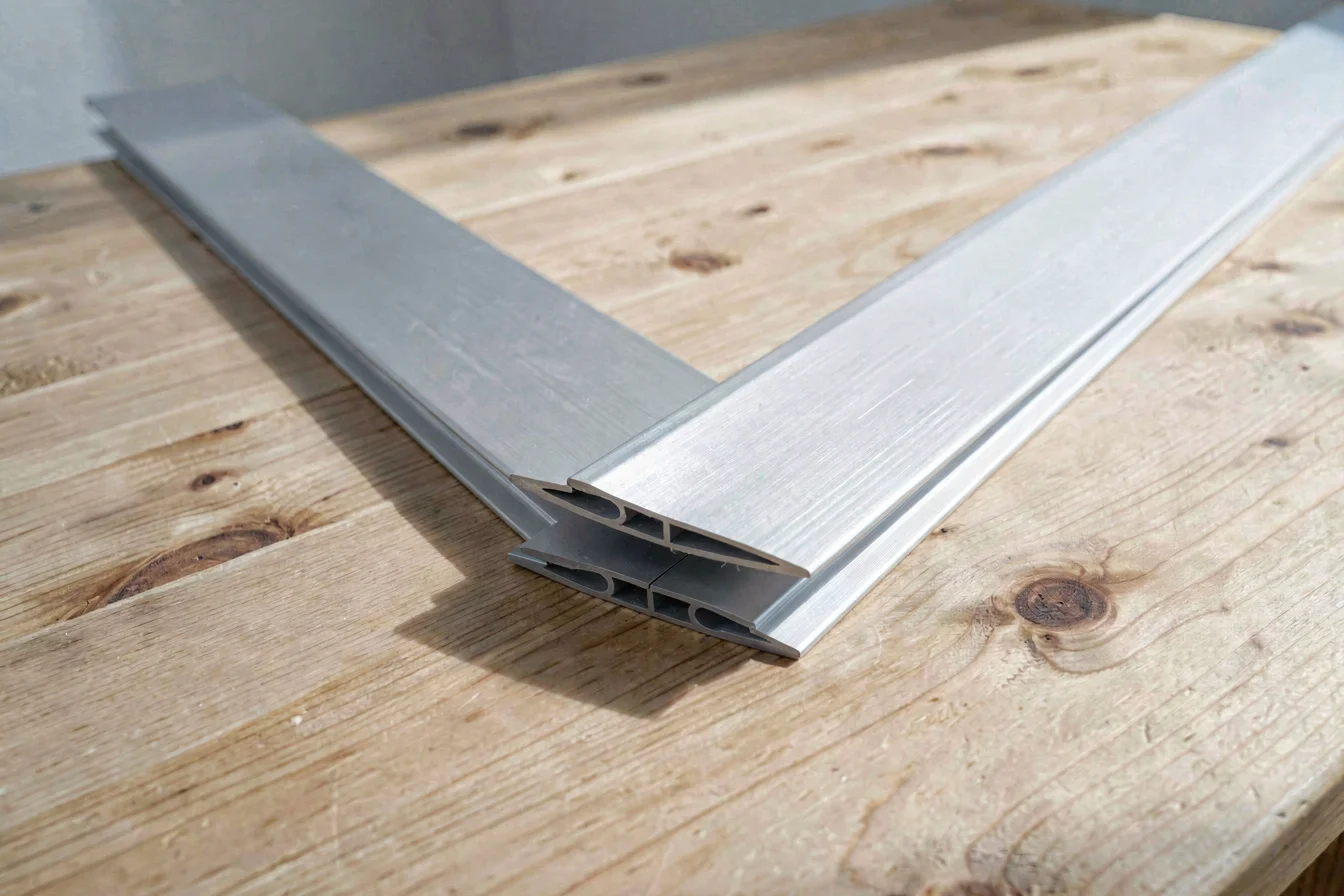
Durability is a critical factor in corner cleat selection. Steel corner cleat delivers superior tensile strength and load-bearing capacity, making it ideal for industrial, structural, and high-stress environments. Its durability is further enhanced by protective coatings, but it is prone to rust if not properly maintained. Aluminium corner cleat offers excellent corrosion resistance, especially in outdoor and humid conditions, with anodization or coatings extending its lifespan and appearance. Aluminium’s lightweight nature reduces installation effort, but it can deform under heavy loads, necessitating additional reinforcement.
Key application scenarios: Steel corner cleats are preferred in infrastructure, heavy machinery, and commercial construction, where load capacity and longevity are paramount. Aluminium corner cleats are favored in residential, window, door, and urban projects, especially where rapid installation and weather resistance are required. Hidden costs include steel’s higher maintenance (painting, galvanization), while aluminium’s upfront cost is offset by longer lifespan and lower maintenance needs.
| Cost Factor | Aluminium Corner Cleat | Steel Corner Cleat |
|---|---|---|
| Initial Purchase Price | Lower | Higher |
| Maintenance (5 years) | Minimal (anodization/coating) | Moderate (painting, galvanization) |
| Replacement Frequency | Low (15–25 years) | Moderate (10–20 years) |
| Hidden Costs | None (weather resistance) | Coating, painting, rust prevention |
| Total Cost (5 years) | Lower | Higher |
Aluminium corner cleats deliver lower total cost and longer lifespan in weather-exposed environments, while steel corner cleats justify their higher price through superior strength and reliability in heavy-duty applications.
The core value of corner cleats is their ability to reinforce and connect structural elements, enabling rapid assembly and reliable performance. In today’s competitive market, demand for aluminium corner cleat is rising due to urbanization, sustainability trends, and multi-generational living, where lightweight, weather-resistant solutions are favored. Steel corner cleat remains dominant in industrial, infrastructure, and heavy-duty projects, where structural integrity and load capacity are critical.
Aluminium corner cleats excel in cost-sensitive, weather-exposed, and rapidly changing environments, while steel corner cleats are indispensable for high-load and long-term structural applications.
Google Trends data shows that steel corner cleat consistently outperforms aluminium corner cleat in global search volume, indicating strong industrial and commercial demand. However, aluminium corner cleats are experiencing steady growth, especially in urban and residential markets, reflecting shifting priorities toward rapid installation and sustainability. Peaks in steel corner cleat searches align with major infrastructure and construction cycles, while aluminium cleats see surges during urbanization and housing booms [1].
Search Interest over Time
Steel corner cleats maintain the highest search interest, but aluminium corner cleats are gaining momentum in urban and sustainable construction, reflecting evolving buyer priorities.
Reddit and TikTok discussions reveal distinct user experiences and expectations for aluminium corner cleat and steel corner cleat . DIY enthusiasts and contractors praise aluminium for its ease of installation and corrosion resistance, especially in weather-exposed projects. Steel cleats are favored for heavy-duty applications, with users noting their strength and reliability, but citing the need for regular maintenance to prevent rust. Viral content themes include installation tips, custom mounting solutions, and debates over the best cleat for modular wall systems.
Case Study 1: A contractor on Reddit shares, “I switched to aluminium corner cleats for my window installations because they’re easier to handle and don’t rust. The anodization really helps in humid climates.” This reflects the preference for aluminium in residential and weather-sensitive environments.
“I prefer aluminium corner cleats for quick assembly and weather resistance. They’re perfect for my window projects.” — r/woodworking
Case Study 2: An industrial engineer reports, “Steel corner cleats are the only choice for our bridge project—load capacity and structural integrity are non-negotiable. We use protective coatings to prevent rust, but maintenance is essential.” This highlights steel’s dominance in heavy-duty and infrastructure applications.
“Steel corner cleats are the backbone of our heavy machinery assembly—strength and reliability are everything.” — r/Carpentry
| Dimension | Aluminium Corner Cleat | Steel Corner Cleat |
|---|---|---|
| Overall Satisfaction | High (DIY, residential) | High (industrial, infrastructure) |
| Most Praised Feature | Ease of installation, corrosion resistance | Strength, reliability |
| Most Common Complaint | Deformation under heavy load | Rust, maintenance |
| Community Recommendation Rate | High (weather-exposed, residential) | High (industrial, heavy-duty) |
Aluminium corner cleats are recommended for DIY and weather-exposed projects, while steel corner cleats are the go-to for heavy-duty and industrial applications.
To optimize procurement, buyers should start by identifying their core needs: Is the application weather-exposed or indoor? Is rapid installation or high load capacity more important? What is the budget range? Must-have vs. nice-to-have features? Based on these factors, buyers can choose the right corner cleat type and tier.
| Tier | Recommended Product | Key Reason |
|---|---|---|
| Budget-Friendly | Aluminium Corner Cleat | Low cost, rapid installation, corrosion resistance |
| Mid-Range | Aluminium Corner Cleat | Balanced cost, versatility, moderate load capacity |
| Premium | Steel Corner Cleat | Maximum strength, reliability, high load capacity |
Optimization tips: Buy during off-peak construction cycles for best pricing. Bundle with other hardware for cost savings. Prioritize anodization or protective coatings for outdoor aluminium cleats. Avoid common mistakes: underestimating load requirements or neglecting maintenance for steel cleats.
Buyers should match corner cleat type to project requirements, budget, and environmental exposure for optimal procurement and long-term value.
In summary, aluminium corner cleat delivers cost efficiency, corrosion resistance, and rapid installation, making it ideal for residential, commercial, and weather-exposed projects. Steel corner cleat provides unmatched strength, durability, and reliability, essential for heavy-duty industrial and infrastructure applications. Market trends indicate rising demand for aluminium cleats in urban and sustainable construction, while steel cleats remain dominant in high-load environments. The next 6–12 months will see further growth in aluminium cleat adoption as urbanization and sustainability drive buyer priorities.
Buyers should confidently select corner cleats based on project requirements, environmental exposure, and long-term value—share your experiences online and consult Alibaba.com for wholesale procurement opportunities.