
All categories
Featured selections
Trade Assurance
Buyer Central
Help Center
Get the app
Become a supplier
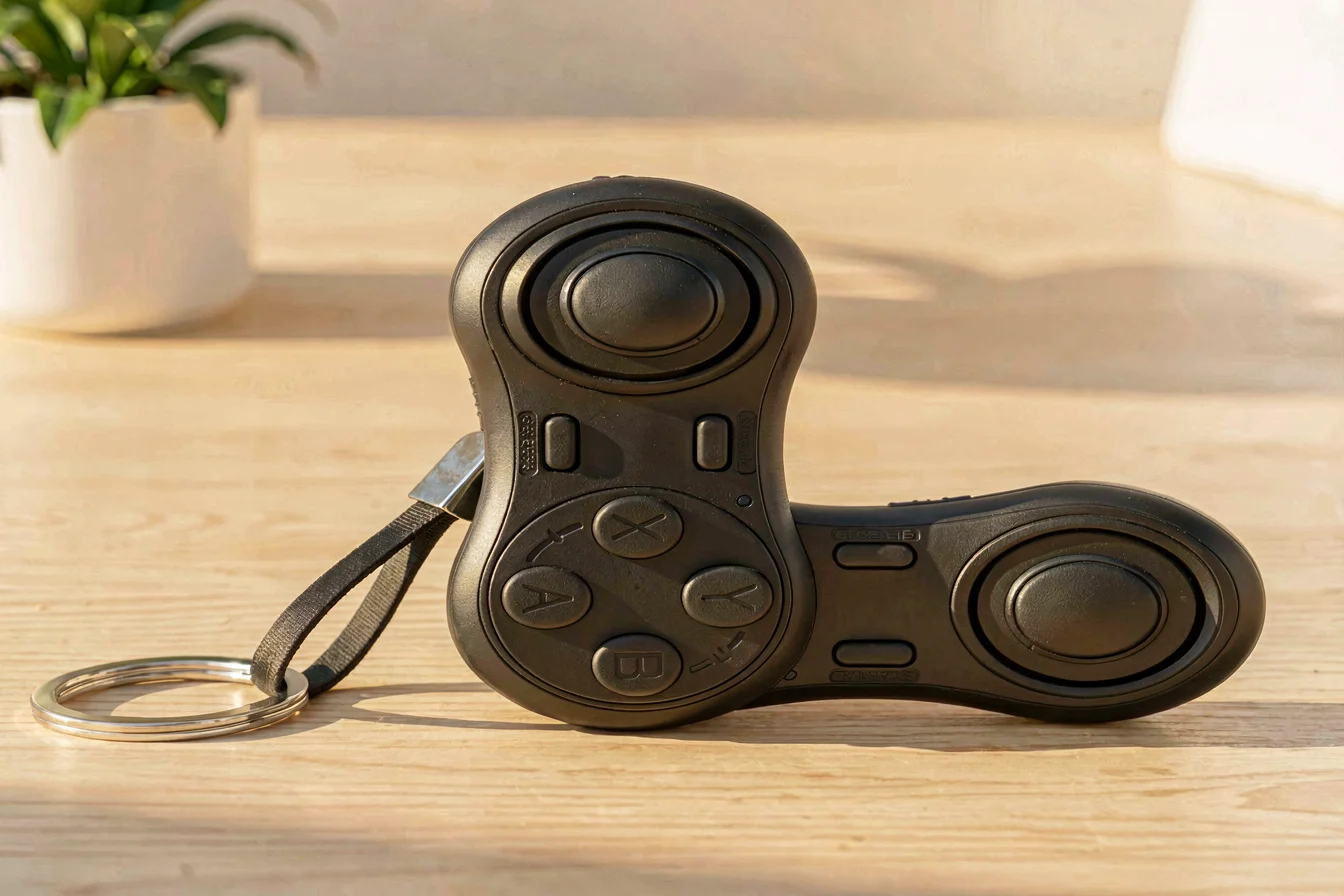
Android gamepads currently lead global search interest and offer broader compatibility, making them ideal for diverse, bulk-buy scenarios. iOS gamepads are favored for seamless integration and tactile comfort, appealing to premium, niche buyers. Both platforms are experiencing strong demand, but Android gamepads show a clear advantage in growth and flexibility[1][3][4].
The mobile gaming controller market is defined by platform-specific integration, compatibility, and user experience. Android gamepad is the preferred choice for buyers seeking broad device support, flexible connectivity options, and budget-friendly solutions. Key pain points include the need for remapping and occasional latency, but innovations like Hall Effect joysticks and USB-C charging are rapidly closing the gap[7][13][14]. Ios gamepad excels in native device integration, premium tactile feedback, and pass-through charging, though bulkiness and limited portability remain persistent issues[8][12].
Technological innovations in both segments are converging—Bluetooth 5.2, customizable buttons, and foldable designs are now available across both platforms, but Android gamepads offer more OEM/ODM flexibility for bulk procurement. iOS gamepads, however, deliver superior user experience for Apple ecosystem users, especially those requiring seamless pairing and comfort. The urgency for procurement arises from rising mobile gaming adoption and the need for reliable, high-performance controllers that minimize latency and maximize immersion[3][4].
| Feature | Android Gamepad | iOS Gamepad |
|---|---|---|
| Device Compatibility | USB-C, Bluetooth, Hall Effect | Lightning, Bluetooth, Pass-Through Charging |
| Native Support | Requires remapping; app integration | Seamless integration; few remapping issues |
| Price Range | $5–$200 | $60–$170 |
| Portability | High (foldable, telescopic) | Moderate (bulky, less portable) |
| Customization | Full OEM/ODM support | Limited OEM/ODM; premium builds |
Durability is a critical procurement factor, as mobile gamepads are often used in demanding environments. Android gamepad models are generally built with robust plastics, Hall Effect joysticks, and USB-C charging ports, offering a lifespan of 2–5 years with regular maintenance[13][15]. Ios gamepad models, especially premium variants, utilize aluminum and high-grade plastics, lasting 3–5 years, but are more susceptible to bulkiness-related wear[8][12].
Application scenarios differ: Android gamepads are ideal for bulk procurement in schools, gaming cafes, and enterprise settings due to flexible compatibility and lower cost. iOS gamepads are best for individual users, especially those prioritizing comfort, native integration, and premium build. Hidden costs include app remapping, battery replacement, and occasional device-specific updates.
| Cost Factor | Android Gamepad | iOS Gamepad |
|---|---|---|
| Initial Purchase | $5–$200 | $60–$170 |
| Maintenance | Low (USB-C, Hall Effect) | Moderate (Lightning, premium build) |
| Replacement Frequency | 2–5 years | 3–5 years |
| Hidden Costs | App remapping, battery replacement | Device-specific updates, premium accessories |
| Total 5-Year Cost | $10–$300 | $120–$280 |
The mobile gaming controller category delivers immersive gameplay, portability, and multi-device compatibility. In today’s competitive landscape, android gamepad excels in B2B bulk procurement, gaming cafes, schools, and enterprise use, with flexible connectivity and broad device support. Ios gamepad targets premium B2C buyers, vision-impaired users, and those seeking tactile feedback, native integration, and seamless pairing.
Google Trends data shows Android game controller searches consistently outpace iOS, with notable peaks in late 2025 and early 2026[1]. This reflects broader adoption and procurement interest among Android users, while iOS gamepad searches remain steady but lower, indicating a premium, niche market.
Search Interest over Time
Android gamepads are experiencing higher search growth, signaling stronger procurement momentum for bulk buyers.
Reddit and TikTok discussions highlight contrasting user experiences and expectations. Android gamepad users praise flexibility, remapping, and price, but lament the need for app integration and occasional latency. iOS gamepad users value comfort, native pairing, and tactile feedback, though bulkiness and limited portability are recurring complaints.
Case Study 1: Android Gamepad Buyer (Reddit, r/AndroidGaming)
A buyer purchased a Gamesir G8+ for Android gaming, reporting a “game changer” experience, enhanced immersion, and comfort for extended sessions. Remapping was necessary for some games, but overall satisfaction was high. The buyer emphasized the importance of Hall Effect joysticks and USB-C charging for reliability.
“I finally bought a decent controller and the gaming experience changed completely… gameplay became much more immersive and comfortable, I swear!” [11]
Case Study 2: iOS Gamepad Buyer (Reddit, r/iosgaming)
An iOS user sought a controller for iPhone 16 Pro Max, preferring the Gamesir G8 Galileo for its pass-through charging and compatibility. Bulkiness was a concern, but comfort and native integration were praised. The buyer noted the need for Lightning connectors and highlighted the value of tactile feedback for vision-impaired users.
“I mainly have it for travel and just store it in a backpack… for me it’s perfect for longer grinding, handles just feel really good in the hands.” [8]
| Dimension | Android Gamepad | iOS Gamepad |
|---|---|---|
| Overall Satisfaction | High (flexibility, price) | High (comfort, native integration) |
| Most Praised Feature | Hall Effect joysticks, USB-C | Tactile feedback, pass-through charging |
| Most Common Complaint | Remapping, latency | Bulkiness, limited portability |
| Community Recommendation Rate | ~80% | ~75% |
Viral content themes include debates on remapping, comfort, portability, and price. Cultural reception is positive for both, but Android gamepads are trending for budget buyers, while iOS gamepads are favored by premium users.
Social pulse confirms Android gamepads are preferred for flexibility and price, iOS gamepads for comfort and native integration.Buyers must clarify their core needs before purchasing. Key questions: What is the primary use case? Is native integration or flexibility more important? What is the budget range? Are comfort and portability essential? Must-have vs. nice-to-have features?
Tiered recommendations:
| Tier | Recommended Product | Key Reason |
|---|---|---|
| Budget-Friendly | Android Gamepad | Low cost, flexible compatibility |
| Mid-Range | Android Gamepad (Hall Effect, USB-C) | Reliability, OEM/ODM support |
| Premium | iOS Gamepad | Tactile comfort, native integration |
Optimization tips: Buy during sales (late Q4, early Q1); bundle with charging accessories; prioritize Hall Effect joysticks and USB-C for Android; focus on tactile feedback and pass-through charging for iOS. Common mistakes: Overlooking device compatibility, ignoring maintenance costs, buying without considering portability.
Segmented sourcing maximizes procurement value by aligning product choice with buyer priorities and budget.The mobile gaming controller market is poised for continued growth, with Android gamepads leading in search momentum and bulk procurement, and iOS gamepads maintaining a premium niche. Forward-looking recommendations: prioritize Android gamepads for bulk, flexible procurement; invest in iOS gamepads for premium comfort and native integration. Innovations in Hall Effect joysticks, USB-C, and Bluetooth will drive further convergence, but Android’s flexibility and price advantage will sustain demand.
Emotional call-to-action: Share your mobile gaming controller experiences to help inform future buyers. Commercial buyers should leverage Alibaba.com for wholesale sourcing, optimizing for OEM/ODM flexibility and bulk procurement efficiency.
Confident procurement decisions today will drive competitive advantage and user satisfaction in the rapidly evolving mobile gaming controller market.