
All categories
Featured selections
Trade Assurance
Buyer Central
Help Center
Get the app
Become a supplier
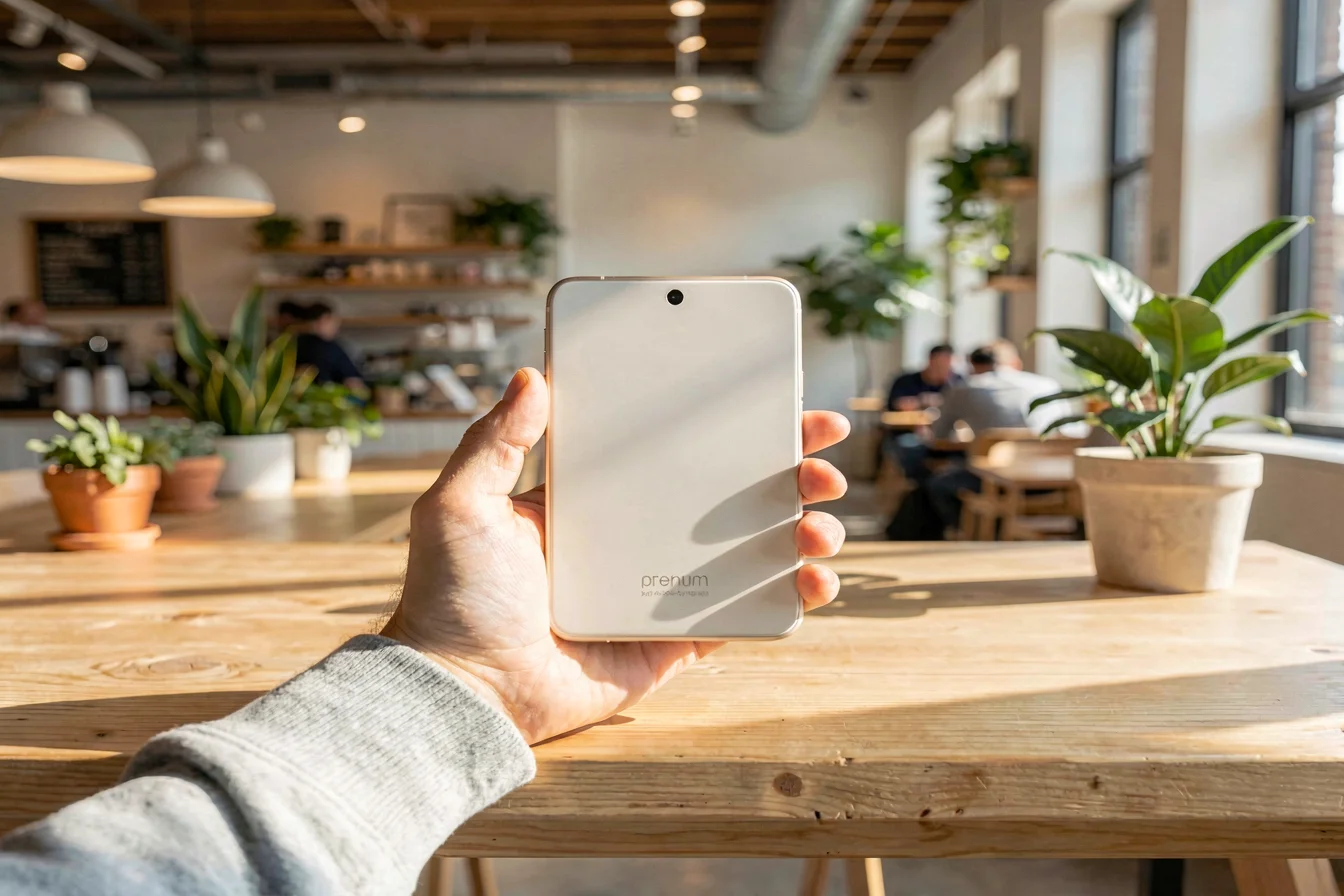
Both Android and iPhone platforms offer mature, high-level experiences, but Android’s open ecosystem and broad price range make it ideal for buyers seeking customization and cost efficiency, while iPhone’s curated ecosystem and premium build appeal to buyers prioritizing stability and longevity. Procurement logic: Android offers more variants and lower entry points, while iPhone dominates premium durability and resale value. Demand direction: Android leads in global market share, but iPhone retains strong loyalty and ecosystem integration[3][8].
The smartphone market in 2026 is defined by two dominant platforms: android phone and iphone . Android, powered by Google and adopted by multiple OEMs, delivers unmatched customization, price diversity, and hardware innovation, appealing to buyers seeking flexibility and budget-friendly options. iPhone, Apple’s flagship platform, offers a tightly integrated ecosystem, premium build quality, and a curated app experience, appealing to buyers prioritizing reliability, security, and resale value. Both platforms have evolved to blur the lines between their philosophies—Android now offers seamless cross-device integration, while iPhone has adopted flagship camera and OLED screen technologies. Buyers face a procurement dilemma: choose Android for customization and price, or iPhone for ecosystem and durability.
Core differences include Android’s open-source nature, allowing hardware diversity and UI customization, versus iPhone’s closed ecosystem, ensuring uniformity and software longevity. Technological innovations: Android’s Google Play Store and multi-brand support enable rapid app updates and hardware experimentation, while iPhone’s App Store curation and hardware/software integration deliver consistent user experience and superior security. Limitations: Android faces fragmentation in software updates and quality control, while iPhone suffers from limited customization and higher upfront costs. In 2026, both platforms have converged in core features, but procurement logic still hinges on buyer priorities—customization vs. reliability, price vs. resale.
| Feature | Android Phone | iPhone |
|---|---|---|
| Ecosystem | Open, multi-brand, customizable | Closed, Apple-only, tightly integrated |
| Price Range | $200–$1300 | $599–$1100 |
| Software Updates | Varies by OEM, frequent fragmentation | Uniform, long-term support |
| Customization | High, UI themes, app stores | Low, uniform UI |
| Resale Value | Moderate, varies by brand | High, consistent premium |
| Durability | Varies, flagship models strong | Consistent, premium build |
Android offers broader customization and price diversity, while iPhone delivers consistent durability and premium resale value—buyers must weigh these factors for optimal procurement.
| Feature | B2B Advantage |
|---|---|
| Customization | Full OEM/ODM Support |
Durability is a critical procurement factor for both android phone and iphone buyers. Android flagship models (Samsung Galaxy S25, Pixel 10) now match iPhone in premium build quality, but mid-range and budget Android devices may lag in battery longevity and hardware reliability. iPhone, with its tightly integrated hardware/software design, consistently delivers high durability and longer battery life, especially in flagship models (iPhone 16e–17). Real-world applications: Android excels in customization, app flexibility, and diverse hardware choices, while iPhone dominates in seamless integration, reliability, and ecosystem-wide performance.
Long-term cost evaluation reveals that Android’s price advantage is offset by higher replacement frequency and variable maintenance, while iPhone’s higher upfront cost is balanced by lower replacement rates and higher resale value. For a five-year outlook, Android’s total cost of ownership is lower for budget and mid-range buyers, but iPhone is more cost-effective for premium buyers due to longevity and resale. Hidden costs include software fragmentation, app compatibility, and repair logistics for Android; for iPhone, hidden costs are limited customization and higher repair fees.
| Cost Factor | Android Phone | iPhone |
|---|---|---|
| Initial Purchase Price | $200–$1300 | $599–$1100 |
| Maintenance | Variable, brand-dependent | Low, consistent Apple support |
| Replacement Frequency (5 years) | 1–2 | 0–1 |
| Resale Value | Moderate, varies by brand | High, consistent premium |
| Hidden Costs | Fragmentation, app compatibility, repair logistics | Limited customization, higher repair fees |
Android’s price advantage is offset by higher replacement frequency and variable maintenance; iPhone’s premium upfront cost is balanced by longevity and resale value.
The core value of both android phone and iphone lies in their ability to adapt to diverse buyer needs, from budget-conscious consumers to premium business users. In 2026, the competitive landscape is defined by rapid technological convergence, with both platforms offering flagship features. Android excels in customization, budget options, and multi-brand flexibility, while iPhone dominates in ecosystem integration, reliability, and premium resale.
Google Trends data shows Google Pixel phones have surged in search interest, peaking at 99 in February 2026, while iPhone 14 remains steady but less volatile (value 37 in February 2026). Samsung Galaxy phones show moderate growth, indicating broad appeal but not peak momentum[1]. This suggests Android’s open ecosystem and price diversity drive top-of-funnel interest, while iPhone’s loyalty and ecosystem integration sustain steady search volume.
Search Interest over Time
Google Pixel phones surge in search interest, indicating strong momentum in Android’s open ecosystem, while iPhone maintains steady loyalty and ecosystem integration.
Social media and Reddit reveal contrasting buyer personas and pain points for android phone and iphone . Android users praise customization, battery life, and flagship camera performance, but express concerns about software fragmentation and repair logistics. iPhone users value hardware reliability, seamless app experience, and ecosystem integration, but highlight limited customization and higher repair fees. TikTok and YouTube drive viral content around flagship camera features, battery life, and ecosystem integration.
Case Study 1: Android Buyer (Reddit, r/PhoneNow) A user posts: “my new s26 with matrix theme filmed by my old s23... Galaxy s25. I bought it mainly for its telephoto lens.” This highlights Android’s appeal for camera performance and customization, with users prioritizing flagship features and UI themes.
“Samsung s23u. I bought it mainly for its telephoto lens.” [9]
Case Study 2: iPhone Buyer (Reddit, r/iphone) A user posts: “Visual Look Up: long press on almost anything in a photo and your iPhone can identify it. Plants, dog breeds, landmarks, food, even laundry symbols. Most people don’t know it exists.” This illustrates iPhone’s ecosystem integration and hidden features, appealing to buyers seeking seamless app experience.
“You can swipe apps with the home bar... Sharing Wi-Fi connections with your contacts.” [13]
| Dimension | Android Phone | iPhone |
|---|---|---|
| Overall Satisfaction | High for flagship, moderate for budget | High for premium, moderate for base |
| Most Praised Feature | Customization, battery life, camera | Ecosystem integration, app experience |
| Most Common Complaint | Software fragmentation, repair logistics | Limited customization, repair fees |
| Community Recommendation Rate | High for flagship, moderate for budget | High for premium, moderate for base |
Android’s flagship models and customization drive high satisfaction, while iPhone’s ecosystem integration and app experience dominate premium buyer sentiment.
Viral content themes include flagship camera reviews, battery life, and ecosystem integration. Debate points revolve around customization, repair logistics, and ecosystem loyalty. Cultural reception: Android appeals to younger, budget-conscious buyers; iPhone appeals to premium, ecosystem-centric buyers.
Buyers must identify core needs before purchasing. Key questions:
| Tier | Recommended Product | Key Reason |
|---|---|---|
| Budget-Friendly | Android Phone | Lower entry price, broad selection |
| Mid-Range | Android Phone | Flagship features, flexible customization |
| Premium | iPhone | Ecosystem integration, premium build, resale value |
Buyers should prioritize Android for budget, customization, and flagship features; iPhone for premium, reliability, and ecosystem integration.
Optimization tips:
Key insights: Android’s open ecosystem and price diversity drive global market share, with Google Pixel phones surging in momentum. iPhone’s tightly integrated ecosystem and premium build retain loyalty and resale value. Both platforms have converged in core features, but procurement logic still hinges on buyer priorities—customization vs. reliability, price vs. resale. Forward-looking trends: Android will continue to expand in budget and mid-range segments, while iPhone will dominate premium and ecosystem integration.
Buyers should confidently choose Android for customization and price, iPhone for reliability and ecosystem integration; share experiences to inform future buyers and leverage wholesale platforms for bulk procurement.
Dual call-to-action: Consumers should share their experiences to help others make informed decisions; commercial buyers should leverage Alibaba.com for wholesale procurement, optimizing for price, reliability, and ecosystem integration.