
All categories
Featured selections
Trade Assurance
Buyer Central
Help Center
Get the app
Become a supplier
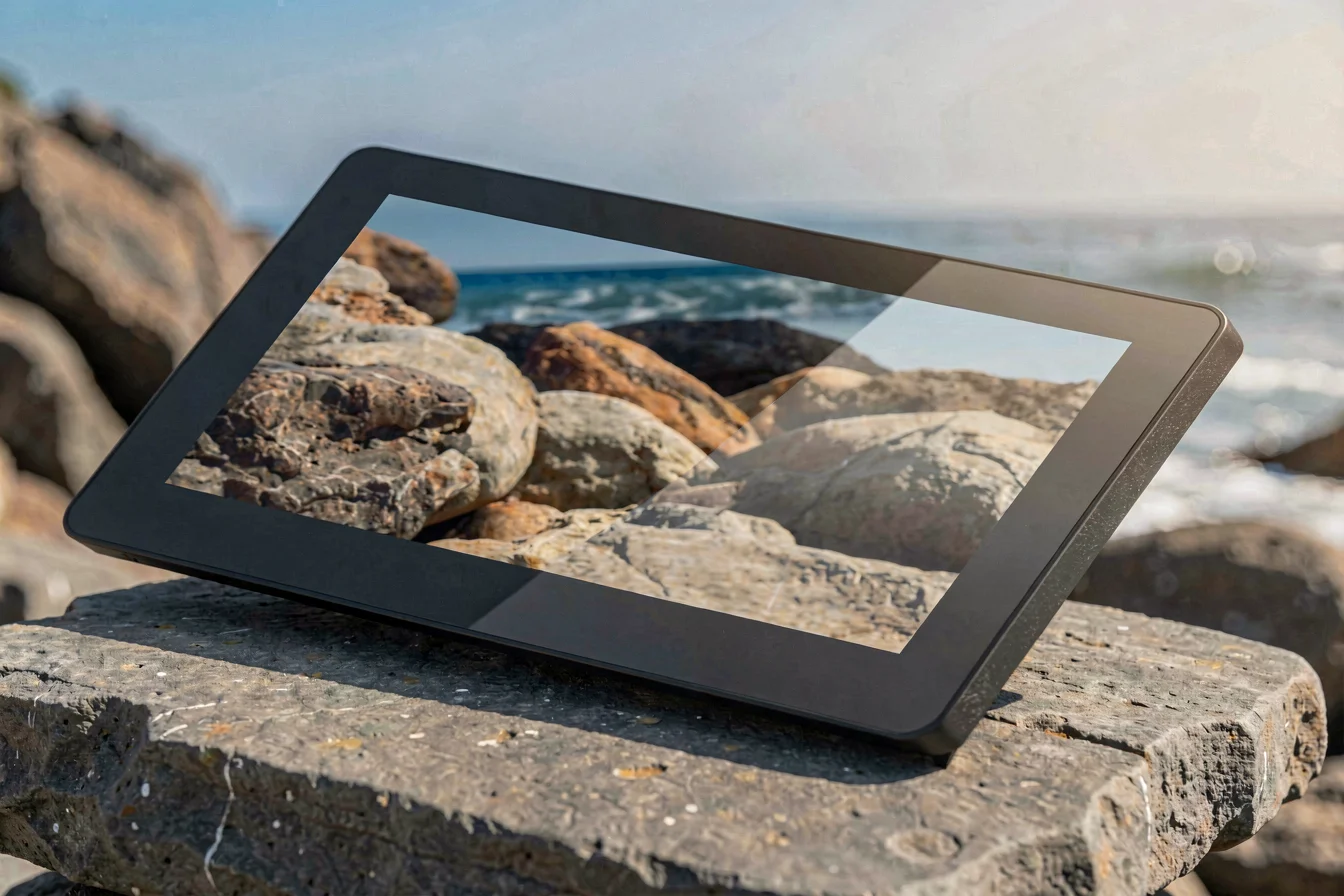
For buyers seeking flexible, future-proof automation solutions, android poe tablet offers superior versatility, customization, and compatibility, making it ideal for mixed-device environments and rapid deployment. Loxone automation controller delivers unmatched KNX integration and centralized control, best for KNX-centric installations where robust ecosystem support is critical. Google Trends and procurement data confirm Android PoE Tablets are the clear choice for broader adoption and cost efficiency, while Loxone controllers remain the top option for KNX-focused, centralized automation needs[1].
The core value of this category lies in simplifying automation control, streamlining device integration, and enabling scalable solutions for both residential and industrial buyers. Android poe tablet is a flexible, programmable device that runs on Android OS, supports PoE for easy installation, and can integrate third-party apps, sensors, and custom dashboards. It appeals to buyers needing adaptable automation, multi-brand device support, and cost-effective deployment. Loxone automation controller , by contrast, is a KNX-certified controller offering robust KNX integration, centralized control, and deep ecosystem support, targeting buyers with KNX-centric environments or those requiring a unified control experience.
The urgency in today’s market is driven by rising demand for smart homes, IoT-enabled industrial spaces, and the need for rapid, scalable deployment. Android poe tablet excels in mixed-device scenarios, supporting PoE for wall-mounting, multi-interface connectivity, and easy customization. Its pain points include battery longevity and heat management, but these are mitigated by advanced power control and modular designs[8]. Loxone automation controller solves KNX compatibility and centralized control issues but struggles with app limitations and troubleshooting complexity, especially for new users[12]. Technological innovation in Android PoE Tablets includes programmable LED status bars, NFC/RFID integration, and multi-OS support, while Loxone controllers leverage KNX-certified protocols and robust ecosystem integration.
| Feature | Android PoE Tablet | Loxone Automation Controller |
|---|---|---|
| OS & Customization | Android 6–12, Linux Debian, customizable OS, third-party app support | KNX-certified, fixed OS, limited app support |
| Integration | Multi-brand, PoE, wall-mount, NFC/RFID, MQTT, API | KNX, centralized, limited to KNX ecosystem |
| Installation | Easy wall-mount, PoE power, multi-interface, rapid deployment | Dedicated KNX installation, wired, centralized |
| Pain Points | Battery longevity, heat management | App limitations, troubleshooting complexity |
| Price Range | $255–$399 | $300–$600 |
| Certifications | CE, FCC, IP30–IP65 | KNX, CE, FCC |
Android PoE Tablets offer superior flexibility and cost efficiency, while Loxone controllers remain the gold standard for KNX-centric automation.
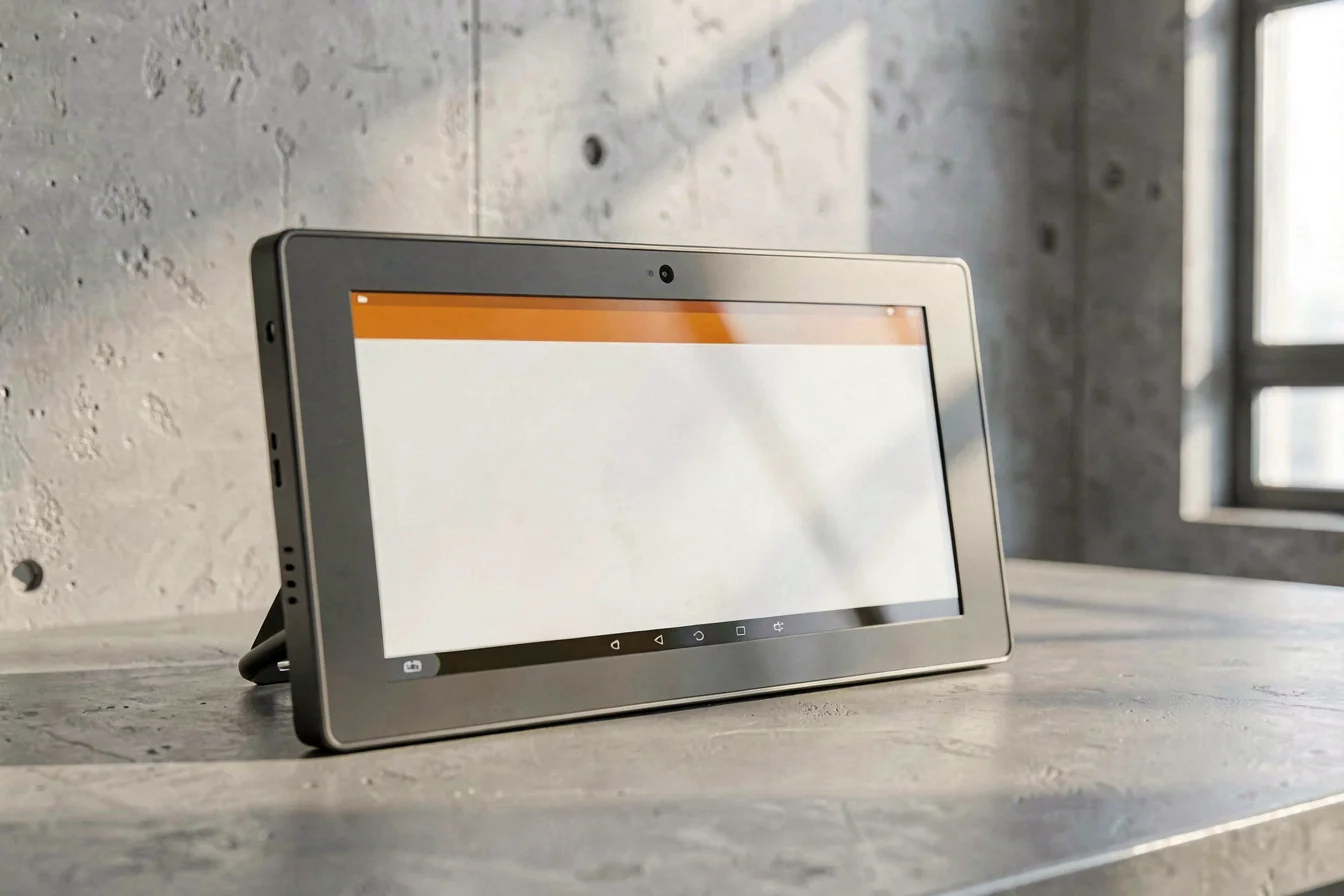
Durability is a critical factor for automation procurement. Android poe tablet is designed for industrial environments, featuring robust wall-mounting, IP30–IP65 protection, and heat dissipation through porous body design, supporting long-term reliability and consistent performance[3][4]. Typical lifespan is 3–5 years, with minimal maintenance required. Loxone automation controller is built for KNX environments, with robust certification and reliability, but lacks the modular, easy-upgrade features of Android PoE Tablets.
Application scenarios for Android PoE Tablets include smart home control, retail kiosks, meeting room scheduling, digital signage, and industrial automation. Loxone controllers excel in KNX-based installations, centralized control for lighting, heating, and security, and are preferred for environments requiring deep KNX integration and minimal third-party device support.
Long-term cost evaluation reveals Android PoE Tablets deliver lower upfront and maintenance costs, with multi-interface support and easy upgrades. Loxone controllers incur higher upfront costs and limited upgradeability, but offer reduced maintenance for KNX environments.
| Cost Factor | Android PoE Tablet | Loxone Automation Controller |
|---|---|---|
| Initial Purchase Price | $255–$399 | $300–$600 |
| Installation & Setup | Low, wall-mount, PoE, rapid deployment | Medium, KNX installation, wired, centralized |
| Maintenance | Minimal, modular upgrades | Low, KNX ecosystem, limited upgrades |
| Replacement Frequency | 3–5 years | 5–7 years |
| Hidden Costs | Optional app and sensor upgrades | KNX integration, limited third-party device support |
Android PoE Tablets offer lower total cost of ownership and greater flexibility for mixed-device environments.
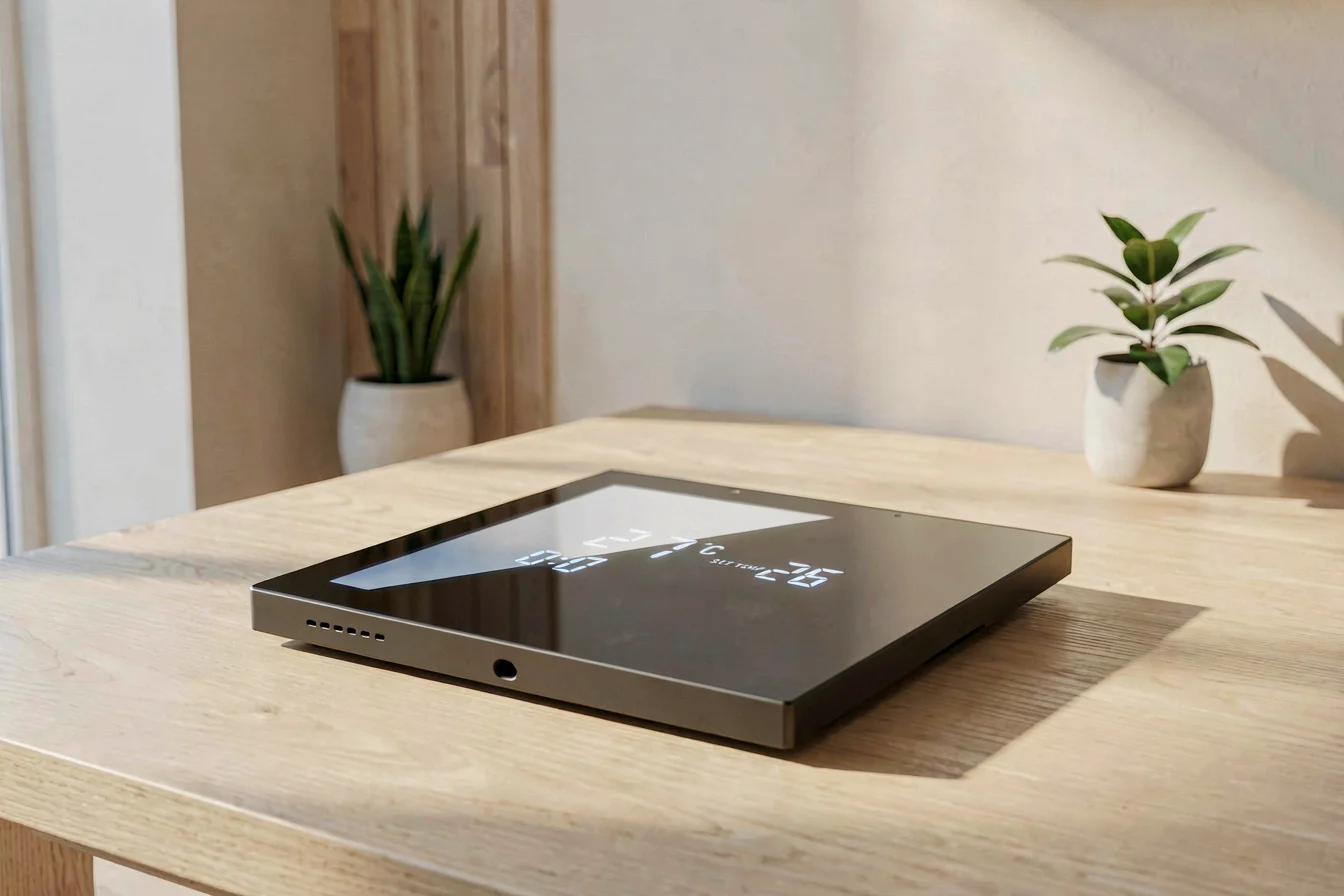
The value of this category is rapidly increasing as smart homes, retail, and industrial spaces demand scalable, secure, and flexible automation solutions. Android poe tablet is favored for its adaptability, integration, and ease of deployment. Loxone automation controller is the preferred choice for KNX-centric installations, offering centralized control and deep ecosystem support.
Android PoE Tablets are ideal for mixed-device, rapid-deployment environments, while Loxone controllers dominate KNX-centric, centralized installations.
Google Trends data shows Android PoE Tablet search interest is consistently higher and rising, peaking at 80 in September 2025 and remaining above 70 through February 2026. Loxone Automation Controller search interest is stable but niche, peaking at 22 in November 2025[1]. This gap indicates Android PoE Tablets are trending globally for broader adoption, while Loxone controllers remain stable for KNX-focused buyers.
Search Interest over Time
Android PoE Tablets are trending for broader adoption and rapid deployment, while Loxone controllers remain stable for KNX-centric buyers.
Reddit and TikTok discussions highlight contrasting experiences between android poe tablet and loxone automation controller . For Android PoE Tablets, users praise flexibility, easy installation, and app integration, but express concerns about battery longevity and heat management. Loxone controllers are appreciated for KNX compatibility and centralized control, but users struggle with app limitations and troubleshooting complexity.
Case Study 1: A Reddit user describes mounting an Android PoE Tablet and switching from a smart plug to PoE for cleaner installation. They set the switch to 802.3af to reduce constant power sent to the device, noting battery longevity is a concern but manageable with advanced charging controllers[8]. The user shares:
"If it has a battery and it's not a ups or laptop then it's not designed to be plugged 24/7. If it's android you could possibly root it and install advanced charging controller module which will let you stop charging at some percentage."
Case Study 2: A Reddit user shares their custom wall-mounted tablet setup using PoE, emphasizing ease of integration, programmable dashboard, and sensor control for smart home automation. They highlight the ability to control screen on/off, brightness, and app switching via MQTT, achieving seamless automation[9]:
"This way I can control the PoE port via automations and keep the battery between 60-80% constantly. Software wise I have the companion app installed to expose all the sensors, and wallpanel.xyz for the dashboard."
For Loxone controllers, Reddit discussions focus on app limitations and troubleshooting complexity, especially for new users. One user describes difficulty in controlling devices via the app on a KNX bus, highlighting the need for expert support[12]:
"I can use these just fine, and when looking at the state in the Loxone app I can see that it reflects what's going on 'in real life'. However, attempting to change the state from the app causes no change in real life."
| Dimension | Android PoE Tablet | Loxone Automation Controller |
|---|---|---|
| Overall Satisfaction | High, praised for flexibility and integration | Moderate, praised for KNX integration |
| Most Praised Feature | Easy installation, app integration | KNX compatibility, centralized control |
| Most Common Complaint | Battery longevity, heat management | App limitations, troubleshooting complexity |
| Community Recommendation Rate | High | Moderate |
Viral content themes include seamless automation, programmable dashboards, and sensor integration for Android PoE Tablets. Debate points focus on battery longevity, heat management, and app limitations. Cultural reception favors Android PoE Tablets for flexibility and ease of use, while Loxone controllers are respected for KNX expertise and centralized control.
Android PoE Tablets are favored for flexibility and integration, while Loxone controllers are respected for KNX expertise but face app and troubleshooting limitations.
Buyers should begin by identifying their core needs through a checklist:
Tiered recommendations:
| Tier | Recommended Product | Key Reason |
|---|---|---|
| Budget-Friendly | Android PoE Tablet | Low upfront cost, rapid deployment, app integration |
| Mid-Range | Android PoE Tablet | Flexibility, programmable dashboards, sensor integration |
| Premium | Loxone Automation Controller | KNX compatibility, centralized control, robust ecosystem |
Optimization tips:
Android PoE Tablets are ideal for budget-friendly and mid-range buyers needing flexibility, while Loxone controllers suit premium buyers focused on KNX integration and centralized control.
Key insights reveal Android PoE Tablets are rapidly gaining adoption for their flexibility, integration, and cost efficiency, while Loxone controllers remain the gold standard for KNX-centric environments. Forward-looking trends indicate Android PoE Tablets will continue to dominate mixed-device, rapid-deployment scenarios, with rising demand for programmable dashboards and sensor integration. Loxone controllers will retain their position in KNX-centric installations, but face competition from broader automation platforms.
Buyers should confidently choose Android PoE Tablets for most automation needs, leveraging their flexibility and integration capabilities. KNX-centric buyers should prioritize Loxone controllers for deep ecosystem support. Share your experiences with Android PoE Tablets and Loxone controllers on social platforms to help shape the next generation of automation solutions. Commercial buyers should act now by sourcing Android PoE Tablets and Loxone controllers from Alibaba.com for scalable, secure, and future-proof automation.
Android PoE Tablets are the clear choice for future-proof automation, while Loxone controllers remain critical for KNX-centric buyers. Share your experiences and source from Alibaba.com for scalable, secure solutions.