
All categories
Featured selections
Trade Assurance
Buyer Central
Help Center
Get the app
Become a supplier
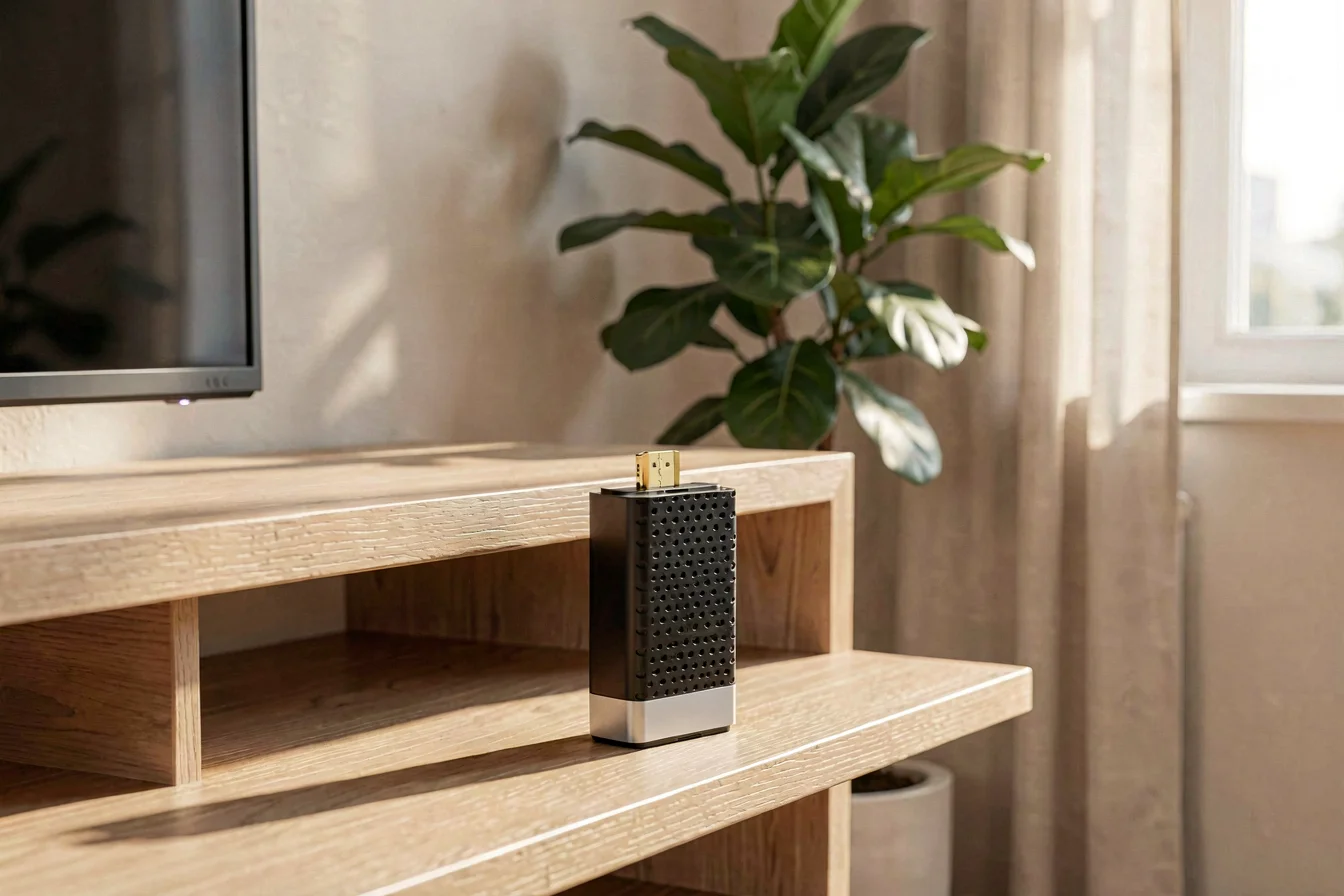
Buyers seeking maximum customization and app flexibility should consider a rooted android TV box , but must weigh the risk of app certification loss and warranty voiding. For mainstream, stable performance and certified apps, a non-rooted android TV box delivers superior reliability and is favored by most buyers. Market data shows slightly higher demand for non-rooted boxes, yet rooted variants remain strong among tech-savvy users for sideloading and retro gaming [1][2][5].
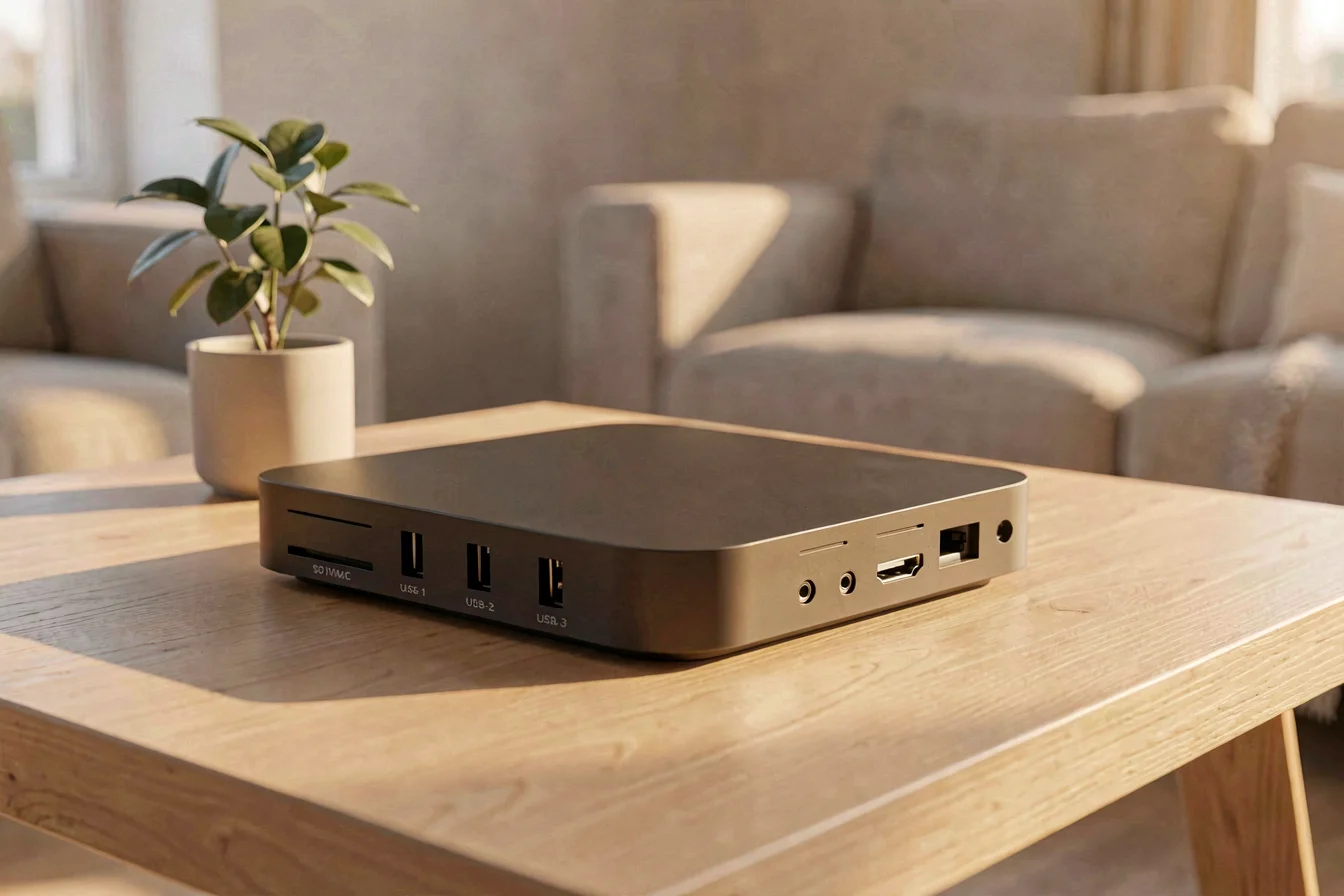
The rooted android TV box delivers unparalleled customization, allowing users to sideload apps, run retro games, and modify system settings for advanced use cases. It targets tech enthusiasts, gamers, and users who value open-source flexibility, but comes with risks like bricking, loss of Netflix certification, and warranty voiding. In contrast, the non-rooted android TV box offers certified Google apps, stable performance, and mainstream reliability, appealing to users prioritizing ease of use, warranty, and official app support. The procurement dilemma lies in balancing flexibility with stability: rooted boxes are ideal for advanced users needing sideloading and retro gaming, while non-rooted boxes are best for mainstream buyers seeking certified apps and warranty-backed reliability [2][5][6].
| Feature | Rooted Android TV Box | Non-Rooted Android TV Box |
|---|---|---|
| Customization | Full app sideloading, retro gaming, custom ROMs | Limited to official Google apps, stable settings |
| Warranty & Certification | Warranty voided, no Netflix certification | Warranty included, Netflix certified |
| App Support | Wide range, but may lose app support | Official app support, limited sideloading |
| Target Audience | Tech enthusiasts, gamers | Mainstream buyers, reliability-driven |
| Price Range | $30–$70 | $25–$60 |
Rooted boxes offer unmatched customization but require technical expertise and risk warranty loss; non-rooted boxes provide certified reliability for mainstream buyers.
Durability for a rooted android TV box depends on the hardware and user skill level. Pre-rooted Amlogic-based boxes often last 2–5 years with proper maintenance, but improper modifications can lead to bricking or instability. Non-rooted boxes, especially Google-certified models, typically last 3–5 years with consistent performance and regular firmware updates. Application scenarios diverge: rooted boxes excel at retro gaming, sideloading, and app customization, while non-rooted boxes are best for streaming, certified apps, and warranty-backed reliability.
Long-term cost evaluation reveals rooted boxes may incur higher hidden costs due to potential bricking, repair, and loss of app support, but allow advanced features. Non-rooted boxes incur lower maintenance costs and offer stable, certified performance. A 5-year cost outlook shows rooted boxes cost more in repairs and app losses, while non-rooted boxes offer predictable, warranty-backed expenses.
| Cost Factor | Rooted Android TV Box | Non-Rooted Android TV Box |
|---|---|---|
| Initial Purchase Price | $30–$70 | $25–$60 |
| Maintenance & Repairs | Higher (risk of bricking, app loss) | Lower (warranty, certified apps) |
| Replacement Frequency | 2–5 years (variable) | 3–5 years |
| Hidden Costs | App certification loss, repair | Minimal, warranty-backed |
Rooted boxes offer advanced features but higher risk and maintenance costs; non-rooted boxes deliver stable, warranty-backed performance for mainstream buyers.
Both rooted android TV box and non-rooted android TV box deliver value in today’s competitive landscape: rooted boxes empower advanced customization, while non-rooted boxes ensure mainstream reliability. Market trends show non-rooted boxes are slightly more popular for streaming and certified apps, but rooted boxes maintain strong appeal for gaming and sideloading.
Google Trends data reveals “Non Rooted Android TV Box” has slightly higher search momentum, with values rising from 32 to 41 between March 2025 and February 2026, while “Rooted Android TV Box” stays steady at 28–37. “Android TV Box with Kodi” outpaces both, indicating strong demand for advanced customization [1].
Search Interest over Time
Non-rooted boxes have slightly higher search momentum, but rooted boxes remain stable for advanced users; “Android TV Box with Kodi” shows strongest growth for customization.
Reddit and TikTok communities highlight distinct buyer personas: rooted boxes attract tech enthusiasts seeking retro gaming, sideloading, and app flexibility, but warn of bricking and Netflix loss. Non-rooted boxes are praised for reliability, warranty, and certified apps, with mainstream buyers favoring Google-certified models. TikTok and YouTube reviews reinforce rooted boxes’ appeal for advanced use, while non-rooted boxes are recommended for stable streaming and warranty-backed performance.
Case Study 1: “Rooted Android TV Box” – Reddit user shares:
“I have the Archive link to set up EmuElec + limited games (128GB SD card dump) Works for me, because I don't have any subscriptions (Netflix/Stan/HBO), I just have Stremio + MovieHD and it's ready to go. But if you want a CERTIFIED Google, they all have terrible specs, 2GB RAM, 16GB Storage, which clearly isn't enough.. Really up to you and your choice. There's also Nvidia Shield but that's overkill and over-priced!” [5]Rooted boxes empower advanced media management but require technical skill.
Case Study 2: “Non-Rooted Android TV Box” – Reddit user shares:
“Everyone recommends the Nvidia Shield Pro, but I wanted to check and see what you guys are actually using before dropping $200 on an Android TV box. I’m still using an Nvidia Shield Pro on my main TV and, honestly, it’s old but rock solid. No audio sync issues, great for Moonlight / Steam Link, and it just works. The price hurts, but stability is why people keep recommending it.” [7]Non-rooted boxes deliver mainstream reliability and certified app support.
| Dimension | Rooted Android TV Box | Non-Rooted Android TV Box |
|---|---|---|
| Overall Satisfaction | High among enthusiasts, lower among mainstream | High for mainstream, lower for advanced users |
| Most Praised Feature | Customization, retro gaming, sideloading | Reliability, certified apps, warranty |
| Most Common Complaint | Bricking, app certification loss, Netflix loss | Limited customization, app restrictions |
| Community Recommendation Rate | High among advanced users, low among mainstream | High among mainstream, low among advanced users |
Viral content themes include rooted boxes for retro gaming and sideloading, while non-rooted boxes are favored for streaming and warranty-backed reliability. Recurring debates focus on app certification, warranty voiding, and technical skill requirements.
Rooted boxes are praised for customization and retro gaming, but mainstream buyers favor non-rooted boxes for stability and warranty.
Buyers should first identify their core needs: advanced customization, retro gaming, sideloading, or mainstream reliability and warranty. Key questions:
Tiered recommendations:
| Tier | Recommended Product | Key Reason |
|---|---|---|
| Budget-Friendly | Non-Rooted Android TV Box | Warranty, certified apps, low cost |
| Mid-Range | Rooted Android TV Box | Customization, retro gaming, sideloading |
| Premium | Nvidia Shield Pro | Stability, advanced features, warranty |
Optimization tips:
Mainstream buyers should choose non-rooted boxes for reliability; advanced users should opt for rooted boxes with unlocked bootloaders and custom ROMs.
Key insights: Rooted boxes offer advanced customization for tech enthusiasts but require technical skill and risk warranty loss. Non-rooted boxes provide mainstream reliability, warranty-backed support, and certified app access, making them ideal for most buyers. Market momentum shows non-rooted boxes slightly ahead, but rooted boxes maintain strong niche appeal for retro gaming and sideloading. Forward-looking trend: Expect continued growth in non-rooted boxes for mainstream buyers, while rooted boxes will remain stable for advanced users. Buyers should confidently select based on their needs, balancing flexibility with stability.
Buyers should confidently choose rooted boxes for customization and retro gaming, or non-rooted boxes for mainstream reliability and warranty-backed performance.
Share your experience with rooted and non-rooted Android TV boxes on social platforms to help others make informed decisions. Commercial buyers should source from Alibaba.com for bulk procurement, leveraging OEM/ODM support and warranty-backed options for mainstream needs.