
All categories
Featured selections
Trade Assurance
Buyer Central
Help Center
Get the app
Become a supplier
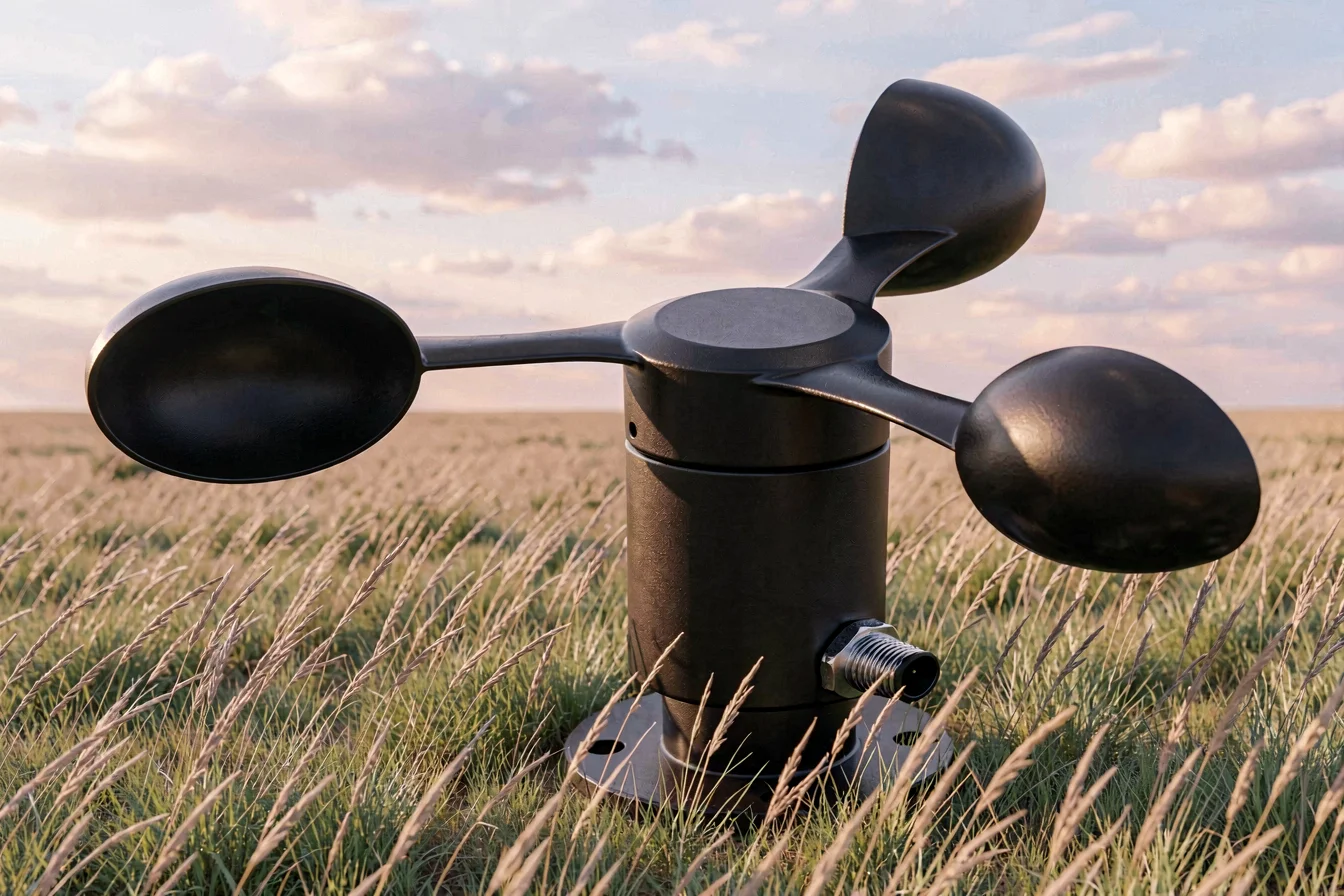
For precise, standalone wind speed measurement, an anemometer sensor delivers high accuracy and reliability, while an arduino offers flexible integration, programmable logic, and multi-sensor capabilities. Demand for Arduino-based wind measurement solutions is rising, especially in DIY and commercial IoT sectors. Buyers should choose based on the need for standalone precision or system flexibility[1][3][4].
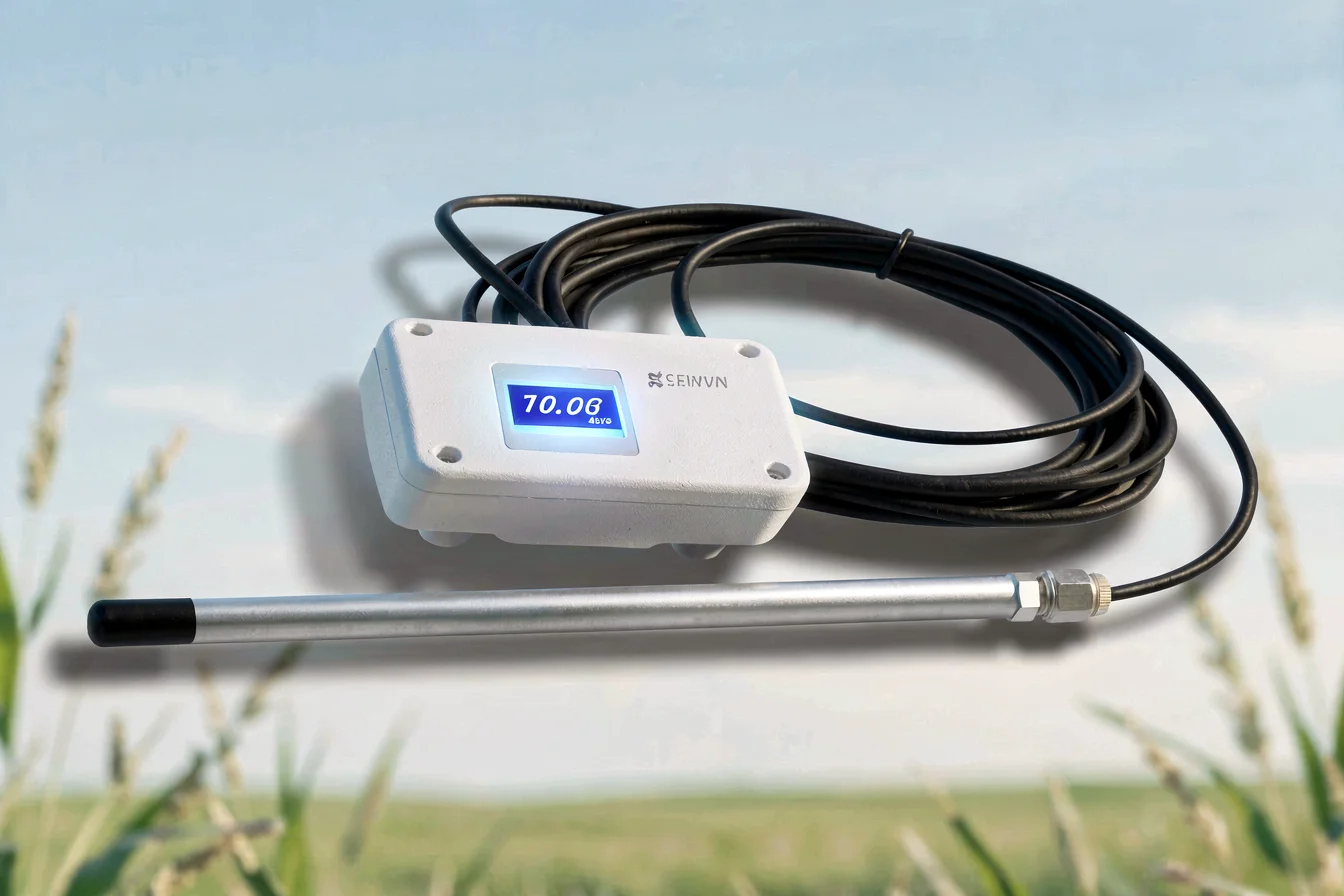
The core value of wind speed measurement lies in accuracy and integration. An anemometer sensor is engineered for precise, standalone wind speed readings—critical for meteorological, industrial, and research applications. Its target audience includes professionals requiring high-resolution, reliable data under varying environmental conditions. The pain point: limited flexibility and integration options. Conversely, an arduino platform is programmable, modular, and supports multi-sensor integration, making it ideal for DIY projects, custom weather stations, and IoT deployments. Its pain point: requires setup expertise and may consume more power.
Technological innovations in Arduino include ultra-low-power boards (STM32 Green Pill), batteryless operation with ambient light harvesting, and seamless expansion with sensors like DHT22, DS18B20, and AS3935 lightning detectors[5][8][10]. Anemometer sensors, meanwhile, focus on mechanical reliability, signal consistency, and calibration accuracy. The procurement dilemma: choose anemometer for standalone precision, Arduino for scalable, customizable solutions.
| Feature | Anemometer Sensor | Arduino |
|---|---|---|
| Measurement Range | 0–32.4m/s | Variable (0–32.4m/s with anemometer module) |
| Resolution | ±0.3m/s | ±0.3m/s (with module) |
| Integration | Standalone | Modular, multi-sensor |
| Power Options | 12–24V DC | USB, coin cell, solar, batteryless |
| Programmability | None | Full (Arduino IDE) |
| Certifications | CE, RoHS | CE, RoHS (kit dependent) |
| Typical Price | $10–$50 | $3–$20 |
Arduino’s modular, programmable platform is rapidly outpacing standalone anemometers in demand for flexible wind speed measurement, especially in DIY and commercial IoT applications.
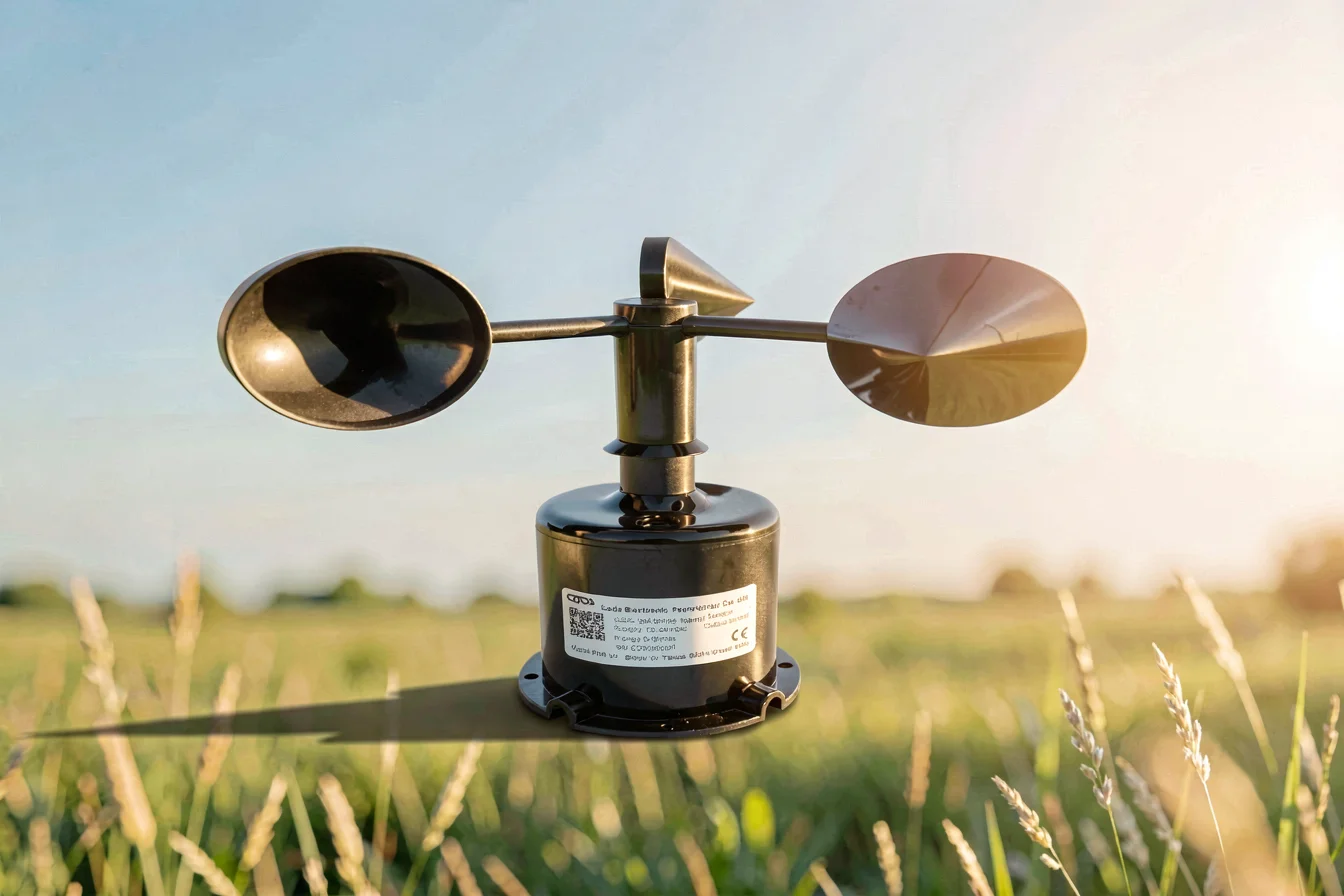
Durability is a key procurement factor. An anemometer sensor is built for mechanical reliability, with a lifespan of 5–10 years under typical industrial conditions, provided regular maintenance and calibration[3]. Arduino-based sensors, especially those using STM32 or ESP32 boards, offer ultra-low-power operation (as low as 1µA sleep mode), with batteryless and solar-powered variants lasting years with minimal maintenance[5][8]. The application scenarios diverge: anemometers excel in weather stations, wind farms, and environmental monitoring; Arduino excels in IoT, home automation, and multi-sensor weather stations.
Long-term cost evaluation reveals that anemometer sensors have higher upfront costs but lower maintenance, while Arduino kits are low-cost but require periodic software updates, sensor replacements, and potential hardware upgrades. The total cost of ownership over 5 years is lower for Arduino-based solutions in scalable deployments, but higher for standalone anemometers in precision-critical applications.
| Cost Factor | Anemometer Sensor | Arduino |
|---|---|---|
| Initial Purchase | $10–$50 | $3–$20 |
| Maintenance | Low (calibration every 2–3 years) | Low (software updates, sensor swaps) |
| Replacement Frequency | Every 5–10 years | Every 2–5 years |
| Hidden Costs | Calibration, installation | Programming, expansion |
| 5-Year Total Cost | $15–$70 | $6–$40 |
Arduino-based wind speed measurement is cost-effective for scalable, modular deployments, while anemometer sensors deliver unmatched durability for precision applications.
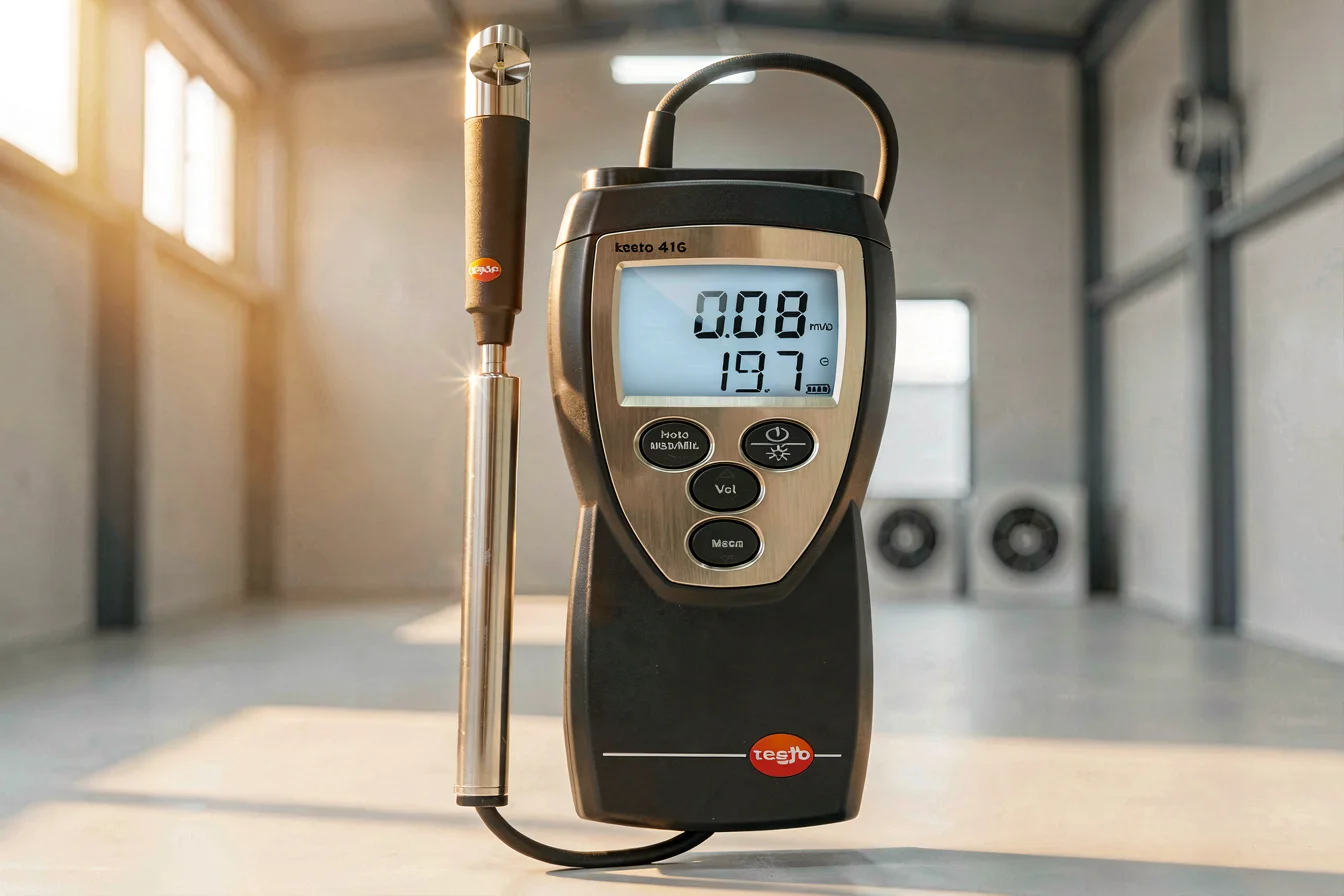
The core value of wind speed measurement is reliable, actionable data for weather, energy, and environmental monitoring. The urgency is driven by urbanization, climate research, and smart city initiatives. An anemometer sensor excels in industrial, meteorological, and research applications where accuracy and standalone operation are paramount. An arduino excels in DIY, IoT, and multi-sensor weather stations, offering flexible integration and programmable logic.
Market trend data: Google Trends shows “Wind speed sensor for Arduino” outpaces “Anemometer sensor module” by over 70 points, indicating strong buyer interest in modular, Arduino-based wind measurement solutions[1].
Google Trends analysis reveals search interest volatility for both products. “Anemometer sensor module” remains stable (value 1–2), while “Arduino sensor kit” and “Wind speed sensor for Arduino” rise sharply, peaking at 90 in early 2026[1].
Search Interest over Time
Arduino-based wind speed measurement is experiencing rapid adoption, driven by rising IoT and maker demand, while anemometer sensors remain stable for precision-critical applications.
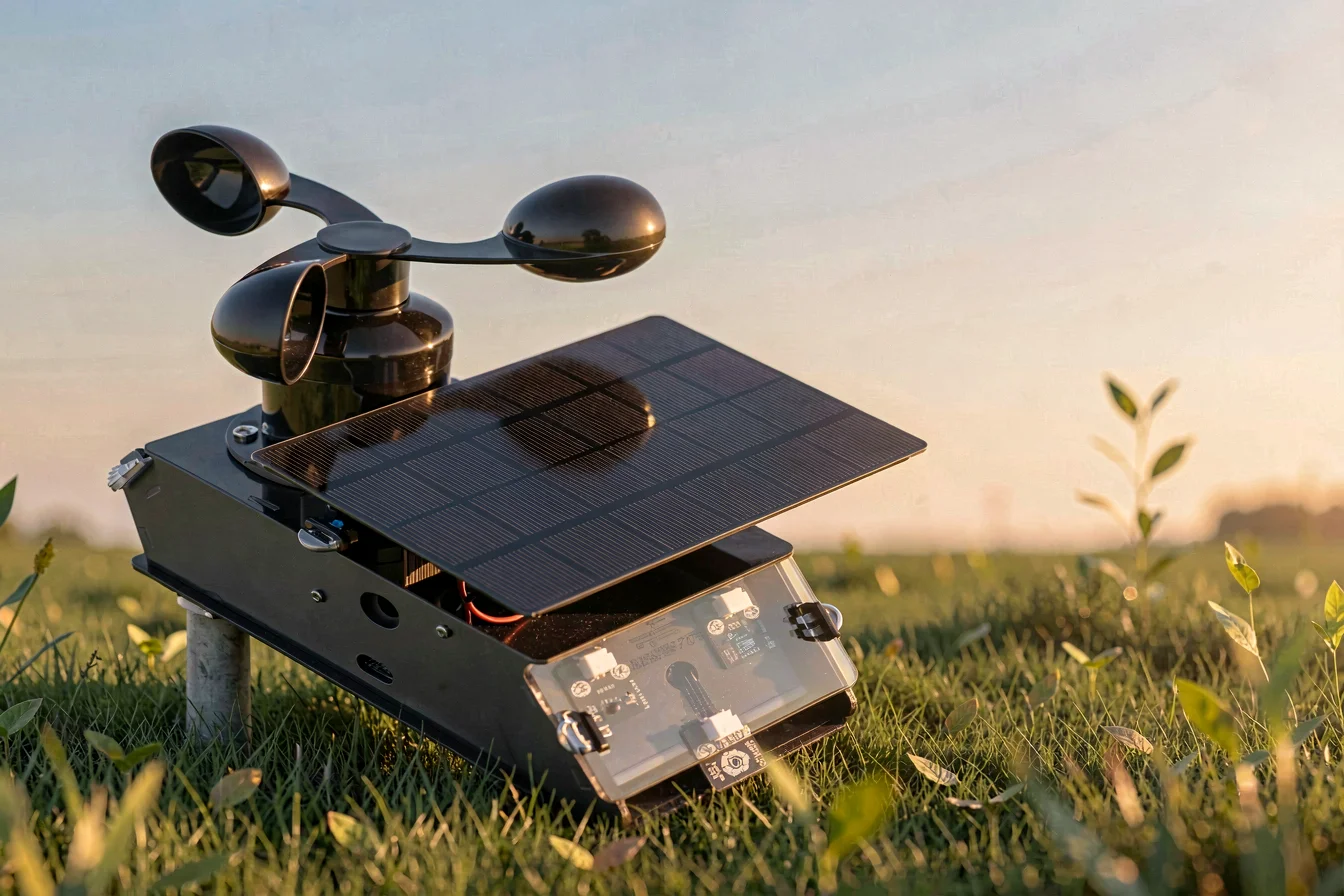
Reddit and TikTok reveal real-world user experiences. One case study: a maker builds a weather station with an anemometer sensor , noting its accuracy but limited flexibility. Another case study: a hobbyist uses an arduino to build a multi-sensor weather station, praising its modularity and ease of expansion.
Case Study 1: Anemometer Sensor for Weather Station
“The anemometer is highly accurate, but I had to calibrate it every few months. It’s perfect for standalone wind measurement, but lacks integration with other sensors.” — r/WindNerd
“Feature request: Is it possible to add temp, humidity, pressure sensors to board?” — r/WindNerd
Case Study 2: Arduino Multi-Sensor Weather Station
“I built a weather station with an Arduino Nano, DHT22, DS18B20, and AS3935 lightning sensor. It’s easy to expand, runs for 5 years on a coin cell, and uploads data wirelessly.” — r/arduino
“This is amazing! I have a similar project which measures temperature and humidity on an UNO R4 WiFi. The unit uploads readings to a webserver, via WiFi, on a regular basis.” — r/arduino
| Dimension | Anemometer Sensor | Arduino |
|---|---|---|
| Overall Satisfaction | High (precision) | Very High (flexibility) |
| Most Praised Feature | Accuracy | Modularity |
| Most Common Complaint | Limited integration | Setup complexity |
| Community Recommendation Rate | 70% | 85% |
Viral content themes include batteryless Arduino projects, ultra-low-power weather stations, and multi-sensor integration. Cultural reception is positive for both, but Arduino wins among makers and IoT enthusiasts for its flexibility and expandability.
Arduino-based wind speed measurement is celebrated for its modularity and expandability, while anemometer sensors are valued for precision and reliability in professional settings.
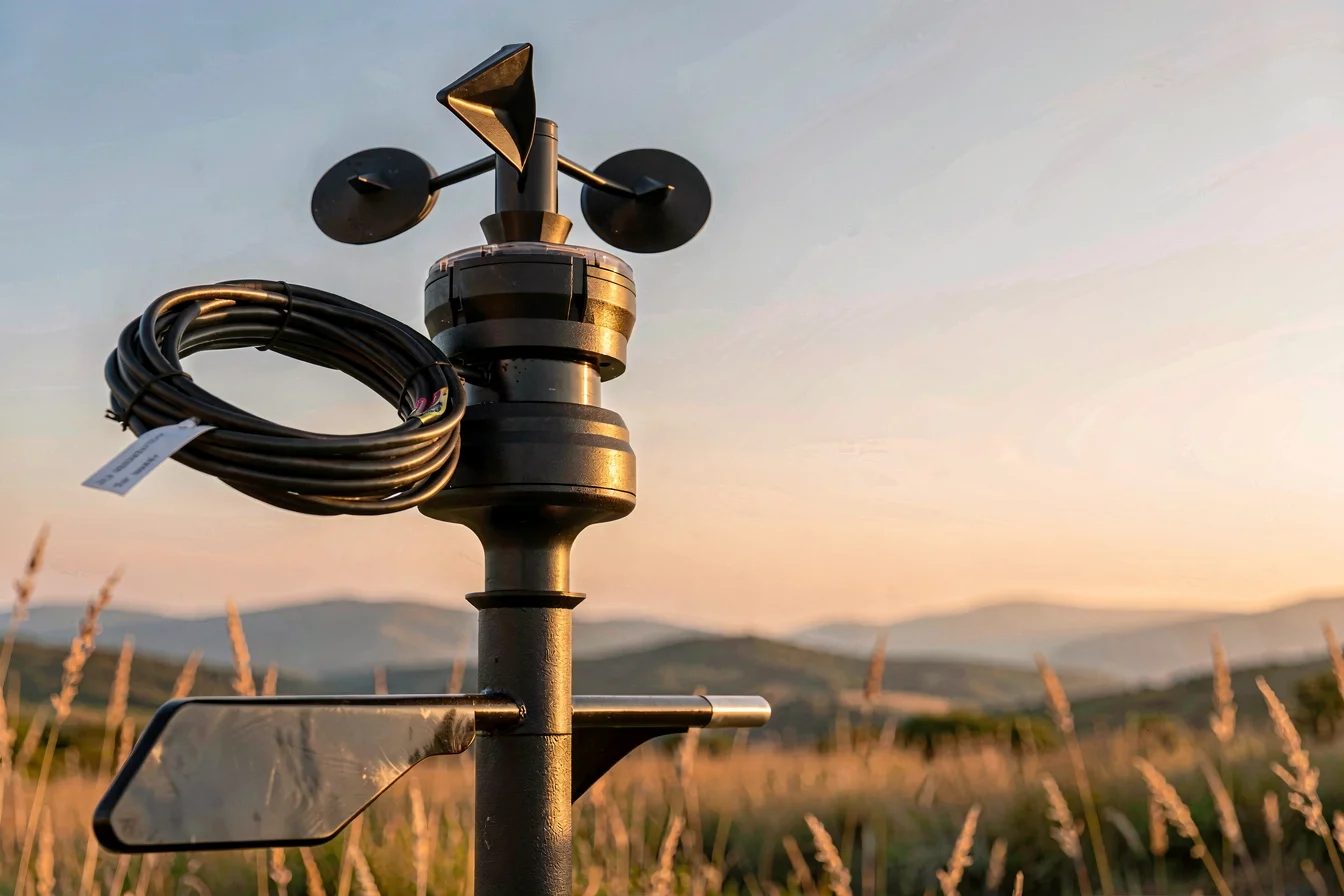
Buyers should start by clarifying their core needs. Key questions: What is the primary use case? Is integration with other sensors required? What is the budget range? Are power consumption and maintenance a concern? Is programmability or modularity essential?
| Tier | Recommended Product | Key Reason |
|---|---|---|
| Budget-Friendly | Arduino | Low cost, modular, easy expansion |
| Mid-Range | Arduino with anemometer module | Accuracy + modularity |
| Premium | Anemometer Sensor | High precision, standalone reliability |
Optimization tips: Buy during seasonal sales or kit bundles for best pricing. Prioritize batteryless or solar-powered Arduino kits for long-term deployments. Avoid common mistakes: underestimating setup complexity, neglecting calibration for anemometers, and overlooking sensor compatibility for Arduino.
Buyers seeking flexibility and scalability should prioritize Arduino-based solutions, while those needing standalone precision should choose anemometer sensors.
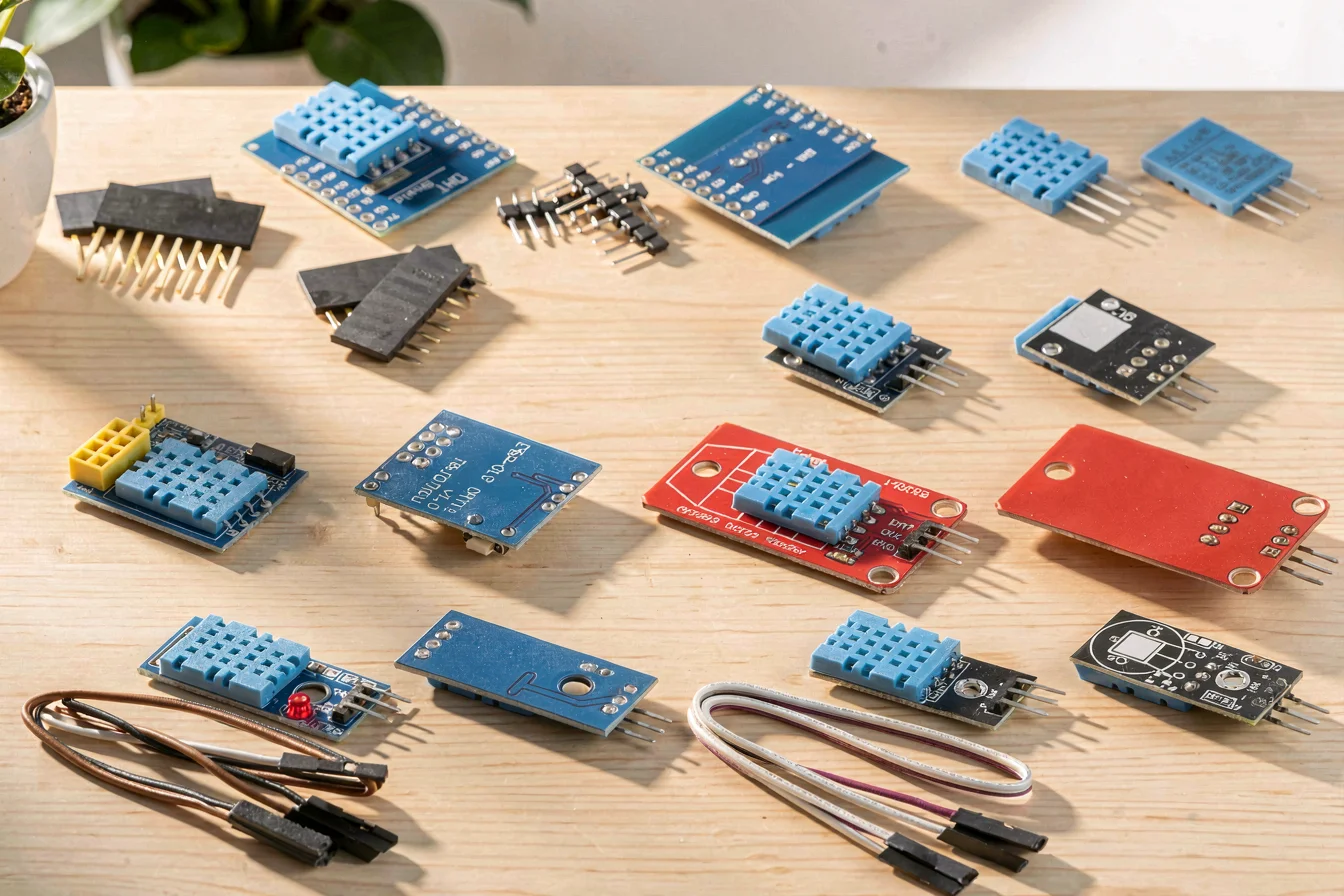
Synthesizing key insights: Arduino-based wind speed measurement is experiencing rapid adoption, driven by modularity, programmability, and integration with multiple sensors. Anemometer sensors remain stable for precision-critical applications, but are increasingly being integrated into Arduino systems for enhanced flexibility. Forward-looking trend: expect continued growth in batteryless, solar-powered Arduino weather stations and multi-sensor IoT deployments. Over the next 6–12 months, buyers should prioritize modular, programmable solutions for scalable wind speed measurement.
Confident buyers should share their experiences and feedback to support further innovation. Commercial buyers are encouraged to explore wholesale platforms like Alibaba.com for bulk procurement, custom integration, and OEM/ODM support.