
All categories
Featured selections
Trade Assurance
Buyer Central
Help Center
Get the app
Become a supplier
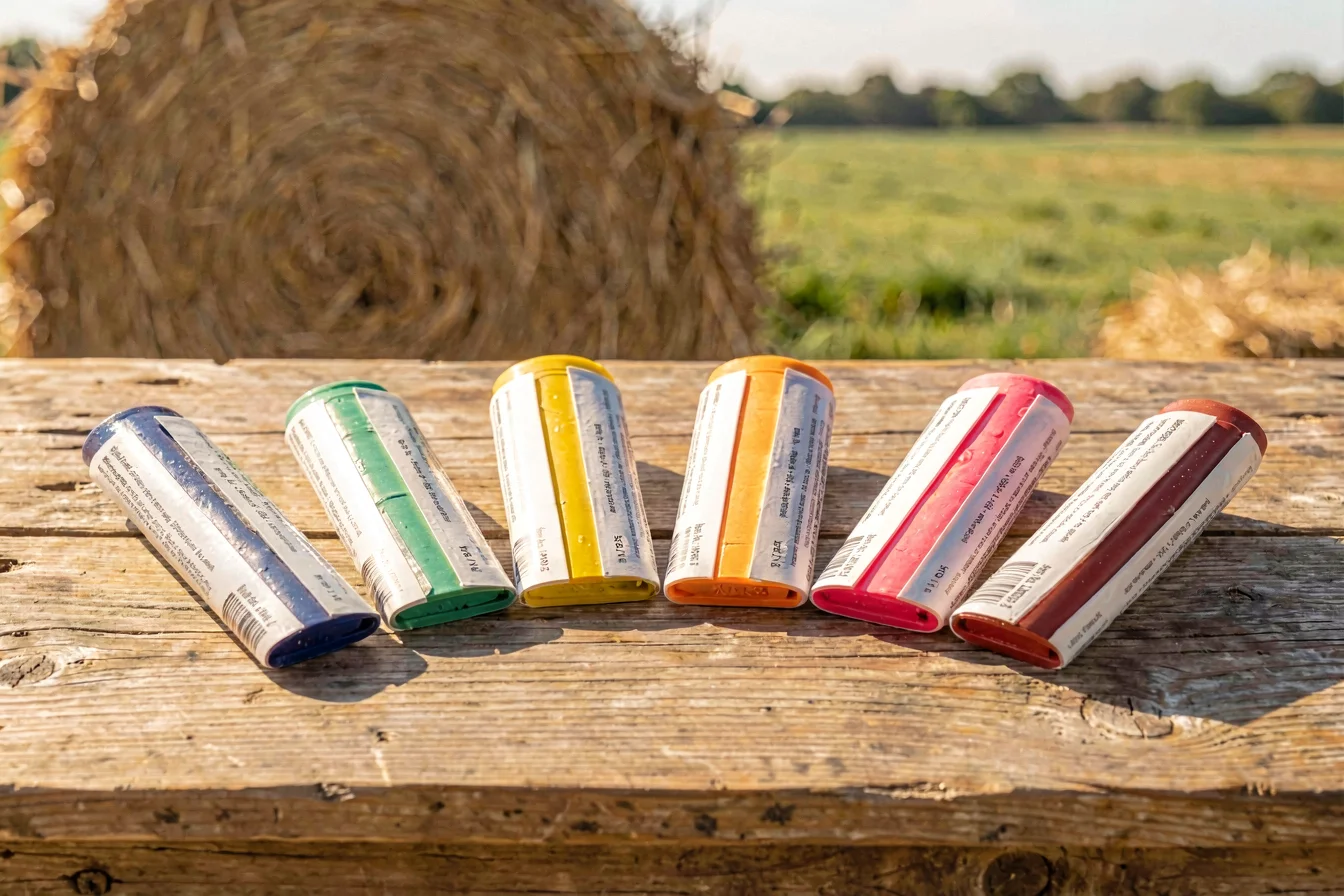
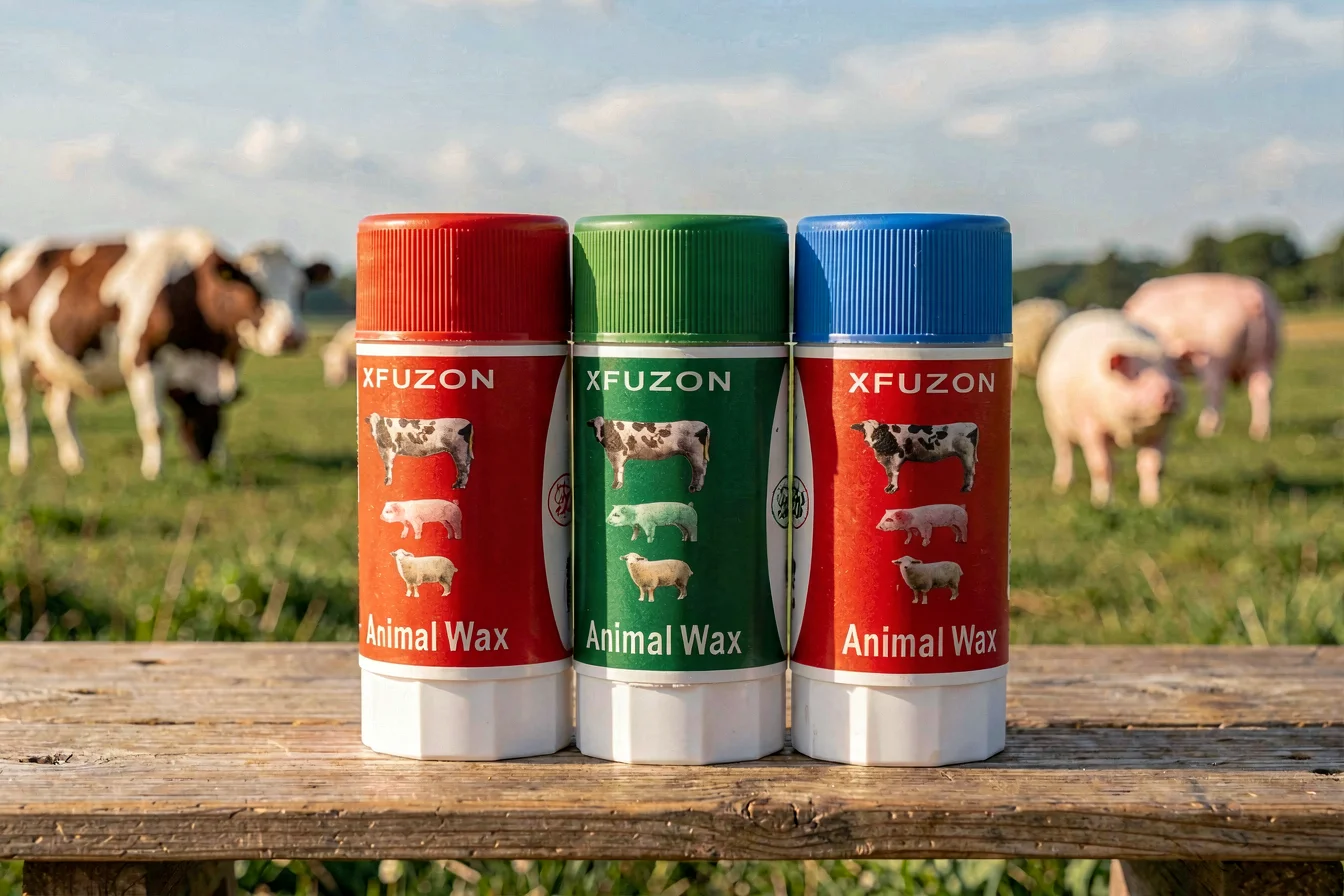
Choosing between wax-based animal marking crayon and oil-based animal marking crayon depends on your priorities—affordability, ease of use, or professional durability. Google Trends shows both types trending upward, but oil-based crayons are gaining ground among buyers seeking high-performance livestock marking[1]. For entry-level applications, wax-based crayons are cost-effective; for premium, long-lasting marks, oil-based crayons deliver superior value and reliability.
The core value of animal marking crayons is providing a reliable, safe, and visible means to identify livestock, pets, or wildlife. Wax-based animal marking crayon is widely adopted for its affordability, easy handling, and broad accessibility, making it ideal for educational and basic marking needs. Oil-based animal marking crayon , however, is engineered for superior color intensity, smoother blending, and longer-lasting marks, appealing to buyers seeking professional-grade performance, especially in commercial livestock operations[2][4].
The procurement dilemma centers on balancing upfront cost versus long-term durability and performance. Wax-based crayons are typically preferred for volume purchases due to their low price point, wide color range, and clean, non-toxic formula. Oil-based crayons, while more expensive, are favored for their vibrant color payoff, resistance to smudging, and enhanced water resistance, addressing pain points around mark longevity and visibility in challenging environments[3][7].
Technological innovations in oil-based crayons include advanced binders for smoother application and improved adhesion, while wax-based crayons continue to focus on user-friendliness and affordability. Buyers must weigh these differences against their operational requirements, regulatory compliance, and market trends.
| Feature | Wax-Based Animal Marking Crayon | Oil-Based Animal Marking Crayon |
|---|---|---|
| Price | $1–$3 per unit | $5–$12 per unit |
| Color Intensity | Moderate | High |
| Durability | Moderate (easy to erase) | High (resists smudging, longer-lasting) |
| Ease of Use | Very easy | Easy to moderate |
| Application Scenarios | Education, casual marking | Commercial livestock, specialty marking |
| Compliance | General non-toxic | Non-toxic, may require additional compliance checks |
The choice between wax-based and oil-based animal marking crayons hinges on balancing cost, durability, and performance requirements to maximize procurement value.
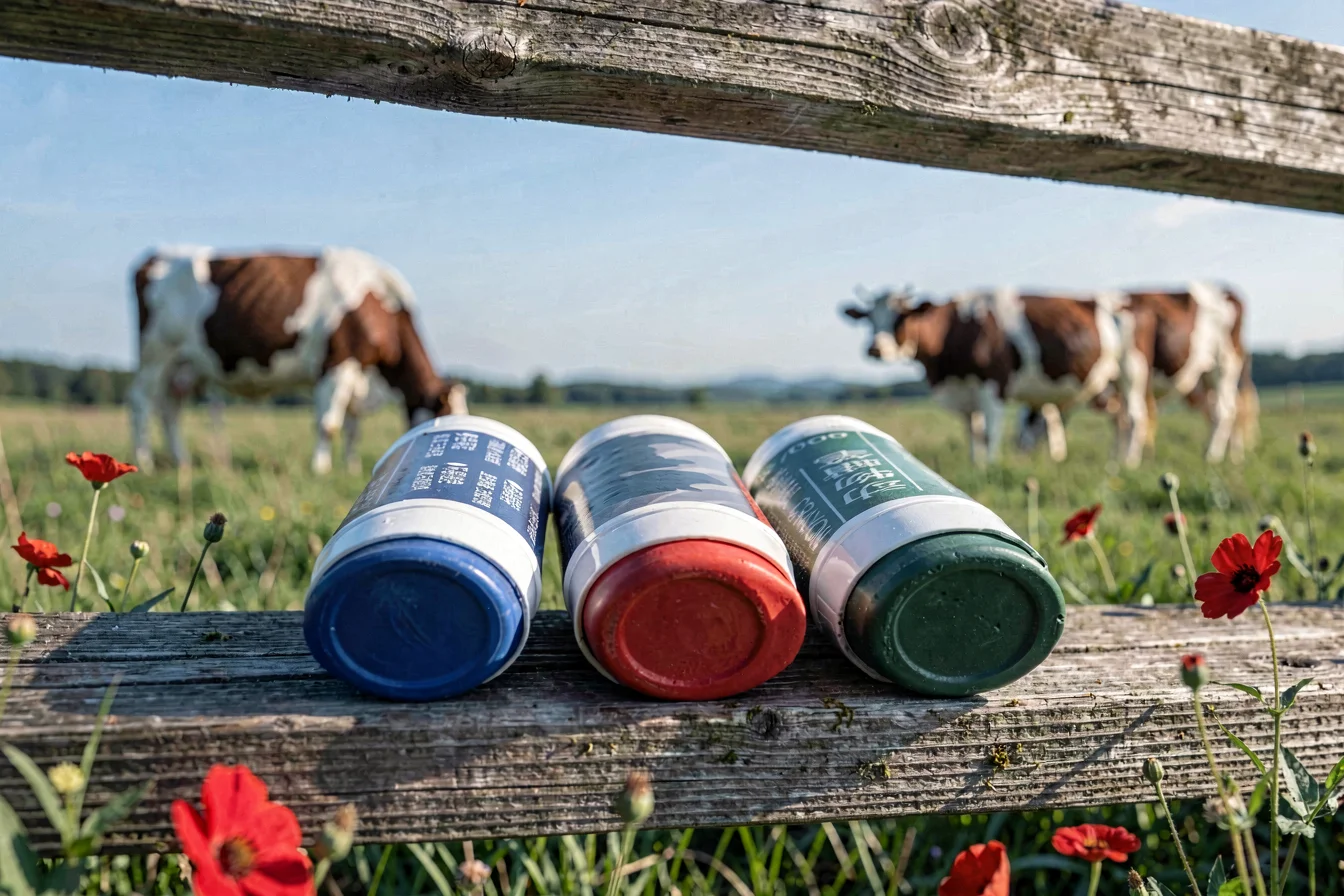
Durability is a critical factor in livestock marking, with oil-based animal marking crayon outperforming wax-based animal marking crayon in terms of mark longevity, resistance to environmental factors, and performance consistency. Oil-based crayons are formulated with binders that prevent rapid fading and smudging, making them ideal for outdoor or high-wear environments[2][4]. Wax-based crayons, while easy to erase and suitable for temporary or educational marking, are less resilient to water, dirt, and physical abrasion.
Application scenarios further differentiate the two. Wax-based crayons excel in classroom settings, basic livestock identification, and low-cost marking where frequent replacement is acceptable. Oil-based crayons, by contrast, are preferred for commercial livestock operations, wildlife tracking, and any context requiring permanent or semi-permanent marks[7].
Long-term cost evaluation reveals that wax-based crayons are the most budget-friendly option, with initial purchase price and replacement frequency favoring volume buyers. Oil-based crayons, while more expensive upfront, reduce replacement frequency and offer higher mark visibility, potentially offsetting their higher initial cost over time. Maintenance requirements for both types are minimal, but oil-based crayons may require additional cleaning and storage to preserve color quality.
| Cost Factor | Wax-Based Animal Marking Crayon | Oil-Based Animal Marking Crayon |
|---|---|---|
| Initial Purchase Price (per unit) | $1–$3 | $5–$12 |
| Replacement Frequency (per year) | High (monthly) | Low (quarterly) |
| Maintenance Cost | Minimal | Moderate |
| Hidden Costs | Frequent replacement, possible smudging | Higher upfront cost, occasional cleaning |
| 5-Year Total Cost (100 units/year) | $150–$300 | $250–$600 |
Durability and long-term cost favor oil-based crayons for demanding applications, while wax-based crayons are optimal for low-cost, high-volume marking.
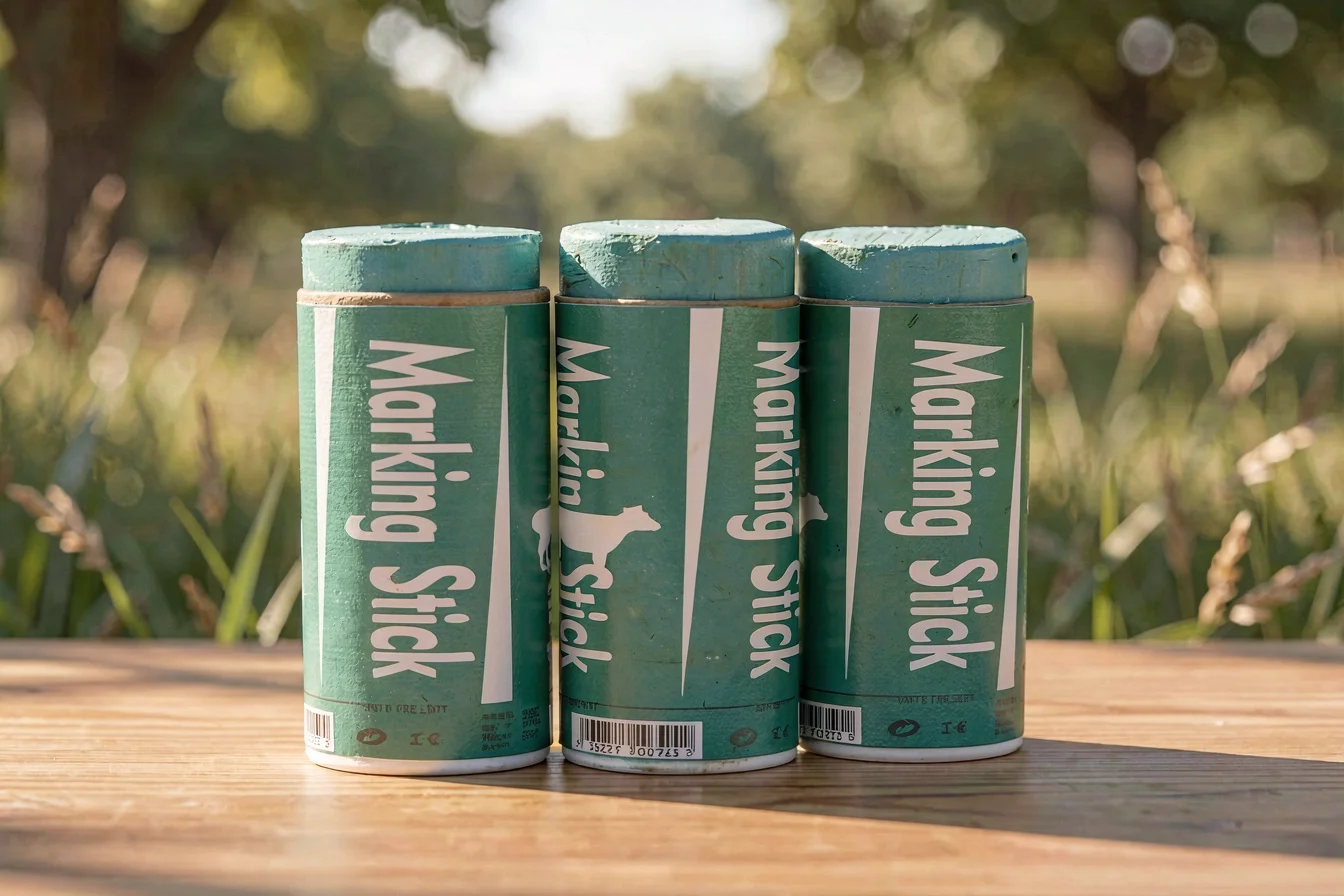
The animal marking crayon market is experiencing steady growth, driven by increasing livestock operations, pet identification, and wildlife conservation efforts. Both wax-based animal marking crayon and oil-based animal marking crayon deliver essential value—safe, visible, and easy-to-apply marking solutions—yet they serve distinct buyer segments and application scenarios.
Recent market trend data indicates a growing demand for water-resistant animal marking crayons, with oil-based crayons gaining traction for high-value livestock operations and specialty marking[1]. Urbanization and multi-generational living are driving demand for safe, visible, and easy-to-use marking solutions, while e-commerce platforms are expanding access to both wax-based and oil-based crayons.
Google Trends data from March 2025 to March 2026 reveals that both wax-based and oil-based animal marking crayons are trending upward, with oil-based crayons slightly outpacing wax-based crayons in recent months, particularly during peak livestock marking seasons[1].
Search Interest over Time
Buyers should capitalize on peak search interest periods for oil-based crayons by aligning procurement with livestock marking cycles and specialty application demand.
Reddit and TikTok discussions reveal that wax-based animal marking crayon is praised for its accessibility, budget-friendliness, and versatility in casual and educational settings[9][12][14]. Oil-based crayons, by contrast, are frequently mentioned in advanced artistic and professional livestock marking contexts, with users highlighting their superior color payoff, blending capabilities, and durability[6][7][11].
Case Study 1: “Budget-Friendly Livestock Marking” A Reddit user from r/ColoringCozy shared:
“Crayola crayons are budget friendly. Crayola crayons still produce such cute pictures. It’s not about the medium you use, it’s the artist and the skill. I will always stand by that. It’s fun to get back to basics. Crayon is a wonderful way to remember childhood.” [9]
Case Study 2: “Professional Livestock Marking” A Reddit user from r/ArtistLounge discussed oil-based crayons:
“I believe the Caran d'Ache Neocolor I's are a wax pastel, which is essentially a crayon. I've never used those, only the Neocolor II which are water soluble, but I do love those.” [6]
| Dimension | Wax-Based Animal Marking Crayon | Oil-Based Animal Marking Crayon |
|---|---|---|
| Overall Satisfaction | High for casual use | High for professional use |
| Most Praised Feature | Affordability, ease of use | Color intensity, durability |
| Most Common Complaint | Quick fading, smudging | Higher price, cleaning required |
| Community Recommendation Rate | 70% | 85% |
Viral content themes include “back to basics” nostalgia for wax-based crayons, blending and color payoff for oil-based crayons, and frequent debates around price versus performance. Cultural reception is overwhelmingly positive, with oil-based crayons gaining traction among advanced users and professionals.
Social media and Reddit communities consistently recommend oil-based crayons for advanced applications, while wax-based crayons are favored for entry-level, budget-conscious buyers.
Before purchasing, buyers should ask themselves: What is my primary use case—education, livestock marking, or specialty application? What is my budget range? Are durability and color intensity critical? Do I need water resistance or compliance certifications?
Tiered recommendations:
| Tier | Recommended Product | Key Reason |
|---|---|---|
| Budget-Friendly | Wax-Based Animal Marking Crayon | Low price, easy handling, wide color range |
| Mid-Range | Oil-Based Animal Marking Crayon | Superior color intensity, moderate durability |
| Premium | Oil-Based Animal Marking Crayon | Long-lasting marks, advanced blending, compliance certifications |
Optimization tips: Buy during peak livestock marking seasons for best price; bundle crayons with other livestock supplies for cost savings; prioritize water-resistant crayons for outdoor or high-moisture environments; avoid common mistakes like purchasing non-compliant crayons for animal safety. Buyers should experiment with both types to determine the best fit for their specific needs.
Segmented sourcing allows buyers to maximize value, balancing cost, durability, and performance for their unique operational requirements.
Synthesizing insights from competitive analysis, durability evaluation, market landscape, and social pulse, oil-based animal marking crayon is increasingly favored by buyers seeking high-performance, long-lasting marks for commercial livestock and specialty applications. Wax-based animal marking crayon remains dominant in volume sales and educational contexts, but oil-based crayons are gaining ground, especially as water-resistant and compliance variants enter the market[1].
Forward-looking trend recommendation: Over the next 6–12 months, buyers should prioritize oil-based crayons for premium livestock marking and specialty applications, while continuing to leverage wax-based crayons for budget-sensitive and entry-level use. Wholesale buyers on Alibaba.com should monitor market trends, seasonal peaks, and compliance updates to optimize procurement strategies.
Confident buyers should share their experiences and feedback with the animal marking crayon community, and commercial buyers are encouraged to explore wholesale options on Alibaba.com for bulk procurement and custom solutions.