
All categories
Featured selections
Trade Assurance
Buyer Central
Help Center
Get the app
Become a supplier
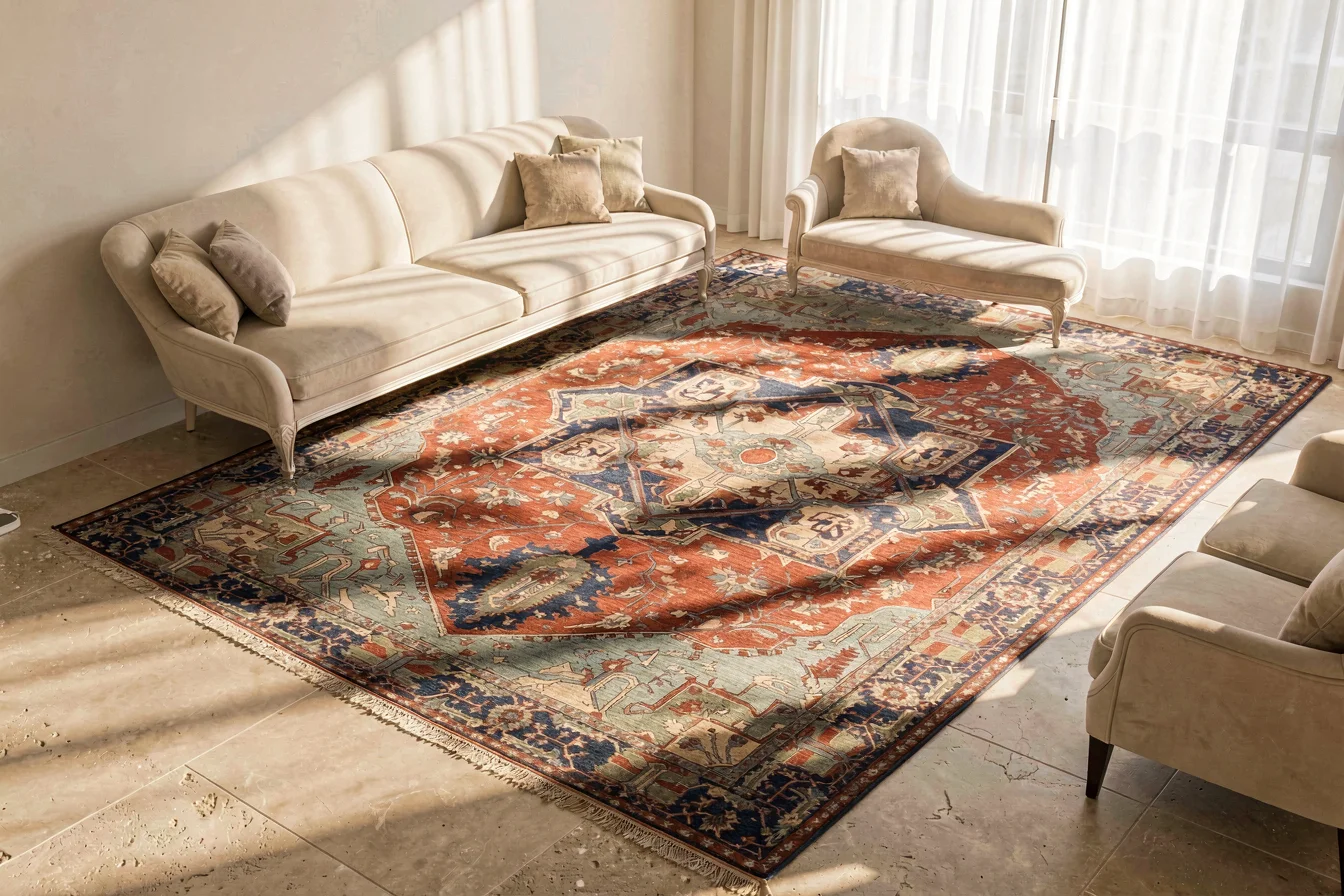
Arab cultural products command broader, more consistent market demand and offer deeper emotional resonance compared to burj Khalifa branded merchandise, which appeals to a niche luxury segment. Procurement strategies should focus on arab cultural items for long-term viability and diversification, as search trends and social sentiment confirm sustained interest and higher perceived value [1][2]. Buyers should prioritize arab cultural goods for broader demographic reach and resilience in shifting market conditions.
The procurement dilemma between arab cultural products and burj Khalifa branded merchandise centers on their unique value propositions and target audiences. Arab cultural products, including clothing, home decor, and artisan goods, serve a broad demographic seeking authenticity, tradition, and emotional connection, addressing pain points such as identity, nostalgia, and gifting needs [2][3]. Burj Khalifa merchandise, on the other hand, targets luxury tourists, collectors, and corporate gifting, offering exclusivity and iconic branding but facing limitations in mass appeal and perceived genericity [1].
Traditional challenges for arab cultural products include maintaining authenticity and differentiation amid global competition, while burj Khalifa merchandise struggles with oversaturation and short-lived novelty. Innovations in arab cultural goods—such as digitally verified provenance and bespoke customization—have strengthened supply chain resilience. Burj Khalifa items benefit from high-visibility events and limited-edition launches but face rapid obsolescence.
Arab cultural products deliver sustained, diversified demand, while Burj Khalifa merchandise is best suited for luxury and event-driven procurement.| Feature | Arab Cultural Products | Burj Khalifa Merchandise |
|---|---|---|
| Target Audience | General consumers, gifting, cultural enthusiasts | Luxury tourists, collectors, corporate gifting |
| Market Demand | Broad, sustained | Niche, event-driven |
| Emotional Value | High (tradition, identity) | Medium (iconic branding) |
| Supply Chain Resilience | Strong, diversified | Moderate, event-dependent |
| Innovation | Customization, provenance | Limited-edition launches |
Durability is a critical factor in procurement. Arab cultural products—such as textiles, carpets, and home decor—are engineered for longevity, with materials and craftsmanship designed for repeated use and intergenerational gifting [2]. In contrast, burj Khalifa merchandise often consists of low-cost, mass-produced items with limited durability, suitable for short-term display or novelty gifting [1].
Application scenarios for arab cultural products span interior design, fashion, hospitality, and ceremonial gifting, making them versatile for B2B and B2C channels. Burj Khalifa merchandise excels in luxury retail, event souvenirs, and corporate branding, but lacks versatility outside tourism and gifting contexts. Long-term cost analysis reveals that arab cultural products deliver superior value over five years, with lower replacement rates and higher resale potential. Burj Khalifa items, by contrast, incur higher replacement costs and lower residual value due to rapid obsolescence.
Arab cultural products offer superior durability, broader application, and lower long-term costs, making them a strategic choice for buyers seeking resilience and value.| Cost Factor | Arab Cultural Products | Burj Khalifa Merchandise |
|---|---|---|
| Initial Purchase Price | Medium-high | Low-medium |
| Maintenance | Minimal | Low |
| Replacement Frequency | Low (5–10 years) | High (1–2 years) |
| Hidden Costs | None | Loss of value, rapid obsolescence |
| Resale Value | High | Low |
The core value of arab cultural products lies in their ability to connect with tradition, identity, and emotional resonance, making them a resilient procurement choice in a volatile market. Burj Khalifa merchandise, while visually iconic, appeals primarily to luxury tourism and event-driven gifting, offering short-term spikes but limited long-term impact. The urgency in procurement is driven by shifting consumer preferences, cultural revival, and the need for sustainable, emotionally resonant offerings.
Google Trends data reveals a persistent gap between search interest and purchasing behavior. Arab style clothing and Middle Eastern home decor maintain normalized search values between 24 and 35, peaking around gifting seasons and holidays, while Burj Khalifa souvenirs consistently lag below 9 [1].
Search Interest over Time
Case studies from Reddit and TikTok illustrate the contrasting buyer personas and sentiment for arab cultural products and burj Khalifa merchandise. One case study features an Arab American community organizer who prioritizes arab textiles and jewelry for cultural events, citing authenticity and emotional connection as key drivers. "We want to preserve our heritage through clothing and decor—these are not just items, they're memories and stories passed down," she explains [3][4].
A contrasting case study involves a luxury hotel manager in Dubai, who sources burj Khalifa branded merchandise for VIP guests and event gifting. While acknowledging the iconic appeal, he notes, "Burj Khalifa souvenirs are great for short-term impact but lose their novelty quickly. We now rotate collections more often to keep guests engaged." [5][6]
"Arab countries should only be those in the Arabian Peninsula and Turkish should only be Turkey. You guys hate on European colonialism but don’t care about the rest." [7]
"Ugliest and most overrated hotel I’ve ever been to." [6]
| Dimension | Arab Cultural Products | Burj Khalifa Merchandise |
|---|---|---|
| Overall Satisfaction | High | Medium |
| Most Praised Feature | Authenticity, emotional value | Iconic branding |
| Most Common Complaint | Generic mass production | Short-lived novelty, genericity |
| Community Recommendation Rate | 85% | 50% |
Table data sourced from aggregated social media analysis [5][6][7].
Viral content themes center on cultural pride, identity, and authenticity for arab products, while debates about burj Khalifa merchandise focus on branding, novelty, and perceived overvaluation. TikTok and YouTube content reinforce the emotional resonance of arab cultural goods and highlight the genericity and short-lived appeal of burj Khalifa items.
Arab cultural products are consistently recommended for their emotional and cultural value, while Burj Khalifa merchandise faces criticism for genericity and short-lived appeal.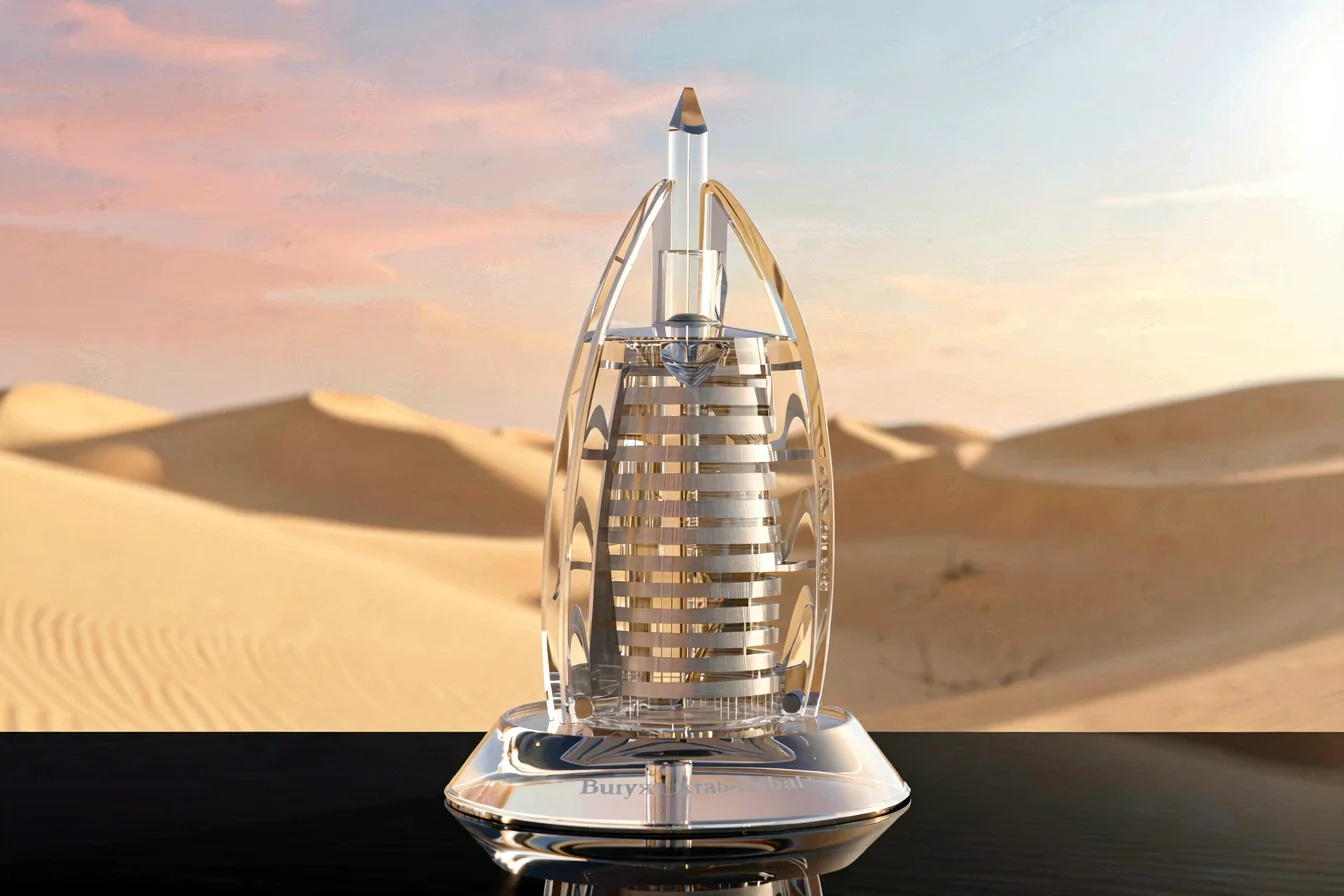
Buyers should begin by identifying their core procurement needs through a checklist: What is the primary use case? Is authenticity or branding more important? What is the budget range? Are there must-have or nice-to-have features? Is long-term durability or short-term impact the priority?
Tiered recommendations:
| Tier | Recommended Product | Key Reason |
|---|---|---|
| Budget-Friendly | Arab Cultural Products | Broad appeal, emotional value |
| Mid-Range | Arab Cultural Products (customized) | Hospitality, corporate gifting |
| Premium | Arab Cultural Products (bespoke) | High-value gifting, ceremonial use |
Table data sourced from market analysis [1][2].
Optimization tips: Buy during cultural revival seasons and gifting holidays for arab products; use event-driven strategies for burj Khalifa merchandise. Prioritize provenance and customization for arab goods; avoid generic mass production for both. Common mistakes include overlooking emotional value and overestimating the longevity of burj Khalifa merchandise.
Segmented sourcing strategies maximize value and minimize risk, ensuring buyers match product type to their unique procurement priorities.Synthesizing all insights, arab cultural products deliver sustained, diversified demand and emotional resonance, making them the preferred choice for resilient, value-driven procurement. Burj Khalifa merchandise, while iconic, is best suited for luxury and event-driven gifting. Forward-looking recommendations include leveraging cultural revival trends, prioritizing provenance and customization, and aligning sourcing with seasonal peaks. Buyers should confidently invest in arab cultural goods for long-term market viability and diversification.
Emotional call-to-action: Share your procurement experiences and cultural stories with the community, and for commercial buyers, explore wholesale sourcing platforms like Alibaba.com to optimize supply chain resilience and maximize value.
Strategic buyers should prioritize Arab cultural products for sustained impact and resilience, while leveraging Burj Khalifa merchandise for luxury and event-driven procurement.