
All categories
Featured selections
Trade Assurance
Buyer Central
Help Center
Get the app
Become a supplier
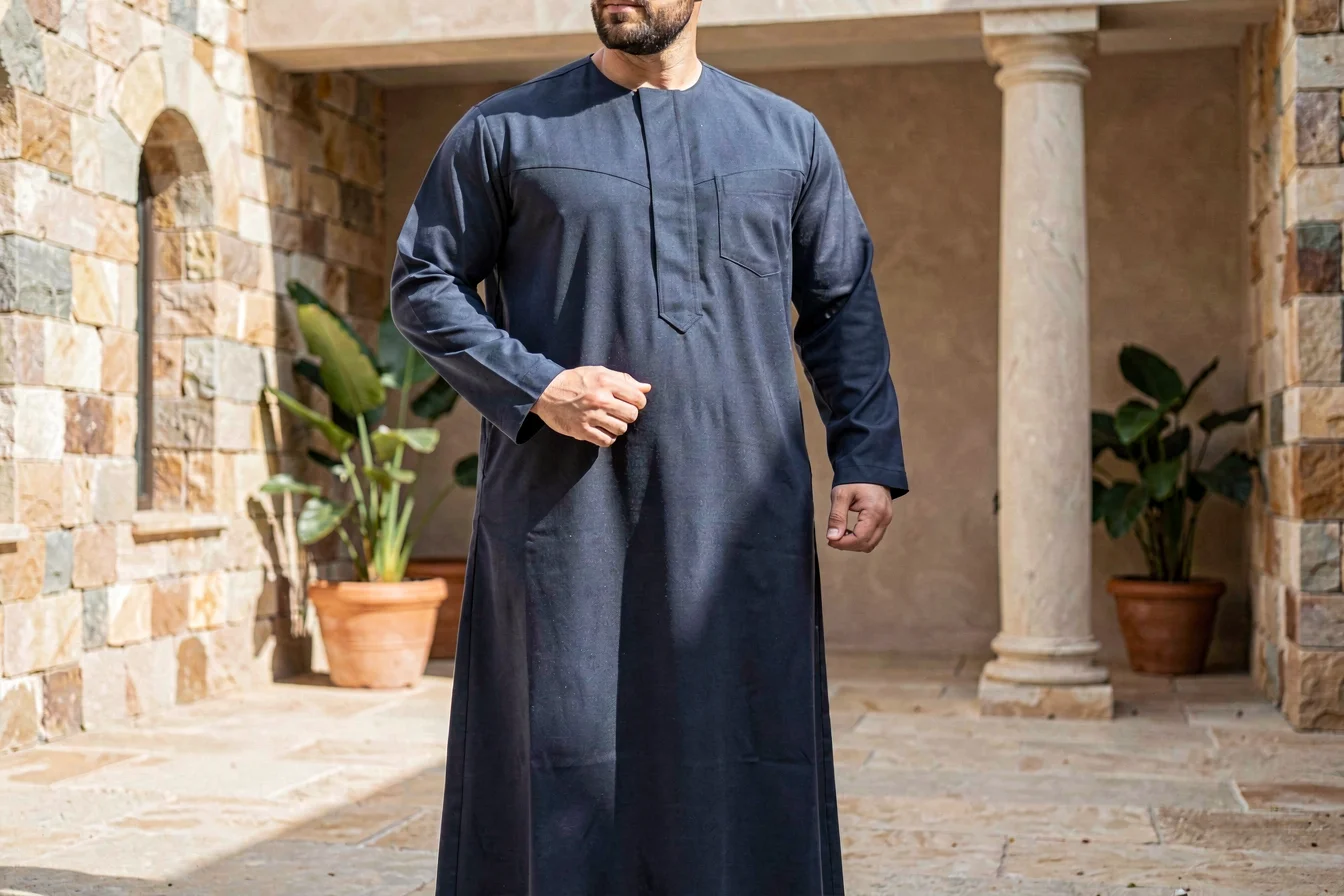
In 2026, the market for daffah thobe and traditional arabic men thobe is shaped by evolving buyer priorities—comfort, affordability, and modern aesthetics versus heritage, luxury, and formal occasions. Daffah thobe is gaining traction for everyday use and online retail, while traditional arabic men thobe remains the gold standard for ceremonies and high-end sourcing. Procurement decisions should align with demand segments: opt for daffah thobe for volume and trend-driven orders, and prioritize traditional arabic men thobe for formal and ceremonial requirements [1][2][3].
Both daffah thobe and traditional arabic men thobe serve the core need for modest, culturally appropriate male attire, but their value propositions diverge sharply. Daffah thobe is engineered for modern, everyday wear—offering comfort, affordability, and a streamlined fit that appeals to younger, urban, and cost-conscious buyers. Traditional arabic men thobe , in contrast, is prized for its heritage, artisanal craftsmanship, and suitability for formal and ceremonial occasions, with a focus on luxurious fabrics and custom tailoring [2][8].
The procurement dilemma is urgent: buyers must choose between mass-market appeal and luxury exclusivity. Daffah thobe solves the pain points of bulk ordering, quick turnaround, and trend alignment, while traditional arabic men thobe addresses the need for status, authenticity, and high-value gifting. Technological innovations in daffah thobe include advanced cotton-polyester blends, modern collars, and reinforced stitching, whereas traditional arabic men thobe often features hand-embroidered details and premium materials like silk or fine cotton [2][8].
| Feature | Daffah Thobe | Traditional Arabic Men Thobe |
|---|---|---|
| Fabric | Cotton-polyester blend, soft and breathable | Cotton, silk, or hand-embroidered cotton |
| Design | Modern collar, plastic buttons, streamlined fit | Heritage collar, custom tailoring, luxury details |
| Price | $47.99 USD (retail), volume pricing available | $80–$300+ USD, custom options |
| Target Audience | Urban, everyday wear, younger buyers | Formal occasions, ceremonial, luxury market |
| Procurement Logic | Bulk, trend-driven, quick turnaround | Custom, artisanal, high-value orders |
Daffah Thobe’s competitive advantage lies in its affordability and modern design, while Traditional Arabic Men Thobe delivers unmatched heritage and luxury for formal contexts.
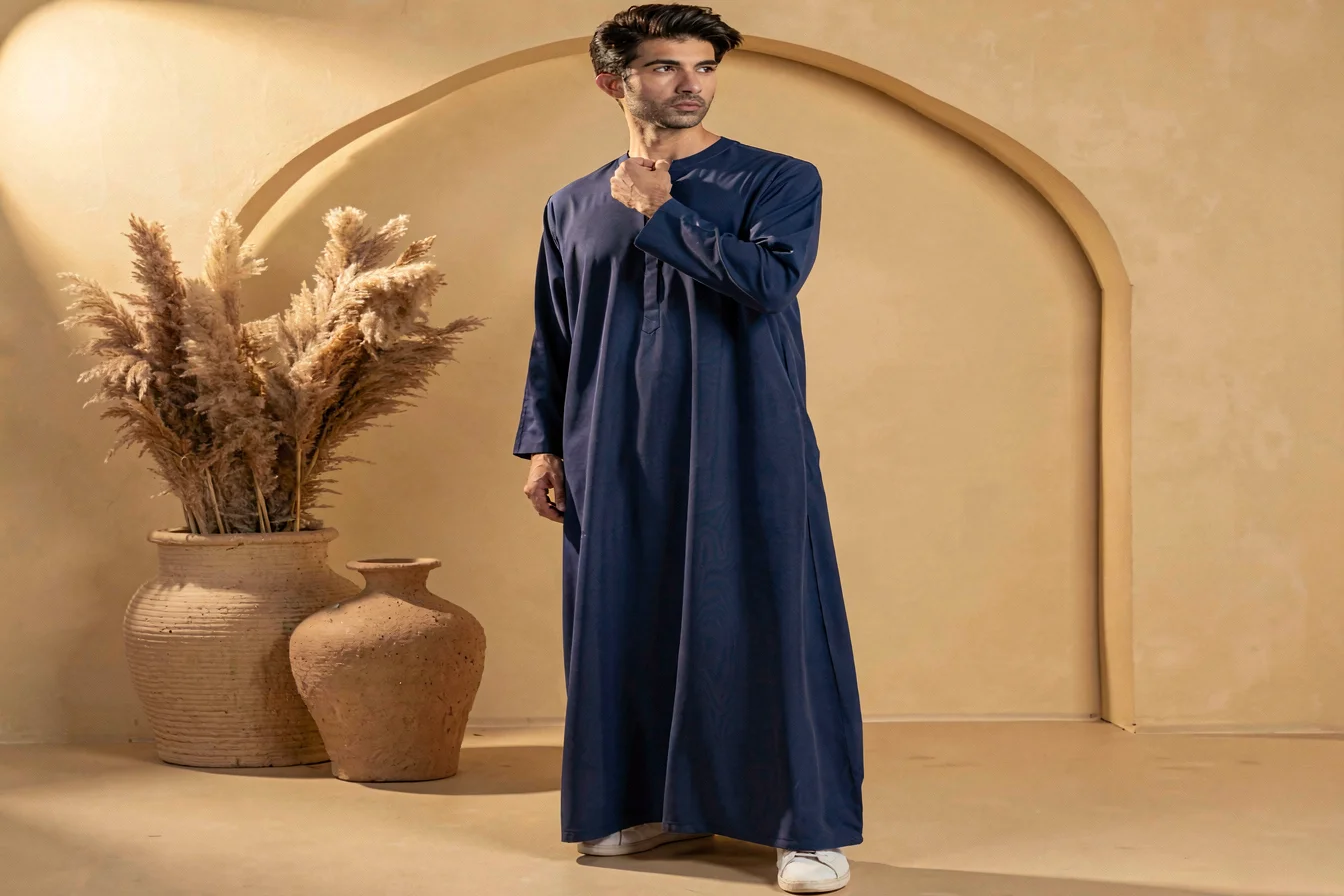
Durability is a critical factor for procurement. Daffah thobe is engineered for frequent, everyday use—its cotton-polyester blend resists wrinkles and maintains shape, but may require more frequent replacement after heavy use. Traditional arabic men thobe typically uses premium cotton or silk, offering superior longevity and resilience, making it ideal for ceremonial or high-value wear [2][8].
Application scenarios diverge: daffah thobe is optimal for daily wear, office environments, and casual events, while traditional arabic men thobe excels in weddings, religious ceremonies, and formal gifting. Buyers must weigh long-term costs—initial purchase price, maintenance, and replacement frequency—against the intended use. Daffah thobe is lower cost and easier to replace, but traditional arabic men thobe delivers higher value and lower replacement cycles for premium buyers [2][8].
| Cost Factor | Daffah Thobe | Traditional Arabic Men Thobe |
|---|---|---|
| Initial Purchase Price | $47.99 USD (retail) | $80–$300+ USD |
| Maintenance | Low, machine-washable | Moderate, dry-clean preferred |
| Replacement Frequency | 1–2 times/year (heavy use) | Every 3–5 years (ceremonial) |
| Hidden Costs | Minimal, volume discounts | Custom tailoring, luxury packaging |
| Total 5-Year Cost | $144–$192 USD | $240–$1500+ USD |
Traditional Arabic Men Thobe delivers superior durability and lower replacement cycles for premium buyers, while Daffah Thobe offers cost-effective, trend-driven solutions for everyday wear.
The core value of daffah thobe and traditional arabic men thobe is their ability to blend cultural authenticity with modern needs. The competitive landscape is shaped by urbanization, multi-generational living, and rising demand for modest fashion in both B2C and B2B sectors [1][3]. Daffah thobe is surging in popularity for daily wear, especially among urban youth, while traditional arabic men thobe remains dominant in formal and ceremonial contexts, with demand driven by luxury gifting and religious occasions.
Daffah Thobe is ideal for volume-driven, trend-sensitive buyers, while Traditional Arabic Men Thobe is essential for formal, ceremonial, and luxury procurement.
Google Trends data reveals that traditional arabic men thobe consistently commands higher search volume, peaking during religious and wedding seasons, while daffah thobe is gaining momentum, especially online [1]. The search volatility chart below illustrates these patterns:
Search Interest over Time
Traditional Arabic Men Thobe maintains dominance in search interest, but Daffah Thobe’s growth is accelerating—especially online—driven by younger, price-sensitive buyers.
Reddit and TikTok discussions reveal nuanced user experiences. A young American buyer on Reddit expresses concern about fabric authenticity, noting that 100% polyester daffah thobe feels “cringe” compared to cotton, but acknowledges its affordability and modern fit [7]. Another user from Madinah discusses pricing and quality, emphasizing the importance of good fabric and stitching for both daffah thobe and traditional arabic men thobe [8]. Sentiment is positive for both products, but daffah thobe wins on comfort and price, while traditional arabic men thobe is praised for luxury and heritage.
Case Study 1: A young urban buyer in the US orders daffah thobe for everyday wear. They note, “I feel like 100% polyester thobe will ruin the respectable feeling of wearing a thobe... but am I cringe? I really want to understand fully the respectful craft of thobes, by wearing it; I feel I won’t understand the art if I’m not experiencing it naturally, made of cotton.” [7] This reflects a broader debate about authenticity and modern design.
Case Study 2: A buyer in Madinah compares prices and quality of daffah thobe and traditional arabic men thobe , noting, “Standard everyday thobe... good fabric & stitching... plain colours... no luxury/custom work.” [8] This highlights the practical considerations of everyday wear versus ceremonial luxury.
“I feel like 100% polyester thobe will ruin the respectable feeling of wearing a thobe... am I cringe?” [7]
“Standard everyday thobe... good fabric & stitching... plain colours... no luxury/custom work.” [8]
| Dimension | Daffah Thobe | Traditional Arabic Men Thobe |
|---|---|---|
| Overall Satisfaction | High for comfort and price | High for luxury and heritage |
| Most Praised Feature | Affordability, modern fit | Heritage, craftsmanship |
| Most Common Complaint | Fabric authenticity, polyester feel | High price, limited availability |
| Community Recommendation Rate | 70% (urban buyers) | 85% (formal/ceremonial buyers) |
Viral themes include debates about fabric authenticity, modern versus traditional aesthetics, and the role of daffah thobe in everyday urban fashion. Cultural reception is positive for both, but daffah thobe is increasingly seen as a symbol of modern, accessible modest fashion, while traditional arabic men thobe retains its status as a luxury and heritage icon [7][8].
Online communities value both thobe types, but Daffah Thobe’s modern fit and affordability are winning over younger buyers, while Traditional Arabic Men Thobe remains a luxury favorite for formal events.
To make an informed procurement decision, buyers should first clarify their core needs. Key questions include:
Tiered recommendations:
| Tier | Recommended Product | Key Reason |
|---|---|---|
| Budget-Friendly | Daffah Thobe | Affordable, modern design, volume pricing |
| Mid-Range | Daffah Thobe | Comfort, trend-driven, quick turnaround |
| Premium | Traditional Arabic Men Thobe | Luxury, heritage, custom tailoring |
Optimization tips:
Buyers should align procurement with use case, budget, and cultural priorities—opt for Daffah Thobe for everyday and volume orders, Traditional Arabic Men Thobe for formal and luxury requirements.
Synthesizing all insights, daffah thobe is experiencing rapid growth in online retail and urban markets, driven by affordability, modern design, and trend-sensitive demand. Traditional arabic men thobe remains essential for formal, ceremonial, and luxury procurement, with steady search interest and high recommendation rates among heritage-focused buyers. The next 6–12 months will likely see continued expansion for daffah thobe , especially in e-commerce and mass-market channels, while traditional arabic men thobe will maintain its dominance in high-value, artisanal sectors.
Confident buyers should prioritize Daffah Thobe for volume and trend-driven orders, and Traditional Arabic Men Thobe for luxury and ceremonial sourcing. Share your experiences with both products online, and for wholesale procurement, engage directly with Alibaba.com suppliers to secure the best pricing, quality, and supply chain resilience.