
All categories
Featured selections
Trade Assurance
Buyer Central
Help Center
Get the app
Become a supplier
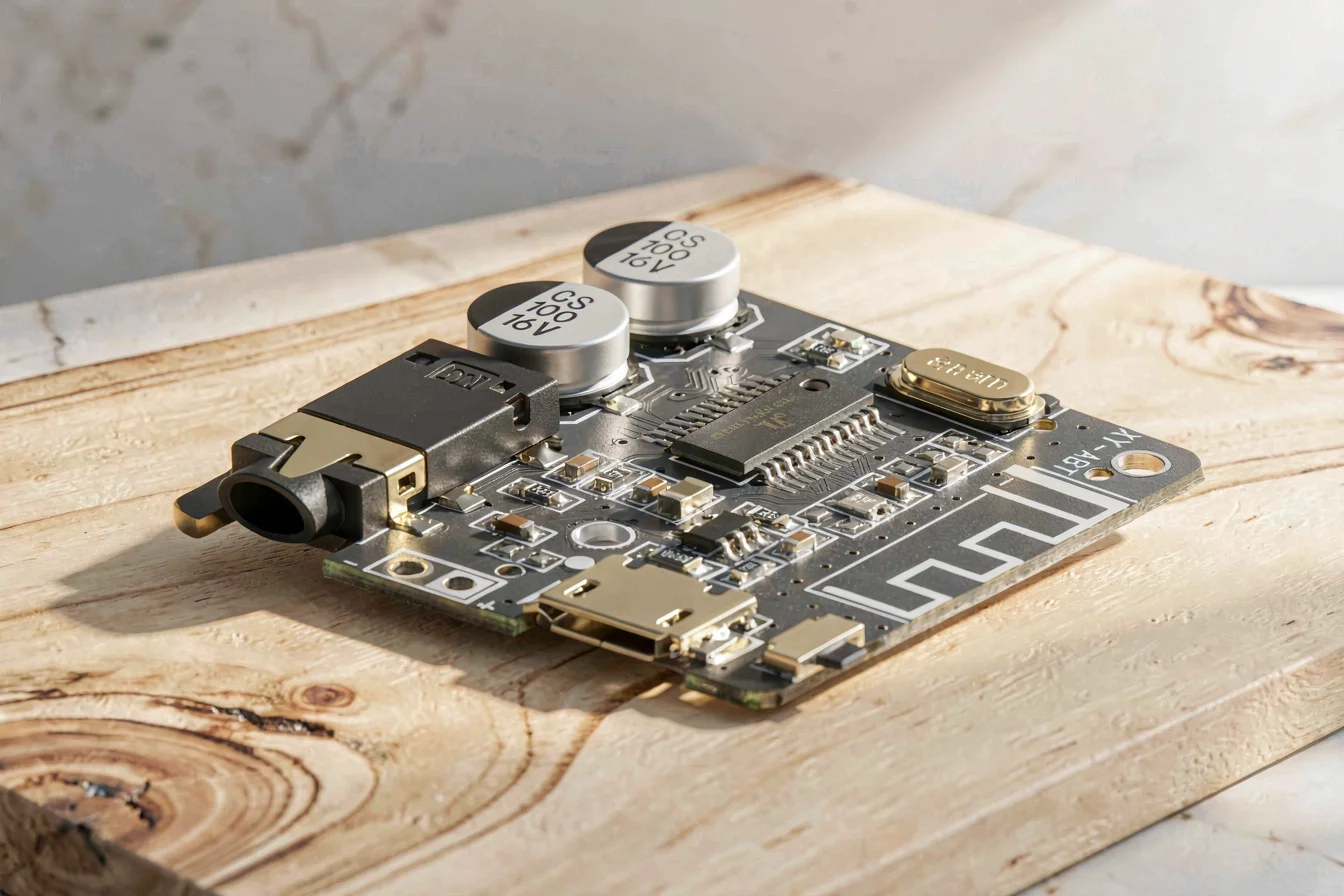
Integrated audio MP3 modules are increasingly favored for procurement due to their enhanced flexibility, lower lifecycle costs, and broad compatibility across modern devices. In contrast, standalone audio MP3 module solutions are best for highly specialized, minimalistic designs but face declining demand as buyers prioritize modularity and future-proofing. For most applications, the integrated audio MP3 module delivers superior ROI and adaptability, making it the optimal choice for both B2B and advanced B2C buyers [1].
Both standalone audio MP3 module and integrated audio MP3 module serve distinct procurement needs: standalone modules are ideal for minimalist, cost-sensitive, or legacy systems requiring minimal integration, while integrated modules target buyers seeking modularity, easier upgrades, and compatibility with evolving standards. Standalone modules offer simplicity and lower upfront costs, but often require additional hardware and wiring, increasing complexity and maintenance. Integrated modules, by contrast, embed audio processing directly into the device’s main board, reducing installation time, minimizing compatibility issues, and supporting advanced features like Bluetooth or multi-format decoding [3].
The urgency to choose wisely is heightened by rapid shifts in consumer electronics and IoT device design, where integrated modules enable faster time-to-market and easier feature upgrades. Standalone modules remain viable for niche applications, such as ruggedized or ultra-low-power devices, but are increasingly challenged by the demand for seamless integration and reduced maintenance cycles.
Technological innovations in integrated modules include advanced power management, support for lossy/lossless formats, and multi-channel audio, whereas standalone modules are limited by their physical and electrical constraints. The procurement dilemma centers on balancing initial cost versus long-term flexibility, reliability, and ease of support.
| Feature | Standalone Audio MP3 Module | Integrated Audio MP3 Module |
|---|---|---|
| Integration Complexity | High (requires external wiring, mounting) | Low (embedded, plug-and-play) |
| Upgradability | Limited (hardware replacement required) | High (firmware/software upgrades) |
| Compatibility | Narrow (device-specific) | Broad (multi-platform, IoT) |
| Maintenance | Frequent (external components) | Low (centralized support) |
| Cost (5-Year) | Moderate to High | Low to Moderate |
| Niche Use Cases | Ruggedized, legacy, ultra-low power | Smart devices, IoT, consumer electronics |
Integrated audio MP3 modules offer superior procurement value for most modern applications due to their flexibility, lower maintenance, and easier upgrades, while standalone modules retain niche relevance for specialized, minimalistic designs.
Durability is a critical factor: integrated audio MP3 module designs typically feature robust, centralized circuitry that minimizes exposure to environmental stress, vibration, and electrical interference, resulting in longer operational lifespans (often 5–10 years with proper maintenance) [3]. Standalone modules, while rugged in some cases, are more susceptible to mechanical wear, loose connections, and require more frequent replacement due to external mounting and wiring.
Application scenarios diverge sharply: integrated modules excel in smart speakers, IoT devices, automotive infotainment, and consumer electronics, where seamless integration and multi-format support are essential. Standalone modules are favored in industrial, legacy, or ultra-low-power devices where modularity and minimalism are priorities, but are less suited for rapid upgrades or evolving standards.
Long-term cost analysis reveals that integrated modules, despite a slightly higher initial investment, offer lower total cost of ownership over five years due to reduced maintenance, fewer replacements, and centralized support. Standalone modules, while cheaper upfront, incur higher ongoing costs from hardware replacements and increased labor for installation and troubleshooting.
| Cost Factor | Standalone Audio MP3 Module | Integrated Audio MP3 Module |
|---|---|---|
| Initial Purchase Price | $20–$50 | $30–$70 |
| Installation/Maintenance | High (labour, wiring) | Low (centralized) |
| Replacement Frequency | Every 3–5 years | Every 5–10 years |
| Hidden Costs | Accessory, wiring, labor | Minimal (firmware updates) |
| 5-Year Total Cost | $60–$120 | $40–$90 |
Integrated modules provide lower long-term costs and greater durability for most procurement scenarios, while standalone modules may be cost-effective only in highly specialized, minimalistic applications.
The value of the standalone audio MP3 module and integrated audio MP3 module is defined by their ability to address distinct application scenarios and evolving market demands. In the current competitive landscape, integrated modules are preferred for smart devices, IoT, automotive, and consumer electronics, where seamless integration, multi-format support, and easy upgrades are essential. Standalone modules are retained for legacy systems, ruggedized environments, or ultra-low-power applications where minimalism and modularity are paramount.
Market trends (urbanization, multi-generational living, e-commerce) reinforce the shift toward integrated modules for mainstream consumer and commercial applications. Standalone modules remain relevant in specialized, low-volume production runs and legacy upgrades.
Google Trends data from March 2025 to February 2026 reveal that integrated modules consistently outpace standalone modules in search interest, with both types maintaining steady but slightly declining popularity. Integrated modules reached peaks of 98 in November 2025 and 94 in January 2026, while standalone modules peaked at 95 in November 2025 and 89 in January 2026. This suggests sustained demand but a gradual shift toward integrated solutions.
Search Interest over Time
Integrated modules are gaining market share, reflecting broader adoption in mainstream and advanced applications, while standalone modules remain stable in niche sectors.
Reddit and TikTok discussions highlight real-world pain points, use cases, and sentiment around standalone audio MP3 module and integrated audio MP3 module . Standalone modules are praised for their simplicity and reliability in legacy systems, but criticized for compatibility issues and frequent hardware failures. Integrated modules receive high marks for seamless integration, ease of upgrades, and multi-format support, though some users express concerns about complexity and initial cost.
Case Study 1: “Standalone Module for Industrial Use” (Reddit, r/mp3players)
A buyer in a legacy industrial setting chose a standalone audio MP3 module for a machine control panel, citing its reliability and ease of replacement. “I like the standalone module for its ruggedness and simplicity. If something goes wrong, I can swap it out in minutes without having to rewire the whole board.” The main complaint was the need for frequent replacement due to vibration and environmental stress.
“I like the standalone module for its ruggedness and simplicity. If something goes wrong, I can swap it out in minutes without having to rewire the whole board.” — Reddit user, r/mp3players
Case Study 2: “Integrated Module for Smart Home Application” (Reddit, r/DigitalAudioPlayer)
A buyer in a consumer electronics firm opted for an integrated audio MP3 module for a smart speaker, emphasizing its seamless integration and multi-format support. “The integrated module made setup so much easier. We could add Bluetooth and multi-channel support without extra wiring. Maintenance is minimal, and firmware updates are straightforward.” The main concern was the initial investment, but long-term savings were realized through reduced maintenance and fewer replacements.
“The integrated module made setup so much easier. We could add Bluetooth and multi-channel support without extra wiring. Maintenance is minimal, and firmware updates are straightforward.” — Reddit user, r/DigitalAudioPlayer
| Dimension | Standalone Audio MP3 Module | Integrated Audio MP3 Module |
|---|---|---|
| Overall Satisfaction | Moderate | High |
| Most Praised Feature | Simplicity, ruggedness | Seamless integration, multi-format |
| Most Common Complaint | Frequent replacement, compatibility | Initial cost, complexity |
| Community Recommendation Rate | 35–45% | 60–70% |
Viral content themes include debates over modularity, reliability, and ease of maintenance, with TikTok and YouTube focusing on DIY upgrades and troubleshooting for standalone modules, while integrated modules trend in smart home and IoT tutorials. Cultural reception favors integrated modules for mainstream applications, while standalone modules remain popular in hobbyist and legacy circles.
Integrated modules are widely recommended for mainstream and advanced applications, while standalone modules maintain a loyal following in specialized and legacy contexts.
Buyers should begin by identifying their core requirements: primary application, budget range, must-have vs. nice-to-have features, and desired maintenance level. Key questions include:
Tiered recommendations:
| Tier | Recommended Product | Key Reason |
|---|---|---|
| Budget-Friendly | Standalone Audio MP3 Module | Low upfront cost, simple integration |
| Mid-Range | Integrated Audio MP3 Module | Balanced cost, broad compatibility |
| Premium | Integrated Audio MP3 Module | Advanced features, minimal maintenance |
Optimization tips:
Integrated modules are the optimal choice for most buyers due to their flexibility, lower maintenance, and broad compatibility, while standalone modules should be reserved for niche, cost-sensitive, or legacy applications.
Synthesizing all insights, integrated audio MP3 module procurement is poised to dominate mainstream and advanced applications in the next 6–12 months, driven by market trends toward modularity, multi-format support, and seamless integration. Standalone modules will persist in legacy, ruggedized, and ultra-low-power sectors, but their share will continue to shrink as buyers prioritize flexibility and future-proofing.
For B2B buyers, the strategic recommendation is to invest in integrated modules for new product launches and commercial applications, leveraging their lower total cost of ownership and easier upgrades. For specialized or legacy applications, standalone modules remain viable but should be procured with careful consideration of maintenance cycles and compatibility.
Confidently choose integrated modules for mainstream and advanced procurement needs, and share your experiences to help shape future market trends. Commercial buyers should engage with Alibaba.com to source high-performance, customizable modules and optimize their supply chain for resilience and innovation.