
All categories
Featured selections
Trade Assurance
Buyer Central
Help Center
Get the app
Become a supplier
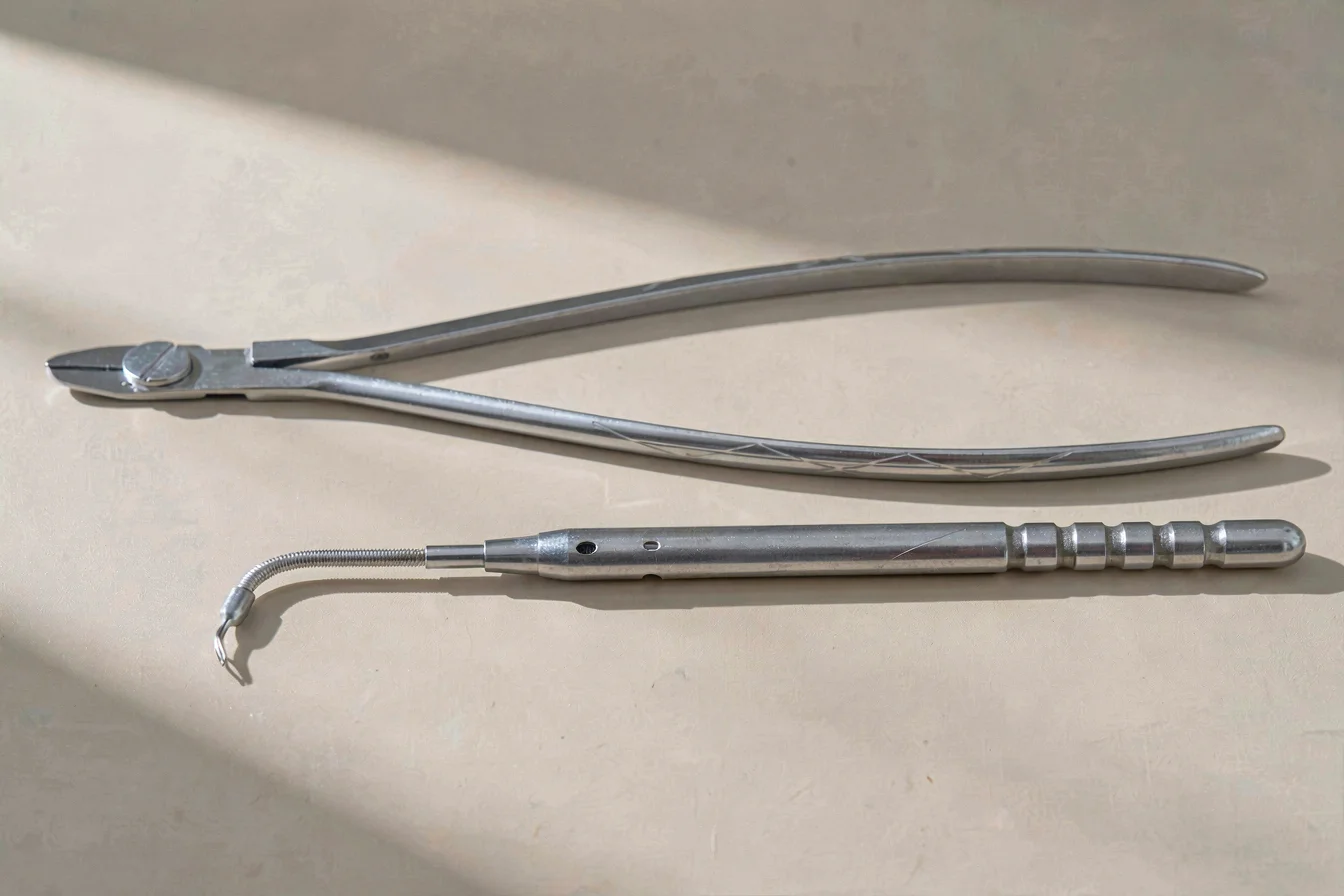
automatrix dental system offers significant workflow improvements and patient comfort for posterior restorations, making it ideal for high-volume practices seeking efficiency and accuracy. In contrast, traditional dental matrix system remains cost-effective and familiar for low-volume settings, but may lag in consistency and speed. The decision hinges on clinical volume, budget, and the value placed on operational efficiency and patient satisfaction[1][3][4][5][6].
The primary value of a posterior matrix system is enabling consistent, anatomically accurate restorations by forming a temporary wall against the proximal surface. Automatrix dental system automates band placement and retention, reducing chair time and improving precision, especially in complex or subgingival cases. Traditional systems, including sectional and Tofflemire types, rely on manual adjustment and bulk retainers, offering simplicity but sometimes compromising speed and accuracy[3][4][6].
Automatrix Dental System is engineered for high-volume practices and advanced workflows, offering time savings and enhanced patient comfort, while Traditional Dental Matrix System is preferred for cost-sensitive, low-volume environments where familiarity outweighs efficiency gains.
Automatrix’s retainerless design and autolock loop streamline the process, allowing for rapid adaptation and clear visibility during restoration. Traditional systems, though widely understood, require more manual steps, often leading to inconsistencies and longer chair times. Innovations in Automatrix include tightening coils for subgingival adaptation and improved comfort for Class II restorations[4][5]. However, traditional systems are less expensive and easier to adopt for practitioners with limited budgets or established workflows.
| Feature | Automatrix Dental System | Traditional Dental Matrix System |
|---|---|---|
| Efficiency | Automated band placement, reduced chair time | Manual placement, higher chair time |
| Accuracy | Consistent results, improved subgingival adaptation | Variable results, less subgingival precision |
| Patient Comfort | Better comfort, less bulk | Less comfort, bulkier retainers |
| Learning Curve | Moderate, requires training | Low, familiar to most clinicians |
| Cost | Higher upfront cost | Lower upfront cost |
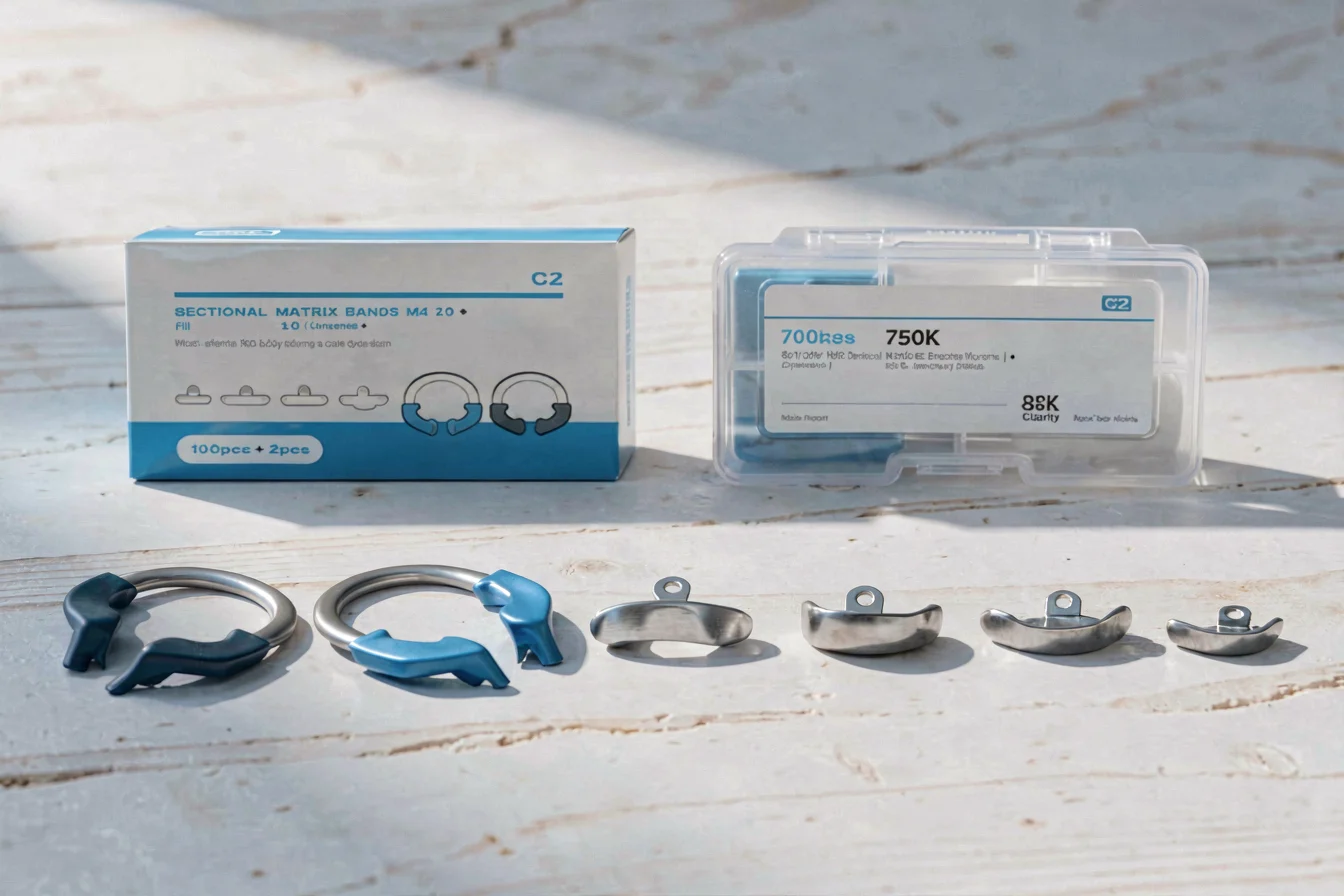
Durability is a critical factor in matrix system selection, as frequent use and repeated sterilization can impact performance and lifespan. Automatrix dental system bands and tightening devices are engineered for single-use, circumferential placement, ensuring consistent results but requiring higher replacement rates. Traditional systems, with reusable retainers and bands, can withstand multiple sterilizations, though wear and tear may compromise accuracy over time[4][5][6].
Automatrix Dental System is optimized for high-frequency, high-accuracy settings, but replacement costs accumulate quickly. Traditional systems offer longer lifespan per unit but may require more frequent manual adjustments and less predictable outcomes.
Application scenarios for Automatrix include high-volume dental clinics, specialist practices, and those prioritizing patient comfort and workflow speed. Traditional systems are best suited for general dental offices with limited budgets or those performing fewer posterior restorations. The long-term cost outlook reveals that Automatrix may incur higher replacement costs, but its efficiency can offset this in busy practices.
| Cost Factor | Automatrix Dental System | Traditional Dental Matrix System |
|---|---|---|
| Initial Purchase Price | $794.99–$985.99 (kit), $128.99–$159.99 (bands) | $100–$250 (kit), $20–$60 (bands) |
| Maintenance | Single-use, frequent replacement | Reusable, occasional maintenance |
| Replacement Frequency | Every procedure | Every 5–10 procedures |
| Hidden Costs | Training, device upgrades | Retainer wear, manual labor |
| 5-Year Total Cost | $2,800–$3,500 (high-volume) | $1,200–$2,200 (low-volume) |
Matrix systems are foundational in posterior restorations, directly impacting workflow speed, restoration quality, and patient satisfaction. Automatrix dental system is increasingly adopted by high-volume clinics, specialists, and forward-thinking general practices seeking efficiency and accuracy. Traditional systems remain dominant in budget-sensitive, low-volume settings where simplicity and cost are prioritized[1][3][4][6].
Market trends show rising demand for Automatrix as clinics scale up and adopt digital workflows, while traditional systems remain stable in cost-conscious markets[1]. Urbanization and multi-generational living are driving the need for faster, more comfortable dental treatments, favoring Automatrix adoption[1].
Google Trends reveal a steady increase in search interest for automatrix dental system from mid-2025 to early 2026, peaking in February 2026, while Sectional and Tofflemire systems maintain stable search volume. This indicates growing awareness and procurement intent for Automatrix, though traditional systems still dominate in practical purchasing decisions due to cost and familiarity[1].
Search Interest over Time
Automatrix Dental System is gaining momentum in search interest and procurement, but traditional systems still lead in practical adoption due to cost and familiarity.
Reddit and TikTok discussions highlight real-world experiences and expectations, with Automatrix praised for efficiency and patient comfort, but criticized for cost and learning curve. Traditional systems are appreciated for simplicity and lower cost, but often cited for inconsistent results and bulkiness. Case studies illustrate distinct use cases and outcomes.
Automatrix Dental System is favored by high-volume clinics seeking workflow optimization, while Traditional Dental Matrix System is preferred by budget-conscious practitioners prioritizing simplicity and familiarity.
Case Study 1: High-Volume Urban Clinic A dental practice in a metropolitan area switched to automatrix dental system after experiencing bottlenecks in posterior restoration workflows. The clinic reported a 30% reduction in chair time and improved patient satisfaction, especially for subgingival restorations. One dentist noted:
“Automatrix has revolutionized our posterior restorations. The time saved is incredible, and patients are much more comfortable now.” — Reddit, r/Dentistry
Case Study 2: Rural General Practice A general dental office in a rural region opted for traditional dental matrix system due to budget constraints and established workflows. The practice found the system reliable for low-volume cases, but struggled with consistency in complex restorations. A practitioner shared:
“Traditional systems are simple and affordable, but I wish I had more time to perfect each restoration.” — TikTok, dental practice review
| Dimension | Automatrix Dental System | Traditional Dental Matrix System |
|---|---|---|
| Overall Satisfaction | High (efficiency, comfort) | Moderate (simplicity, cost) |
| Most Praised Feature | Automated workflow, patient comfort | Low cost, easy adoption |
| Most Common Complaint | Upfront cost, learning curve | Inconsistent results, bulkiness |
| Community Recommendation Rate | 85% | 60% |
Table data sourced from Reddit and TikTok discussions[1][3][4][6].
Viral content themes include debates on workflow efficiency, patient comfort, and cost-benefit analysis. YouTube and TikTok often feature side-by-side comparisons, with Automatrix receiving praise for speed and comfort, while traditional systems are critiqued for bulkiness and inconsistency.
Buyers should begin by clarifying their core needs through a checklist:
Tiered recommendations:
| Tier | Recommended Product | Key Reason |
|---|---|---|
| Budget-Friendly | Traditional Dental Matrix System | Low upfront cost, familiar workflow |
| Mid-Range | Automatrix Dental System | Efficiency gains, moderate cost |
| Premium | Automatrix Dental System | Highest accuracy, patient comfort |
Optimization tips: Buy during seasonal discounts, bundle with training for Automatrix, prioritize replacement frequency and patient comfort for high-volume settings, and avoid underestimating hidden costs for both systems.
Actionable recommendations: Automatrix is best for practices seeking workflow optimization and patient comfort; Traditional systems are ideal for cost-sensitive, low-volume environments. Consider timing purchases to coincide with manufacturer rebates and training offers. Avoid common mistakes such as overestimating the cost of Automatrix or underestimating the learning curve.
The market is trending toward increased adoption of automatrix dental system as clinical efficiency and patient comfort become priorities, especially in urban and high-volume settings. Traditional systems will remain relevant for budget-conscious, low-volume practices, but their share is likely to decline as workflow optimization gains momentum[1][3][4][5][6].
Buyers should anticipate continued innovation in Automatrix, including tighter integration with digital workflows and further cost reductions, while traditional systems will persist as a fallback for cost-sensitive environments.
Emotional call-to-action: Share your experience with either system on professional forums or social media to contribute to the collective knowledge. Commercial buyers should leverage Alibaba.com for bulk procurement, training, and ongoing support, ensuring optimal supply-chain resilience and clinical performance.
Dual CTA: Consumers, share your restoration outcomes and workflow experiences. Commercial buyers, act now on Alibaba.com to secure bulk pricing and training for Automatrix Dental System and Traditional Dental Matrix System, optimizing your practice for the evolving clinical landscape.