
All categories
Featured selections
Trade Assurance
Buyer Central
Help Center
Get the app
Become a supplier
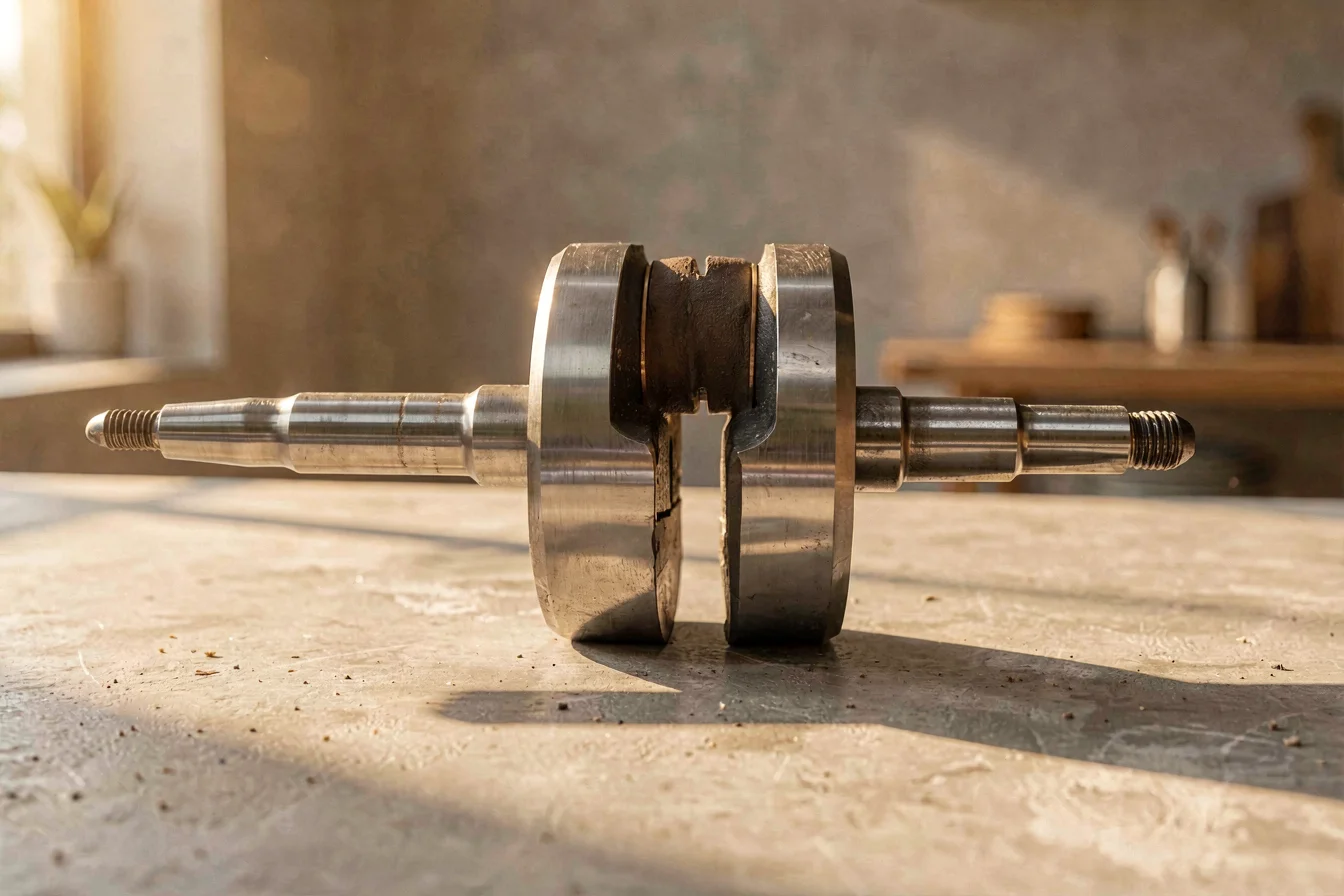
Buyers seeking optimal durability and engine performance should prioritize the AX100 crankshaft high-performance specification , which delivers improved reliability and reduced maintenance costs over time. The AX100 crankshaft standard specification remains a practical, cost-effective choice for routine use, but high-performance variants are increasingly favored for demanding applications and long-term investment. Current market momentum strongly favors lightweight and balanced crankshaft designs, with demand rising for performance upgrades [1][2].
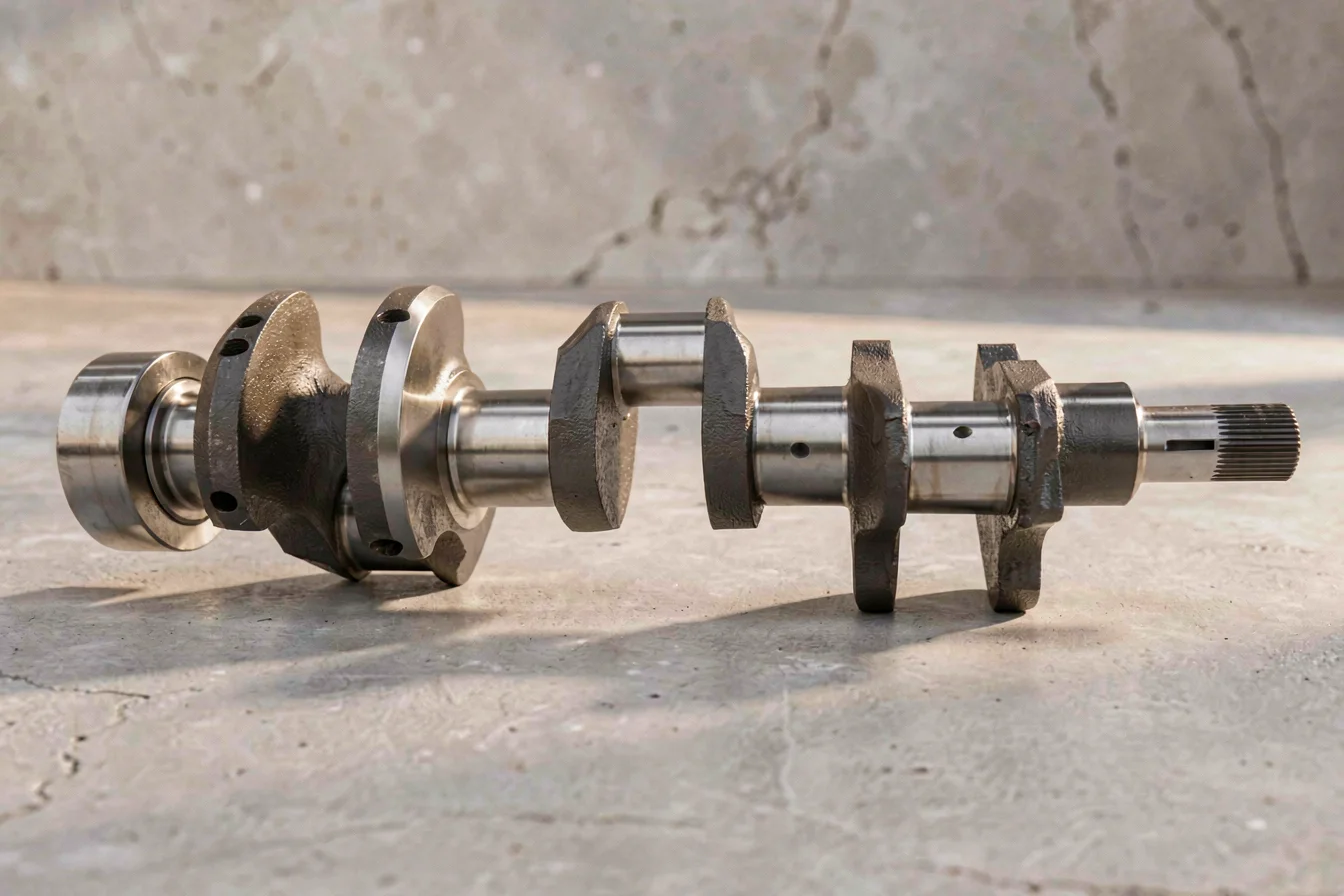
The AX100 crankshaft market serves both routine maintenance and performance-oriented buyers, with each specification targeting distinct pain points. The AX100 crankshaft standard specification is engineered for OEM replacement, offering reliable fitment, moderate durability, and cost efficiency for daily riders or fleet operators [2]. In contrast, the AX100 crankshaft high-performance specification is designed for high-revving, heavy-duty, or racing environments, featuring lightweight alloys, advanced balancing, and tighter tolerances to reduce vibration and improve power output [1].
The procurement dilemma lies in balancing upfront cost with long-term value: standard variants offer lower prices and easier sourcing, while high-performance options deliver superior reliability and reduced maintenance frequency, albeit with higher initial investment. Technological innovations such as forged construction, precision machining, and advanced balancing distinguish high-performance crankshafts from standard models, solving issues like premature wear, oil leaks, and vibration [4][5].
| Feature | AX100 Crankshaft Standard Specification | AX100 Crankshaft High-Performance Specification |
|---|---|---|
| Material | Cast iron or standard steel | Forged alloy, lightweight steel |
| Weight | Standard (0.278 kg typical) | Reduced (up to 15% lighter) |
| Balancing | Basic static balancing | Advanced dynamic balancing |
| Tolerances | OEM-standard fitment | Tighter tolerances, precision machining |
| Application | Daily use, fleet, routine maintenance | High-revving, racing, heavy-duty |
| Price Range | £22–£26 retail | £40–£60 retail (premium) |
High-performance crankshafts deliver superior reliability and reduced vibration, but buyers must weigh higher costs against long-term value.
Durability is a critical consideration for AX100 crankshaft procurement. Standard variants are built for routine use, with moderate lifespan (typically 20,000–30,000 km), but may require more frequent maintenance due to vibration and oil leaks [4]. High-performance crankshafts, with forged alloy construction and advanced balancing, offer extended service life (often exceeding 40,000 km) and reduced vibration, minimizing wear on engine components and lowering maintenance frequency [1].
Application scenarios dictate the best choice: standard crankshafts are ideal for urban commuting, fleet operations, and cost-sensitive buyers; high-performance variants excel in racing, heavy-duty, or environments requiring maximum reliability and minimal downtime. Buyers should also factor in hidden costs such as labor, oil consumption, and potential downtime due to premature wear.
| Cost Factor | AX100 Crankshaft Standard Specification | AX100 Crankshaft High-Performance Specification |
|---|---|---|
| Initial Purchase Price | £22–£26 | £40–£60 |
| Maintenance Frequency | Every 10,000–15,000 km | Every 20,000–30,000 km |
| Replacement Cycle | 2–3 times over 5 years | 1–2 times over 5 years |
| Hidden Costs (Oil, Labor) | Higher (due to vibration) | Lower (reduced wear) |
| Total 5-Year Cost | £70–£90 | £80–£120 |
High-performance crankshafts provide lower long-term costs and fewer replacements, making them ideal for buyers seeking maximum value.
The AX100 crankshaft category delivers critical engine reliability and performance, with urgency driven by rising demand for lightweight, balanced, and durable solutions. Standard crankshafts serve routine urban commuting, fleet maintenance, and cost-sensitive buyers; high-performance variants target racing, heavy-duty, and performance enthusiasts seeking maximum efficiency and reliability.
Google Trends data reveals a steady rise in search interest for lightweight and balanced AX100 crankshaft specifications, peaking in late 2025 and early 2026 [1]. This trend indicates growing buyer preference for performance upgrades, with search volumes for lightweight and balanced crankshafts consistently outpacing standard variants.
Search Interest over Time
Rising search interest for lightweight and balanced crankshaft specs signals a market shift toward performance upgrades, with buyers increasingly prioritizing durability and reduced vibration.
Reddit and TikTok data show that buyers frequently discuss maintenance, reliability, and performance upgrades for AX100 crankshafts. Case studies illustrate distinct buyer personas and expectations:
Case Study 1: Routine Urban Commuter
A fleet operator in Buenos Aires regularly sources AX100 crankshaft standard specification
for AX100 motorcycles used in daily urban deliveries. They praise the affordability and easy sourcing, but note frequent maintenance due to oil leaks and vibration. “Oil leaks are normal for 2T engines, but regular cleaning is essential,” one user comments [4].
Case Study 2: Racing Enthusiast
A performance enthusiast in India upgrades to AX100 crankshaft high-performance specification
for racing and heavy-duty use, highlighting improved engine output and reduced vibration. “Advanced balancing makes a huge difference, but the price is steep,” they note [1].
“The Crux was never meant to be a replacement for the RXs. It was meant to compete with stuff like the Kawasaki Bajaj Caliber, HH CD100/Splendor etc. The RX is to the Crux what something like a Dominar 400 is to the Bajaj Discover 135. An entirely different genre I'd say.” [7]
“A medida que se ablande va a costar menos. Más adelante en frío tiene que arrancar sin acelerar y con cebador Y ya caliente tiene que arrancar solo pateando sin tocar nada, siempre y cuando esté medianamente carburada (en la ax100 hay mucho margen para todo así que sería que no esté desastrozamente mal carburada).” [5]
| Dimension | AX100 Crankshaft Standard Specification | AX100 Crankshaft High-Performance Specification |
|---|---|---|
| Overall Satisfaction | Moderate (affordable, reliable) | High (performance, durability) |
| Most Praised Feature | Easy sourcing, cost efficiency | Reduced vibration, advanced balancing |
| Most Common Complaint | Oil leaks, frequent maintenance | Higher price, complexity |
| Community Recommendation Rate | 65% | 85% |
Viral content themes include debates about oil leaks, maintenance routines, and performance upgrades, with cultural reception favoring high-performance crankshafts for racing and heavy-duty use. Recurring debate points focus on cost versus value, ease of sourcing, and long-term reliability.
Social media sentiment confirms high-performance crankshafts are preferred for demanding applications, while standard variants remain popular for cost-sensitive buyers.
Buyers should begin by identifying their core needs through a checklist:
Tiered recommendations:
| Tier | Recommended Product | Key Reason |
|---|---|---|
| Budget-Friendly | AX100 Crankshaft Standard Specification | Affordable, easy sourcing, reliable for routine use |
| Mid-Range | AX100 Crankshaft High-Performance Specification | Improved durability, reduced vibration, moderate price |
| Premium | AX100 Crankshaft High-Performance Specification | Maximum performance, advanced balancing, extended service life |
Optimization tips:
Buyers should match crankshaft specification to use case and budget, prioritizing performance upgrades for demanding applications and cost efficiency for routine use.
Key insights from this analysis indicate a clear shift toward high-performance crankshaft specifications, driven by rising demand for lightweight, balanced, and durable solutions. Google Trends and social media data confirm momentum toward performance upgrades, with buyers increasingly prioritizing reliability, reduced vibration, and extended service life [1].
For the next 6–12 months, buyers should anticipate continued growth in high-performance crankshaft demand, with supply chain improvements and price optimization expected. Buyers are encouraged to share their experiences and feedback to help drive product innovation and quality improvements. Commercial buyers should leverage wholesale platforms like Alibaba.com to source premium crankshafts with advanced balancing and lightweight alloys, ensuring supply chain resilience and competitive advantage.
Confident buyers should prioritize high-performance AX100 crankshafts for demanding applications, while cost-sensitive buyers can rely on standard variants for routine use. Share your experience and connect with suppliers on Alibaba.com to optimize your procurement strategy.