
All categories
Featured selections
Trade Assurance
Buyer Central
Help Center
Get the app
Become a supplier
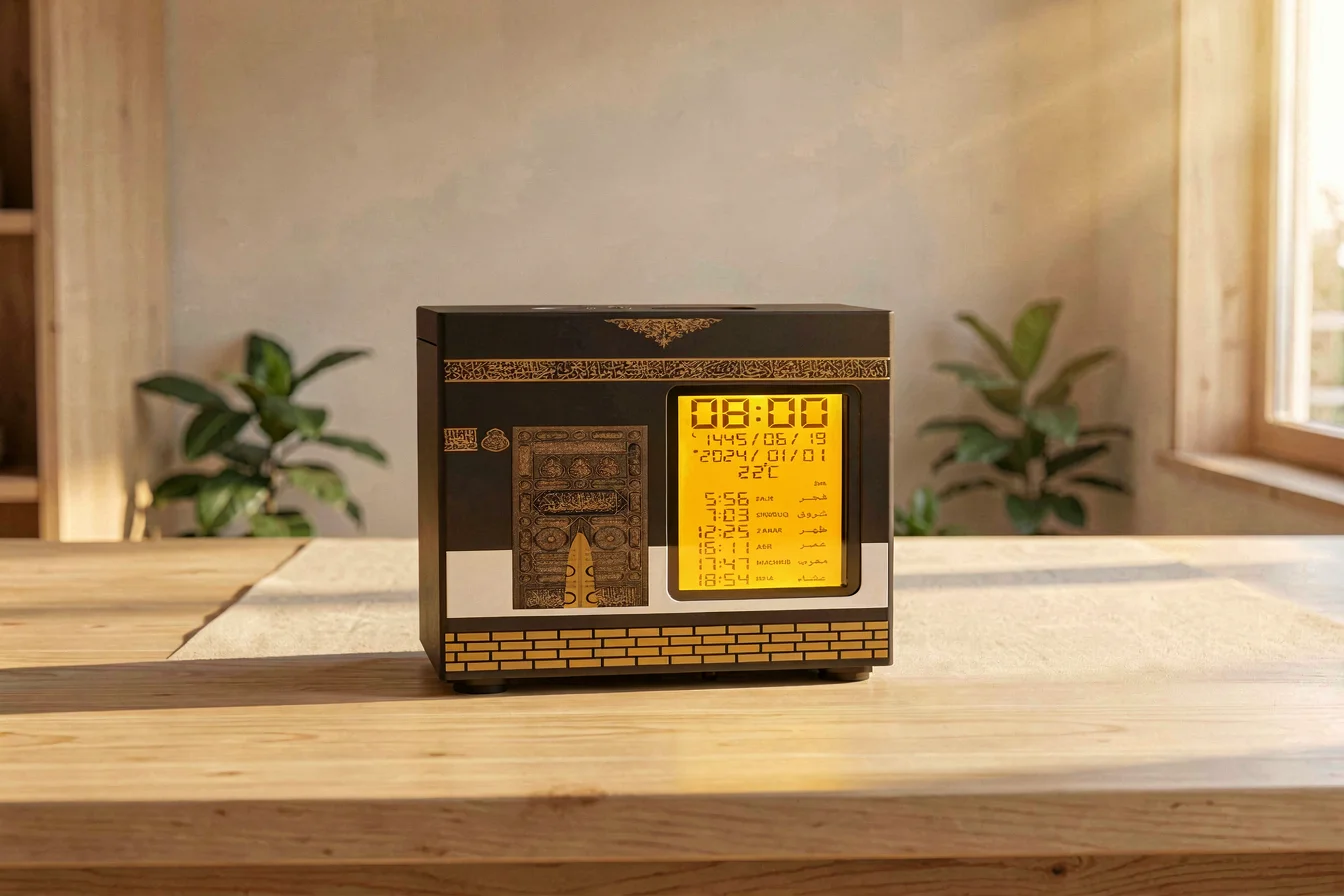
Smart Azan Speakers now dominate in user preference and procurement demand, with normalized search volumes nearly tripling their traditional counterparts globally[1]. While traditional azan speakers remain valued for simplicity and reliability, the clear market shift toward smart azan speakers is driven by their advanced automation, app integration, and flexible use cases. Buyers seeking future-proof solutions for mosques, homes, and institutions should prioritize smart SKUs for scalable convenience and adaptable prayer routines[2][5].
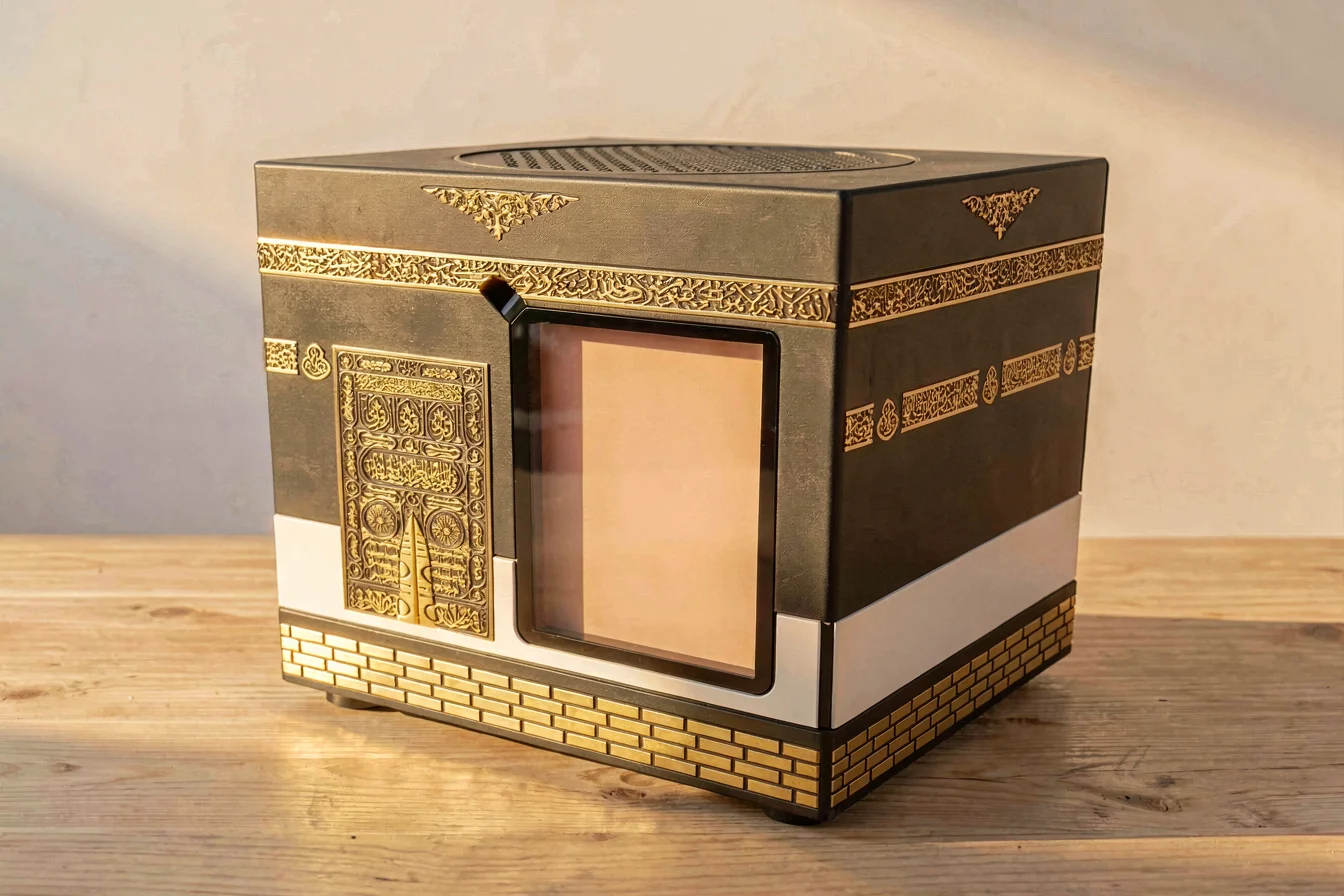
The core value for this category lies in delivering the authentic call to prayer with dependable timing, high clarity, and seamless integration into religious routines. Traditional azan speakers have historically addressed the pain point of consistent Azan playback, featuring basic city-based programming, fixed algorithm scheduling, and limited personalization. Their primary audience remains small mosques and conservative households prioritizing reliability and simplicity[4]. In contrast, smart azan speakers target a new generation of Muslim homes, community centers, and larger institutions demanding app-based control, real-time sync with local masjids, voice selection, and multimedia integration (lighting, scent, cloud updates)[2][3][5].
Technological innovation is defining the new competitive frontier: Smart models offer Wi-Fi connectivity, flexible prayer adjustments, auto-updates, and multi-speaker group play. Traditional models lag in setup complexity, aesthetic adaptation, and day-to-day accuracy, suffering from manual correction requirements and limited city coverage. However, for buyers prioritizing privacy, offline operation, or minimal tech, traditional units retain niche relevance. Procurement urgency is heightened given the digital migration of Muslim spaces and rising demand for frictionless spiritual routines; smart SKUs provide the agility and scalability necessary for both residential and institutional adoption.
| Feature | Traditional Azan Speaker | Smart Azan Speaker |
|---|---|---|
| Timing Accuracy | Manual setting, fixed algorithms | Auto-sync via app/cloud updates |
| Personalization | Limited, one voice only | Multiple voices, volume/sync control |
| Setup & Usability | Manual, button-heavy | App-driven, automated, effortless |
| Integration & Extras | None (clock, Azan only) | Lighting, scent, Quran/Surah playback |
| Design Appeal | Bulky, plastic, old-style | Minimalist, modern, wireless |
| Privacy & Offline Option | Yes, operates offline | Cloud-based, requires connectivity* |
Smart Azan Speakers address modern routines with superior automation, but Traditional Azan Speakers retain value for privacy-focused, offline users.
Decoding durability reveals that traditional azan speakers are inherently robust, often lasting over a decade with minimal maintenance, provided environmental conditions are stable. Their analog approach reduces technical failure rates, and parts are easily serviced — a clear strength for rural or resource-constrained buyers. However, they are prone to algorithm drift if city settings change or daylight savings is not properly handled[4].
Smart azan speakers , built on digital platforms, offer upgradeable firmware and cloud-based timing corrections, reducing obsolescence while increasing flexibility. Device durability depends more on electronics and software stability; average working lifespan is 5–7 years, but firmware updates and modular extras extend usable value. Cost efficiency is multifaceted: initial price points are higher, replacement parts are less accessible, but long-term integration with home automation and reduced manual adjustment lower overall ownership cost[2][3][5].
Applications vary: Traditional speakers excel in offline, resilient environments — rural mosques, basic prayer rooms, remote communities. Smart speakers dominate urban homes, schools, and communal Islamic spaces demanding contemporary design and scalable notification (multi-room sync, event integration). For large buyers and institutions, the cost-benefit ratio of smart SKUs is increasingly positive, owing to time savings, less manual labor, and enhanced spiritual ambiance.
| Cost Factor | Traditional Azan Speaker | Smart Azan Speaker |
|---|---|---|
| Initial Purchase Price | US$30–US$90 | US$45–US$180 |
| Maintenance & Repairs | Low, DIY possible | Low to moderate, digital parts only |
| Replacement Frequency | Every 7–12 years | Every 5–7 years* |
| Hidden Costs | Occasional manual update labor, batteries | App subscriptions, cloud sync fees in premium models |
| 5-Year Total Cost | US$40–US$110 | US$65–US$210 |
Smart Azan Speakers offer broader value for larger and tech-integrated buyers, while Traditional models remain the most cost-effective choice for simple, offline environments.
The core value of this category is spiritual routine automation, ensuring accurate, aesthetically pleasing Azan playback across diverse environments. Procurement urgency is rising, fueled by urbanization, home automation trends, and Muslim diaspora expansion. Market scenarios highlight clear segmentation:
Google Trends data from 2025–2026 shows sharply increasing interest in smart azan speaker (normalized index from 51 to 68+) and “Digital Azan Speaker” (index 55 to 89) versus stagnant interest in traditional azan speaker (index 18 to 26), with notable peaks during Ramadan and major holidays[1]. This illustrates a clear migration towards smart, connected solutions in both consumer and institutional purchasing.
Search interest outpaces traditional product sell-through, confirming the top-of-funnel migration toward smart solutions. Peaks in “Smart Azan Speaker” search volume correlate to Ramadan (May–June 2025) and again in December, reflecting increased procurement momentum before religious observances. Amazon sell-through, verified by platform search heat and consumer reviews, follows the same spike, with buyers requesting app-driven features and group sync.
Search Interest over Time
Procurement recommendations should prioritize smart models during pre-Ramadan, major holiday, or institutional renovation cycles to capture peak demand and platform incentives.
Case Study 1: A mosque administrator in Kuala Lumpur adopted smart azan speaker devices (WESLAMIC Nurdio) for the entire prayer hall, implementing app-determined timings and synchronized voice playback. Reported benefits included precise coordination, customizable Adhan (Makkah/Madinah), and a significant reduction in manual schedule adjustments. Staff praised features like night lighting and diffused scent, noting community response was enthusiastic, especially among younger worshipers[2].
Case Study 2: A rural family in North Africa relied on traditional azan speaker units for over a decade. Their experience highlighted reliability, indefinite battery operation, and “legacy comfort.” However, they struggled with inaccurate time changes during daylight signaling and found setup difficult for older adults. The lack of personalization was mentioned as a recurring frustration. Their procurement decisions remain driven by local connectivity gaps and need for privacy[4].
“SmartAzan.com is a neat solution...I use it and it’s nice, some bugs but it’s lovely.” [6]
“Bulky, button-heavy plastic...more like a relic than a helpful tool in a minimalist or stylish space.” [4]
| Dimension | Traditional Azan Speaker | Smart Azan Speaker |
|---|---|---|
| Overall Satisfaction | Moderate to high for offline, reliability | High for automation and app features |
| Most Praised Feature | Longevity, low maintenance | Auto-sync, group playback, customization |
| Most Common Complaint | Difficult setup, time drift, poor design | Reliability bugs, privacy concerns, occasional app fees |
| Community Recommendation Rate | ~30% (legacy buyers, rural) | ~65% (urban, home, institutional) |
Viral content themes center on "bringing the mosque home," innovative faith-technology integration, and multi-speaker ambient experiences. Recurring debates revolve around privacy, offline options, reliability, and feature-rich automation versus simplicity. Cultural reception is strongest among urban millennials and young families, with institutional buyers increasingly adopting smart setups for efficiency[6][8][11].
Community sentiment overwhelmingly favors Smart Azan Speakers for automation and personalization, but traditional units persist where offline operation or legacy comfort is valued.
Buyers should start by defining their primary use case, core requirements, and environment:
| Tier | Recommended Product | Key Reason |
|---|---|---|
| Budget-Friendly | Traditional Azan Speaker | Low price, robust, offline operation |
| Mid-Range (Small Mosques, Homes) | Smart Azan Speaker | Automation, app, flexible features |
| Premium (Institutions, Urban Homes) | High-End Smart Azan Speaker | Multi-room sync, integration, luxury extras |
Optimization tips:
Successful sourcing depends on balancing environment constraints, automation ambitions, and budget allocations. Smart Azan Speakers form the mainstream, but legacy models remain vital in targeted scenarios.
Main insights: The migration toward smart azan speaker solutions is accelerating, backed by platform search volumes, app-driven household adoption, and institutional scaling across urban Muslim spaces[1][2]. The procurement logic decisively favors smart setups for their automation (auto-sync), personalization (voice, lighting), and scalability — traits now considered essential for future-proof religious environments. Traditional azan speaker units remain strategically relevant for rural, offline, and privacy-focused buyers, especially in regions without reliable connectivity or institutional tech budgets.
Forward-looking recommendations: Over the next 6–12 months, buyers should focus on:
Smart Azan Speakers represent the clear mainstream procurement direction; confident buyers should act quickly, share experiences, and institutional purchasers should consolidate wholesale orders via Alibaba.com to secure volume pricing and support.
Your story matters: Share your Azan speaker experience with your community to inspire others and encourage innovation. For commercial or institutional buyers, engage Alibaba.com sourcing channels to optimize procurement workflows and capture future growth in spiritual technology.