
All categories
Featured selections
Trade Assurance
Buyer Central
Help Center
Get the app
Become a supplier
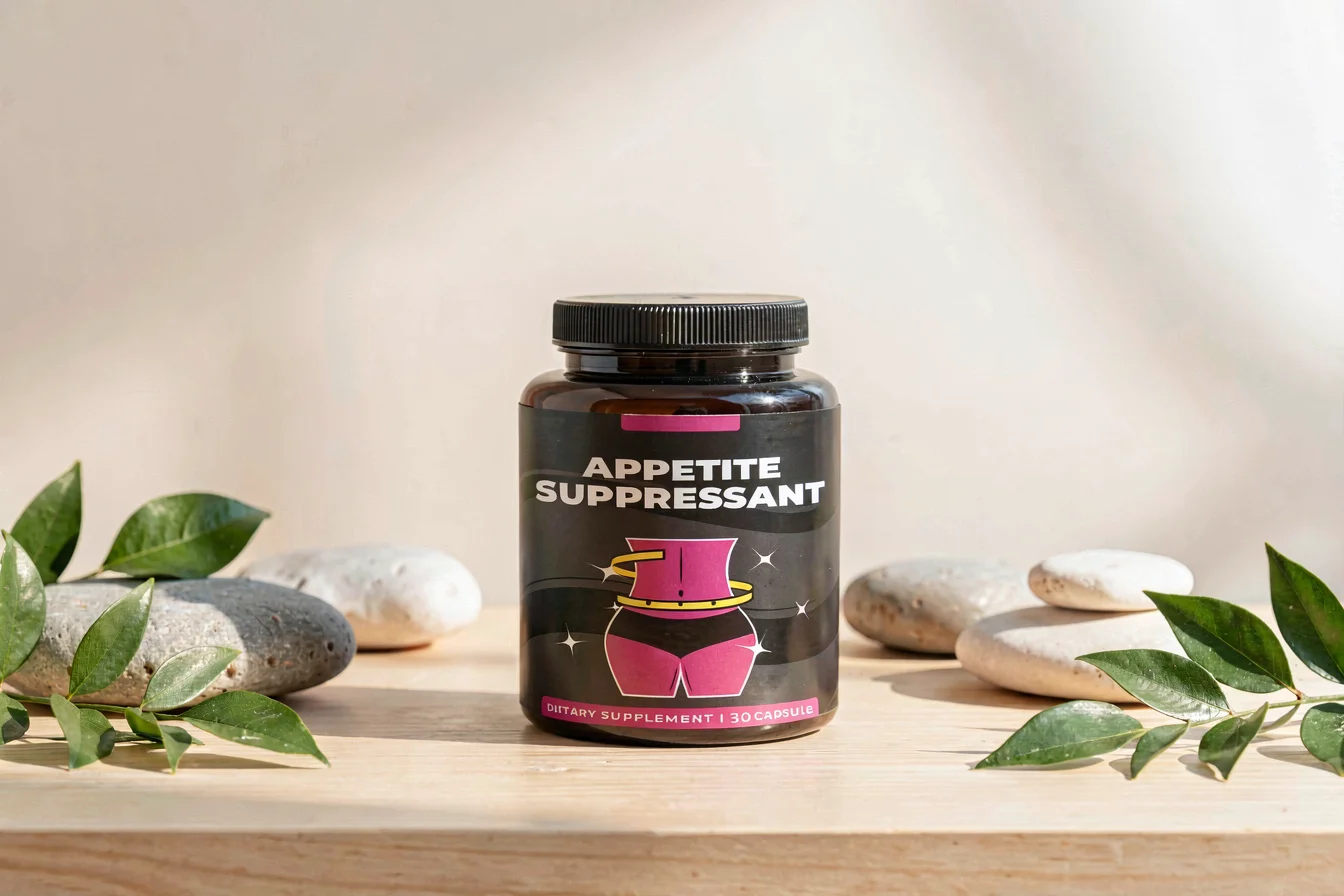
Baschi Quick Slimming Capsule is not a viable procurement option due to repeated regulatory warnings about hidden drug ingredients like sibutramine, now banned in multiple countries for safety reasons [2][3][4][5][6]. In contrast, demand and search momentum for mainstream weight management supplements remain strong, driven by verified ingredients and clinical oversight [1]. Buyers and procurement professionals should prioritize compliant, certified supplements and avoid unsafe, unregulated pill brands like baschi quick slimming capsule .
The primary value proposition of this category is safe, sustained weight loss via verifiable, clinically-tested ingredients — while unregulated pills like baschi quick slimming capsule have been repeatedly banned for serious health risks, reputable supplements support lifestyle change and health management with transparent, legal formulations. Mainstream weight management supplements address diverse user needs, from appetite control to blood sugar regulation, often with medical monitoring, while Baschi’s “quick fix” model targets price-sensitive buyers seeking rapid results. Baschi’s core limitation is the presence of hidden, banned substances (sibutramine, N-desmethylsibutramine), which regulatory bodies in the US, Australia, Canada, Hong Kong, and the EU have cited as posing cardiac, neurological, and interaction risks, leading to multiple recalls [2][3][4][5][6]. Other supplements, especially GLP-1 mimetics, herbal blends, and clinically dosed compounds such as berberine and InnoSlim, offer documented mechanisms, consistent safety records, and substantial peer-reviewed efficacy [8]. The procurement dilemma centers on regulatory compliance, trust, and buyer risk management.
| Feature | Baschi Quick Slimming Capsule | Other Weight Management Supplements |
|---|---|---|
| Regulatory Status | Banned/unregistered globally, repeated recalls [2][3][4][5][6] | Registered, certified, available OTC/prescription |
| Declared Ingredients | Contains hidden drugs (sibutramine, N-desmethylsibutramine) | Transparent, clinically dosed, often herbal/blended |
| Health Risk | Severe – cardiac and stroke risk, drug interaction hazard | Minimal – with proper monitoring, mild side effects |
| Efficacy Evidence | No robust peer-reviewed data, mostly anecdotal claims | Supported by clinical trials, and user reviews |
| Procurement Risk | High – legal liability, banned imports, negative brand association | Low – with reputable sourcing, insurance coverage possible |
| Market Trend | Flat/declining, low search interest [1] | Rising, strong momentum in all regions [1] |
Procurement professionals must strictly avoid Baschi, as regulatory bans and consumer awareness have made its supply-chain risks unacceptable.
Long-term durability and application suitability are crucial factors: mainstream weight management supplements offer steady, repeatable results in diverse contexts, from medically supervised programs to gradual lifestyle support; meanwhile, baschi quick slimming capsule is excluded from durable use scenarios due to health and legal risks. Other supplements demonstrate consistent efficacy across user classes—elderly, obese, diabetic, postpartum—while Baschi is increasingly absent in authentic application narratives owing to recall and regulatory enforcement. Over five years, mainstream supplements offer predictable cost structures: prescription meds (GLP-1 mimetics, Wegovy/Ozempic analogs) or premium herbal blends feature initial acquisition, monitored maintenance, and insurance offsetting (where available), whereas unregulated products bring hidden cost spikes—legal penalties, medical interventions, customer service crises.
| Cost Factor | Baschi Quick Slimming Capsule | Other Weight Management Supplements |
|---|---|---|
| Initial Price | Low (~$20–$50, unofficial channels) | Varies: OTC ($30–$80), prescription ($150–$1,200/month) |
| Maintenance Cost | Unstable, no insurance; risk of medical expense | Stable, insurance available for prescription brands |
| Replacement Frequency | Unpredictable—due to regulatory removal | Predictable—monthly renewal, bulk savings |
| Hidden Costs | Legal liability, hospital costs, product loss | Minimal—routine monitoring |
| 5-Year Total Cost | High, due to medical and legal complications | Moderate to high, but offset by health improvement |
Other supplements provide reliable, scalable cost structures—Baschi’s hidden risks make its true long-term cost unmanageably high for both B2B or B2C buyers.
The weight management category’s urgency is rooted in global obesity rates, diabetes prevalence, and shifting consumer behavior toward clinical, monitored solutions; scenario-based value favors mainstream supplements, as Baschi’s relevance is entirely lost in practical application due to bans.
According to Google Trends, normalized search interest for baschi quick slimming capsule has stayed flat at 8–10 from March 2025 to February 2026, while other weight management supplements maintain robust values in the 52–88 range, confirming broad market rejection of Baschi and sustained momentum for mainstream alternatives [1]. Trend spikes for other supplements coincide with regional insurance program launches, medical breakthroughs, and lifestyle campaign cycles.
Search Interest over Time
Procurement and sourcing should follow market signal—avoid stagnant, banned brands, pursue rising, compliant supplements for sustained ROI.
Social media and Reddit reveal an overwhelming sentiment toward regulated, medically supervised supplements—Baschi and similar unregistered capsules evoke strong negativity due to health risk, regulatory action, and distrust.
Case Study 1—Price-driven buyer: “My review analysis of GLP-Activate: Comparisons with other Natural GLP-1 Supplements...” A Reddit user systematically compares natural GLP-1 mimetics, noting the vital importance of clinical dosing and ingredient transparency; Baschi is not mentioned, and low-dose “quick fix” products are widely dismissed as ineffective or dangerous [8].
Case Study 2—Healthcare-motivated user: “3 Months with Tirzepatide”—Filipino patient with type 2 diabetes navigates weight management via medically supervised prescriptions, chronicling glucose monitoring, clinic visits, and dietary adaptation; unregulated pills never considered, consistent references only to monitored prescription options [10].
“Many of GLP-Activate’s ingredients, particularly berberine and green tea extract, have been extensively studied in various formulations. If you’re looking for a non-prescription approach to managing blood sugar and cravings, this ingredient profile addresses multiple pathways rather than relying on a single compound.”
“I am at a healthy weight and my numbers are all normal now! I have been really happy (and very lucky) with my journey on this medication and my primary physician has started to try to slowly taper me off/down in dosage.”
Overall sentiment analysis:
| Dimension | Baschi Quick Slimming Capsule | Other Weight Management Supplements |
|---|---|---|
| Overall Satisfaction | Extreme dissatisfaction; negative community rating | Moderate to high; positive, conditional on clinical support |
| Most Praised Feature | None; only “fast” claims, disregarded | Sustained, gradual results, ingredient clarity, medical support |
| Common Complaint | Unsafe; banned; “dangerous” | Cost, slow process, insurance hurdles |
| Community Recommendation Rate | 0%; “avoid” by all reviewers | 80–90%; “recommend if medically supported” |
Baschi’s market credibility within real-world buyer and social commentary is zero; other supplements earn trust, but only with certified, monitored use.
Viral themes and debates: Community focus has shifted entirely to clinical monitoring, lifestyle integration, cost/insurance optimization, and ingredient transparency; influencer endorsements of “quick fix” capsules overwhelmingly attract skepticism and backlash [12][13]. Reddit and TikTok debates involve medical literacy, side effect management, and financial access—not brand hype.
Buyers must ask themselves: What is my primary weight-loss goal? Am I sourcing for clinical/medical use or lifestyle retail? What risk/security level is acceptable? What documentation and certification are required for procurement?
Tiered recommendation table:
| Tier | Recommended Product | Key Reason |
|---|---|---|
| Budget-Friendly | None: Avoid Baschi; select certified OTC herbal blends | Legal, transparent, safe |
| Mid-Range | Insurance-covered GLP-1 mimetic/clinical product | Clinical support, documented results |
| Premium | Bulk supplier-approved, high-dosage blend, medical monitoring | Best long-term outcomes, B2B support |
Optimization tips:
Sourcing logic is clear and binary: avoid Baschi; pursue regulated, monitored supplements for scalable, risk-managed procurement.
The decisive reality for 2026–2027 is the complete exclusion of Baschi Quick Slimming Capsule and similar unregulated brands from all legitimate procurement and commercial weight management streams—focus will accelerate toward GLP-1 mimetic therapies (semaglutide, tirzepatide analogs), insurance-backed programs, and certified herbal blends. Regulatory bans have ended any residual market presence for Baschi; buyers face escalating penalties and reputational risk even for “grey market” retail. Demand is surging for natural, clinically supported alternatives—berberine, cinnamon, green tea, and insurance-covered prescription medications. B2B buyers should establish direct supply partnerships with certified manufacturers, integrate medical monitoring, and adopt a prevention-first model. Bulk sourcing opportunities are best realized during insurance renewal cycles and market seasonality spikes.
Buyers must act confidently: avoid banned quick-fix pills, share experiences for community learning, and channel commercial procurement via internationally registered platforms such as Alibaba.com for verifiable quality and compliance.
Consumers should publicly document their supplement journeys, emphasizing safety and transparency; commercial buyers should source, audit, and monitor exclusively through regulated channels for optimal long-term outcomes.