
All categories
Featured selections
Trade Assurance
Buyer Central
Help Center
Get the app
Become a supplier
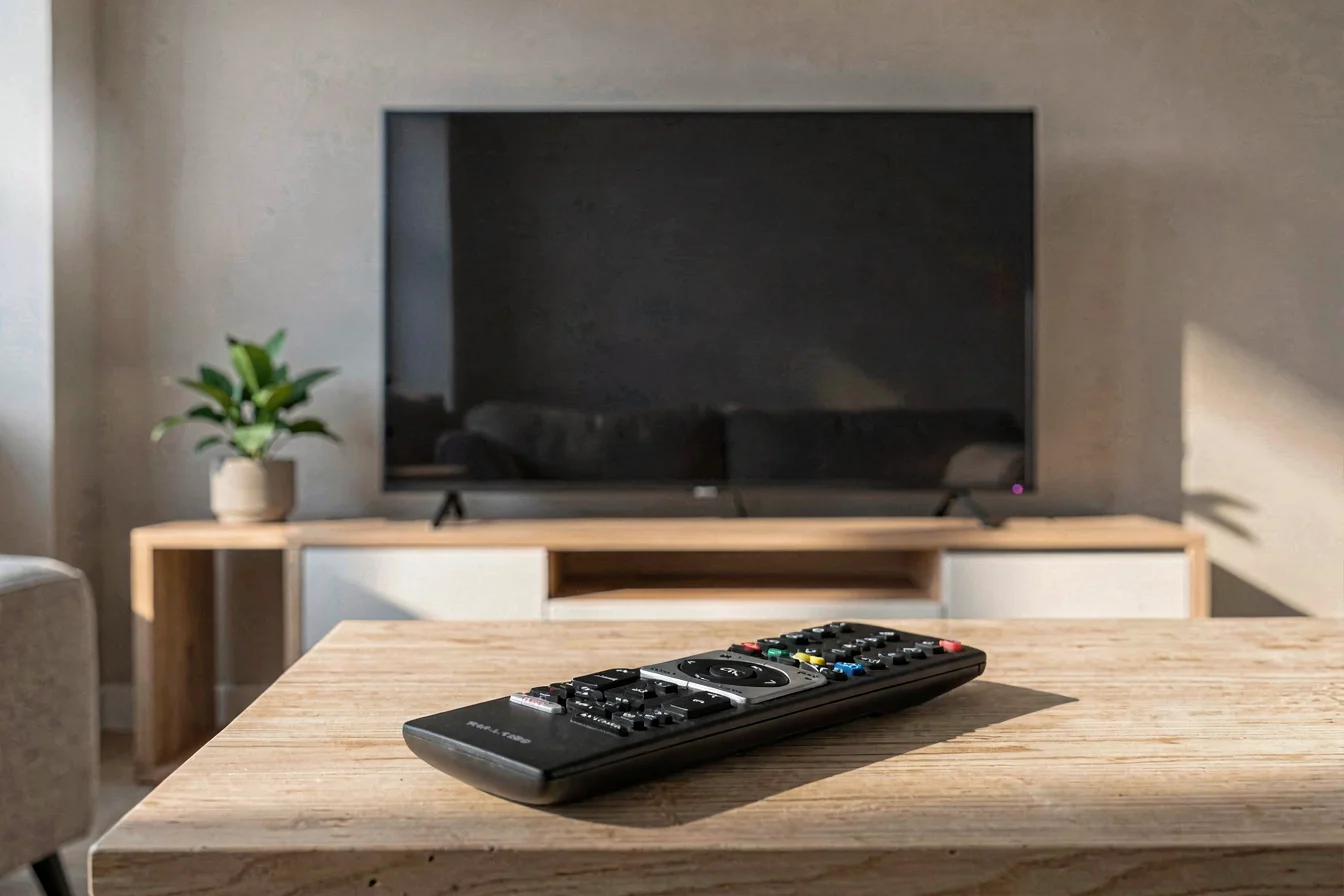
For buyers seeking seamless integration with Beko Smart TVs, the beko TV remote control delivers app-based convenience and robust feature sets. However, for households with multiple TV brands or those prioritizing flexibility, the universal TV remote control offers broader compatibility and easier replacement. Google Trends and social sentiment indicate steadily rising demand for both, with Universal TV Remote Control holding a slight lead in search momentum and user flexibility [1][5][7].
The beko TV remote control is tailored for Beko Smart TVs, providing app-based integration that replaces traditional physical remotes and offers features such as an interactive TV guide, keyboard input, and device management [2][3]. It targets buyers who value convenience, seamless connectivity, and advanced navigation. In contrast, the universal TV remote control is designed for multi-brand environments, offering broad compatibility across various TV models and brands, with both physical and app-based variants available [5][7]. This makes it ideal for households with multiple TVs or those who frequently replace devices.
The procurement dilemma centers on balancing brand-specific convenience and advanced features (Beko TV Remote Control) against universal compatibility and flexibility (Universal TV Remote Control). Beko’s solution excels in integration, reliability, and ease of setup for its own devices, while Universal remotes shine in adaptability and replacement ease. The main pain point for Universal remotes is inconsistent code matching and occasional app limitations, while Beko remotes may lack broader compatibility outside their ecosystem [5][6][7].
| Feature | Beko TV Remote Control | Universal TV Remote Control |
|---|---|---|
| Brand Compatibility | Only Beko Smart TVs | Multi-brand, broad compatibility |
| Integration Type | App-based (Wi-Fi), automatic device recognition | Physical and app-based (IR/Bluetooth/Wi-Fi), manual code matching |
| Feature Set | Interactive guide, keyboard input, recording management | Basic controls, limited advanced features |
| Replacement Ease | Limited (brand-specific) | Easy (broad availability) |
| Setup Complexity | Simple (Wi-Fi sync, app-based) | Moderate (code matching required) |
| User Sentiment | High for Beko users; limited flexibility | High for flexibility; some complaints about code issues |
Universal TV Remote Controls provide broader flexibility for multi-brand households, while Beko TV Remote Controls offer seamless integration for Beko Smart TV owners.
Durability is a critical factor for remote controls, especially for households with multiple TVs or frequent replacement cycles. The beko TV remote control is designed for app-based use, minimizing physical wear and tear, but is limited to Beko Smart TVs. Physical remotes, whether branded or universal, tend to degrade over time due to button wear, battery leakage, and accidental drops [14]. Universal TV Remote Controls, available as both physical and app-based variants, offer greater resilience due to their broad availability and ease of replacement.
Application scenarios diverge: Beko TV Remote Controls excel in smart TV environments where Wi-Fi integration is desired, while Universal TV Remote Controls are ideal for legacy TVs, multi-brand setups, or situations where physical remotes are preferred. For buyers seeking long-term value, Universal TV Remote Controls generally offer lower replacement costs and broader compatibility, especially as devices age or change brands.
| Cost Factor | Beko TV Remote Control | Universal TV Remote Control |
|---|---|---|
| Initial Purchase Price | App-based (free, device-dependent) | Physical: $7–$15; App-based: free |
| Replacement Frequency | Low (app-based, no physical wear) | Medium to high (physical wear) |
| Maintenance | Minimal (software updates) | Battery replacement, occasional repairs |
| Hidden Costs | Limited (app-only) | Replacement, code matching |
| 5-Year Total Cost | Low (minimal replacement needed) | Medium (replacement and maintenance) |
Universal TV Remote Controls offer lower long-term costs and easier replacement for multi-brand households, while Beko TV Remote Controls minimize physical wear but are limited to Beko Smart TVs.
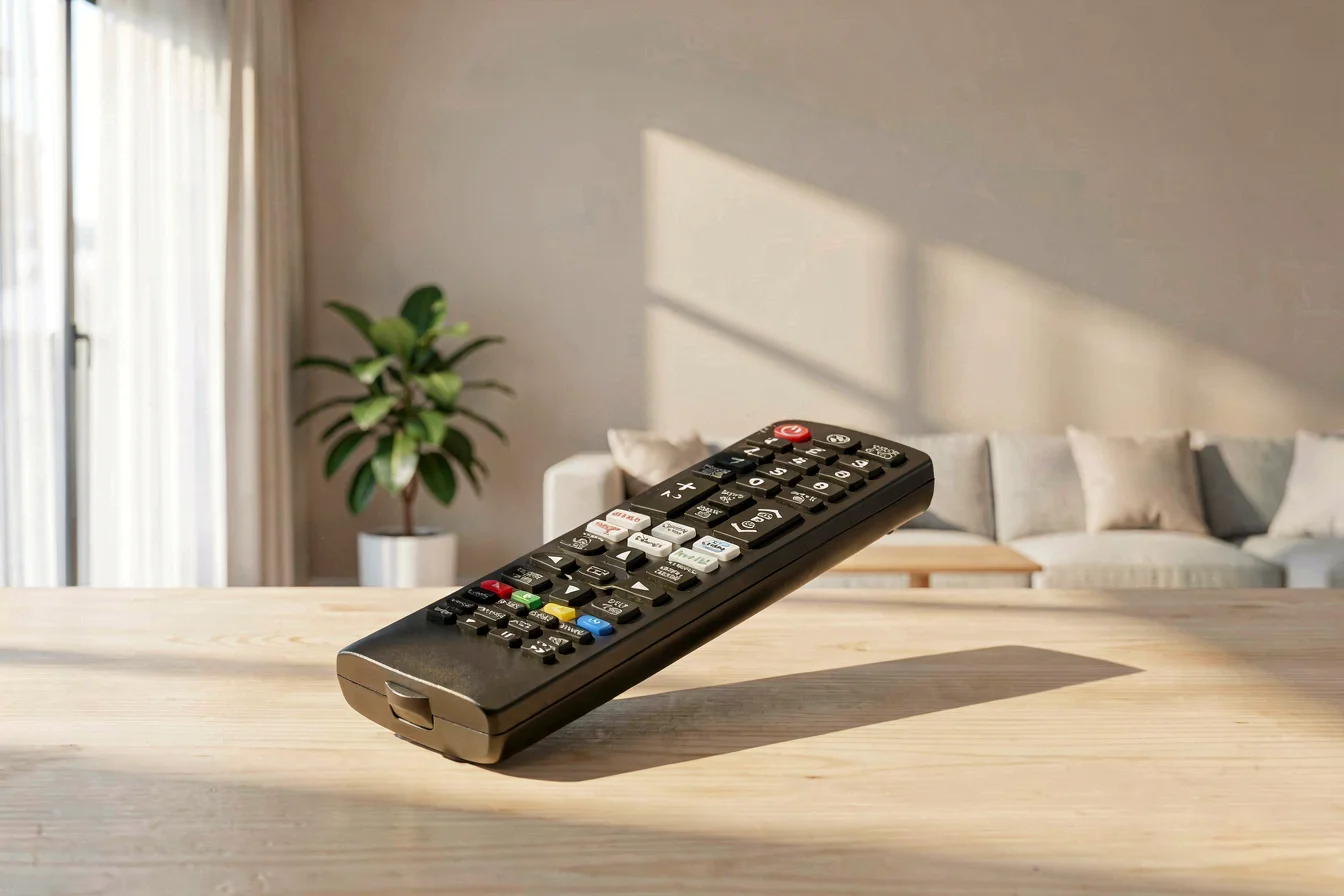
The core value of this product category lies in simplifying TV management across multiple brands and devices, adapting to evolving home entertainment needs. With the rise of smart TVs and multi-device households, the urgency for reliable, flexible remote solutions is higher than ever.
Google Trends data (March 2025–March 2026) shows a steady increase in search interest for both beko TV remote control and universal TV remote control , with Universal TV Remote Control maintaining a slight lead in normalized scores (from 72 to 88) compared to Beko TV Remote Control (from 68 to 84). Smart TV Remote Control consistently outpaces both, reflecting broader industry trends [1].
Search Interest over Time
Universal TV Remote Control maintains higher search momentum, reflecting its broader appeal and adaptability across diverse TV ecosystems.
Online communities highlight real-world frustrations and expectations. On Reddit, users frequently lament lost remotes, compatibility issues, and the hassle of manual code matching for Universal TV Remote Controls [5][6][7]. In contrast, Beko TV Remote Control is praised for its seamless app integration and ease of setup, but its brand-specific limitation is a recurring complaint. App-based remotes are favored for their convenience, but physical remotes remain popular for their tactile feedback and reliability.
Case Study 1: A Beko TV Remote Control user (Reddit, 2026) described losing their physical remote and switching to the Beko TV Remote app. They highlighted the ease of setup and the convenience of using their phone:
“Don’t forget to like if you found the video helpful. The Beko TV Remote app replaces the physical remote, and it’s easy to connect as long as both devices are on the same Wi-Fi.” [4]
Case Study 2: A Universal TV Remote Control user (Reddit, 2026) described the challenge of matching codes for a Beko CRT TV and lamented the limitations of Universal remotes for advanced functions:
“Very often the first code that works is not the code that works for all functions. Sometimes you match one that can only power on/off and do ch/volume. I’d try all codes for the brand, then go through the annoying task of matching past the first one that works to see if there is another.” [6]
| Dimension | Beko TV Remote Control | Universal TV Remote Control |
|---|---|---|
| Overall Satisfaction | High for Beko Smart TV owners | Moderate to high for multi-brand users |
| Most Praised Feature | App-based integration, seamless setup | Flexibility, broad compatibility |
| Most Common Complaint | Brand-specific limitation | Code matching, inconsistent features |
| Community Recommendation Rate | High for Beko owners | High for general users |
Viral content themes include debates over app-based vs. physical remotes, frustrations with lost remotes, and recommendations for best universal remote apps. TikTok and YouTube show tutorials on remote setup, replacement, and troubleshooting, reinforcing the importance of flexibility and ease of use.
Universal TV Remote Controls are widely recommended for flexibility, while Beko TV Remote Controls are praised for seamless integration but criticized for brand limitations.
Buyers should begin by clarifying their core needs: Is the primary use case for a Beko Smart TV, or do they need to manage multiple brands? What is their budget range—$7–$15 for physical remotes, or app-based convenience? Are advanced features such as an interactive TV guide, keyboard input, or device management essential, or is basic control sufficient?
| Tier | Recommended Product | Key Reason |
|---|---|---|
| Budget-Friendly | Universal TV Remote Control | Low cost, broad compatibility |
| Mid-Range | Universal TV Remote Control | Flexibility, moderate features |
| Premium | Beko TV Remote Control | Seamless integration, advanced features |
Optimization tips: Buy during TV promotions or bundle with TV purchases; prioritize app-based remotes for smart TVs; check compatibility before purchasing; avoid common mistakes such as mismatched codes or neglecting replacement costs.
For multi-brand households, Universal TV Remote Controls are the logical choice; for Beko Smart TV owners, Beko TV Remote Controls offer premium integration.
Synthesizing all insights, the beko TV remote control is best for buyers who value app-based integration and advanced features for Beko Smart TVs. The universal TV remote control is optimal for multi-brand environments, offering flexibility, broad compatibility, and lower replacement costs. Industry trends indicate continued growth in app-based remotes and universal solutions as smart TVs proliferate and multi-device households expand. For the next 6–12 months, buyers should prioritize flexibility, seamless integration, and ease of replacement.
Confident buyers should choose Universal TV Remote Controls for versatility and Beko TV Remote Controls for seamless integration. Share your experiences, and commercial buyers should connect with wholesale platforms for bulk sourcing and tailored solutions.