
All categories
Featured selections
Trade Assurance
Buyer Central
Help Center
Get the app
Become a supplier
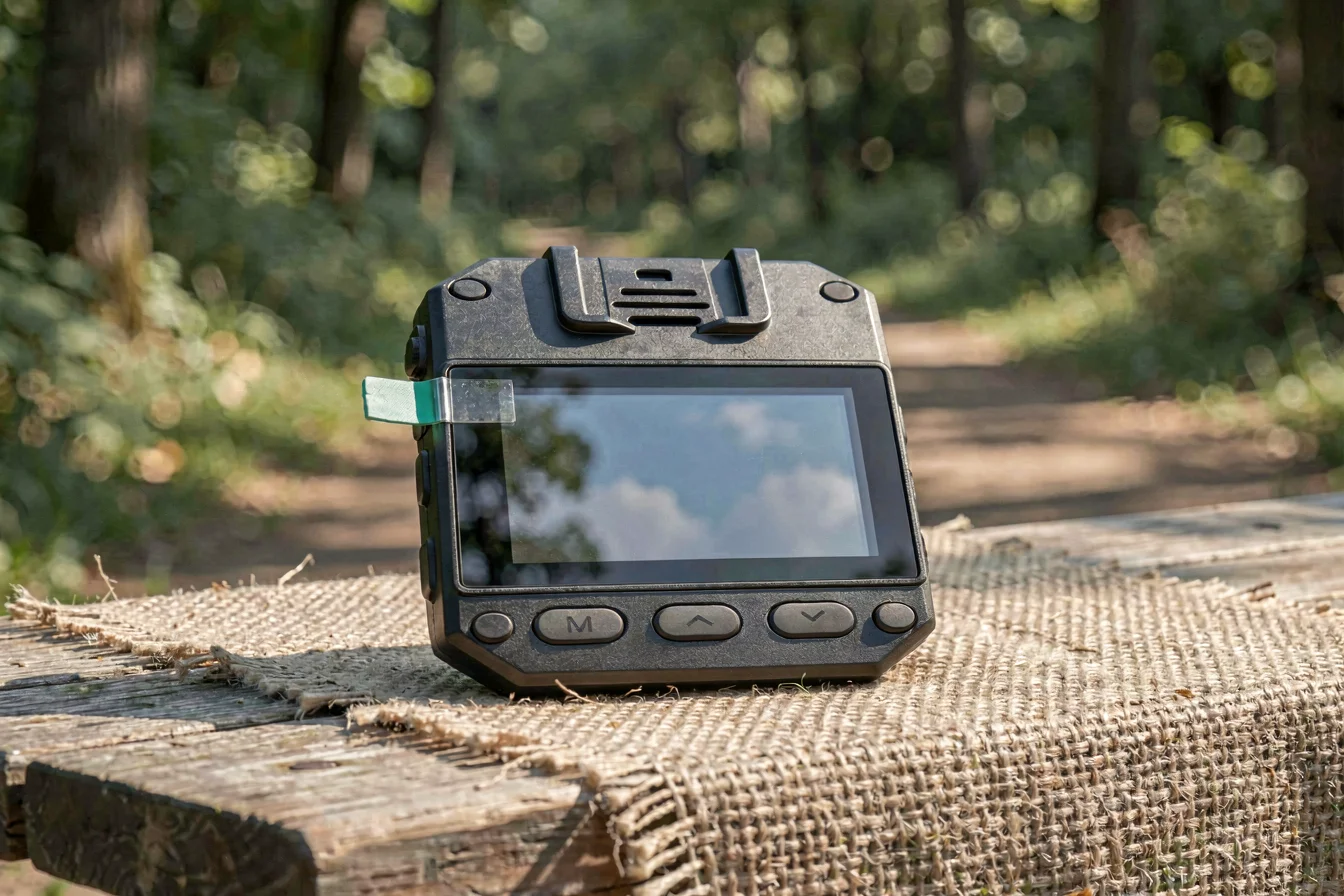
A belt with integrated hidden camera is increasingly favored for covert, mobile surveillance, offering unmatched discretion and ease of movement, especially in professional and travel contexts. In contrast, the standalone hidden camera device remains the top choice for static, fixed-location monitoring, delivering broader coverage and higher reliability. Recent demand trends and buyer sentiment show a decisive shift toward belt-integrated solutions, but standalone devices maintain a stronghold in home and commercial security markets [1][2].
Both the belt with integrated hidden camera and standalone hidden camera device serve the core value proposition of covert surveillance, but their approaches diverge sharply in mobility, concealment, and deployment flexibility. The belt-integrated variant targets professionals, travelers, and individuals needing constant, undetected monitoring while on the move—such as in hospitality, retail, or security roles. Its key pain points are limited recording range and battery life, but it excels in scenarios where visibility must be eliminated and rapid repositioning is necessary. The standalone unit, often disguised as everyday objects, addresses the need for fixed, continuous monitoring in homes, offices, or retail locations, with advantages in coverage area and reliability, but risks exposure due to its static nature and potential visibility.
Technological innovations have driven both product lines: belt-integrated models now feature Wi-Fi streaming, microSD storage, and improved battery efficiency, while standalone devices offer advanced motion detection, remote access, and higher resolution. However, ethical concerns and privacy backlash are more pronounced for both, especially in residential contexts [5][8]. The urgency for buyers is clear: choosing the right product hinges on the operational environment, risk tolerance, and desired level of discretion.
| Feature | Belt with integrated hidden camera | Standalone hidden camera device |
|---|---|---|
| Mobility | High—wearable, concealable, easy to move | Low—fixed location, less concealable |
| Discreetness | Very high—blends into clothing | Moderate—hidden in objects, but may be exposed |
| Recording Range | Limited—depends on placement and mobility | Broad—can cover larger areas |
| Battery Life | Medium—typically 4–8 hours continuous use | High—often 24+ hours, rechargeable |
| Setup Complexity | Easy—plug-and-play, mobile app integration | Moderate—object placement, Wi-Fi setup |
| Ethical/Privacy Concerns | High—risk of misuse, privacy backlash | High—privacy backlash, especially in homes |
Belt-integrated hidden cameras are optimal for mobile, high-risk environments, while standalone units dominate fixed-location, high-coverage needs.
The durability of a belt with integrated hidden camera is influenced by its wearability and exposure to physical stress, such as bending and movement. Quality units use reinforced materials and robust connectors, but frequent use can lead to battery degradation and wear on the belt itself. Standalone hidden camera devices, often designed for fixed placement, benefit from more stable mounting and less mechanical strain, resulting in longer operational lifespans—typically 2–5 years under normal conditions [2]. However, their durability is threatened by accidental exposure or tampering, especially in high-traffic areas.
Application scenarios diverge: belt-integrated models excel in environments requiring continuous movement—such as security patrols, personal safety, or investigative work—while standalone devices are suited for static surveillance in homes, offices, retail, and hospitality. The belt variant is less effective for large-area monitoring, but excels in personal privacy and rapid deployment. Standalone devices, with their higher resolution and broader coverage, are better for fixed perimeter or room monitoring.
Long-term cost evaluation is critical. Belt-integrated cameras tend to have higher upfront costs ($50–$150), but require less frequent replacement due to mobility and concealment. Standalone units are cheaper ($35–$100), but may need replacement more often if exposed or tampered with. Hidden costs include battery replacements, storage cards, and potential legal or privacy-related expenses. The following table summarizes the 5-year cost outlook:
| Cost Factor | Belt with integrated hidden camera | Standalone hidden camera device |
|---|---|---|
| Initial Purchase Price | $50–$150 | $35–$100 |
| Maintenance (Battery/SD Card) | $20–$50/year | $15–$40/year |
| Replacement Frequency | Every 2–3 years | Every 1–2 years |
| Hidden Legal/Privacy Costs | Potential fines, reputational risk | Potential fines, reputational risk |
| Total 5-Year Cost (Estimate) | $250–$350 | $200–$300 |
Belt-integrated hidden cameras may cost more upfront but offer longer operational life and lower replacement frequency in mobile settings.
The core value of covert surveillance solutions is to provide security, privacy, and rapid response without drawing attention. In today’s competitive landscape, both belt with integrated hidden camera and standalone hidden camera device are in high demand, but their application scenarios differ. Belt-integrated models are favored by professionals, travelers, and those needing personal discretion, while standalone units remain dominant in home, retail, and hospitality sectors.
Belt-integrated cameras excel in mobile, high-risk scenarios, while standalone devices dominate static, fixed-location monitoring.
Google Trends data reveals a sharp upward trajectory for “belt with hidden camera,” peaking at 88 in February 2026, compared to a steady but much lower interest in “hidden camera device” (10) [1]. This indicates a strong surge in demand for mobile, concealable solutions, likely driven by professional and travel use cases. Standalone units, while less searched, remain the most purchased for home and commercial applications, suggesting a gap between search interest and actual procurement.
Search Interest over Time
Procurement strategy should align with search momentum, prioritizing belt-integrated solutions for mobile use, and standalone units for fixed-location monitoring.
Case Study 1: A professional security officer on Reddit described using a belt with integrated hidden camera during a high-profile event. The camera enabled discreet monitoring of crowd behavior and rapid response to potential threats. “Mobility was key—being able to move around without drawing attention made all the difference,” the officer noted. However, battery life and limited recording range were cited as drawbacks. Community sentiment praised the belt camera’s discretion but warned about its limited coverage.
Case Study 2: A home user on Amazon and Reddit reviewed a standalone hidden camera device installed in a child’s nursery. The camera provided peace of mind and reliable footage, but the user faced backlash from neighbors and family members over privacy concerns. “Easy setup, clear app, but the ethical issues are real,” they wrote. Community responses ranged from support for security needs to strong criticism of surveillance practices.
“My partner and I are getting more and more pet sitting gigs where we stay overnight, after noticing a camera the owners failed to mention and was clearly not meant to be found, we decided it’s time to invest into a device that could allow us to detect any.” — r/hiddencameras [3]
“Summary of Reviews Pros: Easy setup with clear mobile app. Auto tracking keeps subjects centered. Two-way audio sounds surprisingly clear. Supports large 128GB microSD cards. Cons: Night video can appear grainy. Requires strong Wi-Fi for smooth streaming.” — r/AmazonDailyMustHaves [8]
| Dimension | Belt with integrated hidden camera | Standalone hidden camera device |
|---|---|---|
| Overall Satisfaction | Moderate—mobility praised, limited range criticized | High—reliability praised, privacy concerns noted |
| Most Praised Feature | Discreetness, ease of movement | Ease of setup, coverage area |
| Most Common Complaint | Limited recording range, battery life | Privacy backlash, visibility risk |
| Community Recommendation Rate | Moderate—ideal for professionals | High—for home and commercial use |
Viral content themes include privacy debates, ethical dilemmas, and practical tips for detection and installation. On TikTok and Reddit, recurring debate points focus on trust, legal boundaries, and the “coolness” factor, with cultural reception split between support for security and criticism of surveillance practices.
User sentiment favors belt-integrated cameras for mobility and discretion, but standalone devices win for reliability and coverage, with privacy concerns common to both.
To select the optimal solution, buyers should ask:
| Tier | Recommended Product | Key Reason |
|---|---|---|
| Budget-Friendly | Standalone hidden camera device | Lower upfront cost, broad coverage |
| Mid-Range | Belt with integrated hidden camera | Mobility, discretion, moderate price |
| Premium | Belt with integrated hidden camera | Advanced features, high discretion, professional use |
Optimization tips:
Choose belt-integrated cameras for mobile, professional needs; standalone devices for home and commercial fixed-location monitoring.
The strategic roadmap for the next 6–12 months is clear: demand for belt with integrated hidden camera will continue to rise, especially among professionals and travelers seeking maximum discretion. However, standalone hidden camera device solutions will remain dominant in home, retail, and hospitality sectors, driven by reliability and coverage. Buyers should monitor legal changes, privacy regulations, and technological advances—such as improved battery life and enhanced concealment features. The ethical debate will intensify, so procurement decisions must balance operational needs with legal and cultural risks.
Act confidently: share your experience to help shape industry standards, and commercial buyers should engage with Alibaba.com for wholesale solutions, ensuring compliance and optimal sourcing.