
All categories
Featured selections
Trade Assurance
Buyer Central
Help Center
Get the app
Become a supplier
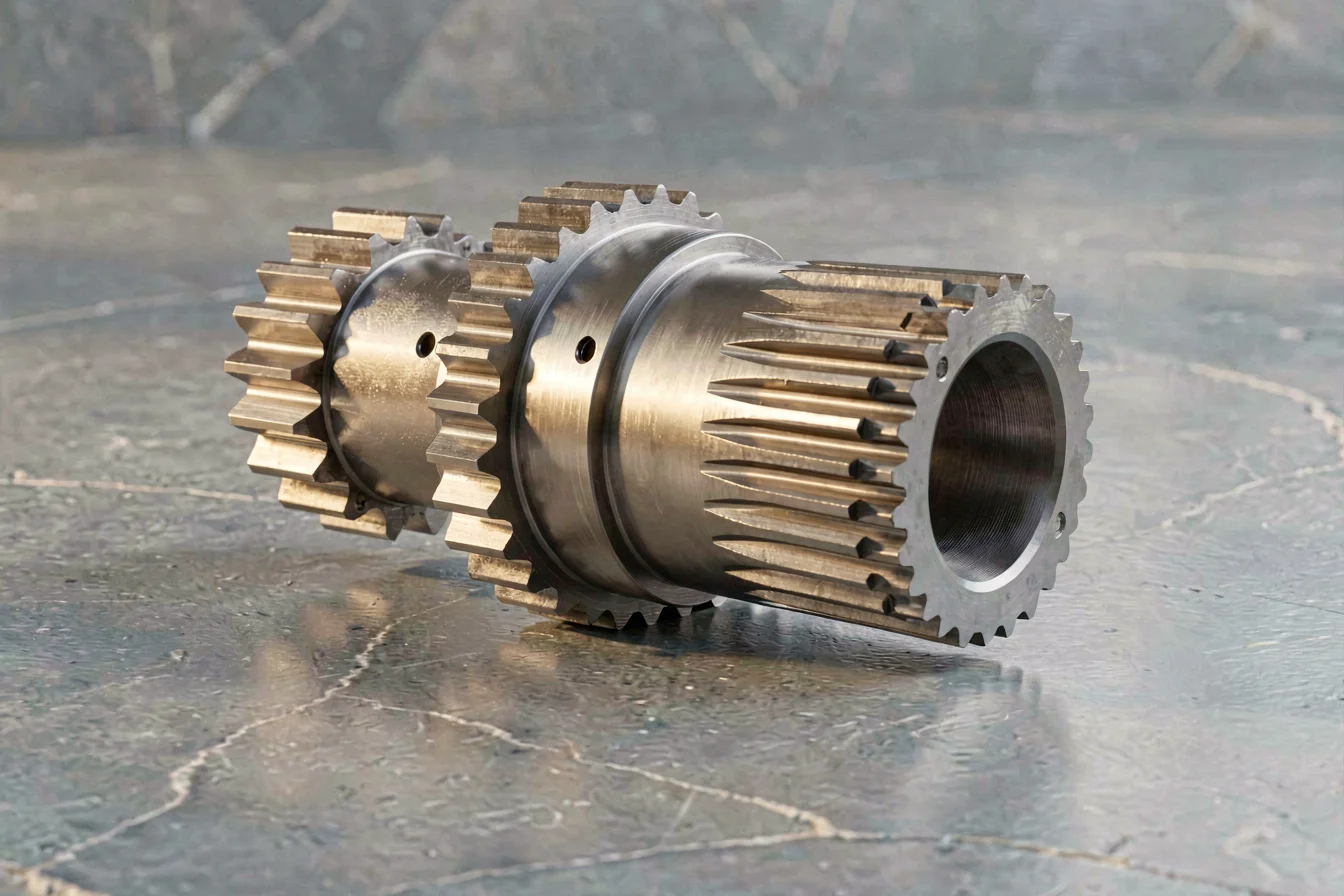
For industrial and commercial buyers, bevel gear jack offers superior efficiency, speed, and precision, ideal for automation and high-duty cycle environments. In contrast, screw jack provides cost-effective, self-locking performance for moderate loads and legacy infrastructure. Rising global demand for bevel gear jack signals a shift toward advanced lifting solutions, but screw jack remains vital for budget-sensitive, low-speed applications[1][3][4].
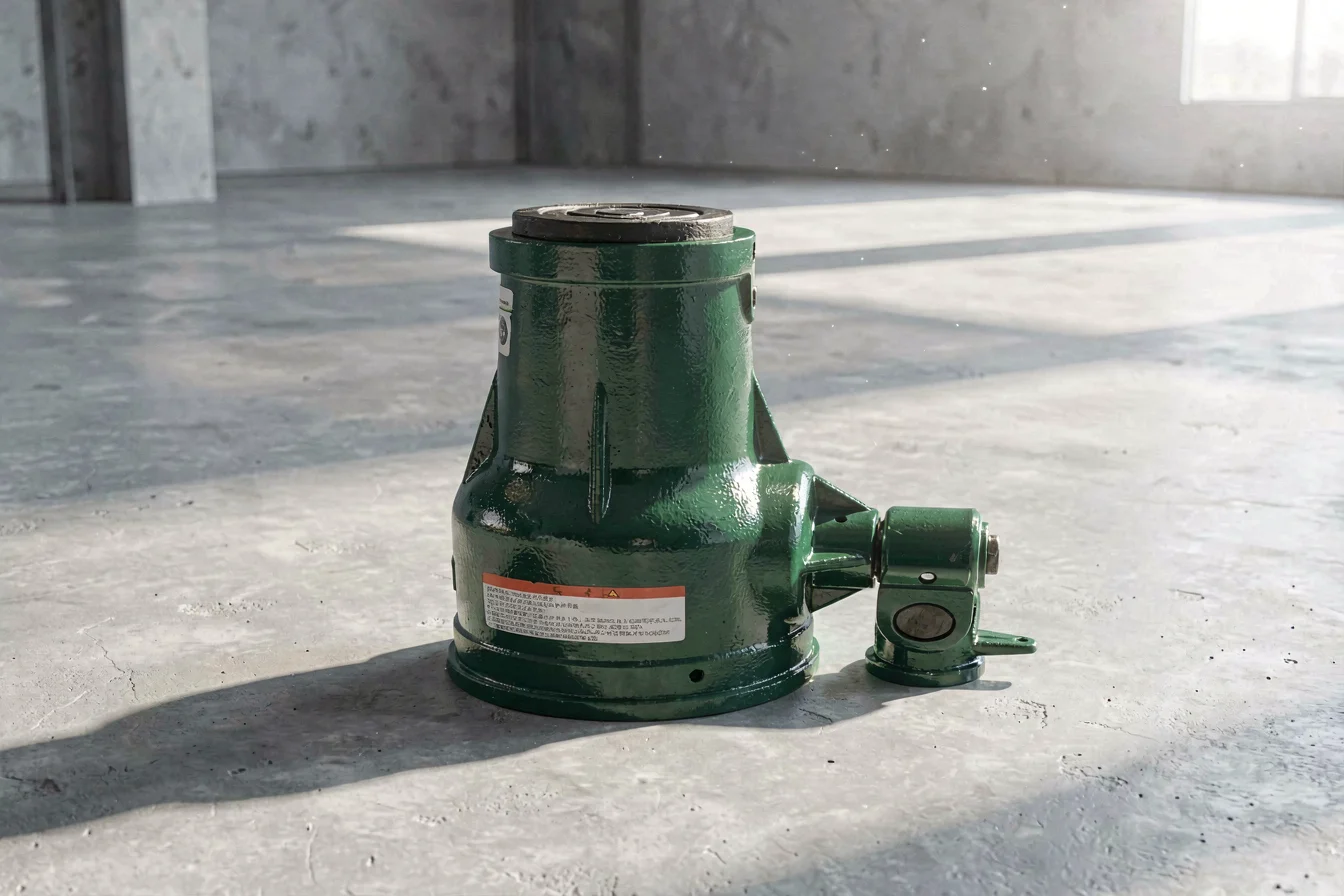
The choice between bevel gear jack and screw jack hinges on balancing efficiency, speed, and cost. Bevel gear jack is engineered for high-load, high-speed, and precision lifting, making it the go-to for automation, stage machinery, and heavy-duty industrial tasks. Its bevel gear mechanism delivers faster operation and higher efficiency—up to 60%—but requires careful maintenance and may lack self-locking without an external brake[4][6]. Screw jack is simpler, self-locking, and cost-effective, ideal for moderate loads, legacy systems, and manual operation. However, it suffers from lower speed, higher friction, and more frequent maintenance[2][5].
Technological innovations in bevel gear jack include ball screw variants for even higher efficiency and duty cycles, while screw jack retains its legacy as a reliable, easy-to-use solution. Procurement urgency arises from increasing automation needs, regulatory shifts toward high-efficiency machinery, and rising demand for precision in stage and industrial environments[1][3][4].
| Feature | Bevel Gear Jack | Screw Jack |
|---|---|---|
| Load Capacity | 1–90kN | 5–25kN |
| Speed | High (up to 3.33mm/turn) | Low |
| Efficiency | Up to 60% | Low (typically <30%) |
| Self-Locking | No (requires external brake) | Yes |
| Maintenance | Higher (lubrication, gear backlash) | Moderate |
| Cost | Higher upfront | Lower upfront |
Bevel Gear Jacks are the preferred choice for high-efficiency, high-speed, and precision lifting, while Screw Jacks remain cost-effective and reliable for moderate-load, manual, or legacy applications.
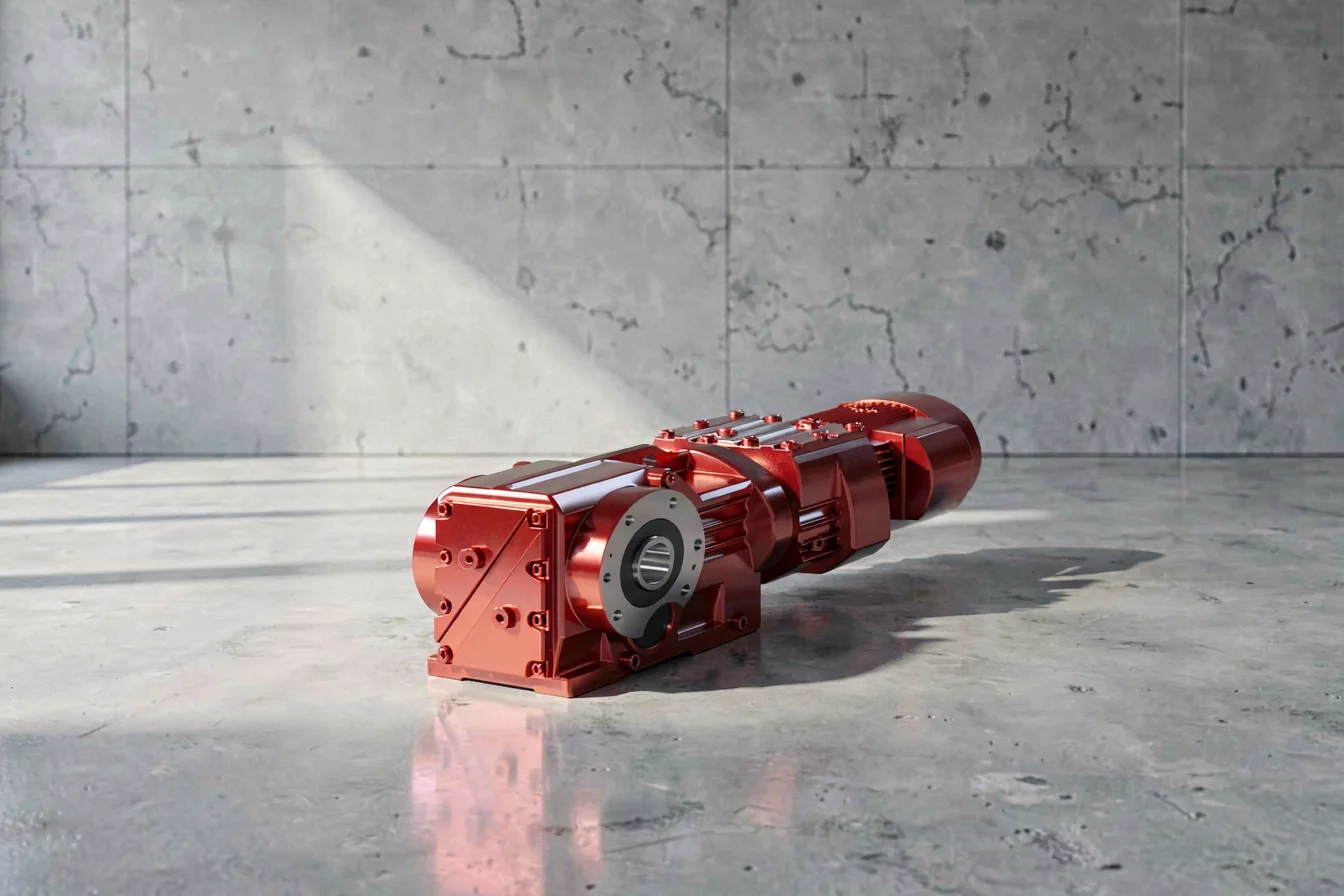
Durability and application suitability are critical for bevel gear jack and screw jack . Bevel gear jack offers longer lifespan in high-duty cycle environments, thanks to robust gear sets and efficient power transmission. However, it may require more frequent lubrication and maintenance to prevent gear backlash and overheating[4][6]. Screw jack is less efficient and slower but benefits from self-locking and simpler maintenance, making it ideal for moderate loads and legacy infrastructure[2][5].
Application scenarios diverge: bevel gear jack excels in automation, stage machinery, and heavy-duty lifting, while screw jack is best for manual, low-speed, and budget-sensitive tasks. Over a five-year period, bevel gear jack incurs higher initial costs and maintenance expenses but delivers lower replacement frequency and greater productivity. Screw jack is cheaper to purchase but may require more frequent replacement and maintenance due to wear and tear.
| Cost Factor | Bevel Gear Jack | Screw Jack |
|---|---|---|
| Initial Purchase Price | $1200–$4000 | $400–$1200 |
| Maintenance | $300–$600/year | $150–$300/year |
| Replacement Frequency | Once every 5–10 years | Once every 3–5 years |
| Hidden Costs | Brake system, gear lubrication | Screw replacement, manual effort |
| Total 5-Year Cost | $2100–$5000 | $1200–$2400 |
Bevel Gear Jacks offer greater long-term value in high-duty environments, while Screw Jacks provide lower upfront and maintenance costs for moderate, manual applications.
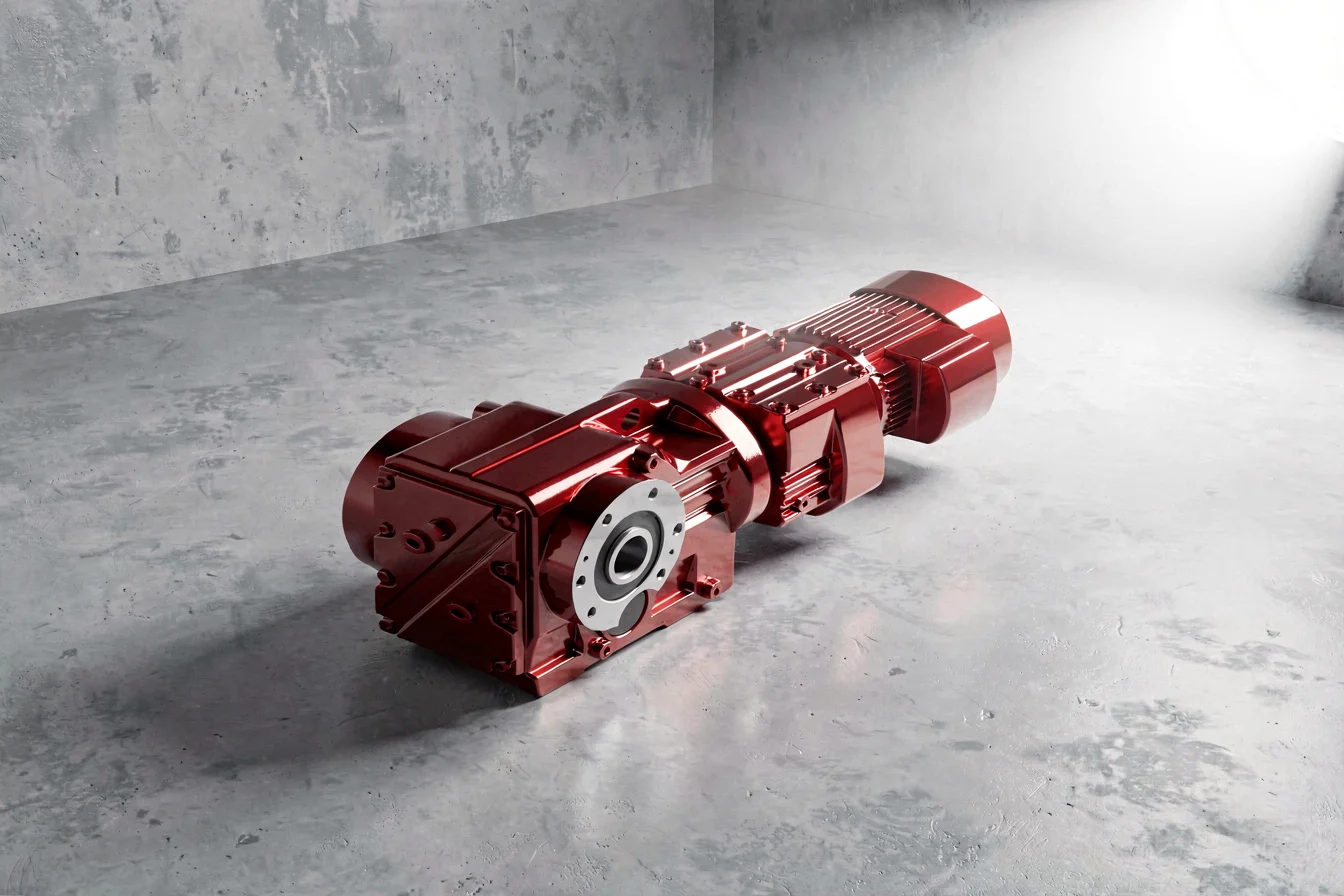
The industrial lifting market is rapidly evolving, with automation and precision driving demand for bevel gear jack in advanced manufacturing, stage machinery, and heavy-duty applications. Screw jack remains dominant in legacy infrastructure, basic lifting, and manual operations, valued for simplicity and reliability. Urbanization, stage automation, and multi-generational living have increased the need for efficient, high-speed lifting solutions[1].
Bevel Gear Jacks are the clear choice for automation, stage machinery, and high-duty industrial applications, while Screw Jacks remain essential for legacy and manual lifting needs.
Google Trends data reveals a marked shift toward bevel gear jack , peaking at 100 in August 2025, while screw jack and Hydraulic Jacks lag behind[1]. This signals growing demand for high-efficiency, high-speed solutions, especially in automation and stage machinery. Actionable recommendation: Buyers should prioritize sourcing bevel gear jack for future-proofing, while continuing to use screw jack for legacy and manual applications.
Search Interest over Time
Rising search interest for Bevel Gear Jacks indicates growing market momentum, while Screw Jacks remain stable but less dynamic.
Reddit and TikTok discussions reveal a nuanced perception of bevel gear jack and screw jack . Screw jack is praised for simplicity, reliability, and legacy status, with users highlighting its ease of use and robustness for manual and legacy applications[8][9]. Bevel gear jack is lauded for automation and precision, but criticized for complexity and maintenance needs. Sentiment analysis shows Screw Jacks are favored for cost-effectiveness and self-locking, while Bevel Gear Jacks are valued for high-speed, high-efficiency lifting but require more technical expertise.
Screw Jacks are seen as reliable and easy to use, while Bevel Gear Jacks are respected for automation and precision but require more technical maintenance.
Case Study 1: Legacy Collector (Screw Jack)
A Reddit user collected vintage screw jack
models, noting their durability and ease of use for manual lifting tasks. “I have a few in my shop. They are also quite common. I have one of these I found at an estate sale a few years ago. I think I paid 5 bucks for it. Have never used it, just added to my old tools collection.”[8] This reflects the enduring reliability and cost-effectiveness of screw jack
for legacy and manual applications.
Case Study 2: Automation Engineer (Bevel Gear Jack)
An automation engineer praised bevel gear jack
for its precision and speed in stage machinery. “Bevel gear jacks offer higher efficiency, greater speed, longer duty cycle capabilities and multiple configurations than other Mechanical Worm Gear Jack System. As an added benefit, bevel gear jacks also act as miter boxes, making them an ideal choice for multi-jack systems.”[6] However, maintenance and complexity were noted as challenges.
“I use one like this with a couple of my Guzzis and used it with My 2020 speed twin in conjunction with a paddock stand on the back when I still had it. They work great.” [11]
“Bevel gear jacks with single lead screws provide the benefits of a self-locking screw, and bevel gear jacks with double lead screws offer even greater travel speed.” [6]
| Dimension | Bevel Gear Jack | Screw Jack |
|---|---|---|
| Overall Satisfaction | High for automation, moderate for maintenance | High for manual, moderate for legacy |
| Most Praised Feature | Speed, precision, automation | Self-locking, reliability, simplicity |
| Most Common Complaint | Complexity, maintenance | Slow speed, lower efficiency |
| Community Recommendation Rate | High for automation, moderate for manual | High for legacy, moderate for automation |
Viral content themes center on legacy reliability for Screw Jacks and automation precision for Bevel Gear Jacks, with recurring debates on maintenance and cost.
To optimize procurement, buyers should start by assessing core needs: primary use case, load requirements, speed, precision, budget, and maintenance tolerance. Key questions include:
Tiered recommendations:
| Tier | Recommended Product | Key Reason |
|---|---|---|
| Budget-Friendly | Screw Jack | Low upfront cost, self-locking, simple maintenance |
| Mid-Range | Bevel Gear Jack | Moderate cost, higher speed, efficient for moderate loads |
| Premium | Bevel Gear Jack | High-speed, precision, automation, advanced duty cycles |
Actionable optimization tips:
Buyers should match product choice to application needs, budget, and maintenance tolerance, leveraging tiered recommendations for optimal procurement.
Synthesizing market trends, procurement logic, and social pulse, bevel gear jack is poised for continued growth in automation, stage machinery, and high-duty environments, driven by efficiency, speed, and precision. Screw jack will remain relevant for legacy, manual, and budget-sensitive applications. Forward-looking recommendations: invest in bevel gear jack for future-proofing and high-efficiency needs, but continue to use screw jack for reliability and simplicity.
Confident buyers should share their experiences with both bevel gear jack and screw jack to inform the community, while commercial buyers are encouraged to source from Alibaba.com for advanced, high-efficiency solutions and legacy reliability.