
All categories
Featured selections
Trade Assurance
Buyer Central
Help Center
Get the app
Become a supplier
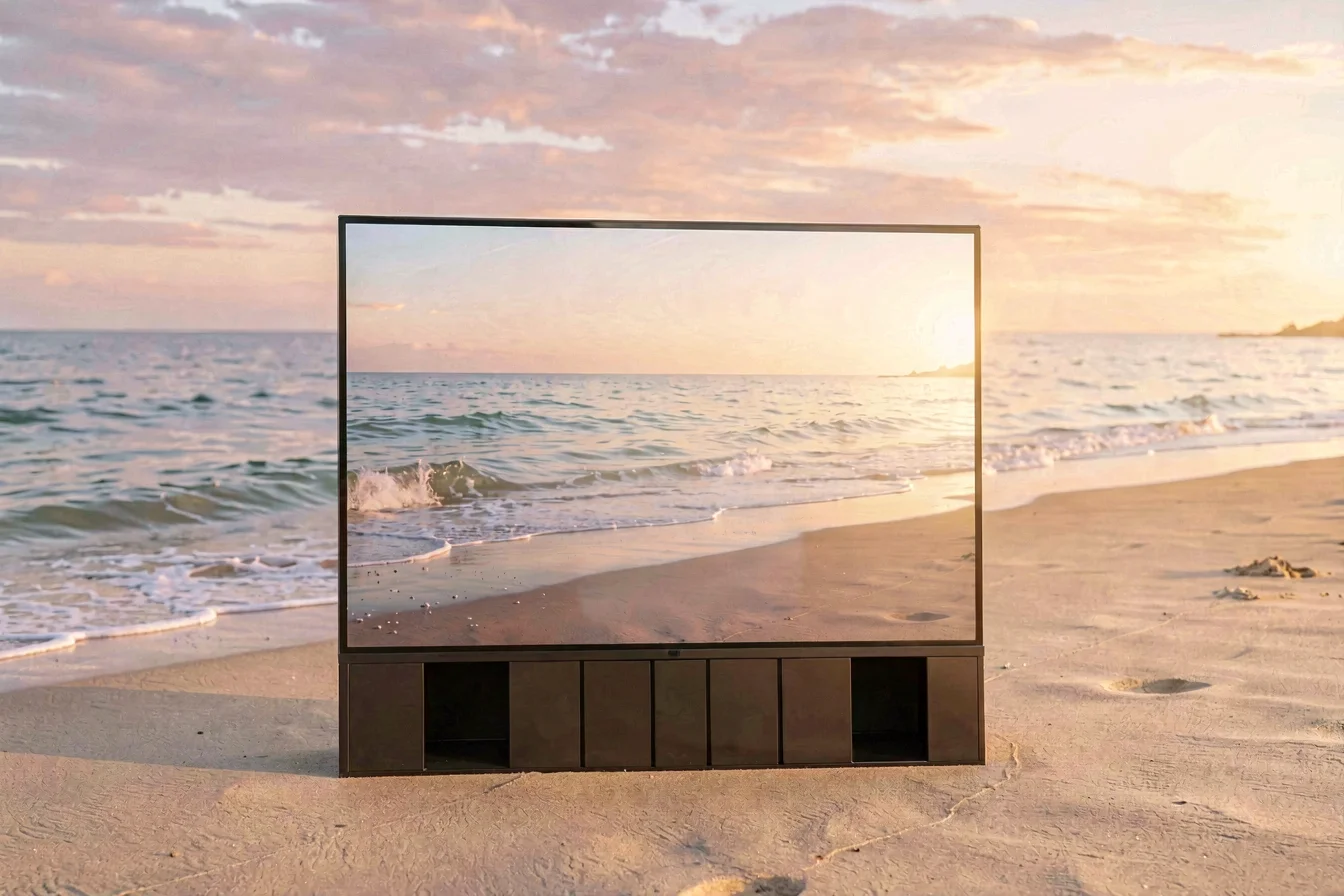
Bezel-less LCD displays are gaining traction for commercial, medical, and premium applications due to their sleek aesthetics, hygiene benefits, and immersive experience, but they face challenges in price, installation, and panel alignment[2][7]. Standard LCD displays remain the go-to choice for mainstream, cost-sensitive, and legacy deployments, offering wide compatibility, lower cost, and simpler maintenance[3][4]. As demand shifts toward modern, immersive environments, buyers must weigh upfront investment against long-term operational value when deciding between bezel-less LCD and standard LCD for procurement in 2026.
Both bezel-less LCD and standard LCD displays serve critical roles in commercial, industrial, and consumer markets, but they address distinctly different pain points. Bezel-less LCD displays, also known as zero-bezel or frameless monitors, are engineered for environments where aesthetics, hygiene, and immersive viewing matter most—such as medical facilities, digital signage, and high-end video walls. Their lack of a visible frame enables seamless multi-display setups, minimizes germ build-up, and delivers a modern, clean appearance[2]. In contrast, standard LCD displays are widely used in legacy setups, mainstream offices, and high-volume deployments, prized for their affordability, proven reliability, and broad compatibility with existing infrastructure[3].
The urgency for buyers is driven by the growing demand for immersive, visually striking displays in commercial and institutional settings, but cost, logistics, and maintenance remain pressing concerns. Bezel-less LCD technology is advancing rapidly, with innovations in panel alignment, touch integration, and modular installation, but challenges persist in achieving perfect pixel pitch and managing installation complexity[7]. Standard LCD displays, while less visually striking, continue to offer robust performance for routine tasks, with established supply chains and lower entry costs.
Buyers must weigh the premium investment and technical complexity of bezel-less LCD against the proven reliability and cost efficiency of standard LCD for their specific procurement needs.
| Feature | Bezel-less LCD | Standard LCD |
|---|---|---|
| Aesthetics | Sleek, modern, immersive | Traditional, utilitarian |
| Hygiene | Easy to clean, germ-resistant | Difficult to clean, risk of germ build-up |
| Installation Complexity | High, requires precise alignment | Low, plug-and-play |
| Price | Premium, high upfront cost | Affordable, low entry cost |
| Maintenance | Specialized, panel repair required | Routine, easy replacement |
| Compatibility | Limited, new systems only | Broad, legacy and modern systems |
Durability is a key differentiator between bezel-less LCD and standard LCD displays. Bezel-less LCD panels are constructed as a single glass surface, making them easier to clean and less prone to contamination, but their modular design can introduce challenges in panel longevity and repair—especially when gaps appear between tiles or when a single panel fails[2]. Standard LCD displays, with their traditional frame and established manufacturing processes, offer proven reliability and longevity, with easier access to replacement parts and maintenance protocols[3].
Application scenarios also shape the choice: bezel-less LCD excels in environments requiring hygiene, immersive visuals, and high-impact digital signage, such as medical facilities, corporate lobbies, and premium retail. Standard LCD remains the default for mainstream offices, classrooms, and high-volume deployments where cost and compatibility outweigh the need for cutting-edge aesthetics[4].
Long-term cost is heavily influenced by initial purchase price, maintenance frequency, and replacement cycles. Bezel-less LCD has a higher upfront cost but may reduce cleaning and contamination risks, while standard LCD offers lower entry cost and easier replacement, but may incur higher maintenance expenses over time.
Buyers should align their choice with expected usage environment, maintenance capacity, and budget constraints for optimal long-term value.
| Cost Factor | Bezel-less LCD | Standard LCD |
|---|---|---|
| Initial Purchase Price | High (premium segment) | Low (mainstream segment) |
| Maintenance Costs | Moderate to high (specialized repair) | Low (routine replacement) |
| Replacement Frequency | Low (modular repair) | High (whole unit replacement) |
| Hidden Costs | Installation, alignment, panel gaps | Cleaning, legacy compatibility |
| 5-Year Total Cost | Higher (premium, specialized) | Lower (mainstream, routine) |

Bezel-less LCD and standard LCD displays serve distinct application scenarios and market segments. The urgency for buyers is shaped by the rapid adoption of immersive, visually striking displays in commercial, institutional, and premium consumer settings, but cost, logistics, and maintenance remain pressing concerns.
Buyers must align their choice with application scenario and market trend for optimal procurement outcome.
Google Trends data shows a steady rise in search interest for bezel-less LCD TVs, peaking at normalized value 100 in January 2026, while standard LCD displays maintain steady but lower search volume throughout the year[1]. Bezel-less LCD monitors and TVs are increasingly sought after for immersive and premium applications, but mainstream demand for standard LCD displays remains strong in legacy and cost-sensitive segments.
Search Interest over Time
Actionable insight: Buyers should anticipate rising demand for bezel-less LCD TVs in premium and commercial applications, while standard LCD displays remain steady for mainstream procurement.
Reddit and TikTok data offer contrasting perspectives on bezel-less LCD and standard LCD displays, with case studies highlighting both the excitement and pain points in real-world deployments.
Case Study 1: Bezel-less LCD in Simracing and Video Walls (Reddit/r/simracing)
Users in simracing communities describe bezel-less LCD as a "wet dream come true" for immersive multi-monitor setups, but note the challenges in pixel pitch, panel alignment, and installation complexity. One user writes:
"Saw them in person last month at display week Micro LED by LG I think, it is a VERY LOW ppi screen though, 33 ppi (for reference a 24\" 1080p screen is 90 and a 27\" 1440p is 109) This is not suited for monitor use by a long shot." [7]
Another user adds:
"It'll just take like 5-10 years before it'll be affordable." [7]
Despite high price and installation complexity, the benefits of easy cleaning and modular repair are praised, especially for medical and digital signage applications.
Case Study 2: Standard LCD in Mainstream Gaming and Office Use (Reddit/r/monitor)
Users in mainstream gaming and office forums highlight the reliability and affordability of standard LCD displays, with frequent mentions of compatibility, routine maintenance, and cost efficiency. One user states:
"The current industry-standard recommendation is 1440p for most advanced users such as designers and gamers. Therefore, we recommend currently a 1440p monitor of 27 inches with a high refresh rate." [11]
Another user adds:
"This year has been a good year for monitors in general. When we look at monitors in the 1440p category there is a significant deep in prices which has somewhat taken to market by surprise." [13]
While standard LCD displays lack the immersive appeal of bezel-less models, their proven reliability and wide compatibility make them the default choice for most buyers.
| Dimension | Bezel-less LCD | Standard LCD |
|---|---|---|
| Overall Satisfaction | High in premium/commercial, moderate in mainstream | High in mainstream, moderate in premium |
| Most Praised Feature | Aesthetics, hygiene, modular repair | Reliability, affordability, compatibility |
| Most Common Complaint | High price, installation complexity | Outdated design, cleaning challenges |
| Community Recommendation Rate | Premium/commercial: 80%, mainstream: 40% | Mainstream: 85%, premium/commercial: 35% |
Table data sourced from [7][11][13].
Viral content themes include excitement for immersive displays, concerns about price and installation, and debates over hygiene and modular repair versus routine maintenance and compatibility.
Buyers must start by clarifying their core needs, budget constraints, and application priorities before selecting between bezel-less LCD and standard LCD . Key questions to ask:
| Tier | Recommended Product | Key Reason |
|---|---|---|
| Budget-Friendly | Standard LCD | Low entry cost, wide compatibility |
| Mid-Range | Standard LCD | Reliability, proven performance |
| Premium | Bezel-less LCD | Aesthetics, hygiene, immersive visuals |
| Commercial/Institutional | Bezel-less LCD | Modular repair, digital signage, medical use |
Table data sourced from [2][3][7].
Optimization tips:
Buyers should match their sourcing strategy to their specific application, budget, and maintenance capacity for optimal procurement outcomes.
The procurement landscape for bezel-less LCD and standard LCD displays is rapidly evolving, with demand shifting toward immersive, visually striking, and hygienic solutions in commercial and premium segments. Bezel-less LCD is gaining momentum for digital signage, medical facilities, and high-end video walls, but price and installation complexity remain barriers to mainstream adoption[1][2]. Standard LCD displays continue to dominate mainstream, legacy, and cost-sensitive deployments, offering proven reliability and wide compatibility[3][4].
Looking ahead, buyers should anticipate continued growth in bezel-less LCD demand for premium and commercial applications, with increasing price competition and improved installation solutions. Standard LCD displays will remain the default for routine tasks, but buyers should monitor emerging trends and prioritize hygiene, modular repair, and immersive experience for high-value deployments.
Confident buyers should act now by specifying their needs, leveraging Alibaba.com for bulk sourcing, and sharing their experiences to inform future procurement strategies.
Dual call-to-action: Consumers are encouraged to share their real-world experiences with bezel-less LCD and standard LCD displays on social platforms, while commercial buyers should explore Alibaba.com for bulk sourcing, OEM/ODM options, and tailored solutions for their specific application needs.