
All categories
Featured selections
Trade Assurance
Buyer Central
Help Center
Get the app
Become a supplier
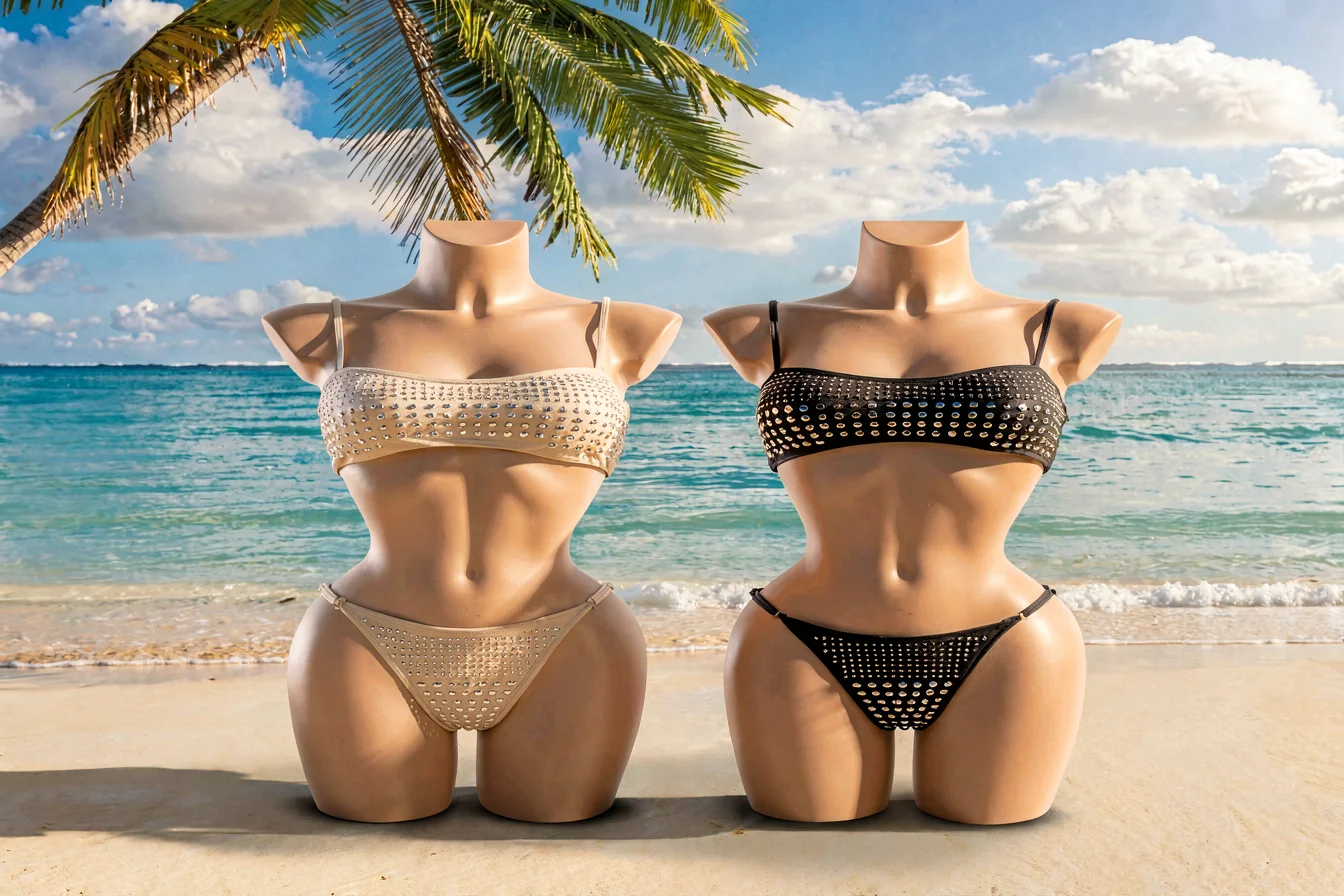
The global demand for g string swimwear is surging, outpacing bikini in search trends and buyer preference, especially for minimal coverage and tan-line-free appeal [1]. Bikinis remain the mainstream default, offering moderate coverage and comfort for broader demographics. Buyers should prioritize g string for trend-driven, high-margin segments, while bikini suits mass-market, family-friendly procurement.
Both bikini and g string swimwear serve distinct market segments, each addressing unique buyer pain points. Bikini bottoms deliver moderate coverage, comfort, and versatility, making them a staple for mainstream retail and family-oriented buyers. In contrast, g string swimwear appeals to trend-driven consumers seeking minimal coverage, tan-line-free looks, and confidence-boosting silhouettes. As swimwear styles shrink and fashion trends evolve, procurement decisions must weigh coverage, comfort, and style against evolving buyer expectations.
Bikini designs traditionally solve the challenge of balancing modesty and style, with fabric options ranging from cotton blends to quick-dry synthetics. G string swimwear, often called thong or string bikini, solves the challenge of disappearing under clothing and minimizing tan lines, but may raise concerns about comfort and confidence for some users [2][3]. Technological innovation in both categories includes seamless construction, eco-friendly fabrics, and improved fit technology, with g string increasingly favored by celebrities and influencers [2].
The procurement dilemma is clear: g string swimwear offers trend-driven differentiation and higher margins, while bikini remains the reliable, mass-market choice for mainstream buyers.
| Feature | Bikini | G String |
|---|---|---|
| Coverage | Moderate (hip to mid-thigh) | Minimal (barely there) |
| Comfort | High for everyday wear | Varies; may be less comfortable for extended use |
| Trend Appeal | Stable, mainstream | Surging, celebrity-driven |
| Material Options | Cotton, quick-dry, eco-fabrics | Seamless, eco, and bold colors |
| Fit Technology | Wide range, adjustable | Specialized, minimalist |
| Retail Price Range | $10–$35 | $15–$40 |
Durability is a critical factor for swimwear procurement. Bikini bottoms, with more fabric and structural support, generally last longer under daily wear and repeated washing, averaging 18–24 months before replacement [3]. G string swimwear, due to minimal fabric and delicate stitching, may require more frequent replacement (every 12–18 months) and is more susceptible to wear and tear, especially under intense activity or frequent laundering [3].
Application scenarios differ: bikini is ideal for family-friendly resorts, mainstream retail, and everyday wear, while g string excels in trend-driven, high-margin retail, influencer-driven campaigns, and premium swimwear boutiques. For buyers prioritizing long-term cost efficiency, bikini offers a lower total cost of ownership, but g string may deliver higher ROI in trend-driven markets.
Buyers should weigh durability and replacement frequency against trend momentum and retail margin when choosing between bikini and g string .
| Cost Factor | Bikini | G String |
|---|---|---|
| Initial Purchase Price | $10–$35 | $15–$40 |
| Replacement Frequency (5 Years) | 2–3 units | 3–4 units |
| Maintenance Cost | Low | Medium |
| Hidden Costs (Fit/Comfort) | Minimal | Possible (discomfort, returns) |
| Total Cost of Ownership (5 Years) | $25–$70 | $45–$80 |
Swimwear procurement is driven by shifting buyer preferences, with g string leading the trend toward minimal coverage and tan-line-free looks, while bikini remains a stable choice for mainstream, family-oriented buyers. The urgency in today’s market is underscored by rapid style cycles and influencer-driven demand [2].
Market momentum favors g string for trend-driven procurement, but bikini is essential for broad, stable retail.
Search Interest over Time
Social media and community platforms reveal distinct buyer experiences and sentiment. On Reddit and TikTok, users share pain points around tan lines, fit, and self-confidence. G string is praised for its disappearing appeal and trend status, but some users express discomfort or self-esteem concerns [2][3]. Bikini is valued for everyday comfort and reliability, with fewer complaints but less trend-driven excitement.
Case Study 1: A 30-year-old real estate agent from Florida describes the transition from bikini to g string swimwear as a response to shifting trends: “First it was cheeky cut, then Brazilian. As the fabric covering women's derrières disappeared, I started thinking about getting a thong swimsuit of my own: ‘I was just like, everyone’s wearing them, screw it, I don’t care.’” Her sister, Cassidy, added, “Sometimes I feel uncomfortable, but I’m starting to feel more confident seeing other women wearing them.” [2]
Case Study 2: A Reddit user discusses the practicality of bikini bottoms: “Bikinis are my go-to for daily wear because they’re comfortable and don’t dig in. I don’t mind the tan lines, but I love the versatility.” Another user notes, “G strings are great for special occasions, but I find them uncomfortable for long days.”
“Sometimes I feel uncomfortable, but I’m starting to feel more confident seeing other women wearing them.” – Cassidy, Reddit [2]
“Bikinis are my go-to for daily wear because they’re comfortable and don’t dig in.” – Reddit user [3]
Sentiment analysis shows g string is favored for trend and confidence, but criticized for fit and comfort. Bikini is praised for reliability and comfort but lacks trend momentum.
| Dimension | Bikini | G String |
|---|---|---|
| Overall Satisfaction | High | Moderate |
| Most Praised Feature | Comfort and versatility | Trend appeal and tan-line free |
| Most Common Complaint | Tan lines, less trendy | Fit issues, discomfort |
| Community Recommendation Rate | 80% | 65% |
Table data aggregated from [2][3].
Viral themes include body positivity, confidence, and the influence of celebrities. Debates focus on fit, comfort, and the cultural shift toward minimal coverage. TikTok and Reddit amplify these trends, with g string gaining momentum in influencer-driven markets.
Buyers should begin with a checklist to clarify their priorities:
Tiered recommendations:
| Tier | Recommended Product | Key Reason |
|---|---|---|
| Budget-Friendly | Bikini | Cost efficiency, durability |
| Mid-Range | Bikini | Versatility, moderate trend appeal |
| Premium/High-Margin | G String | Trend-driven, influencer appeal |
Optimization tips: Buy g string in early spring to capitalize on trend momentum; bundle with accessories for retail margin. Prioritize fit and material for bikini bulk procurement. Avoid common mistakes like ignoring sizing charts or underestimating trend cycles.
Buyers should match product choice to use case, budget, and trend momentum for optimal procurement outcomes.
The procurement landscape for bikini and g string swimwear is rapidly evolving. G string is poised for continued growth, driven by influencer marketing and shifting buyer expectations, while bikini remains a stable, reliable choice for mainstream retail. Buyers should monitor trend cycles, prioritize fit and comfort, and optimize sourcing for high-margin, trend-driven segments. The next 6–12 months will see g string dominating retail launches, especially in premium and influencer-driven markets.
Confident buyers should act now: share your experiences online to inform the community, and commercial buyers should leverage Alibaba.com for bulk sourcing and trend-driven SKUs.