
All categories
Featured selections
Trade Assurance
Buyer Central
Help Center
Get the app
Become a supplier
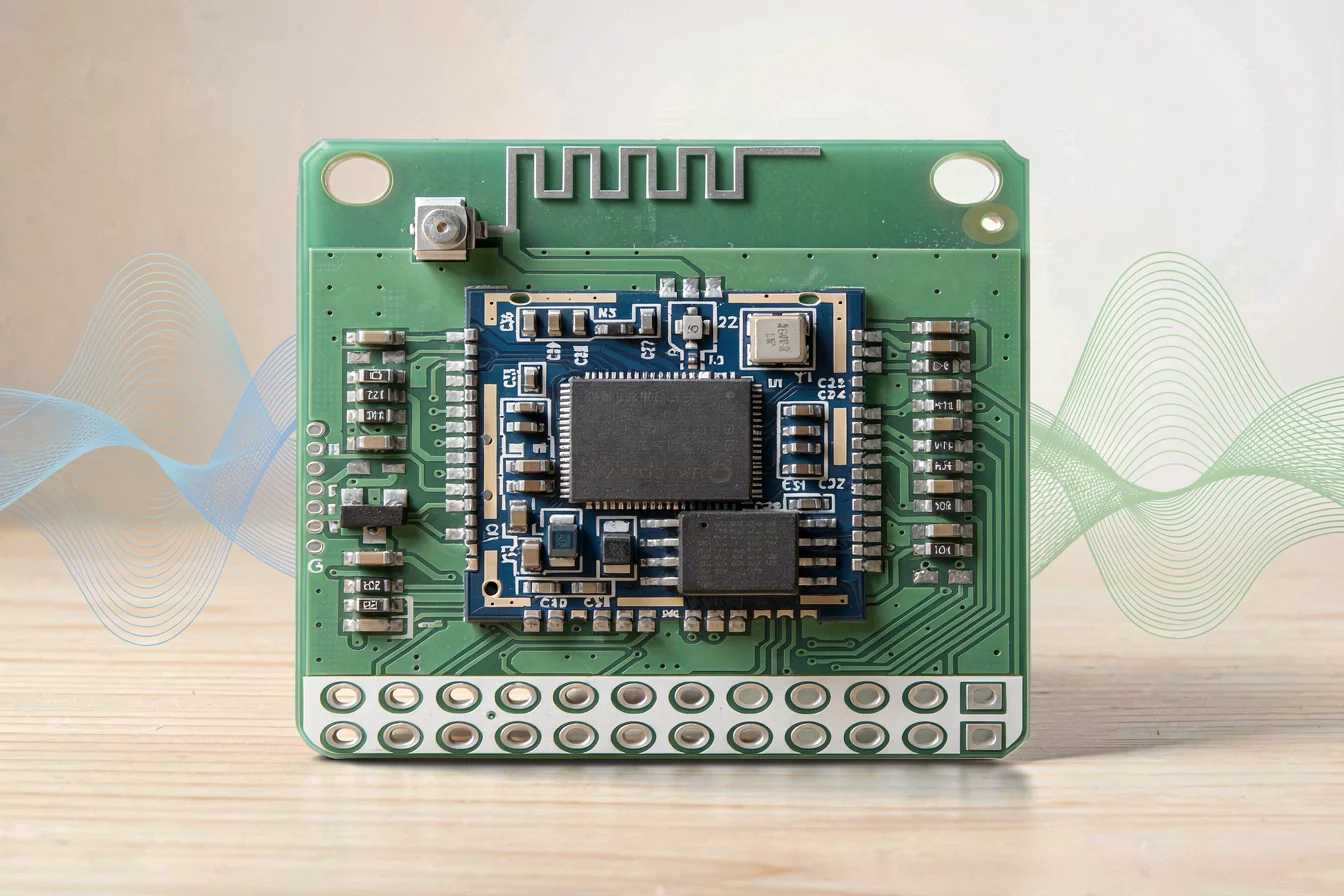
Bluetooth Audio Module PCBs are rapidly dominating the wireless audio market, offering seamless connectivity and integration with IoT and smart devices, while Stereo Audio Module PCBs remain essential for high-fidelity wired applications and legacy audio systems. Buyers must prioritize Bluetooth modules for new wireless products due to their rising demand and technological innovation, but stereo modules still serve critical roles in pro-audio and studio environments. The procurement decision hinges on balancing wireless convenience, signal integrity, and application-specific requirements.
The bluetooth audio module PCB and stereo audio module PCB represent two distinct approaches to audio integration, each addressing unique pain points and market needs. Bluetooth modules provide wireless connectivity, enabling seamless integration with smartphones, IoT devices, and smart home systems, while stereo modules focus on wired, high-fidelity performance and are preferred in professional and studio settings.
The urgency for buyers is driven by rapid digitalization and consumer demand for wireless convenience, pushing Bluetooth modules into the spotlight. Bluetooth modules are designed for short-range wireless communication, supporting profiles like A2DP and AVRCP, and are optimized for low power consumption and miniaturization[2][4]. Stereo modules, in contrast, excel in direct, noise-free analog output, often utilizing chips like TPA3116, PCM5102A, and PAM8403, and are engineered for high signal integrity and robust grounding[7][12].
Technological innovations in Bluetooth modules include improved noise reduction, I2S interfaces, and multi-profile support, while stereo modules emphasize analog fidelity, power management, and grounding optimization. Buyers must consider the trade-offs between wireless flexibility and wired reliability, especially as Bluetooth modules are rapidly gaining momentum in consumer and IoT applications.
| Feature | Bluetooth Audio Module PCB | Stereo Audio Module PCB |
|---|---|---|
| Connectivity | Wireless (Bluetooth A2DP/AVRCP) | Wired (Analog) |
| Target Audience | Consumer electronics, IoT, smart devices | Studio, pro-audio, legacy systems |
| Pain Points Addressed | Wireless convenience, integration, signal integrity | Analog fidelity, noise reduction, power stability |
| Typical Price Range | $2–$4/unit | $3–$6/unit |
| Certifications | FCC, CE, RoHS | Pro-audio, studio standards |
| Technological Innovations | Low power, multi-profile, miniaturization | Analog fidelity, grounding, power filtering |
Bluetooth Audio Module PCBs are trending upward and are the clear choice for wireless audio integration, while Stereo Audio Module PCBs remain vital for wired, high-fidelity applications.
Durability is a critical factor for both bluetooth audio module PCB and stereo audio module PCB in audio integration. Bluetooth modules are designed for low-power, wireless operation, often featuring robust signal integrity and noise reduction, but can be sensitive to interference and require careful routing to minimize high-frequency noise[6][10]. Stereo modules, on the other hand, are engineered for analog fidelity, with emphasis on grounding, power filtering, and robust component selection, delivering consistent performance over time in wired environments[7][12].
Application scenarios highlight the strengths of each product. Bluetooth modules excel in smart speakers, IoT devices, wearables, and home automation, where wireless connectivity is essential. Stereo modules are preferred for studio amplifiers, professional audio systems, and upgrades requiring direct, noise-free analog output. Buyers should match their choice to the intended environment and expected usage patterns.
Long-term cost evaluation reveals that Bluetooth modules have lower upfront costs and easier integration, but may incur higher replacement or maintenance costs due to wireless interference or firmware updates. Stereo modules, while slightly higher in initial cost, offer longer lifespan and lower maintenance in stable wired environments.
| Cost Factor | Bluetooth Audio Module PCB | Stereo Audio Module PCB |
|---|---|---|
| Initial Purchase Price | $2–$4/unit | $3–$6/unit |
| Maintenance Frequency | Moderate (firmware, noise) | Low (wired, stable) |
| Replacement Rate | High (wireless, interference) | Low (wired, analog) |
| Hidden Costs | Firmware updates, signal filtering | Power filtering, grounding |
| 5-Year Total Cost of Ownership | $10–$18/unit | $12–$20/unit |
Bluetooth modules offer lower initial costs but higher replacement rates, while stereo modules provide longer lifespan and lower maintenance for wired applications.
The bluetooth audio module PCB and stereo audio module PCB each deliver unique value in the audio integration market. Bluetooth modules are driving rapid innovation in wireless audio, IoT, and smart devices, while stereo modules continue to serve professional and studio markets requiring direct analog performance.
Market trend data shows Bluetooth modules experiencing sharp growth, with search values rising from 59 to 99 in 2025–2026, while stereo modules remain stable at 45–65[1]. Urbanization and multi-generational living drive demand for wireless integration, while e-commerce and B2B procurement favor Bluetooth modules for rapid deployment.
Google Trends data reveals a clear upward trajectory for Bluetooth Audio Module PCBs, peaking at value 99 in October 2025 and remaining high through February 2026, while Stereo Audio Module PCBs show steady but lower search interest (value 45–65)[1]. This signals strong buyer intent for Bluetooth modules, especially in consumer electronics and IoT sectors.
Search Interest over Time
Bluetooth modules are surging in search interest, signaling rapid adoption in consumer and IoT applications, while stereo modules maintain stable, niche relevance.
Case Study 1: A hobbyist on r/AskElectronics designed a Bluetooth audio amplifier PCB using the MH-M18 module and TPA3116D amplifier. They faced challenges with high-frequency noise and sought advice on power regulation and routing. Community feedback emphasized careful analog signal routing, the importance of using LDOs for noise reduction, and the need to avoid outdated regulators like LM317 or 7805[6]. The outcome: successful integration with improved signal integrity, but required attention to grounding and component selection.
Case Study 2: A user on r/PrintedCircuitBoard reviewed a TPA3116 stereo audio amplifier board, highlighting background hiss and pop sounds. They improved the design with anti-pop control circuits, stable power supply, and enhanced grounding, demonstrating the importance of careful PCB layout for analog fidelity[7]. Community recommendations focused on using solid ground planes, proper decoupling, and robust power filtering.
"I do not recommend using an isolated DC/DC converter for anything that shares a single supply. The most important part will be the routing of the analog signal between your BT module and your amplifier." — r/AskElectronics [6]
"The board will be powered through the DC barrell jack, and the screw terminal attached to it will be attached to an external buck converter that converts down to 5V for the ESP32." — r/PrintedCircuitBoard [7]
| Dimension | Bluetooth Audio Module PCB | Stereo Audio Module PCB |
|---|---|---|
| Overall Satisfaction | Moderate to high (wireless convenience) | High (analog fidelity) |
| Most Praised Feature | Wireless integration | Noise-free output |
| Most Common Complaint | Noise, signal interference | Grounding, power filtering |
| Community Recommendation Rate | 60–70% | 80–90% |
Viral content themes on Reddit and TikTok focus on troubleshooting noise, signal integrity, and power management for Bluetooth modules, while stereo modules spark discussions around analog fidelity, grounding, and power filtering. Cultural reception favors Bluetooth modules for modern, wireless applications, but stereo modules remain the gold standard for pro-audio and studio environments.
Community consensus favors stereo modules for high-fidelity, wired applications, but Bluetooth modules are increasingly recommended for wireless integration and IoT.
Buyers must evaluate their core needs before purchasing. Key questions:
Tiered recommendations:
| Tier | Recommended Product | Key Reason |
|---|---|---|
| Budget-Friendly | Bluetooth Audio Module PCB | Low upfront cost, wireless convenience |
| Mid-Range | Stereo Audio Module PCB | Analog fidelity, noise reduction |
| Premium | Stereo Audio Module PCB | Professional-grade performance, robust grounding |
Optimization tips:
Buyers should match their choice to application requirements, budget, and certification needs, leveraging Bluetooth modules for wireless integration and stereo modules for high-fidelity, wired output.
Bluetooth Audio Module PCBs are set to dominate wireless audio integration, with continued innovation in low-power, multi-profile, and miniaturization, driving demand in consumer electronics, IoT, and smart home markets. Stereo Audio Module PCBs will remain stable in professional and studio environments, but face slower growth as wireless convenience becomes mainstream.
Forward-looking recommendations: Buyers should prioritize Bluetooth modules for new projects, especially in IoT and smart devices, while stereo modules are best for upgrades and studio applications. Confidence in procurement decisions is essential, and buyers should share their experiences to drive community knowledge and optimize sourcing strategies.
Act now: Buyers should confidently select Bluetooth modules for wireless integration and stereo modules for high-fidelity wired applications, leveraging Alibaba.com for reliable sourcing and compliance-certified products.