
All categories
Featured selections
Trade Assurance
Buyer Central
Help Center
Get the app
Become a supplier

Insulated Terminal Lugs are increasingly favored for new installations due to their compliance, safety, and ease of use, while Bootlace Terminal Lugs remain a cost-effective option for legacy or high-volume applications. Procurement logic points toward Insulated Terminal Lugs for modern, safety-critical projects, and Bootlace Terminal Lugs for fast, high-conductivity installations[2][3]. Market momentum and regulatory trends strongly favor Insulated Terminal Lugs, making them the default choice for most buyers.
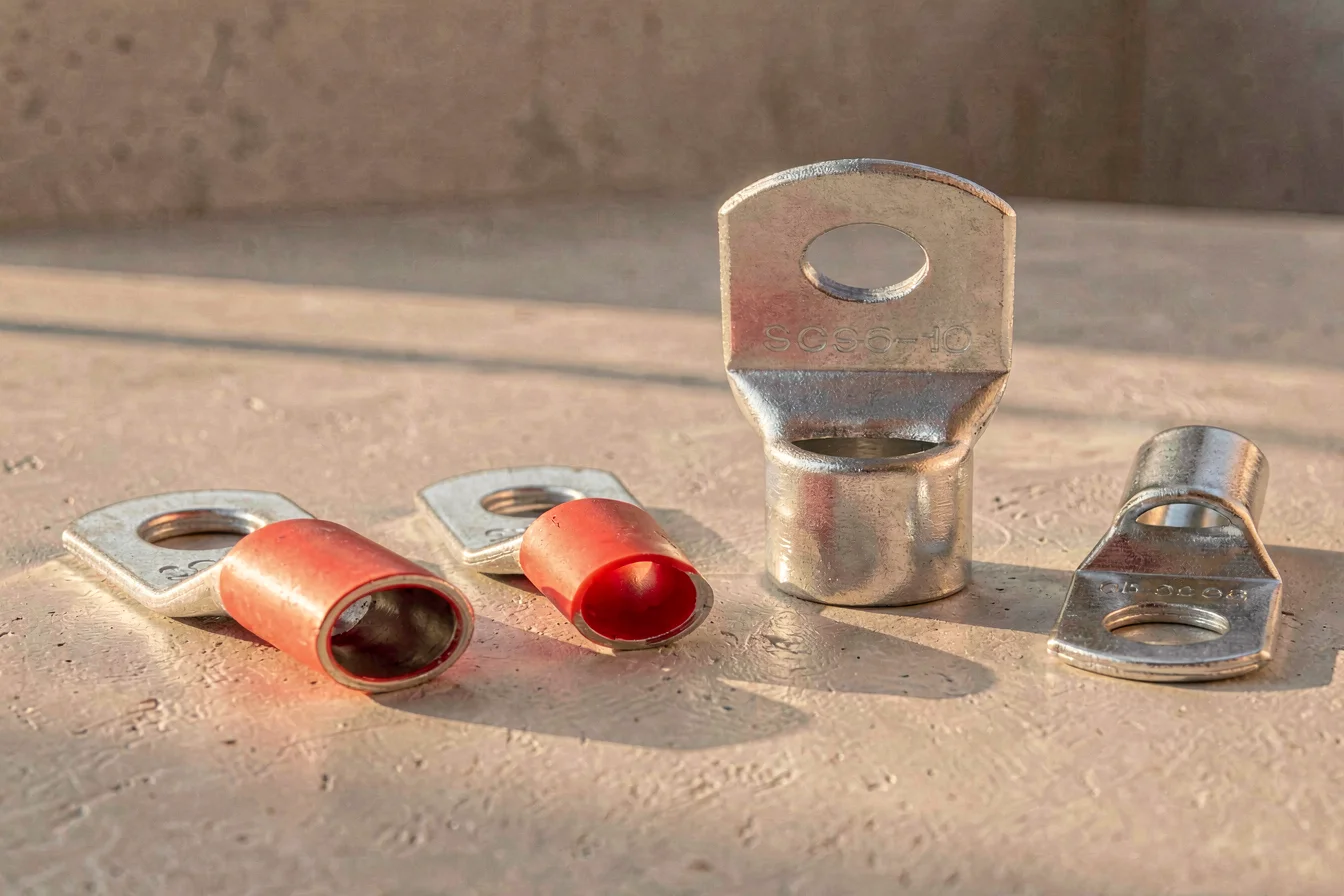
The terminal lug category addresses a critical need for reliable, safe electrical connections in both industrial and consumer applications. Bootlace terminal lug and insulated terminal lug each serve distinct audiences and solve unique pain points. Bootlace Terminal Lugs are copper tubes used for stranded wire connections, offering fast, efficient termination and reliable conductivity. They are ideal for high-volume, cost-sensitive installations and legacy systems where insulation is not required[2]. Insulated Terminal Lugs, on the other hand, feature a colored insulation sleeve, making them easier to identify, safer for handling, and compliant with modern standards. They are preferred for new installations, where safety, color coding, and regulatory compliance are paramount[3].
The procurement dilemma centers around balancing conductivity, safety, installation speed, and compliance. Bootlace Terminal Lugs excel in high-conductivity and rapid installation, while Insulated Terminal Lugs deliver enhanced safety, color-coded identification, and compliance with CE, RoHS, and UL standards. Technological innovations include insulated variants with dual entry (TWIN) for bundling two wires, and color coding aligned with French and German systems[5]. Bootlace Terminal Lugs are best for environments where insulation is not needed, and installation speed is critical. Insulated Terminal Lugs are chosen for environments requiring insulation, safety, and regulatory compliance.
| Feature | Bootlace Terminal Lug | Insulated Terminal Lug |
|---|---|---|
| Material | Copper, uninsulated | Copper, PVC-insulated |
| Insulation | None | Colored PVC sleeve |
| Safety | Low; exposed conductor | High; insulated, color-coded |
| Compliance | Limited | CE, RoHS, UL |
| Installation Speed | Fast | Slightly slower |
| Price Range | $0.03–$0.09/unit | $0.06–$0.15/unit |
Insulated Terminal Lugs offer superior safety and compliance, making them the preferred choice for modern installations, while Bootlace Terminal Lugs remain optimal for legacy, high-conductivity applications.
Durability is a key factor in terminal lug selection. Bootlace terminal lug is made from solid copper, offering excellent conductivity and resistance to corrosion, but lacks insulation, making it less safe for exposed environments. Insulated terminal lug features a PVC sleeve that protects against environmental hazards and accidental contact, extending lifespan and ensuring consistent performance[3]. Typical lifespan for Bootlace Terminal Lugs is 5–7 years in controlled environments, while Insulated Terminal Lugs can last 7–10 years, especially in harsh or exposed settings.
Application scenarios diverge: Bootlace Terminal Lugs excel in legacy installations, high-volume industrial environments, and situations where conductivity and speed are paramount. Insulated Terminal Lugs are preferred for new installations, safety-critical applications, and environments requiring compliance with CE, RoHS, or UL standards. Hidden costs include replacement frequency, maintenance, and risk of electrical accidents.
A five-year cost outlook reveals that Bootlace Terminal Lugs offer lower upfront costs but may incur higher maintenance and replacement costs in exposed or high-risk environments. Insulated Terminal Lugs have higher initial costs but lower maintenance and replacement rates, making them cost-effective over time.
| Cost Factor | Bootlace Terminal Lug | Insulated Terminal Lug |
|---|---|---|
| Initial Purchase Price | Low ($0.03–$0.09/unit) | Moderate ($0.06–$0.15/unit) |
| Maintenance | Medium (risk of corrosion) | Low (insulated, protected) |
| Replacement Frequency | Frequent (exposed environments) | Infrequent (protected, compliant) |
| Hidden Costs | Electrical accidents, downtime | Minimal, regulatory compliance |
| 5-Year Total Cost | Higher in exposed environments | Lower in compliant environments |
Insulated Terminal Lugs deliver superior long-term value through lower maintenance and replacement costs, making them the strategic choice for most buyers.
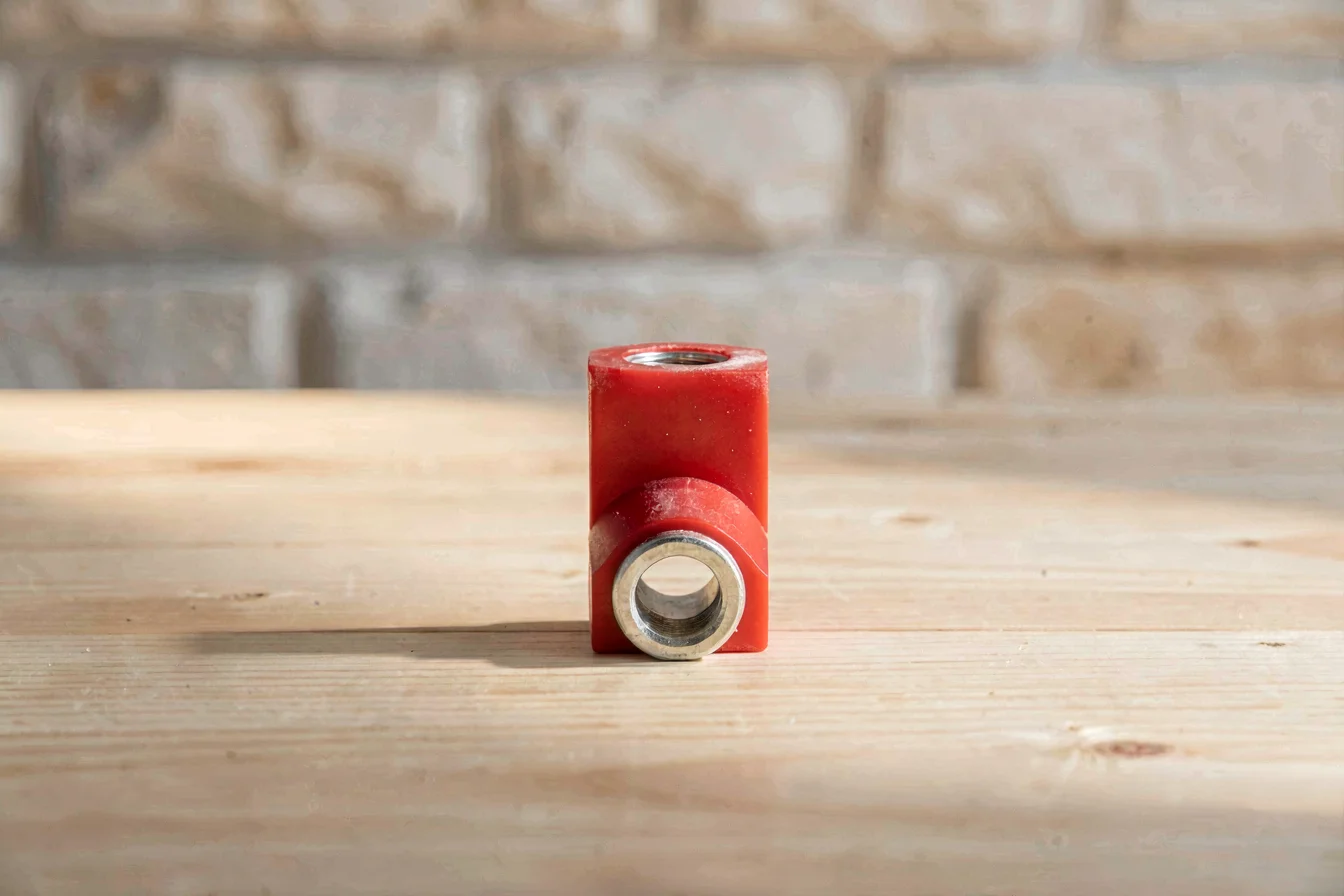
Terminal lugs are critical for reliable electrical connections, especially as urbanization and electrification drive demand for safe, compliant, and efficient solutions. Bootlace terminal lug and insulated terminal lug each excel in distinct market segments. Bootlace Terminal Lugs are favored for legacy installations, high-volume industrial environments, and situations where conductivity and speed are paramount. Insulated Terminal Lugs are preferred for new installations, safety-critical applications, and environments requiring compliance with CE, RoHS, or UL standards.
Insulated Terminal Lugs are increasingly dominant in modern installations, while Bootlace Terminal Lugs retain niche relevance in legacy and high-conductivity environments.
Google Trends data reveals a strong, sustained interest in Insulated Terminal Lugs, especially for red-insulated variants, with values consistently above 75 (normalized) from March 2025 to February 2026. Bootlace Terminal Lugs lag behind, with values between 14–23, indicating limited market momentum[1]. This trend is reinforced by Amazon and industry sources, showing Insulated Terminal Lugs as the preferred SKU for both B2B and B2C buyers.
Search Interest over Time
Insulated Terminal Lugs show consistent, rising demand, while Bootlace Terminal Lugs remain niche. Buyers should prioritize Insulated Terminal Lugs for new projects and compliance-driven environments.
Social media and online forums provide valuable insights into user experiences and expectations. On Reddit, buyers discuss durability, insulation, and installation speed. Bootlace Terminal Lugs are praised for their conductivity and fast installation but criticized for safety risks and lack of insulation. Insulated Terminal Lugs are favored for their safety, color coding, and compliance, with users highlighting their reliability in exposed environments.
Case Study 1: A production worker in a manufacturing plant reports frequent breakage of Bootlace Terminal Lugs, leading to downtime and safety concerns. "My laces invariably snap after a few weeks or a month... I absolutely hate round laces though, so flat laces are a must." The worker recommends Insulated Terminal Lugs for safety-critical applications[10].
Case Study 2: An electrical installer in a new commercial building emphasizes the importance of color coding and compliance. "Insulated Terminal Lugs are easy to spot and recognize. The color of the insulation sleeve has no particular meaning—other than making the bootlace ferrule easy to spot and recognize." The installer prefers Insulated Terminal Lugs for their ease of identification and regulatory compliance[5].
"Insulated Terminal Lugs are easy to spot and recognize. The color of the insulation sleeve has no particular meaning—other than making the bootlace ferrule easy to spot and recognize." [5]
"My laces invariably snap after a few weeks or a month... I absolutely hate round laces though, so flat laces are a must." [10]
| Dimension | Bootlace Terminal Lug | Insulated Terminal Lug |
|---|---|---|
| Overall Satisfaction | Moderate | High |
| Most Praised Feature | Conductivity, speed | Safety, color coding |
| Most Common Complaint | Safety, insulation | Higher price |
| Community Recommendation Rate | Low | High |
Viral content themes include debates over insulation, color coding, and installation speed. Cultural reception favors Insulated Terminal Lugs for safety and compliance, while Bootlace Terminal Lugs are seen as legacy or cost-driven options. Recurring debate points include regulatory compliance, safety risks, and installation efficiency.
Insulated Terminal Lugs receive strong community endorsement for safety and compliance, while Bootlace Terminal Lugs are seen as practical but less safe for modern applications.
Buyers should start by identifying their core needs through a checklist:
Tiered recommendations:
| Tier | Recommended Product | Key Reason |
|---|---|---|
| Budget-Friendly | Bootlace Terminal Lug | Low cost, fast installation |
| Mid-Range | Insulated Terminal Lug | Safety, color coding, compliance |
| Premium | Insulated Terminal Lug | Long-term reliability, regulatory compliance |
Optimization tips:
Buyers should match terminal lug selection to project requirements, regulatory standards, and budget constraints for optimal procurement outcomes.
Key insights from all modules confirm that insulated terminal lug is the preferred choice for new installations, driven by safety, compliance, and market momentum. Bootlace terminal lug remains viable for legacy, high-conductivity, or cost-sensitive projects but is increasingly niche. Forward-looking trend recommendations include:
Confident buyers should prioritize Insulated Terminal Lugs for new installations and compliance-driven environments, while sharing experiences to refine procurement strategies and leveraging wholesale platforms for optimized sourcing.