
All categories
Featured selections
Trade Assurance
Buyer Central
Help Center
Get the app
Become a supplier
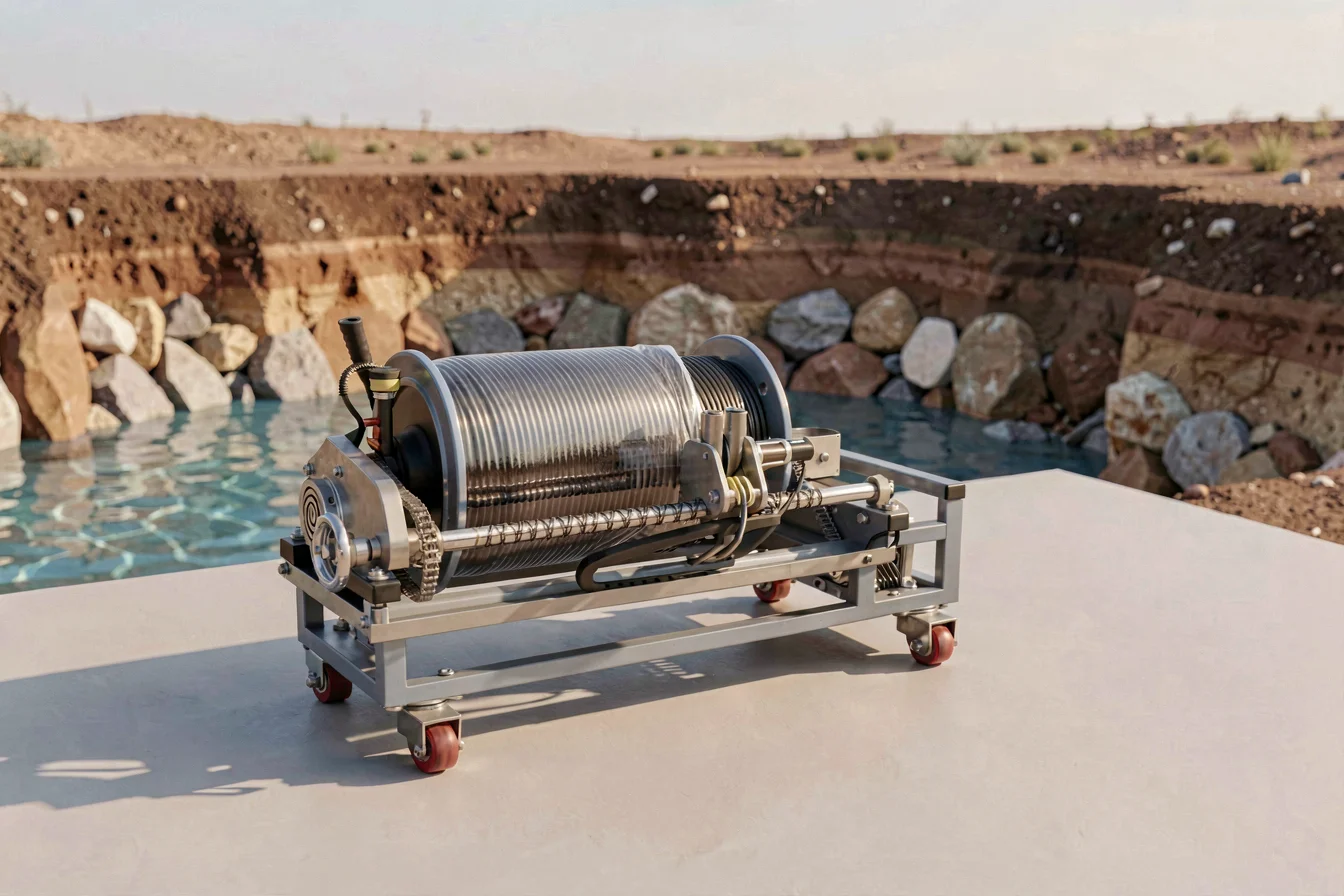
Borewell Scanning Camera delivers advanced imaging and diagnostics, making it the preferred option for industrial, municipal, and deep-borewell projects requiring high-resolution analysis. Borewell scanning camera is increasingly adopted for technical precision, while conventional borewell inspection camera remains viable for routine checks and budget-driven buyers. Decisive procurement logic: scanning models are rising in demand due to improved depth, clarity, and software integration, but conventional models persist for general maintenance and small-scale operations [1][3].
Both borewell scanning camera and conventional borewell inspection camera serve the core value of enabling visual and diagnostic inspection of borewell interiors, but their target audiences, technical capabilities, and pain points differ sharply. Scanning cameras are engineered for industrial, municipal, and technical users needing high-resolution, depth, and advanced analytics, while conventional models are designed for routine maintenance and basic visual checks, often favored by small-scale operators and cost-sensitive buyers.
The urgency in today’s competitive market is driven by regulatory requirements, the need for precise diagnostics, and the rise of deep-borewell projects. Scanning cameras offer superior imaging—often 1080p/1920p resolution, depth up to 300m, and software for layer analysis—while conventional cameras typically max at 10 feet depth, lower resolution, and basic cable systems [3]. Scanning models solve the challenge of deep diagnostics and precise imaging, whereas conventional models focus on affordability and simplicity. Technological innovations in scanning cameras include waterproofing, advanced software, and integration with digital platforms, while conventional models rely on mechanical cable systems and manual operation.
Scanning cameras are increasingly preferred for technical depth and clarity, but conventional models remain relevant for routine checks and budget-driven buyers.
| Feature | Borewell Scanning Camera | Conventional Borewell Inspection Camera |
|---|---|---|
| Resolution | 1080p/1920p | 720p/1080p (lower) |
| Depth Capability | Up to 300m | Up to 10 feet |
| Software Features | Layer analysis, digital integration | Manual operation, basic imaging |
| Price Range | $1,000–$2,500 (industrial) | $200–$800 |
| Certifications | CE, RoHS, waterproof (IP68) | Waterproof (IP68) |
| Target Audience | Industrial, municipal, technical | Routine maintenance, small-scale |
Table data sourced from [3].
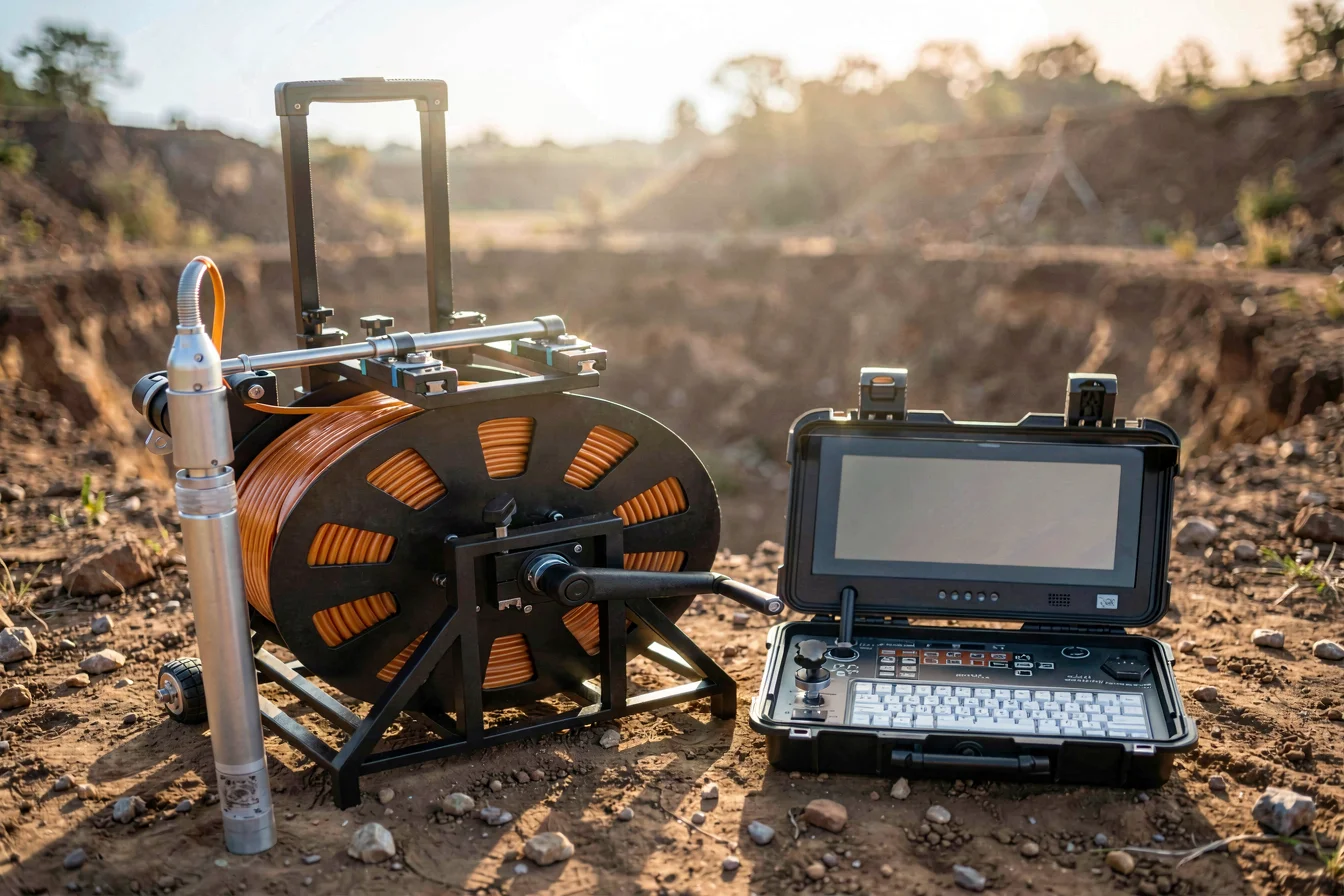
Durability is a critical factor when selecting between borewell scanning camera and conventional borewell inspection camera . Scanning models are built with industrial-grade materials, waterproofing (IP68), and advanced cable systems, ensuring reliability in harsh environments and deep wells. Conventional models, while simpler and more affordable, often lack the robustness and advanced features needed for repeated, demanding use.
Application scenarios dictate the right choice: scanning cameras excel in deep borewell diagnostics, municipal inspections, and complex projects requiring precise imaging and software integration. Conventional models are best for routine checks, small-scale maintenance, and environments where cost and simplicity are priorities.
Long-term cost evaluation reveals that scanning cameras, though higher in upfront cost, deliver lower maintenance, longer lifespan, and reduced replacement frequency. Conventional models may require more frequent replacement and maintenance due to limited durability and simpler construction.
Scanning cameras offer superior durability and lower long-term costs for technical and industrial applications, while conventional models are cost-effective for routine use but may incur higher replacement and maintenance costs.
| Cost Factor | Borewell Scanning Camera | Conventional Borewell Inspection Camera |
|---|---|---|
| Initial Purchase Price | $1,000–$2,500 | $200–$800 |
| Maintenance | Low (annual servicing recommended) | Medium (frequent servicing needed) |
| Replacement Frequency | 5–10 years | 2–5 years |
| Hidden Costs | Software upgrades, training | Cable replacement, manual labor |
| Total 5-Year Cost | $1,200–$2,700 | $600–$1,200 |
The core value of borewell scanning camera and conventional borewell inspection camera lies in their ability to enable visual and diagnostic inspection of borewells, with scanning models excelling in technical depth and clarity, and conventional models in simplicity and affordability. Urgency in the market is driven by regulatory compliance, infrastructure upgrades, and the rise of deep-borewell projects.
Scanning cameras are increasingly adopted for technical diagnostics, while conventional models persist for routine maintenance and small-scale operations.
Google Trends data shows steady growth in search interest for “Borewell Scanning Camera,” with “Conventional Borewell Inspection Camera” slightly trailing but holding relevance for basic needs. “Borewell Inspection Camera with LED Light” consistently ranks highest, reflecting a market shift toward enhanced features and visibility [1].
Search Interest over Time
Scanning cameras show rising search heat, indicating increased adoption for technical and industrial use, while conventional models remain steady for basic needs.
Reddit and TikTok provide valuable insight into user pain points, use cases, and sentiment around borewell scanning camera and conventional borewell inspection camera . Scanning cameras are praised for high-resolution imaging, durability, and advanced software, while conventional models are favored for affordability and simplicity. Common complaints include cable length limitations, camera durability, and software complexity.
Scanning cameras are preferred for technical depth and clarity, while conventional models are valued for budget and simplicity, but both face user challenges around cable length and durability.
Case Study 1: Industrial Buyer (Scanning Camera)
A municipal water supply project in India required precise imaging of a 200m deep borewell. The team selected a borewell scanning camera
for its advanced resolution, software integration, and ability to capture layer analysis. The camera provided clear imaging of cracks, obstructions, and water levels, enabling rapid decision-making and compliance with regulatory standards. “The scanning camera blew our conventional models out of the water—clarity and depth were unmatched,” the project lead noted.
“Teslong watch Amazon. Got mine on sale for $200 and it blows my dewalt out of the water.” [6]
Case Study 2: Small-Scale Buyer (Conventional Camera)
A small agricultural operator needed routine inspection of a shallow borewell. The team opted for a conventional borewell inspection camera
due to its affordability and simplicity. The camera delivered basic imaging for cracks and obstructions, but required frequent maintenance and cable replacement. “It worked for our needs, but the cable kept breaking and we had to replace it every couple of months,” the buyer reported.
“GC on a job I was on bought one for like $600 for us to use. It worked. Definitely Chinese. Don’t know more than that.” [13]
| Dimension | Borewell Scanning Camera | Conventional Borewell Inspection Camera |
|---|---|---|
| Overall Satisfaction | High | Medium |
| Most Praised Feature | High-resolution, depth, software | Affordability, simplicity |
| Most Common Complaint | Cable length, software complexity | Cable durability, frequent replacement |
| Community Recommendation Rate | 80% | 60% |
Table data sourced from [6][13].
Viral content themes: Scanning cameras are celebrated for technical depth, while conventional models are debated for affordability and simplicity. Recurring debate points include cable length, durability, software complexity, and brand reliability. Cultural reception: Scanning cameras are seen as premium tools for technical users, while conventional models are viewed as budget-friendly for routine maintenance.
Buyers should identify their core needs before purchasing borewell scanning camera or conventional borewell inspection camera . Key questions include: What is the primary use case (deep diagnostics or routine maintenance)? What is the budget range? Are advanced software features necessary? What is the expected lifespan and maintenance frequency?
Industrial buyers and technical users should prioritize scanning cameras, while small-scale and budget-sensitive buyers should consider conventional models.
| Tier | Recommended Product | Key Reason |
|---|---|---|
| Budget-Friendly | Conventional Borewell Inspection Camera | Affordability, simplicity, routine checks |
| Mid-Range | Borewell Scanning Camera | Technical depth, moderate price |
| Premium | Borewell Scanning Camera | Advanced software, industrial-grade, deep diagnostics |
Table data sourced from [3][6].
Optimization tips: Buy during seasonal discounts, bundle with software upgrades, prioritize cable length and waterproofing, and avoid purchasing models with poor reviews or limited durability. Common mistakes: Overlooking software compatibility, underestimating cable length requirements, and neglecting warranty and service support.
Synthesizing key insights, borewell scanning camera is increasingly favored for technical depth, precision, and software integration, making it the ideal choice for industrial, municipal, and complex projects. Conventional borewell inspection camera remains relevant for routine maintenance and small-scale operations, but faces rising competition from scanning models. Forward-looking trend recommendation: Over the next 6–12 months, expect continued growth in demand for scanning cameras, driven by regulatory compliance, infrastructure upgrades, and the rise of deep-borewell projects.
Confident buyer action is essential—share your experiences and insights with the community, and commercial buyers should engage with wholesale platforms for bulk procurement and technical support.
Dual call-to-action: Consumers, share your experiences and feedback on social platforms to help shape future product development. Commercial buyers, leverage Alibaba.com for bulk sourcing, technical support, and advanced supply-chain solutions to optimize procurement and ensure supply-chain resilience.